










Some people could sleep through a marching band. You are not one of those people. For you, a door clicking shut two rooms away, a partner shifting their weight, a car door in the street, a slightly-too-warm patch of mattress — any of it can lift you right out of sleep, and then you’re lying there at 3 a.m. staring at the ceiling, wondering why everyone else gets to sleep like a rock and you don’t. If that’s you, you already know the particular frustration of being someone who wakes up easily during the night.
The first thing worth saying is that light sleeping isn’t a character flaw or a sign you’re doing something wrong. Waking briefly during the night is actually normal — everybody does it — but some people surface further, more often, and have a harder time dropping back down. Understanding why your sleep is so easily interrupted is the first step to fixing it, because most of the triggers are more controllable than they feel at 3 in the morning. Let’s get into what makes some people wake so easily, and the changes that actually help.
Why Do I Keep Waking Up During the Night?
Here’s a fact that surprises a lot of people: waking up multiple times a night is completely normal, and even good sleepers do it. The difference is that deep sleepers surface for a few seconds and drop right back down without remembering it, while light sleepers wake more fully and often struggle to fall back asleep. So if you feel like you’re “waking up constantly,” part of what’s happening is that you’re simply noticing the wake-ups everyone has.
Your sleep isn’t one long, flat plunge into unconsciousness. It moves in cycles, roughly 90 minutes each, rising and falling through lighter and deeper stages. At the top of each cycle you’re very close to the surface — brushing against wakefulness — before sinking back down into the next one. Those transition points, several times a night, are exactly when a noise, a temperature change or a full bladder can tip you all the way awake. It’s built into the architecture of sleep.
What makes someone a “light sleeper” is a mix of how easily they cross that threshold and what’s in the environment to push them across it. Some of that is wiring you can’t change much. But a large share of it is triggers you absolutely can — noise, light, temperature, an uncomfortable surface, stress, habits, timing. The rest of this article walks through those triggers roughly in the order they trip people up, so you can figure out which ones are yours.
Light Sleepers vs Deep Sleepers: What’s the Difference?
“Light sleeper” and “deep sleeper” aren’t just personality labels — they describe a real difference in how easily your brain crosses the line between sleep and waking. Researchers have even measured it: some people’s brains produce more of the rhythmic activity that seems to protect sleep from being disturbed, essentially filtering out background noise, while others have less of that natural shielding.

Practically, a deep sleeper has a high threshold — it takes a lot to wake them, and when they do surface they drop back down fast. A light sleeper has a low threshold — smaller disturbances get through, and once awake they’re slower to fall back asleep, sometimes lying there for half an hour over something that would’ve never registered for their partner. Neither is “better” in an absolute sense; light sleeping likely evolved as a feature, keeping some members of a group alert to danger. It just isn’t much comfort when the “danger” is the refrigerator cycling on.
Some of where you land is genetic and not something you’ll overhaul. But — and this is the encouraging part — your baseline is only half the equation. A naturally light sleeper in a dark, quiet, cool, comfortable room with steady habits can sleep far better than a naturally deep sleeper in a hot, noisy, chaotic one. You can’t fully rewire your threshold, but you have enormous control over how many things are lined up to cross it. That’s where the leverage is, so don’t write yourself off as “just a light sleeper” and stop there.
How Sleep Cycles Set You Up to Wake Easily
To fix easy waking, it helps to understand the rhythm underneath it, because the timing of your wake-ups usually isn’t random. As mentioned, sleep runs in cycles of roughly 90 minutes, each moving from light sleep down into deep sleep and then into REM (dreaming) sleep before cycling back up toward the surface.
Early in the night, your cycles are weighted toward deep sleep — the heavy, restorative, hard-to-wake-from stage. As the night goes on, the balance shifts, and the second half of your night has more light sleep and more REM. That’s why waking in the early morning hours — 3, 4, 5 a.m. — is so common: you’re spending more time in lighter stages then, closer to the surface, so it takes far less to pull you out. If you consistently wake at a similar time in the back half of the night, this is usually why.

There’s also a body-temperature rhythm layered on top. Your core temperature follows a daily cycle, dropping through the night and bottoming out in the early morning — and to drive that temperature down, your body sheds heat into your sleep environment. If that heat has nowhere to go (a warm room, a heat-trapping mattress), the resulting overheating collides with the lightest, most wake-prone part of your night. The upshot: the early morning hours are when you’re most vulnerable to every trigger at once — light stages, temperature swings, a fuller bladder, morning light creeping in. Knowing that tells you where to aim your defenses.
The Environment Triggers That Pull You Out of Sleep
For most light sleepers, the biggest, most fixable culprits live in the bedroom environment: noise, light and temperature. These are the things crossing your low waking threshold night after night, and each has a straightforward line of defense.

- Noise. Sudden or intermittent sounds — a partner snoring, traffic, a creaking house, a pet — are classic light-sleeper triggers because your brain stays partly tuned to sound even asleep. Steady background sound helps more than pure silence: a fan, a white-noise machine or an app masks the sudden noises that would otherwise spike through. Earplugs are a cheap, underrated fix.
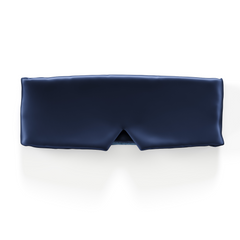
- Light. Even a little light — a streetlight through thin curtains, a charging LED, early dawn — signals your brain to wind down melatonin and start waking. Blackout curtains, covering or removing stray LEDs, and a sleep mask can make a real difference, especially for that early-morning light that hits during your most wake-prone hours.
- Temperature. A room or bed that’s too warm is one of the most common reasons people surface at night, which is why it gets its own section next. A cool, well-ventilated sleep setup removes a trigger that otherwise fires right when you’re most vulnerable.
The reason to start here is simple: these are the cheapest, fastest wins, and they attack the exact triggers a light sleeper is most sensitive to. Before assuming your problem is stress or something medical, get the room dark, quiet and cool and see how much of the waking disappears. For a lot of people, that alone is most of the fix.
Why Overheating Wakes You Up at Night
Temperature deserves its own spotlight because it’s one of the sneakiest reasons light sleepers wake, and it lines up cruelly with your body’s natural rhythm. Your brain uses a falling core temperature as a signal to stay asleep; when you overheat, that signal reverses and your brain nudges you toward waking to do something about it — kick off the covers, flip the pillow, surface.
Here’s the trap. Your body pushes the most heat outward in the first sleep cycles as it works to lower your core temperature, and it keeps shedding heat as the night goes on. If your mattress and bedding absorb and store that heat instead of releasing it, the surface saturates and starts radiating warmth back at you — and it tends to hit its tipping point in the early morning hours, exactly when you’re already in lighter, more wake-prone sleep. Overheating and your most fragile sleep stage collide, and you wake up sweaty and confused at 3 a.m. without quite knowing why. This is the single most common “I wake up at the same time every night” culprit that people never connect to their bed.

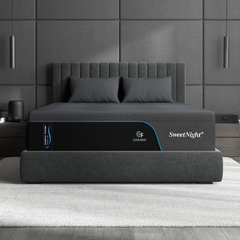
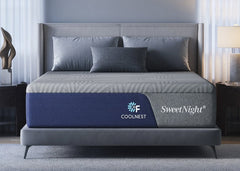
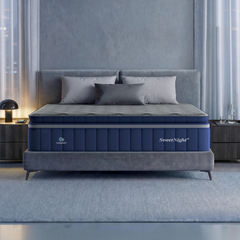
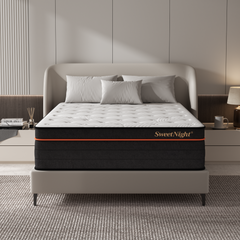
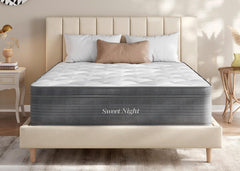
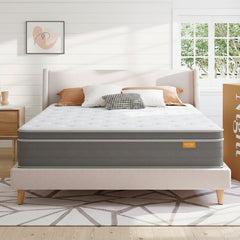
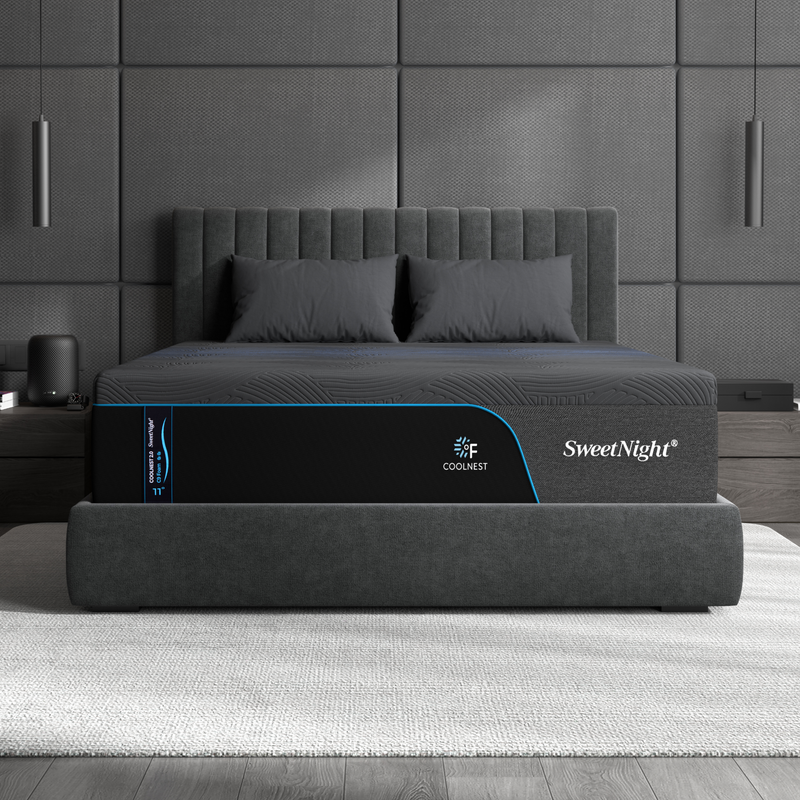
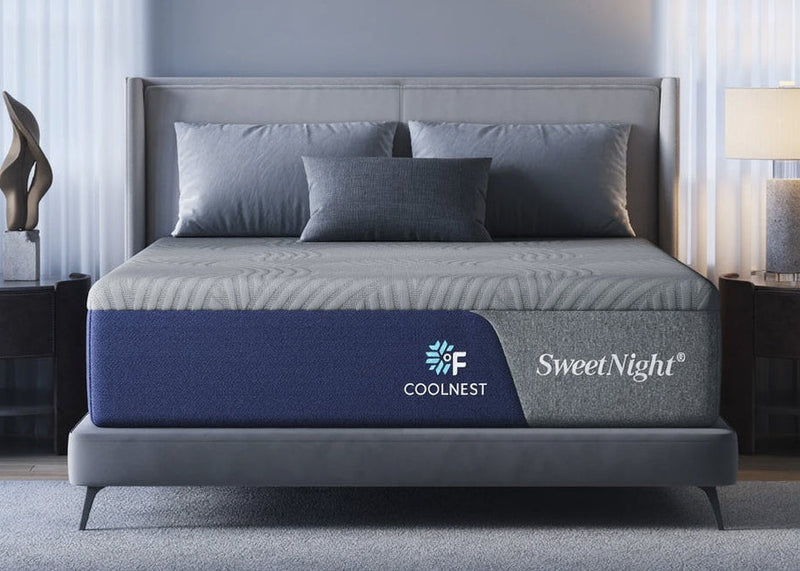
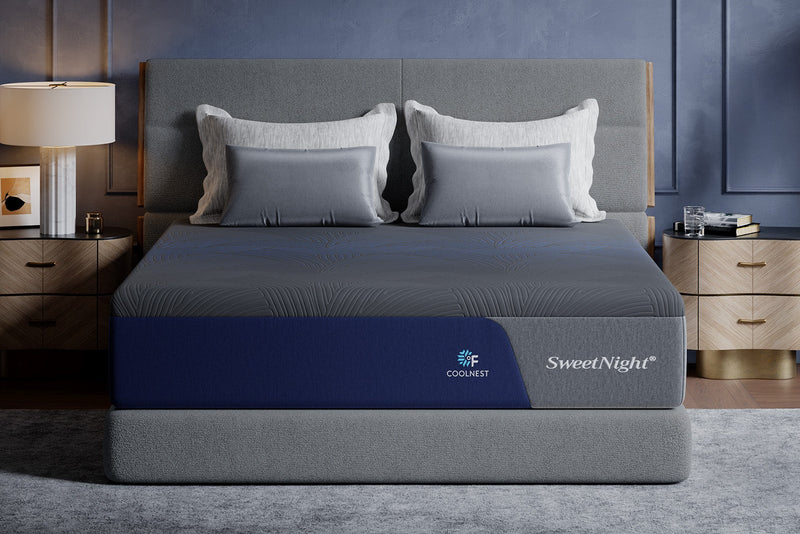
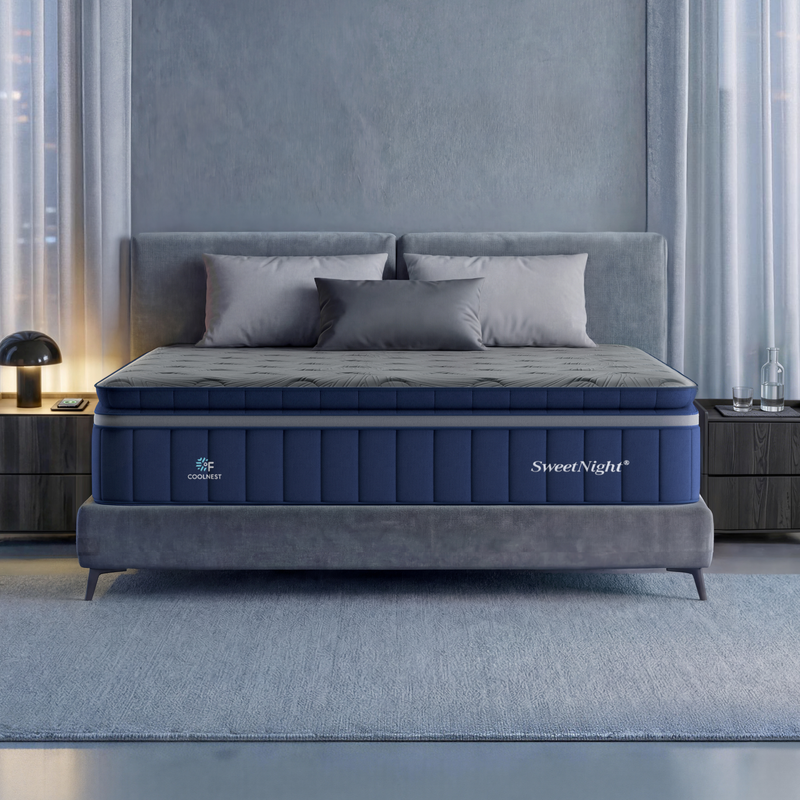
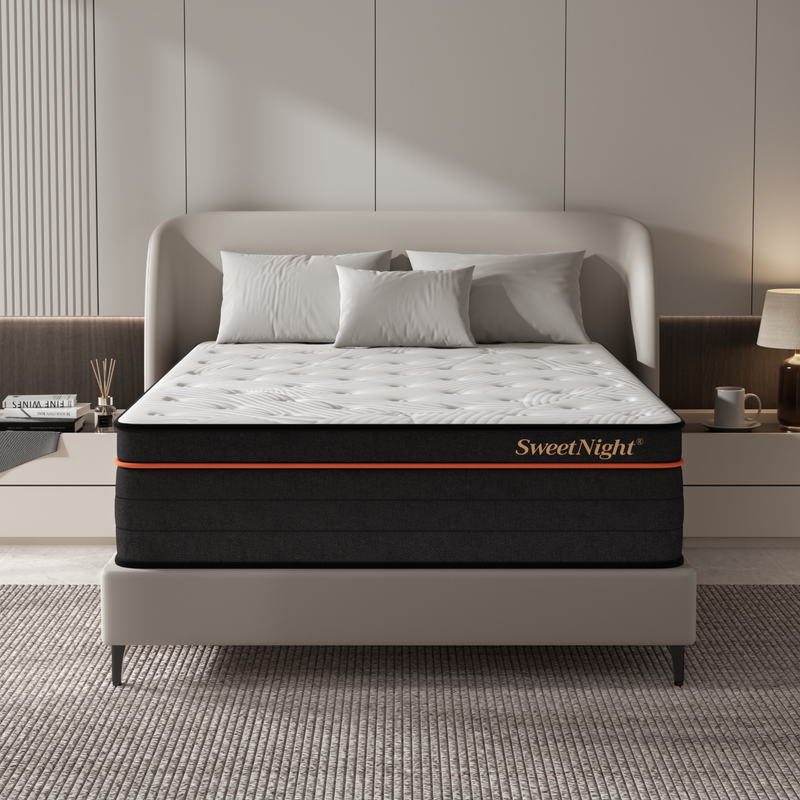
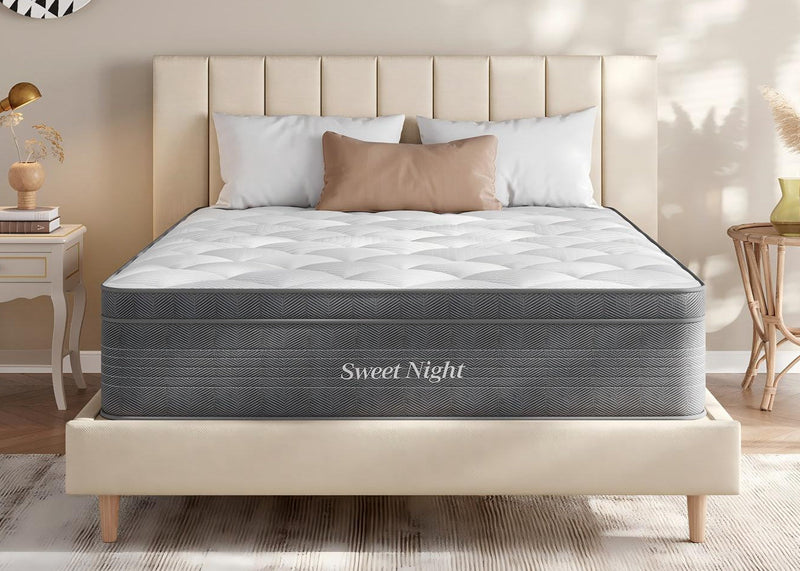
The fix is to give body heat an exit so it never reaches that tipping point: breathable cotton or linen sheets, lighter adjustable layers, airflow from a fan, and — the big one — a mattress engineered to move heat rather than hoard it. A traditional dense-foam bed traps warmth and feeds this cycle; a genuine cooling mattress built with gel foam, ventilation and a breathable cover keeps the surface from saturating in the first place. Beds like the CoolNest® Ultra are designed around exactly this — pulling heat away at multiple layers so the overheating spike that would’ve woken you never builds. If you’re a light sleeper and a hot sleeper, temperature is very likely a bigger part of your night waking than you realize.

How Your Mattress and Partner Movement Interrupt Sleep
Beyond temperature, the physical bed itself wakes light sleepers in two big ways: discomfort and motion. Both are worth checking because both are fixable.
Start with comfort. If your mattress creates pressure points — a shoulder or hip that aches, a lower back that never quite settles — your body keeps shifting to relieve it, and each of those shifts is a chance to surface, especially during light-sleep stages. An old, sagging mattress that no longer supports you properly quietly manufactures micro-wakings all night. If you wake up sore, or notice you’re tossing and repositioning constantly, the surface may be nudging you awake without you registering the cause.

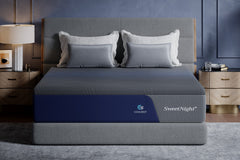
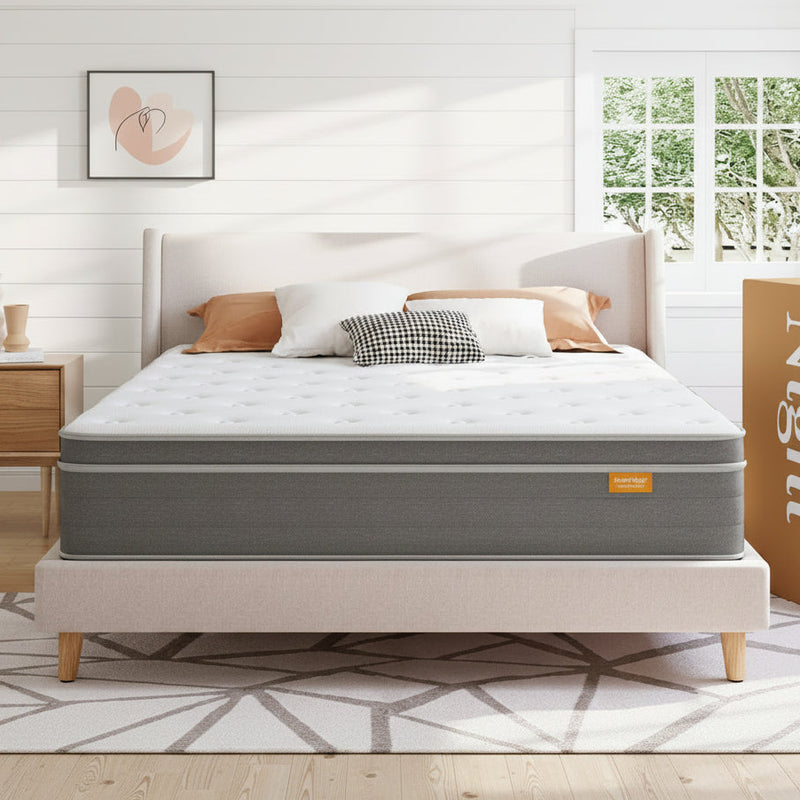
Then there’s partner movement, a huge one for anyone who shares a bed. When your partner rolls over, gets up for water or shifts position, a mattress with poor motion isolation transmits that movement across the whole surface — and for a light sleeper, that little jolt is more than enough to cross the waking threshold. This is where memory foam actually shines: its ability to absorb motion so one person’s tossing doesn’t travel to the other side is one of the material’s genuine strengths. A bed with strong motion isolation, like the memory-foam builds in the CoolNest® family, lets a restless partner move without dragging you out of sleep with them. If your wake-ups seem to line up with your partner’s movements, motion isolation is the feature to prioritize — ideally paired with the cooling that keeps you both from overheating in the first place.
Stress, Anxiety, and the Racing-Mind Wake-Up
Sometimes the trigger isn’t in the room at all — it’s in your head. Stress and anxiety are among the most powerful drivers of easy waking, and they work through a specific physiological pathway rather than just “worrying too much.”
When you’re stressed, your body sits in a low-grade fight-or-flight state, with elevated cortisol and adrenaline keeping you more alert than restful sleep allows. That raises your heart rate, keeps your mind churning, and lowers your waking threshold — you’re primed to surface at the smallest thing and then, once awake, your brain seizes the quiet to start running through everything you’re worried about. That’s the dreaded 3 a.m. spiral: awake for no obvious reason, then wide awake because now you’re thinking. Ironically, lying there frustrated about being awake ramps up the stress further and makes falling back asleep even harder.

Breaking this needs a slightly different toolkit than blackout curtains. A genuine wind-down routine — dimming lights, stepping away from screens, and giving your nervous system time to downshift before bed — lowers the baseline arousal you carry into the night. If you do wake and can’t get back down within about 20 minutes, sleep specialists generally advise getting up, doing something calm and boring in low light, and returning to bed when you feel sleepy again, rather than lying there wrestling with it. Offloading worries earlier in the evening — jotting tomorrow’s to-do list before bed so your brain isn’t holding it — keeps the racing mind from ambushing you at 3 a.m. And going easy on the things that amplify nighttime arousal, like caffeine late in the day and alcohol close to bedtime, removes fuel from the fire.
There’s a subtler trap here worth naming: the anxiety about waking becomes its own cause of waking. Once you’ve had a few bad nights, part of your brain starts bracing for the 3 a.m. wake-up, and that low hum of anticipation keeps you shallow and watchful — which makes the wake-up more likely, which confirms the fear, and around it goes. This is why “just try harder to sleep” backfires so reliably; effort is arousal, and arousal is the opposite of sleep. The way out is counterintuitive: take the pressure off. Remind yourself that a broken night here and there won’t wreck you, that resting quietly with your eyes closed still has value even if you’re not fully asleep, and that you don’t have to solve anything at 3 a.m. Loosening the grip on the outcome is, oddly, one of the more effective things a chronically light sleeper can do.
Age, Hormones, and Nighttime Waking
Sometimes waking easily is less about your habits and more about a season of life, and it helps to know when that’s the case so you don’t blame yourself for it. Sleep genuinely changes as we age and as hormones shift.
As people get older, sleep architecture naturally moves toward lighter stages — there’s less deep sleep and more time spent near the surface — which is why older adults tend to wake more often and more easily than they did in their twenties. That’s a normal shift, not necessarily a disorder, though it’s worth managing rather than just accepting. Nighttime bathroom trips also become more frequent with age and are a leading cause of fragmented sleep on their own, which is why easing off fluids in the couple of hours before bed helps more than people expect.

Hormones are a major factor too, and they hit some groups harder. Menopause and perimenopause are classic disruptors — dropping estrogen triggers hot flashes and night sweats that jolt people awake, often precisely in those light early-morning hours. Pregnancy, menstrual cycles and thyroid issues can all fragment sleep as well. Notice how many of these come back to temperature: hormonal night sweats are, at their core, an overheating problem, which is why a cool bedroom and a heat-shedding mattress can meaningfully soften their impact even though they can’t stop the hormones themselves. If hormonal changes are wrecking your nights, a cooling sleep setup is one of the most practical levers you have while you address the underlying cause with a doctor.
How to Stop Waking Up So Easily: A Practical Plan
Let’s pull all of this into an order of operations, from the easiest, cheapest fixes to the bigger ones. Most light sleepers don’t need every item — they need the two or three that hit their specific triggers.

- Lock down the room first. Dark (blackout curtains, cover LEDs, sleep mask), quiet (fan or white noise to mask sudden sounds, or earplugs), and cool. These attack the triggers light sleepers are most sensitive to, for the least money.
- Fix the temperature at the source. Breathable bedding and a mattress that sheds heat instead of trapping it, so the early-morning overheating spike never builds and pulls you awake.
- Keep a steady schedule. Going to bed and waking at consistent times anchors your rhythm so your cycles line up predictably — irregular timing makes light waking worse.
- Build a real wind-down. Dim lights, screens off, and time for your nervous system to downshift lowers the arousal that primes you to wake.
- Mind the inputs. Cut caffeine after early afternoon, keep alcohol away from bedtime, and ease off fluids in the last couple of hours to reduce bathroom wake-ups.
- Address the bed itself. If you wake sore or feel every move your partner makes, a supportive mattress with good pressure relief and motion isolation removes two more triggers at once.
Work down the list and pay attention to what changes. Most people find their waking is driven by a small number of specific things — heat, a snoring partner, morning light, a racing mind — and once you identify and remove yours, the difference can be dramatic. You may always be a lighter sleeper than the person snoring next to you, but light sleeping in a well-built sleep environment is a very different, far more restful experience than light sleeping in a hot, bright, noisy one.
When Frequent Night Waking Needs a Doctor
Most easy waking is an environment-and-habits problem you can fix at home. But sometimes frequent night waking is a symptom of something that needs professional attention, and it’s worth knowing the difference so you don’t spend months troubleshooting curtains when the issue is medical.
Consider talking to a doctor or sleep specialist if you wake gasping, choking or snoring loudly and feel exhausted despite a full night in bed — possible signs of sleep apnea, which fragments sleep and often goes unnoticed by the sleeper. Also seek help if you have persistent insomnia (regularly can’t fall back asleep for long stretches), if an urge to move your legs keeps waking you (restless legs), if drenching night sweats soak your sheets night after night, or if the waking started suddenly and comes with other symptoms like a racing heart, unexplained weight loss or daytime exhaustion that sleep never fixes. These deserve evaluation rather than another environmental tweak.
For the vast majority of light sleepers, though, the story is more ordinary and more hopeful: a low waking threshold meeting a bedroom full of triggers it doesn’t have to. Take those triggers away one by one — darkness, quiet, a cool and comfortable bed, steady habits, a calmer mind — and you give your naturally sensitive sleep the best possible conditions to hold together through the night. You can’t force yourself into being a deep sleeper, but you can build a night that a light sleeper can actually rest through, and for most people that’s the difference between dreading 3 a.m. and sleeping straight past it.