






You set the thermostat to a sensible 68 degrees. The room feels cool when you climb in. And yet, two hours later, you’re throwing a leg out from under the covers, flipping the pillow to the cold side, and wondering why you’re sweating in a room that isn’t even warm. If that’s your nightly routine, you’re not broken and you’re not imagining it. Plenty of people sleep hot even in a cool room, and the reasons usually have very little to do with the thermostat.
The temperature of the air around you is only one piece of the puzzle. What actually determines whether you overheat is what’s happening at the surface right against your skin — your mattress, your bedding, your body’s own heat output — and a cool room can only do so much to fix a sleep setup that traps heat. Let’s break down why this happens and, more importantly, what actually cools you down.
Why Do I Sleep Hot Even When the Room Is Cool?
The short version: a cool room lowers the air temperature, but it doesn’t control the heat building up between your body and your mattress. And that little pocket of trapped heat is where the real problem lives.
Think of it like this. Your body is a furnace that runs all night, throwing off heat continuously. Air conditioning cools the room, but the moment your body sinks into a heat-retaining surface and gets wrapped in warm bedding, you create a sealed micro-environment that the AC never reaches. The thermostat says 68. The half-inch of air against your back says 85 and climbing.

Humidity plays a sneaky role here too. Your body’s main cooling trick is sweating — sweat evaporates, and evaporation carries heat away. But if the air trapped around you is already humid, that sweat can’t evaporate efficiently, so it just sits on your skin and you feel hot and sticky instead of cool. A heat-trapping mattress and heavy bedding make this worse by holding moisture right against you. So “sleeping hot” is often really “sleeping hot and damp,” and the dampness is what actually wakes you. Any fix that improves airflow and moisture-wicking attacks both halves of the problem at once.
Several factors decide how bad this gets. Your mattress material is a big one — some trap heat, some move it away. Your bedding and pajamas either breathe or they don’t. Your body type, your hormones and even your stress levels change how much heat you generate and how well you shed it. A cool room helps at the margins, but if the surface you’re lying on is holding heat like a radiator, you’ll still wake up damp. This is why so many people crank the AC colder and colder and still sleep hot: they’re treating the room when the problem is the bed.
How Your Body Generates Heat During Sleep
Here’s something most people never consider: your body is designed to cool down to fall asleep, and that cooling process itself throws off heat you have to get rid of.
As bedtime approaches, your core temperature naturally drops — it’s one of the signals that tells your brain it’s time to sleep. To lower that core temperature, your body pushes warmth outward to your skin, especially your hands and feet, and releases it into the environment. In other words, the very act of falling asleep dumps heat onto your sleep surface. At the peak, a sleeping body can radiate a meaningful amount of heat straight into the mattress beneath it.
This also explains the timing that so many hot sleepers describe: falling asleep fine, then waking up overheated a few hours later. Your core temperature follows a daily rhythm, bottoming out in the early morning hours. As your body works to shed heat and drive that temperature down through the night, it’s pushing the most warmth outward in those first sleep cycles. If your mattress has been quietly absorbing and storing that heat, it reaches a tipping point right around 2 to 4 a.m. — the surface is now saturated with warmth, has nowhere to put more, and radiates it back at you. That’s the moment you surface from sleep, sweaty and confused, and throw off the covers. It’s not random. It’s the predictable result of heat building up faster than your setup can release it.

If that heat has somewhere to go — a breathable surface, airflow, moisture-wicking sheets — you cool down and stay asleep. If it doesn’t, it builds up, your skin temperature climbs, and eventually your brain registers “too hot” and nudges you awake to kick off the covers. That’s the 2 a.m. flip-the-pillow moment. It’s not weakness or a broken internal thermostat; it’s trapped heat with nowhere to escape. Understanding this reframes the whole problem: you don’t need to generate less heat, you need to give the heat you already produce an exit route.
Is Your Mattress Trapping Heat at Night?
If you consistently sleep hot, your mattress is the first suspect worth investigating, because it’s the single largest surface touching your body all night.
Dense, heat-retaining materials are the usual culprits. Traditional memory foam is famous for it: the same close-contouring quality that makes it feel so cradling also means it wraps around your body and cuts off airflow, so heat has nowhere to dissipate. Add a body that’s pumping out warmth, and the foam essentially bakes it back into you.
A few signs your mattress is part of the problem:
- You feel a distinct warmth radiating from the surface when you first lie down, and it never really goes away.
- The spot where you’ve been lying stays hot when you roll to a new position — the mattress soaked up the heat and is holding it.
- You sleep noticeably cooler on top of the covers, or on a different, springier bed.
- Cranking the AC helps only a little, no matter how low you go.
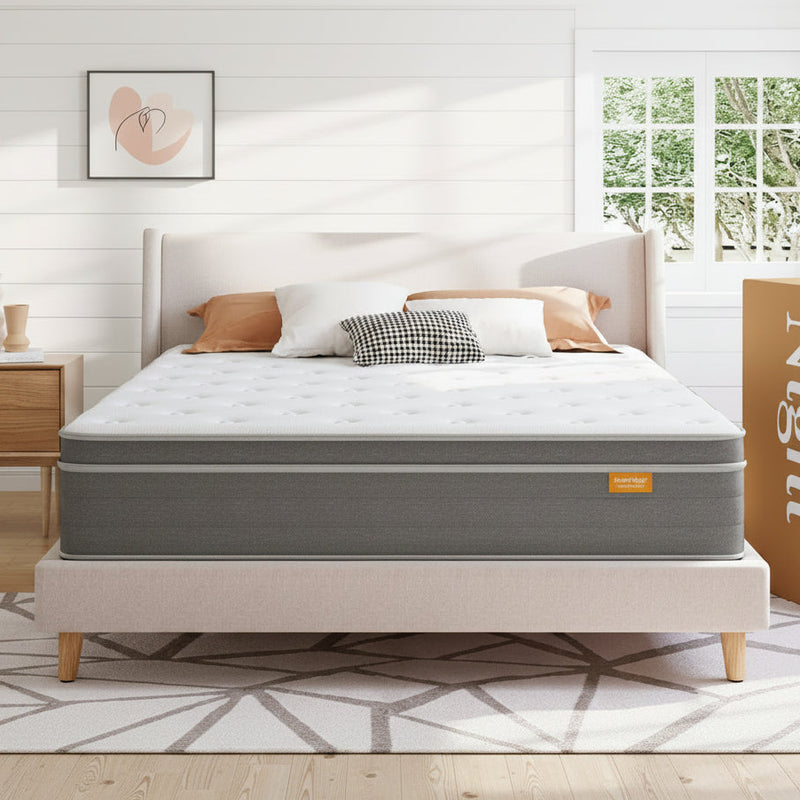
The fix isn’t to abandon foam — it’s to choose a mattress engineered to move heat instead of hoard it. Gel-infused foams, breathable covers, ventilated foam structures and coil layers that channel airflow all attack the trapped-heat problem at its source. A genuine cooling mattress is built around this idea: keep the contouring comfort, lose the heat.

Why Memory Foam Can Make You Sleep Hot
Memory foam deserves its own section because it’s both the most beloved mattress material and the most notorious for sleeping hot — and understanding why explains a lot.
Standard memory foam responds to heat and pressure by softening and molding around your body. That’s the whole appeal: it hugs you, relieves pressure points, and isolates motion so a restless partner doesn’t wake you. But that intimate, wrap-around contact is exactly what causes the heat problem. The more of your body the foam surrounds, the less air can circulate around your skin, and the more your body heat gets trapped against you. Traditional dense foam also has a closed structure that doesn’t let air pass through easily, so warmth accumulates layer by layer.
The industry has spent years engineering around this, and modern cooling memory foam is genuinely different from the stuff that gave foam its hot reputation a decade ago. Gel infusions absorb and redistribute heat. Open-cell structures let air move through the foam instead of sealing it in. Phase-change materials pull warmth away from your skin. Ventilation channels and breathable covers give the trapped heat a path out. The result is a mattress that still contours and relieves pressure like memory foam should, without turning into a heat sponge.

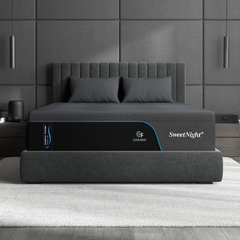
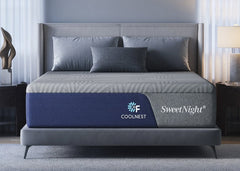
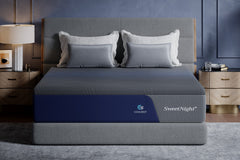
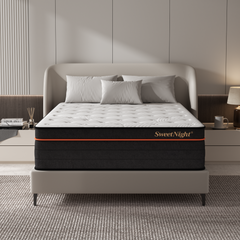
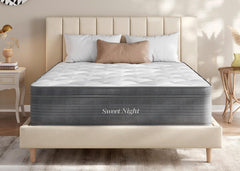
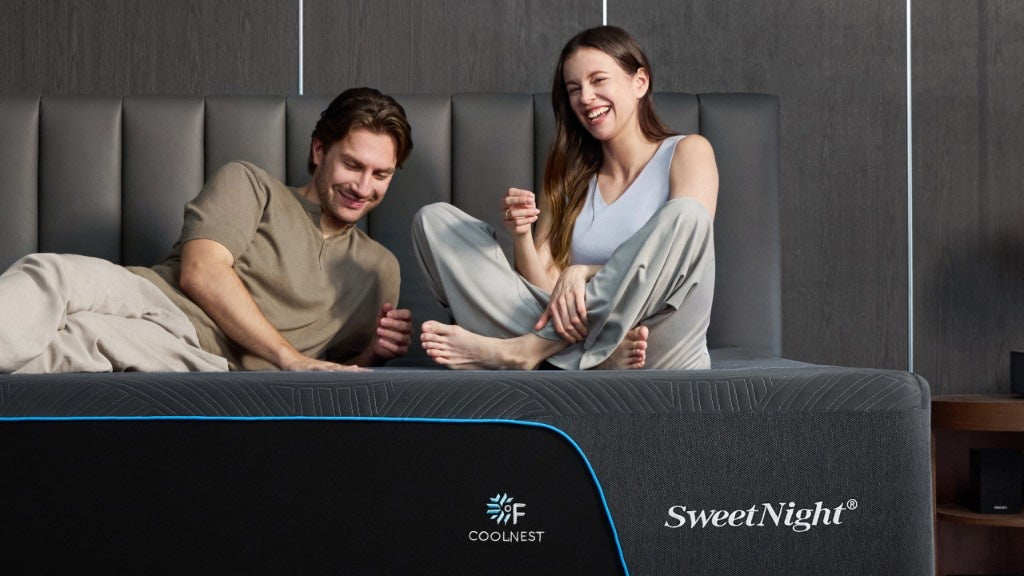
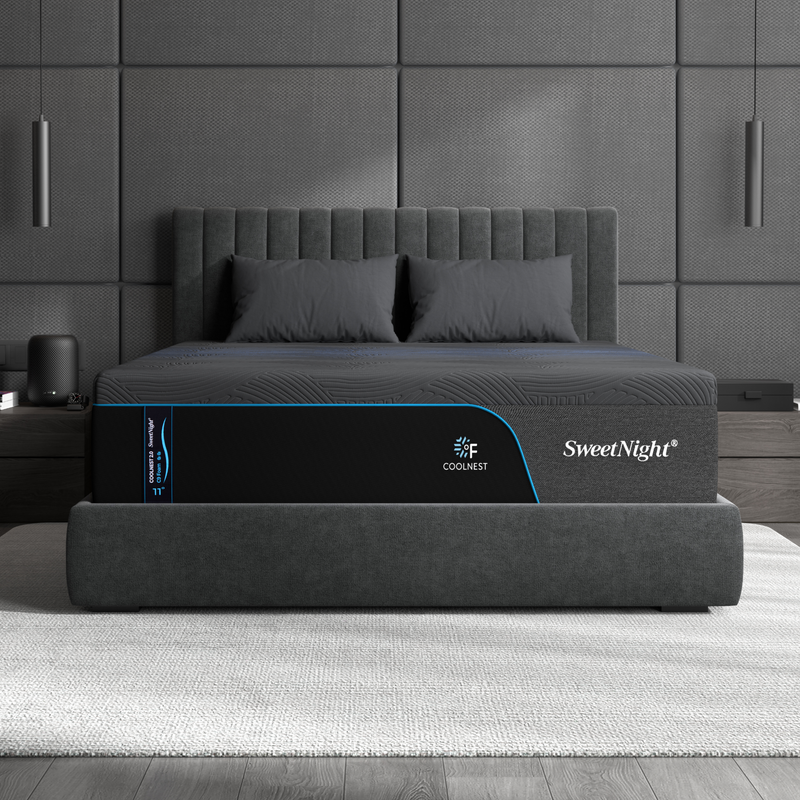
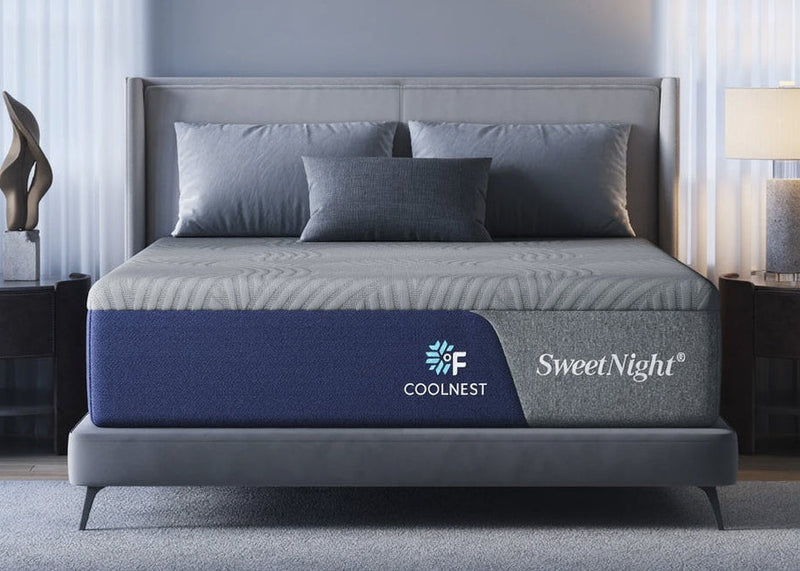
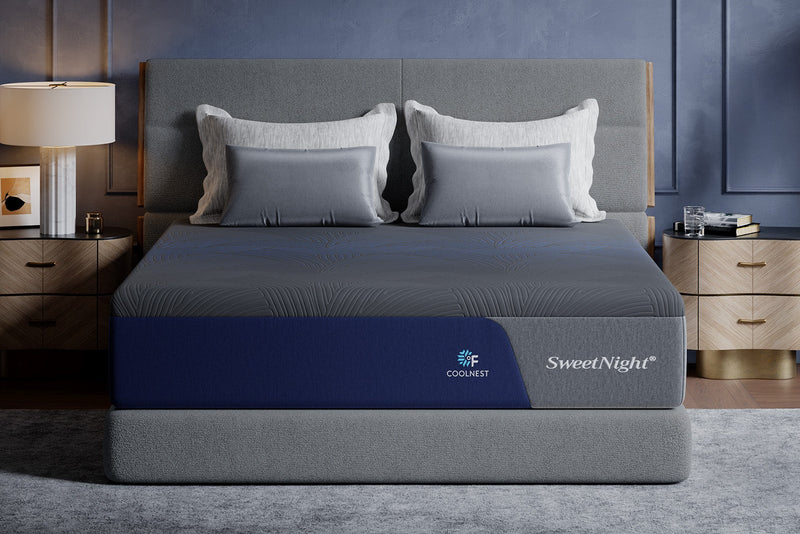
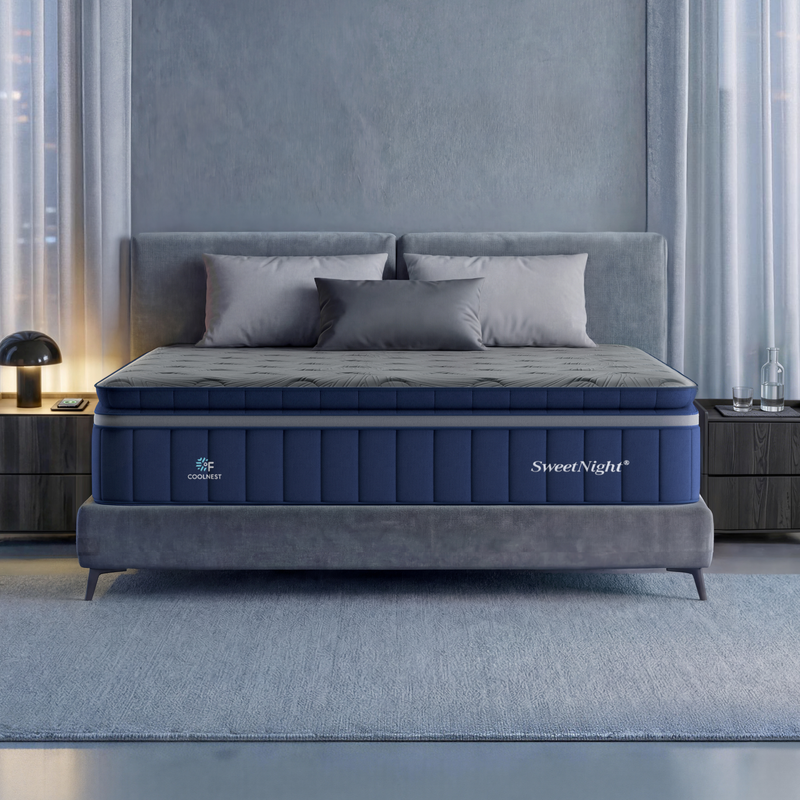
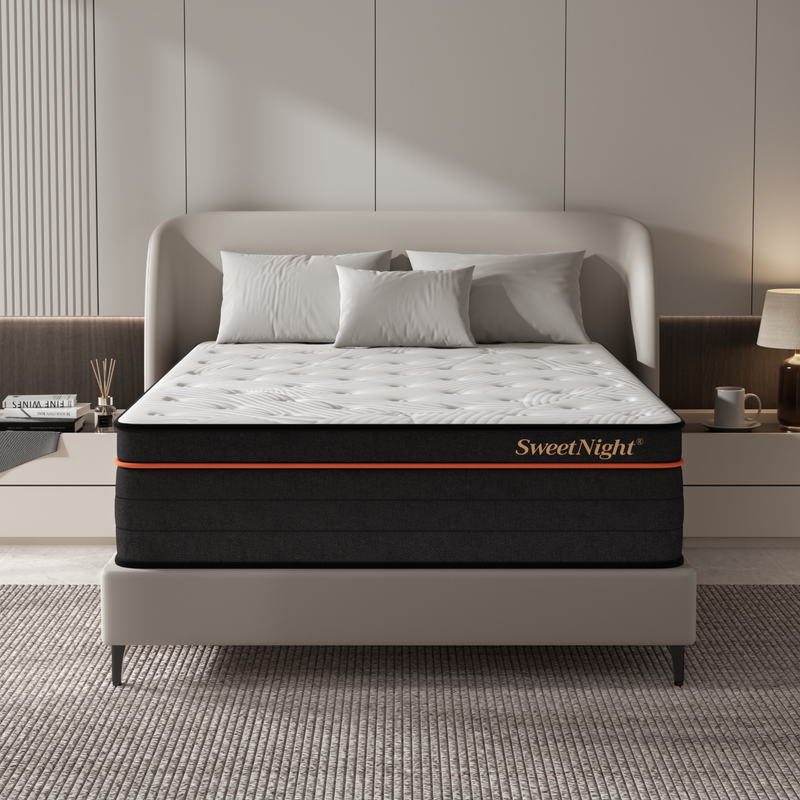
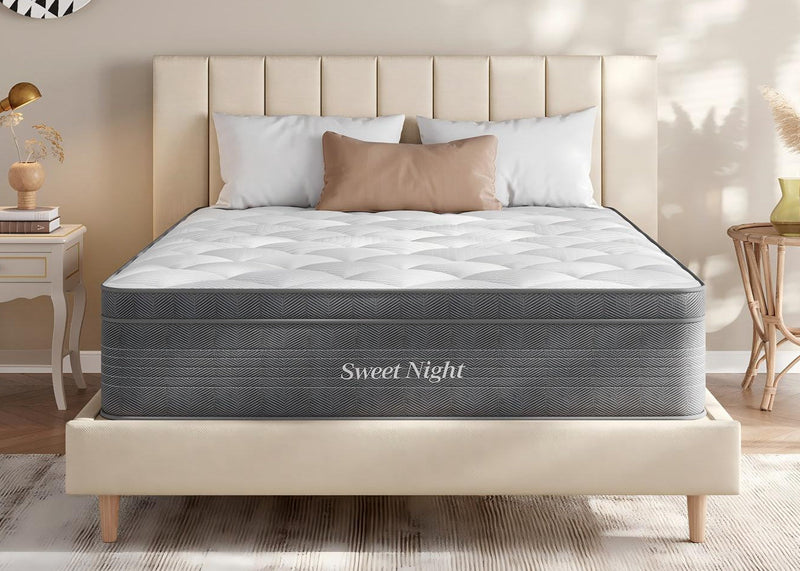
So if you love the feel of foam but hate waking up sweaty, you don’t have to give up one for the other. You just need foam built with cooling as a design priority rather than an afterthought. That’s the entire premise behind the CoolNest® Ultra — memory-foam comfort layered with gel, airflow and ventilation so the heat your body produces actually has somewhere to go.
How Bedding and Pajamas Cause Overheating
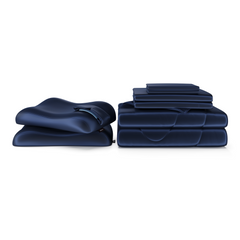
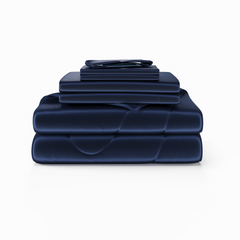
You can put a cooling mattress in a cold room and still sleep hot if you’ve wrapped yourself in the wrong fabrics. Bedding and sleepwear sit directly against your skin, and they decide whether your body heat and sweat escape or get trapped.
The main offenders are synthetics and heavy materials. Polyester sheets, fleece blankets and flannel pajamas all hold heat and block airflow. Worse, most synthetics don’t absorb moisture, so the sweat your body produces to cool itself just sits on your skin, leaving you clammy instead of cool.

What to reach for instead:
- Breathable, natural fibers. Cotton, linen and bamboo let air move and pull moisture away from your skin. Linen in particular is a hot sleeper’s best friend in summer.
- Lightweight, loose sleepwear — or less of it. Tight, thick pajamas trap a warm layer against you. Loose cotton or nothing at all lets heat dissipate.
- Layered bedding you can adjust. A couple of light layers you can kick off beats one heavy comforter you’re stuck with.
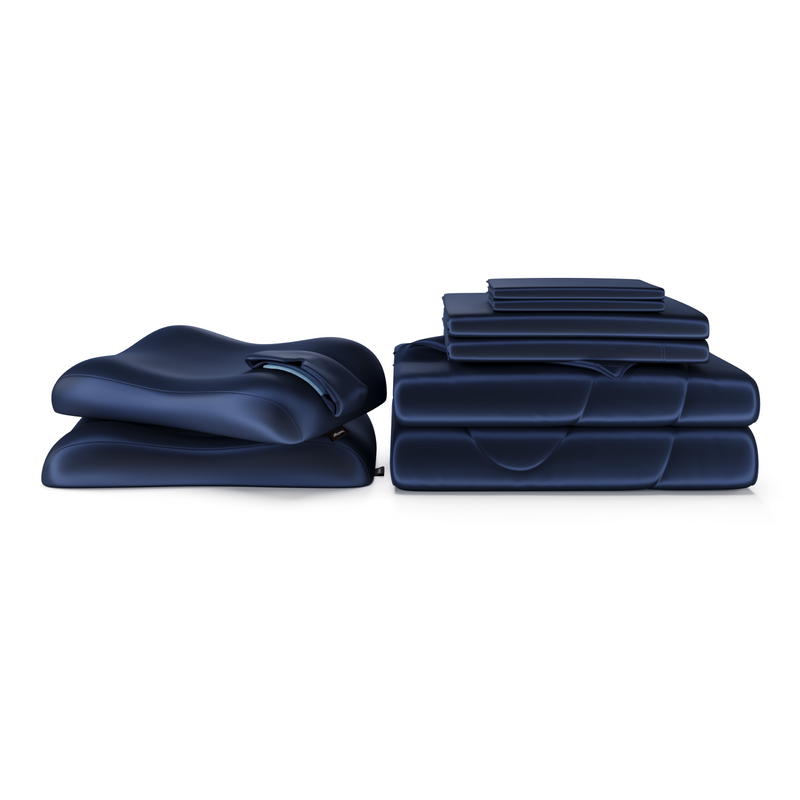
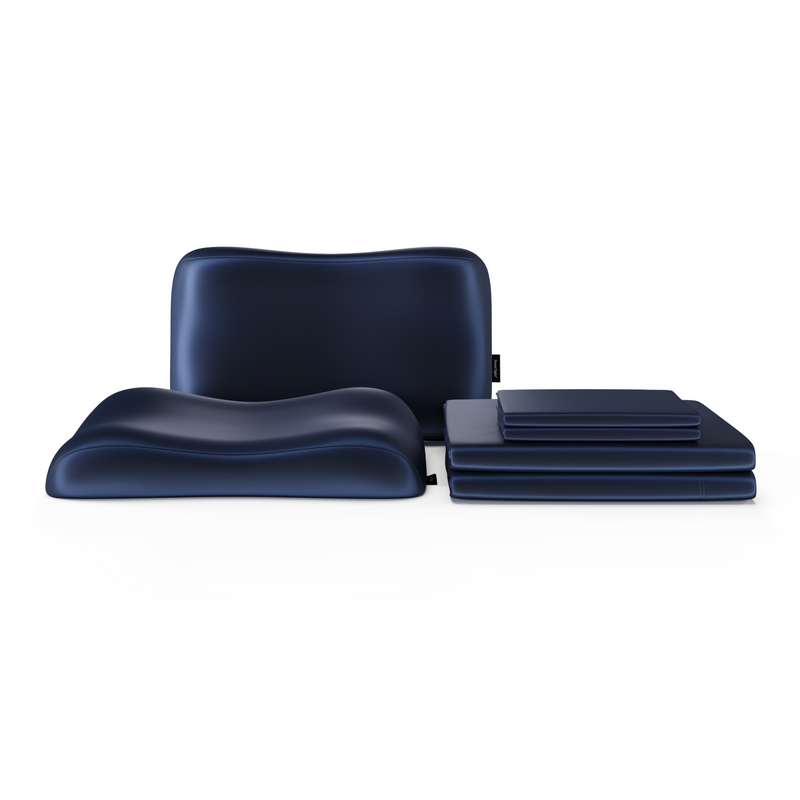
- A moisture-wicking mattress protector, since a thick, plasticky protector can undo the cooling of even the best mattress.
A couple of bedding myths are worth clearing up while we’re here. High thread count does not mean cooler — in fact, very high thread-count sheets are often tightly woven and less breathable, so a crisp percale cotton at a moderate thread count usually sleeps cooler than a dense “luxury” sateen. And weighted blankets, as popular as they are for anxiety, are a common hidden cause of overheating; that extra mass traps a lot of heat, so if you love yours but sleep hot, look for one made with breathable cotton fill and use it only part of the night. The lesson is that “premium” and “cooling” are not the same thing, and price tells you almost nothing about how a fabric handles heat.
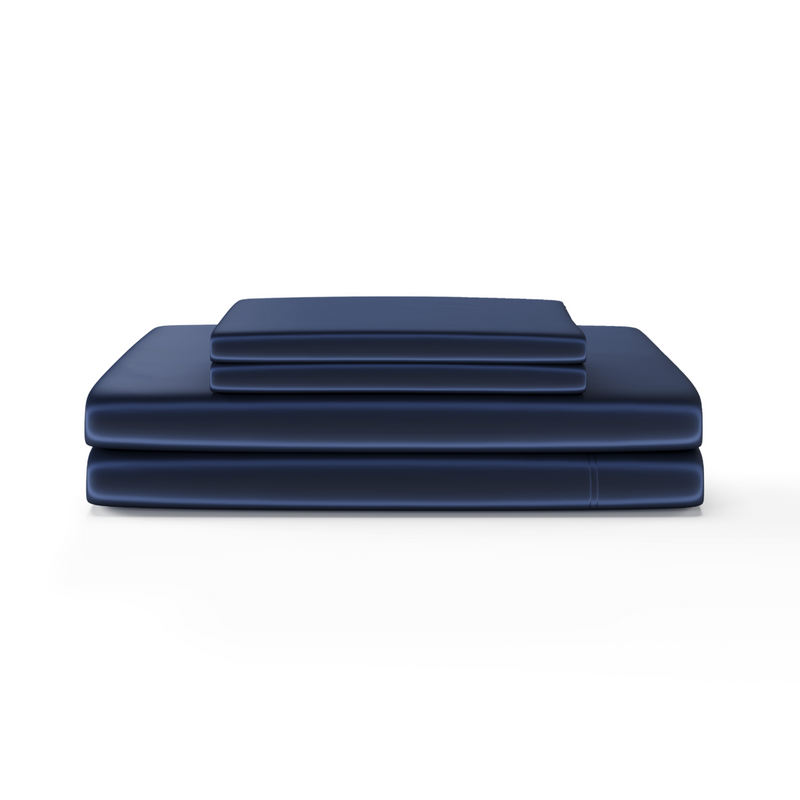
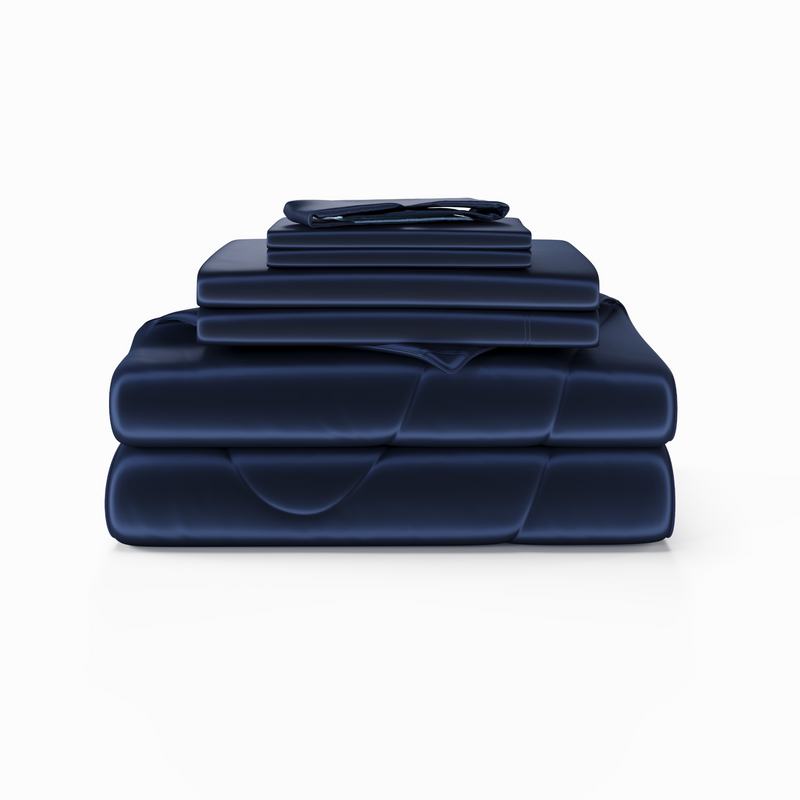
This is the cheapest lever you can pull. Before you blame your body or your bedroom, take an honest look at what you’re sleeping on and in. Swapping polyester sheets for breathable cotton or linen is a small change that a lot of hot sleepers feel on the very first night.
Hormones, Stress, and Night Sweats
Sometimes sleeping hot isn’t about the bed at all — it’s about what’s happening inside your body. Hormones and stress both have a direct line to your internal thermostat.
Hormonal shifts are one of the most common drivers of night sweats. Menopause and perimenopause are the classic examples, where dropping estrogen levels trigger hot flashes that can strike in the middle of the night. But hormones move for other reasons too — pregnancy, menstrual cycles, thyroid issues and certain medications can all turn up your internal heat.
Stress and anxiety work through a different pathway but land in the same place. When your mind is racing at night, your body stays in a low-grade fight-or-flight state. That raises your heart rate and your core temperature and makes it much harder to cool down into deep sleep. It’s why an anxious, stressful day so often turns into a hot, restless night.
Your own physiology sets a baseline too, and it explains why two people in the same bed can experience completely different nights. Muscle is metabolically active tissue that generates more heat, so more muscular, larger or heavier bodies often run warmer at rest. Metabolism, thyroid function and even how much you ate and drank that day all nudge your internal thermostat. This is also why one partner can be shivering while the other kicks off the covers — they’re not lying about how they feel, they’re genuinely running at different temperatures on the same surface. It’s a strong argument for a mattress that actively moves heat rather than one you’re both hoping stays neutral, because the cooler-running setup protects the hotter sleeper without freezing out the other one.

Then there are the everyday habits: alcohol close to bedtime widens your blood vessels and disrupts temperature regulation, a heavy late meal makes your body work (and warm) while it digests, and intense exercise too close to sleep keeps your core elevated. A cooling sleep setup helps enormously with all of this — it gives your body a fighting chance to shed heat even when hormones or stress are working against you. But if your night sweats are sudden, severe or new, it’s worth a conversation with a doctor to rule out an underlying cause rather than assuming it’s just the mattress.
Best Cooling Mattress Features for Hot Sleepers
If you’ve decided your bed is holding you back, it helps to know what actually makes a cooling mattress cool — because “cooling” gets slapped on a lot of products that don’t earn it. Real temperature regulation comes from a stack of features working together.
- Gel-infused foam. Gel absorbs and redistributes body heat instead of letting it build up in one spot.
- Breathable, open-cell structure. Foam that lets air pass through releases heat instead of sealing it in against you.
- Ventilation and airflow channels. Physical pathways that let warm air move out of the mattress and cool air move in.
- A breathable cover. The top layer touches your skin first; a cool-to-the-touch, airy cover sets the tone for the whole sleep surface.
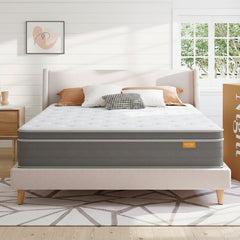
- Coil or hybrid layers. The gaps between coils create constant airflow that all-foam beds can struggle to match, which is why many hot sleepers lean hybrid.

One nuance worth knowing: firmness and cooling are connected in a way most shoppers miss. Softer, deep-contouring beds wrap more of your body, which reduces airflow around your skin and tends to sleep warmer. Firmer surfaces keep more of your body on top of the mattress rather than sunk into it, so air moves more freely and heat escapes more easily. That doesn’t mean you have to sleep on a plank to stay cool — but it does mean a hot sleeper who also loves a plush feel should lean especially hard on the other cooling features to compensate. If you want that soft, hugging feel without the heat, a gel-and-ventilation approach and a breathable cover are doing the heavy lifting, so don’t skimp on them.
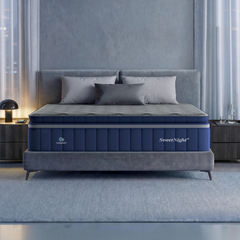
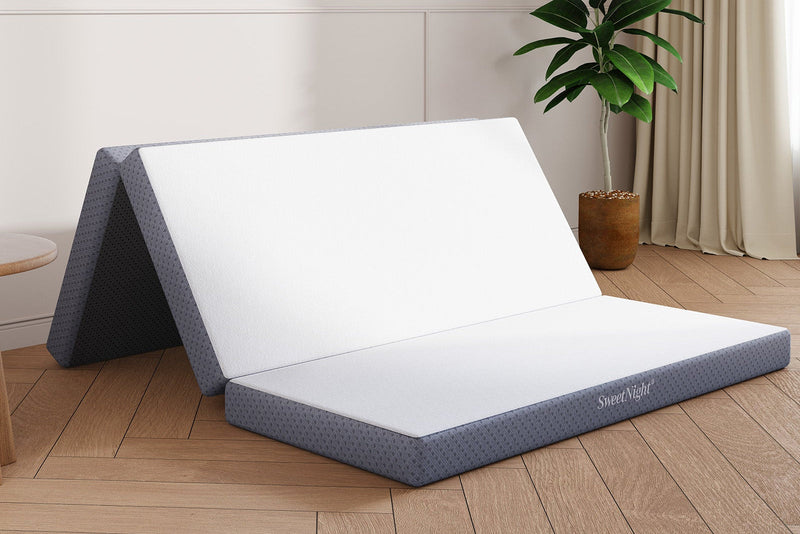
The best cooling beds combine several of these rather than relying on one gimmick. The CoolNest® Ultra, for instance, stacks a breathable AirMesh™ cover, gel memory foam and a ventilated structure so heat is pulled away at multiple layers — and the wider CoolNest® family offers both foam and hybrid builds so you can pick the cooling approach that fits how you sleep. When you’re shopping, look for that layered approach rather than a single “cooling” label.
How to Stop Sleeping Hot: Practical Fixes That Work
Let’s turn all of this into an actual plan. Here’s the order to work through if you want to stop sleeping hot at night, from the easiest wins to the bigger investments.
- Swap your bedding first. Move to breathable cotton or linen sheets, ditch the heavy synthetic comforter for adjustable light layers, and switch to loose cotton sleepwear. Cheapest fix, fastest result.
- Take a warm shower one to two hours before bed. It sounds backwards, but warming up then cooling down triggers your blood vessels to open and release core heat, so you’re primed to cool off by bedtime.
- Fix the airflow in your room. A fan doesn’t just lower temperature, it moves air across your skin so sweat can evaporate. Pair it with the AC rather than relying on the thermostat alone.
- Mind your evening habits. Ease off late alcohol, heavy meals and intense workouts close to bedtime.
- Upgrade the mattress if it’s the root cause. If your bed radiates heat and holds it, no amount of bedding tweaking fully fixes that. A mattress engineered to move heat is the change that finally makes the rest of these work.

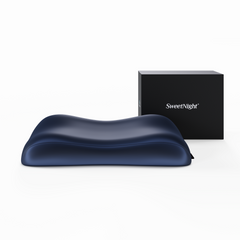
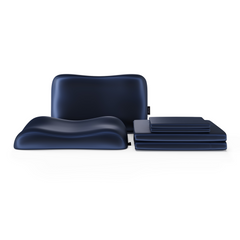
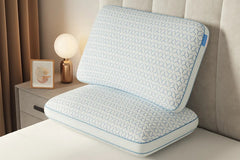
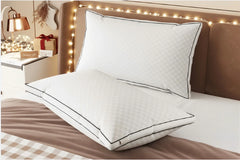
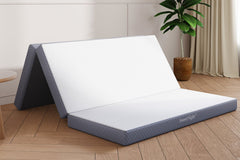
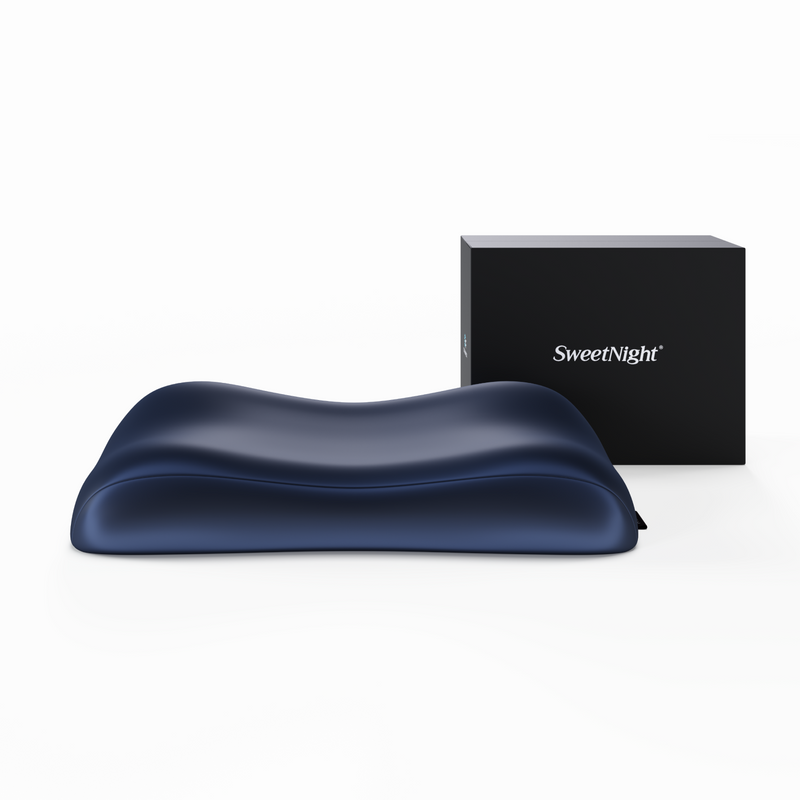
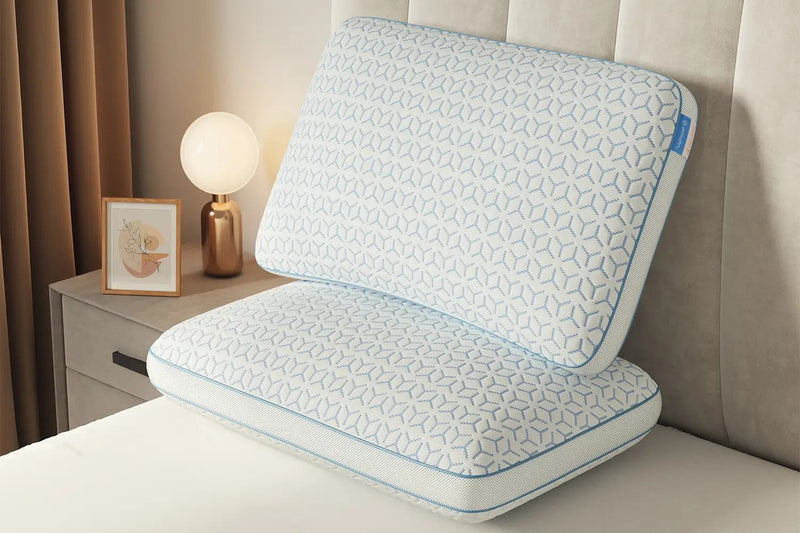
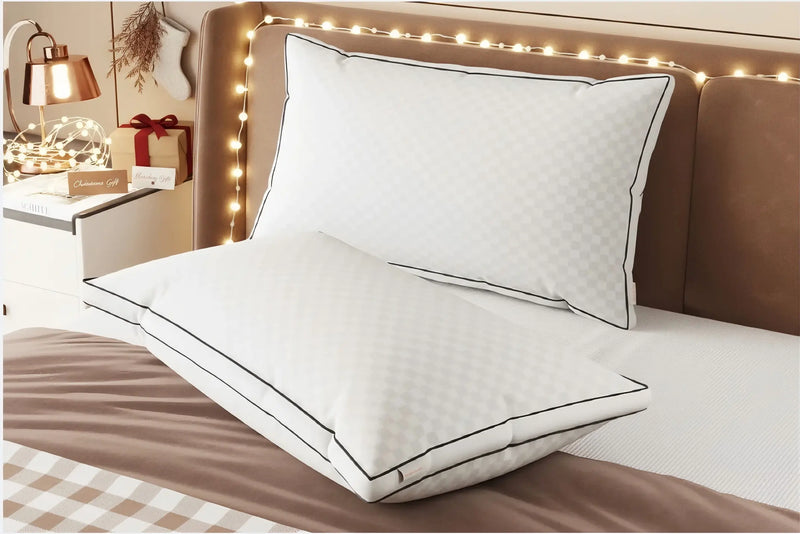
A few targeted accessories can bridge the gap while you sort out the bigger pieces. A cooling pillow makes a real difference because your head and neck are sensitive to temperature and a hot pillow alone can wake you — it’s no accident that “flip to the cold side” is a universal experience. A breathable, moisture-wicking mattress protector preserves your mattress’s cooling instead of smothering it. And in the height of summer, a cooling mattress topper or even a simple cotton mattress pad can add a breathable buffer between you and a heat-holding surface. None of these replace a genuinely cool mattress, but stacked with breathable bedding and good airflow they add up.
Most hot sleepers don’t need every fix — they need the two or three that address their specific weak point. Work down the list and you’ll find yours.
When Sleeping Hot Signals a Health Issue
The vast majority of the time, sleeping hot is an environment-and-bedding problem with a straightforward fix. But occasionally it’s a signal worth listening to rather than engineering around.
Talk to a doctor if:
- You have drenching night sweats that soak your sheets or sleepwear, night after night.
- The overheating started suddenly with no change to your room or bedding.
- It comes with other symptoms — unexplained weight loss, fever, a racing heart, or fatigue that sleep doesn’t fix.
- It lines up with a new medication, or with hormonal changes you want help managing.
Night sweats can occasionally point to infections, thyroid problems, blood-sugar swings or other conditions, so persistent, severe cases deserve a professional look rather than another set of sheets. For everyone else — which is most people — sleeping hot comes down to trapped heat you can absolutely fix. Give your body heat somewhere to go: breathable bedding, a bit of airflow, smarter evening habits, and a mattress built to release heat instead of hold it. Do that, and 68 degrees on the thermostat will finally feel like 68 degrees where it counts — against your skin, all night long. The people who finally beat this rarely do it by making the room colder and colder; they do it by fixing the surface and the fabrics that were quietly trapping heat the whole time. Once the heat has an exit, your body does what it’s built to do — cool down, settle, and stay asleep — and you stop waking up at 3 a.m. hunting for the cold side of the pillow.