
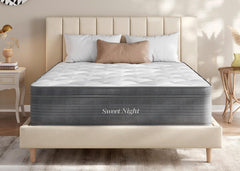
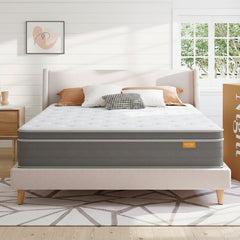










Memory foam has a bit of a split reputation. Ask around and half the people you talk to will swear by it — the way it cradles a sore shoulder, the way it soaks up a partner’s tossing and turning so you never feel it. The other half will make a face and say the same thing: “It slept way too hot.” If you’ve ever sunk into a memory foam mattress that felt cozy at midnight and like a warm sponge by 3 a.m., you already know which camp that puts you in. And you’re not imagining it — there’s real material science behind why memory foam can feel hot during sleep.
The good news is that once you understand why the material traps heat, the whole thing stops feeling like some mysterious flaw you just have to live with. Heat retention in foam is a design problem, and design problems have fixes. Let’s get into what’s actually happening between your body and that foam, why some memory foam runs so much hotter than others, and what you can do about it whether you’re shopping for a new bed or stuck with a warm one you already own.
Why Does Memory Foam Feel So Hot at Night?
The short answer: traditional memory foam is a dense, closed material that hugs your body and chokes off airflow, so the heat you produce all night has almost nowhere to escape. It builds up in the little pocket between your skin and the foam, and eventually radiates right back at you.
To understand it, picture what memory foam is actually doing. Unlike a springy innerspring or a bouncy latex bed that keeps most of your body on top of the surface, memory foam is built to let you sink in. It molds around your shoulders, your hips, the curve of your lower back. That deep contouring is the entire selling point — it’s why the material feels so pressure-relieving and cradling. But every square inch of foam wrapped around your body is an inch of skin that no longer has air moving across it.
Airflow is how your body sheds heat. When air can circulate around your skin, warmth and moisture lift away and you stay cool. When foam seals that air off, you’ve created a sealed micro-environment that traps both the heat and the sweat. So the same quality that makes memory foam feel so good — how much of you it surrounds — is the exact quality that makes cheaper, denser foam sleep hot. It’s not a manufacturing defect. It’s baked into how the classic material works, and it’s why “does memory foam sleep hot” is one of the most-searched mattress questions out there.

The Science: How Viscoelastic Foam Traps Body Heat
Memory foam’s technical name is viscoelastic polyurethane foam, and that mouthful actually explains the heat problem better than any marketing copy. “Viscoelastic” means the material responds to two things: pressure and temperature. Press on it and it slowly gives way. Warm it up and it softens and molds even more. That temperature sensitivity is central to how it feels — and central to why it gets hot.
Here’s the chain of events. You lie down, and your body heat begins warming the surface of the foam. As the foam warms, it softens and you sink in deeper. As you sink deeper, more of your body is surrounded by foam, which cuts off more airflow, which traps more heat, which warms the foam further… you can see where this is going. Traditional memory foam has a mild feedback loop built into it: heat makes it hug you more, and hugging you more makes it hold heat.

On top of that, standard memory foam has a closed-cell structure at a microscopic level — the tiny cells that make up the foam are packed tightly with limited pathways for air to pass through. Dense foam is basically an insulator, the same way a thick blanket is. It’s good at holding temperature in place, which is wonderful for a coffee cup and terrible for a mattress you’re trying to stay cool on. All that body heat you dump into the foam over the first couple of hours has to go somewhere, and in a dense closed-cell block, “somewhere” ends up being right back into you.
It’s worth appreciating just how good foam is at insulating, because it reframes the problem. The reason memory foam was originally developed — famously for aircraft seating — was its ability to absorb energy and cushion, not to breathe. Breathability was never the point; comfort under pressure was. So the classic recipe optimizes for exactly the property that fights against cooling. When you lie on it, you’re essentially wrapping yourself in a made-to-measure insulating blanket that also happens to soften and cling more the warmer it gets. Every quality that makes the hug feel special is, from a thermodynamics standpoint, a quality that keeps heat parked against your skin. That’s not a knock on the material — it’s just the trade-off the earliest foam beds never solved, and the reason engineers had to go back and redesign the material specifically to let it breathe.
Does All Memory Foam Retain Heat, or Just the Cheap Stuff?
This is where the reputation gets unfair, because not all memory foam sleeps hot — and lumping every foam bed together is a mistake shoppers make constantly. The heat you experience depends heavily on density, cell structure and what the foam has been engineered with.
Older and budget memory foam tends to be the worst offender: high-density, closed-cell, no cooling additives, poured into a solid slab with a heat-trapping cover on top. That’s the foam that earned the material its sweaty reputation a decade or more ago, and unfortunately a lot of cheap online mattresses still use exactly that recipe because it’s inexpensive to make.
Modern cooling foam is genuinely a different animal. Manufacturers have spent years attacking the heat problem from several directions at once:
- Open-cell foam is structured so the internal cells connect and let air move through the material instead of sealing it in.
- Gel-infused memory foam mixes in gel beads or swirls that absorb and pull heat away from where your body concentrates it.
- Plant-based and lower-density formulations often breathe better than dense petroleum-based foam.
- Phase-change materials in the cover actively draw warmth off your skin, feeling cool to the touch.

So “memory foam sleeps hot” is true of traditional memory foam and increasingly false of well-engineered modern foam. If you tried a foam bed years ago and swore off the material forever, you’d be surprised at how differently a purpose-built cooling mattress handles heat today. The trick is knowing which features to look for, which we’ll get to.
Why Memory Foam Feels Hotter in Summer and Warm Rooms
If your memory foam mattress feels perfectly fine in January and unbearable in July, that’s not in your head — it’s the temperature-sensitivity of viscoelastic foam showing up seasonally. Remember that memory foam softens as it warms. In a cool bedroom, the foam stays firmer, you sink in less, and more of your body stays near the surface where air can reach it. In a hot, humid bedroom, the foam is already warm before you even lie down, so it’s softer, you sink in deeper, and the airflow-choking effect is worse from the first minute.
Humidity makes it doubly rough. Your body’s main cooling tool is evaporation — sweat lifts off your skin and carries heat with it. But dense foam holds moisture against you, and if the surrounding air is already muggy, that sweat can’t evaporate. So a summer night on unventilated foam becomes hot and clammy, the sweat just sitting there instead of doing its job. This is why so many people describe their foam bed as fine in winter and swampy in summer, and why they end up cranking the AC lower and lower without ever really fixing it.

It also explains a complaint you’ll see over and over in mattress forums: “I sink in more and sleep hotter as the night goes on.” That’s the feedback loop from earlier playing out in real time. The longer you lie there, the warmer the foam gets, the deeper you settle, the less air reaches your skin. A mattress that manages heat well breaks that loop; a plain dense-foam bed just rides it downhill until you wake up throwing off the covers.
How Body Heat Gets Trapped Between You and the Foam
Let’s zoom in on the actual boundary where the heat problem lives — the thin layer of air (or lack of it) right where your skin meets the mattress. This is the battleground, and understanding it makes every fix later make sense.
Your body radiates heat continuously through the night, and it does something surprising as you fall asleep: to trigger sleep, your core temperature drops, and to lower that core temperature your body pushes warmth outward to the skin and releases it into the surface beneath you. In other words, the very act of falling asleep dumps a wave of heat straight into your mattress. On a breathable surface, that heat disperses and moves on. On dense foam, it gets absorbed and stored.
Because the foam wraps around you, there’s barely any open air at the contact points to carry that heat away. So it accumulates in the foam layer directly under and around you. Foam is a slow conductor — it doesn’t spread heat sideways quickly — so the warmth concentrates right where your body is instead of dissipating across the whole mattress. That’s why the spot you’ve been lying in stays hot when you roll over: the foam soaked up your heat and is holding it in place, and you’ve just moved onto a fresh patch that will do the same thing in twenty minutes. Chasing cool patches around your own bed all night is one of the most recognizable signs of a heat-trapping foam mattress.

Off-Gassing and That “New Foam” Warmth
There’s a specific kind of heat complaint that hits brand-new memory foam beds, and it’s worth separating from the permanent stuff because it actually goes away. When a memory foam mattress is first unboxed — especially a bed-in-a-box that’s been compressed and rolled — it releases trapped gases as it expands, a process called off-gassing. That’s the “new mattress smell” people notice for the first few days.
During that break-in window, a new foam bed can feel warmer than it will once it’s fully settled, partly because the foam is still expanding and partly because a fresh dense slab hasn’t developed the little surface irregularities and airflow paths it’ll have after some use. If you’ve had a memory foam mattress for less than a couple of weeks and it feels hot, give it time to fully decompress, air out the room, and see where it lands. Some of that initial warmth genuinely fades.
But — and this is the important part — if your foam bed is still sleeping hot a month or two in, that’s not off-gassing anymore. That’s the material’s baseline behavior, and no amount of waiting will change it. People sometimes talk themselves into tolerating a permanently hot mattress by assuming it’s “still breaking in.” A useful rule of thumb: temporary new-foam warmth resolves within the first few weeks; structural heat retention doesn’t. If month three still has you sweating, the foam itself is the issue, not the newness.

Signs Your Memory Foam Mattress Is Trapping Heat
Not sure whether your foam bed is genuinely the problem or whether it’s your bedding, your room, or your own body? Here are the tells that point specifically at the mattress:
- You feel warmth radiating up from the surface within minutes of lying down, and it never really goes away.
- The spot where you’ve been lying stays hot when you roll to a new position — the foam is holding your heat.
- You sink in noticeably deeper as the night goes on, and feel hotter the deeper you sink.
- You sleep cooler on top of the covers, or noticeably cooler on a different, springier bed at a hotel or a friend’s place.
- Cranking the AC helps only a little, no matter how low you set it, because you’re cooling the room and not the foam.
- Summer is dramatically worse than winter on the same mattress.

If several of those ring true, your foam is a heat sponge and the fix has to involve the mattress itself, not just another set of sheets. If only one or two apply, it might be a bedding-and-airflow tweak instead — worth trying the cheaper fixes first before assuming you need a new bed. Being honest about which bucket you’re in saves you either money or a lot of wasted nights.
How Cooling Memory Foam Fixes the Heat Problem
Here’s the encouraging part: the mattress industry didn’t just accept that foam sleeps hot — it engineered around every part of the problem. A well-built cooling memory foam mattress attacks heat at multiple layers instead of relying on one gimmick, and understanding the toolkit helps you shop smarter.
- Open-cell foam structure replaces the sealed closed-cell block with connected cells that let air move through the material, so heat isn’t trapped in place.
- Gel infusions absorb and redistribute body heat instead of letting it pool where you press hardest.
- Ventilation channels cut physical pathways into the foam so warm air can move out and cooler air can move in.
- Breathable, cool-to-the-touch covers — often knit meshes or phase-change fabrics — handle the very first layer of contact with your skin.
- Layered or hybrid construction pairs the comfort of foam on top with a more breathable support layer underneath, giving heat somewhere to go.

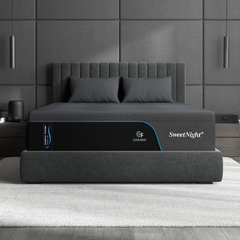
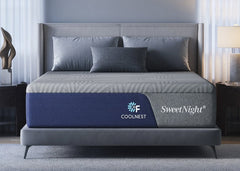
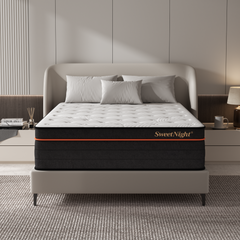
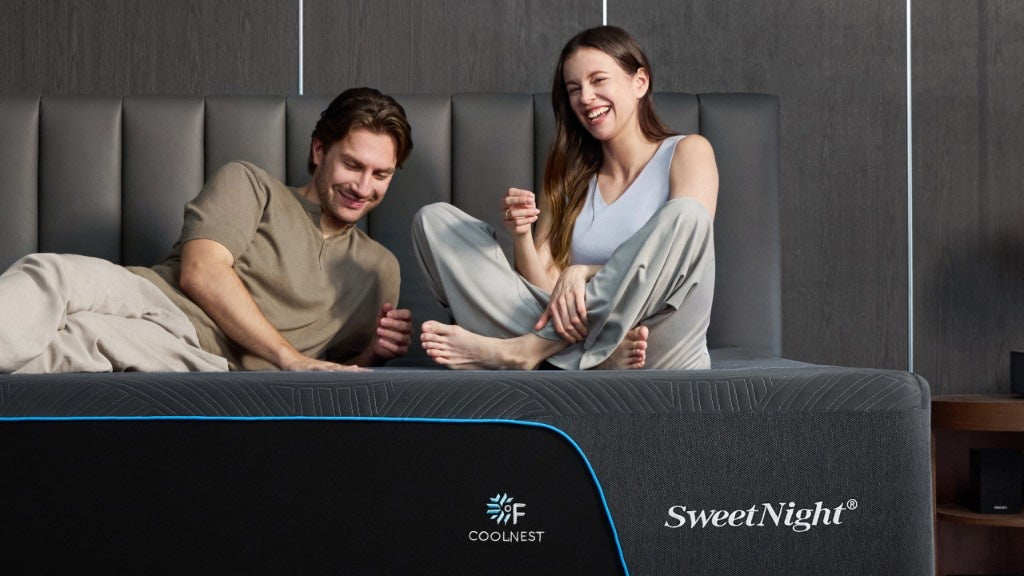
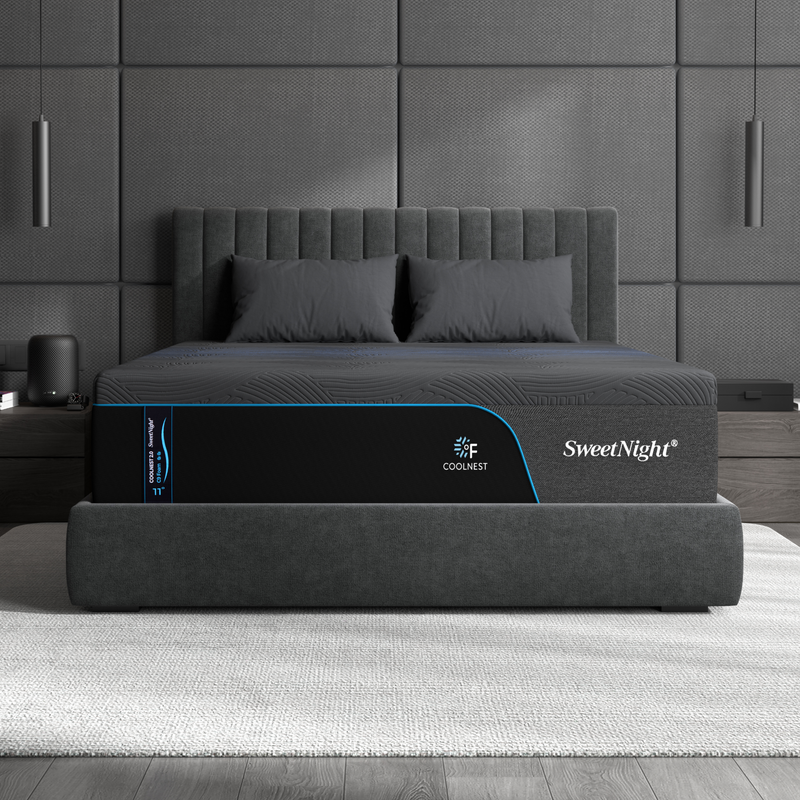
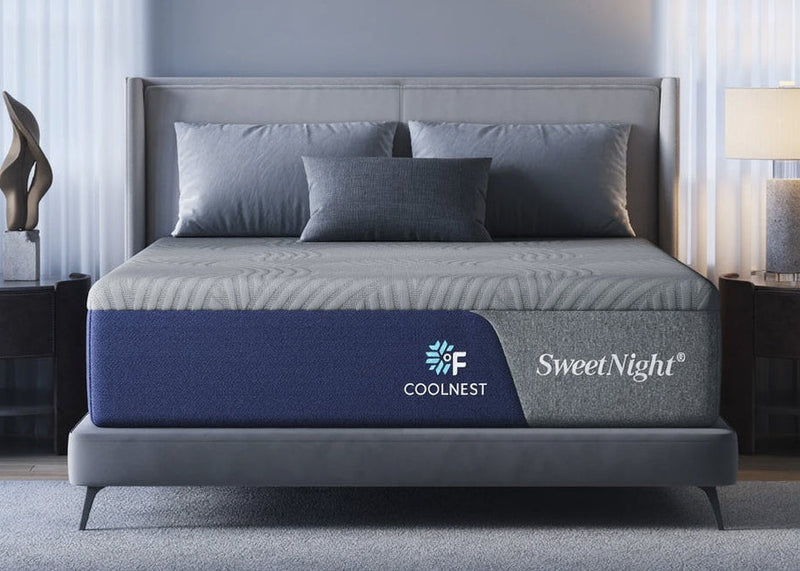
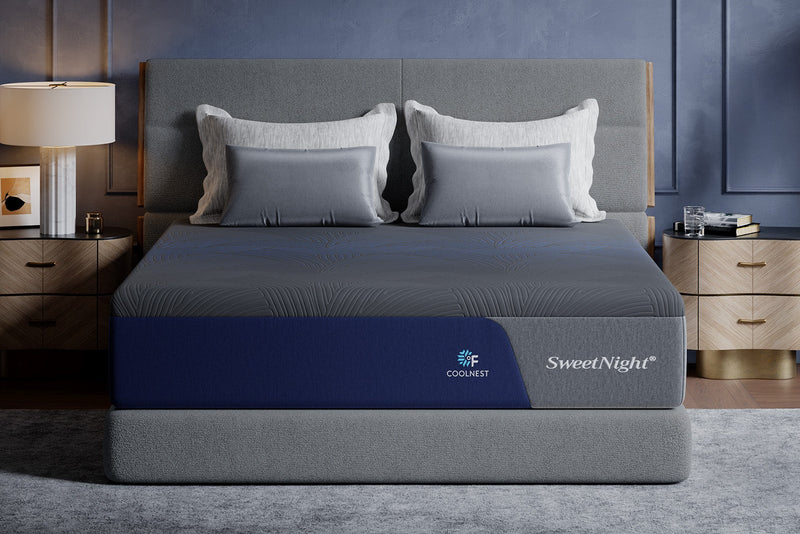
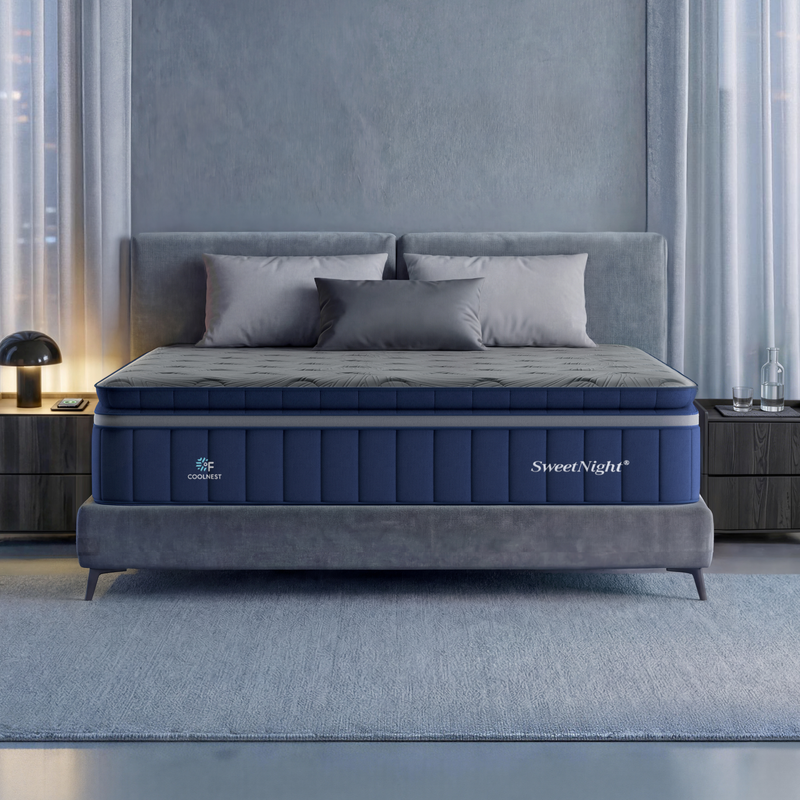
The key is that these features work together. A single “cooling” label on an otherwise dense foam bed is mostly marketing; genuine temperature regulation comes from stacking several of these approaches. The CoolNest® Ultra is a good illustration of the layered idea in practice — it combines a breathable AirMesh™ cover, gel memory foam and a ventilated internal structure so the heat your body produces is pulled away at several points instead of one. You keep the contouring, pressure-relieving feel that made you want foam in the first place; you just lose the part where it bakes you.
Practical Fixes if You Already Own a Hot Memory Foam Bed
Maybe a new mattress isn’t in the cards this month. You can still take real bites out of the heat with your existing foam bed by giving that trapped warmth an exit. Work through these roughly in order of cost:
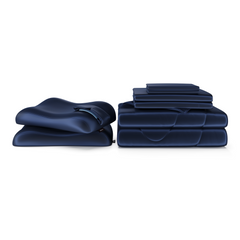
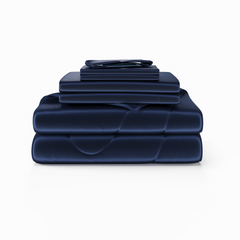
- Swap your bedding first. Move to breathable cotton, linen or bamboo sheets and ditch heavy synthetic comforters. Fabrics that wick moisture and let air move can undo a surprising amount of a foam bed’s stuffiness. This is the cheapest, fastest win.
- Add a breathable mattress topper or pad. A cotton or wool pad, or a topper built for airflow, puts a buffer between you and the heat-holding foam. Skip thick, plasticky waterproof protectors — they seal heat in and undo everything else.
- Get air moving. A fan doesn’t just lower the room temperature, it moves air across your skin so sweat can actually evaporate. Pair it with your AC rather than relying on the thermostat alone.
- Improve airflow under the bed. A slatted foundation lets the underside of the foam breathe far better than a solid platform or the floor, which can trap heat (and moisture) beneath the mattress.
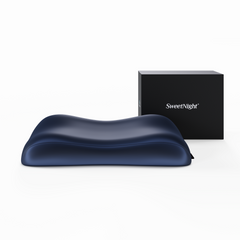
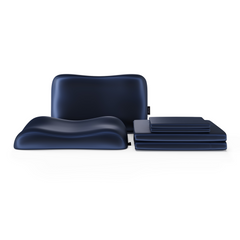
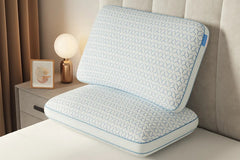
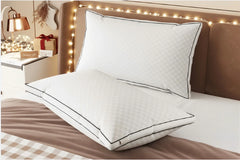
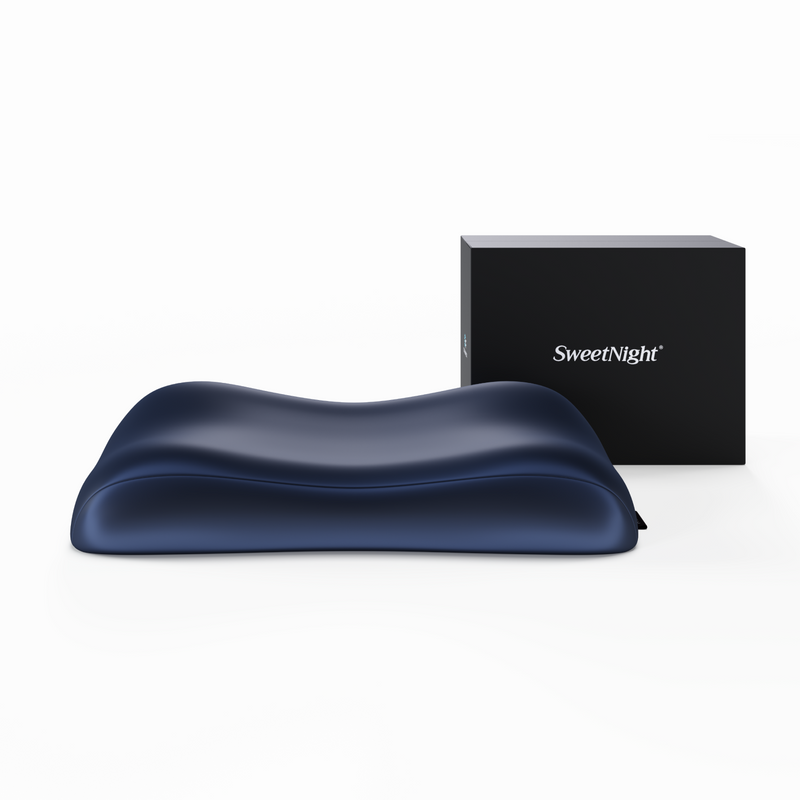
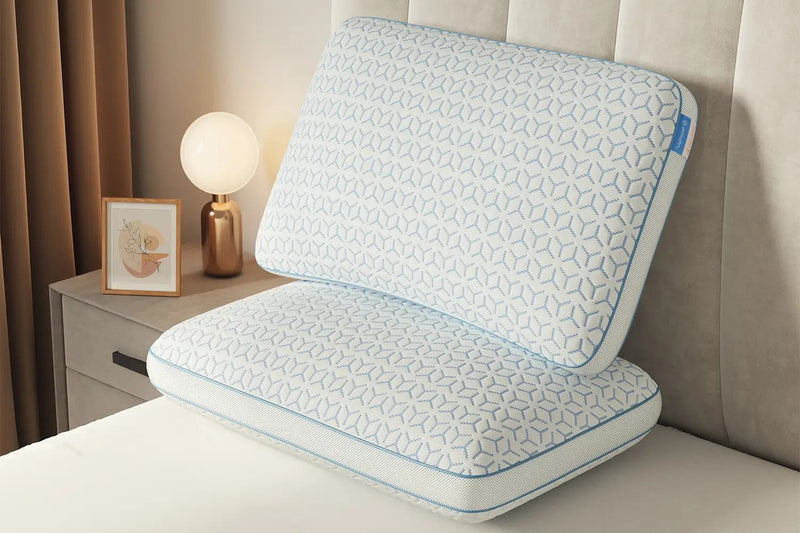
- Use a cooling pillow. Your head and neck are temperature-sensitive, and a hot pillow alone can wake you. It’s a small change that punches above its weight.

Stack a few of these and even a mediocre foam bed becomes tolerable through most of the year. What they can’t do is fully overcome a genuinely heat-trapping slab in peak summer — there’s a ceiling to how much bedding can compensate for the surface underneath it. But as a bridge while you save up, they buy you real, cooler nights.
One thing worth flagging, because people try it and get frustrated: a fabric “cooling” topper marketed with a cool-to-the-touch cover will feel great for the first few minutes and then warm up like everything else, because it can’t vent the heat — it just delays it. The toppers that actually help over a whole night are the breathable, airy kind (wool, cotton, a genuinely ventilated design) that keep letting air move, not the ones that simply feel cold when you first touch them. That initial chill is a first-contact trick, not sustained cooling, and knowing the difference saves you buying the wrong thing twice. The same logic applies to those gel pads that feel icy in the store — great for a short nap, useless against hours of accumulated body heat.
Choosing a Memory Foam Mattress That Actually Sleeps Cool
If you’ve decided the foam itself has to go, the goal is to buy a bed engineered for temperature from the ground up rather than one with “cooling” slapped on the label. Here’s what to look for and what to ignore.
Prioritize construction over buzzwords. Ask whether the comfort foam is open-cell and gel-infused, whether there are ventilation channels, and what the cover is made of. A breathable knit or phase-change cover, gel foam and a ventilated or hybrid build is the combination that reliably sleeps cool. Be skeptical of a dense all-foam bed that leans on a single “cooling gel” mention with nothing else behind it.

Think about firmness too, because it interacts with cooling in a way most shoppers miss. Softer, deep-contouring foam wraps more of your body and sleeps warmer; a slightly firmer feel keeps more of you on top of the surface where air can reach your skin. If you love a plush feel but run hot, lean especially hard on the other cooling features to make up for it. And if you’re a genuinely hot sleeper who also shares the bed, a hybrid or heavily ventilated build is usually the safer bet than a plush all-foam one.
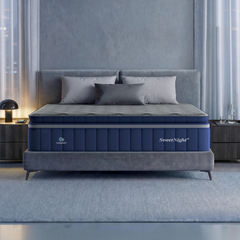
Finally, use the trial period. Temperature is one of the few mattress qualities you truly can’t judge in a showroom — you have to sleep a full night, ideally several, to know how a foam bed handles your body heat over hours. A generous at-home trial is your real test. If you want a shortlist to start from, the memory foam mattress and CoolNest® family collections are built specifically around this problem, with both all-foam and hybrid options so you can match the cooling approach to how you actually sleep. Memory foam and staying cool aren’t opposites anymore — you just have to buy the version that was designed to prove it.