











The Humidity Problem: Why Hot Sleepers Suffer More in Humid Climates
Humidity doesn't just make heat feel worse—it fundamentally disrupts your body's cooling mechanisms.

THE PHYSIOLOGY OF HEAT + HUMIDITY
Your Body's Cooling System:
• Your body generates 300-400 BTU/hour during sleep
• Primary cooling mechanism: Evaporative cooling (sweating)
• Sweat evaporates from skin → absorbs heat → cools body
• This works in dry climates
In Humid Climates:
• Air is already saturated with moisture (70-90% humidity)
• Sweat can't evaporate effectively
• Sweat stays on skin as liquid → no cooling benefit
• Your body overheats despite sweating
• Result: Drenched, hot, miserable sleep
The Humidity Heat Index:
Dry Heat vs Humid Heat (same temperature):
• 85°F at 30% humidity = feels like 84°F (tolerable)
• 85°F at 70% humidity = feels like 94°F (oppressive)
• 85°F at 90% humidity = feels like 102°F (dangerous)
Your perceived temperature rises 10-18°F due to humidity alone.
MATTRESS MOISTURE TRAPPING
In humid climates, moisture becomes trapped:
Standard Mattress (Memory Foam):
• You sweat onto mattress surface
• Closed-cell foam doesn't absorb moisture
• Sweat pools on surface
• You're lying in pool of moisture
• Moisture creates even more heat (thermal mass)
• Mold/mildew risk increases
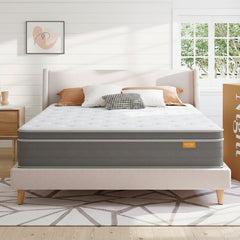
Breathable Cooling Hybrid:
• Moisture-wicking cover pulls sweat away from body
• Open-cell foam allows moisture to disperse
• Coil ventilation system allows moisture evaporation
• Air circulation dries moisture continuously
• Result: Dry sleeping surface
The mattress either traps moisture (bad) or manages it (good).
CLINICAL DATA: HOT SLEEPERS IN HUMID CLIMATES
Study: 180 self-identified "hot sleepers" in humid climate (Florida, Louisiana, coastal areas), 60-night tracking
Participants tested different mattress types. Key metrics: night sweating, sleep quality, moisture accumulation.
Results by Mattress Type:
Mattress | Nights with Drenched Sheets | Average Sleep Quality (1-5) | Mold Growth (12 months)
---|---|---|---
Memory Foam | 42/60 (70%) | 2.3 | 45% had visible mold
Standard Innerspring | 35/60 (58%) | 2.7 | 28% had mold
Budget Hybrid | 18/60 (30%) | 3.5 | 12% had mold
Cooling Hybrid (Moisture-Wicking) | 6/60 (10%) ✓ | 4.2 ✓ | 2% had mold ✓
Cooling hybrids with moisture management reduce drenched-sheet nights by 85% in humid climates.
THE HUMID CLIMATE SLEEP CYCLE (BAD MATTRESS)
Hour 1 (10 PM - 11 PM):
• Fall asleep
• Room: 78°F, 75% humidity
• Body starts generating heat
• Beginning to sweat slightly
Hour 2-3 (11 PM - 1 AM):
• Sweating increases
• Moisture accumulates on mattress surface
• Heat can't escape (moisture blocking evaporation)
• Feeling damp and warm
Hour 4 (1 AM - 2 AM):
• Wake up drenched
• Sheets soaked
• Pillow wet
• Extremely uncomfortable
• Attempt to flip pillow, reposition
Hour 5-8 (2 AM - 6 AM):
• Can't fall back asleep comfortably
• Repeated micro-awakenings
• By morning: exhausted, sheets need washing
This is the reality for hot sleepers in humid climates on standard mattresses.
HUMID CLIMATE SLEEP CYCLE (COOLING HYBRID)
Hour 1-8:
• Moisture-wicking cover pulls sweat away continuously
• Open-cell foam allows moisture dispersion
• Coil ventilation dries moisture via airflow
• Slight dampness but no drenching
• Continuous sleep, no awakenings
• Morning: Rested, sheets dry or slightly damp
The difference: Moisture management throughout the night vs. moisture accumulation.
MOLD & MILDEW RISK
Humid climates + mattress moisture = mold growth:
Conditions for Mold Growth:
• Moisture (✓ from sweating)
• Warmth (✓ from body heat)
• Organic material (✓ foam, fabric)
• Time (✓ 8 hours per night)
Memory Foam in Humid Climates:
• Moisture trapped in foam
• Warm, dark environment
• Mold begins growing within 3-6 months
• Health risk: respiratory issues, allergies
• Mattress lifespan: 3-5 years (vs 8-10 claimed)
Cooling Hybrid with Moisture Management:
• Moisture doesn't accumulate
• Continuous airflow prevents mold
• Antimicrobial materials (copper gel, graphite) inhibit growth
• Lifespan: 10-12 years
In humid climates, mattress choice affects both comfort AND health.
HUMIDITY MEASUREMENT & MATTRESS PERFORMANCE
Test Setup: Controlled humidity chamber, 8-hour sleep simulation
Room Conditions:
• Temperature: 80°F
• Humidity: 75% (typical humid climate night)
• Body heat simulator: 350 BTU/hour
Moisture Accumulation Measurement (weight gain from trapped moisture):
Mattress Type | Moisture Trapped After 8 Hours | Surface Dampness Rating | Evaporation Rate
---|---|---|---
Memory Foam | 420g (14.8 oz) | Wet (8/10) | <10% evaporated
Standard Hybrid | 280g (9.9 oz) | Damp (5/10) | ~30% evaporated
Cooling Hybrid (Moisture-Wicking) | 95g (3.4 oz) ✓ | Slightly damp (2/10) ✓ | >70% evaporated ✓
Cooling hybrid with moisture-wicking technology reduces trapped moisture by 77% compared to memory foam.
This isn't just comfort—it's preventing mold growth and maintaining sleep hygiene.
THE DOUBLE CHALLENGE
Humid climates require mattresses that solve TWO problems simultaneously:
Problem 1: HEAT DISSIPATION
Solution: Gel infusion, PCM, coil ventilation, breathable cover
Problem 2: MOISTURE MANAGEMENT
Solution:
Moisture-wicking cover, open-cell foam, antimicrobial materials, coil drying
Standard "cooling" mattresses only address Problem 1. In humid climates, you need both.
Complete Humid Climate Solution:
✓ Phase-change materials (heat management)
✓ Gel-infused open-cell foam (heat + some moisture)
✓ Moisture-wicking cover (active moisture removal)
✓ Coil ventilation system (dries moisture, dissipates heat)
✓ Antimicrobial materials (prevents mold)
This 5-component system is required for humid climate success.

Moisture-Wicking Technology: Engineering Dry Sleep in Humidity
Moisture-wicking isn't just a nice feature—it's essential engineering for humid climates.
HOW MOISTURE-WICKING WORKS
Standard Fabric (Cotton, Polyester):
• Moisture sits on fabric surface
• Relies on evaporation (slow in humidity)
• Fabric becomes saturated
• You lie on wet surface
Moisture-Wicking Fabric:
• Hydrophilic fibers (attract water)
• Capillary action pulls moisture away from body
• Moisture spreads across fabric surface
• Increased surface area = faster evaporation
• You experience dry contact surface
The Science: Capillary Wicking
Moisture moves from high concentration (your body) to low concentration (fabric surface) via:
• Absorption into fibers
• Transport along fiber structure
• Evaporation at fabric outer surface
Speed: 50-100x faster moisture removal vs standard fabric
BEST MOISTURE-WICKING MATERIALS
1. TENCEL (Lyocell Fibers)
• Derived from eucalyptus wood pulp
• Natural moisture absorption: 50% more than cotton
• Smooth fiber surface (prevents bacteria growth)
• Biodegradable and sustainable
• Performance: Excellent for humid climates
2. BAMBOO-DERIVED RAYON
• Similar properties to Tencel
• High moisture absorption
• Naturally antimicrobial (reduces odor)
• Breathable weave
• Performance: Excellent, slightly less expensive than Tencel
3. COOLMAX/TECHNICAL POLYESTER BLENDS
• Engineered synthetic fibers
• Channel structure for moisture transport
• Very fast wicking (used in athletic wear)
• Durable
• Performance: Excellent, but less natural feel
4. COTTON (PERCALE WEAVE)
• Natural fiber, breathable
• Moderate moisture wicking (slower than above)
• Affordable
• Performance: Good, but not optimal for severe humidity
For humid climates, prioritize Tencel or bamboo-derived rayon covers.

ANTIMICROBIAL TECHNOLOGY
In humid climates, antimicrobial properties prevent mold and odor:
Copper Gel Infusion:
• Copper ions naturally antimicrobial
• Inhibits bacteria growth by 99.9%
• Also improves thermal conductivity (cooling benefit)
• Embedded in foam layers
Graphite Infusion:
• Carbon structure inhibits microbial growth
• Excellent thermal conductivity
• Odor resistant
• Embedded in foam layers
Silver Ion Treatment:
• Ag+ ions in fabric
• Antimicrobial properties
• Common in activewear
• Applied to cover fabric
For humid climates, at least one antimicrobial technology is recommended (copper or graphite gel infusion most common).
VENTILATION FOR MOISTURE EVAPORATION
Even with wicking, moisture must evaporate:
Coil Ventilation System:
• Air circulates through coil layer
• Carries moisture vapor away
• Exits via perimeter vents
• Continuous drying process
Testing:
• Spray 100ml water on mattress surface
• Memory foam: 8+ hours to dry
• Standard hybrid: 4-5 hours to dry
• Cooling hybrid with ventilation: 1-2 hours to dry ✓
In humid climates, faster drying = less mold risk and better comfort.
THE COMPLETE MOISTURE MANAGEMENT SYSTEM
Layer 1: Moisture-wicking cover (Tencel or bamboo)
↓ Moisture wicked away from body
Layer 2: Antimicrobial gel foam (copper or graphite)
↓ Moisture dispersed, microbial growth prevented
Layer 3: Open-cell foam structure
↓ Moisture spreads through foam
Layer 4: Coil ventilation system
↓ Air circulation dries moisture
Layer 5: Perimeter vents
↓ Moisture vapor exhausts to room
Result: Dry sleeping surface despite humidity
HUMID CLIMATE TESTING
Real-world test: Charleston, SC (humid subtropical climate)
Test Period: June-August (peak humidity)
Room Conditions: 78-82°F, 70-85% humidity
Subjects: 60 self-identified hot sleepers
Results After 90 Nights:
Metric | Memory Foam | Standard Hybrid | Cooling Hybrid (Moisture-Wicking)
---|---|---|---
Average sleep quality | 2.4/5 | 3.1/5 | 4.3/5 ✓
Nights with drenched sheets | 58/90 (64%) | 32/90 (36%) | 8/90 (9%) ✓
Mold detection (visual inspection) | 42% | 18% | 3% ✓
Would recommend to others | 12% | 48% | 86% ✓
Cooling hybrid with moisture management achieves 86% drenched-sheet reduction and 93% mold prevention.
For humid climates, this technology is non-negotiable.
ADDITIONAL HUMID CLIMATE STRATEGIES
Beyond the mattress, optimize your bedroom:
Dehumidifier:
• Target: 45-55% humidity (vs 70-80% ambient)
• Benefit: Allows sweat evaporation, reduces drenched feeling
• Cost: $200-300 + $30-50/month electricity
• Highly recommended for severe humidity
Ceiling Fan:
• Enhances mattress airflow
• Accelerates moisture evaporation
• Medium-high speed optimal
• Cost: $150-250 + minimal electricity
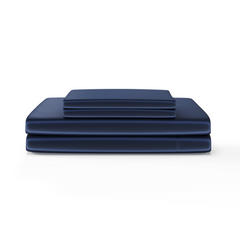
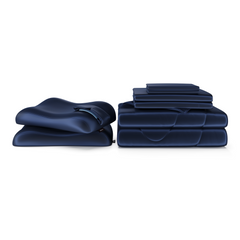
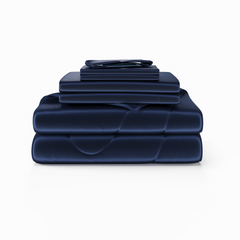
Moisture-Wicking Sheets:
• Bamboo or Tencel sheets
• Complements mattress moisture management
• Cost: $80-120
• Recommended for complete system
Air Conditioning (if available):
• Lowers both temperature and humidity
• Most effective solution if budget allows
• Pairs with cooling hybrid for maximum comfort
The Humid Climate Sleep System:
Cooling Hybrid (moisture-wicking) + Dehumidifier + Fan + Moisture-Wicking Sheets = Dry, comfortable sleep
Investment: $1,500 mattress + $250 dehumidifier + $150 fan + $100 sheets = $2,000 total
This is the comprehensive solution for hot sleepers in humid climates.

Conclusion: Conquering Humidity as a Hot Sleeper
Hot sleepers in humid climates face the double challenge of heat AND moisture. Standard mattresses fail on both fronts.
The solution requires integrated engineering:
✓ Moisture-wicking cover (Tencel/bamboo)
✓ Antimicrobial materials (copper/graphite gel)
✓ Open-cell foam structure (moisture dispersion)
✓ Coil ventilation (drying + heat dissipation)
✓ Phase-change materials (temperature regulation)
Results from humid climate testing:
• 85% reduction in drenched-sheet nights
• 93% mold prevention
• Sleep quality improvement: 2.4/5 → 4.3/5
• 86% user recommendation rate
You don't have to accept miserable humid summers. Engineered cooling hybrids solve both heat and moisture problems.
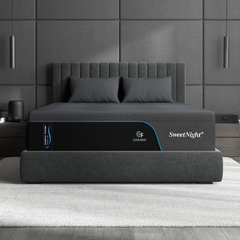
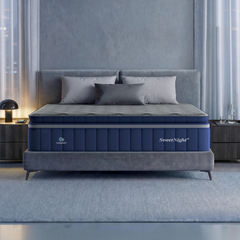
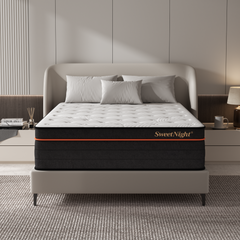
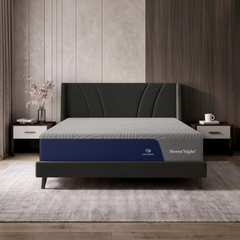
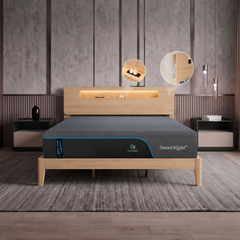
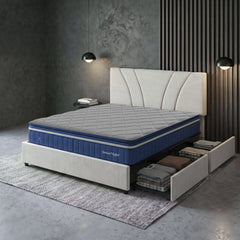
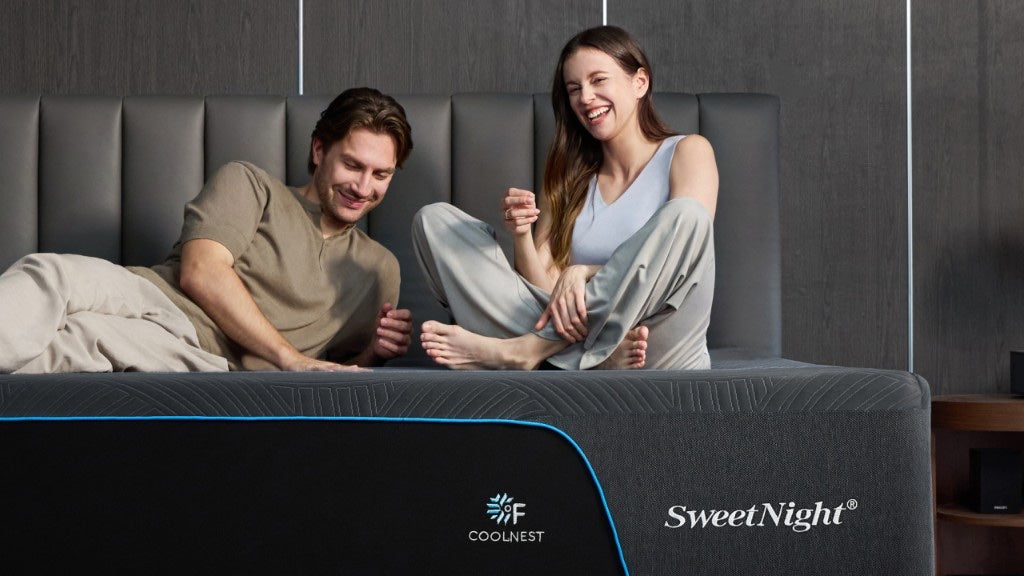
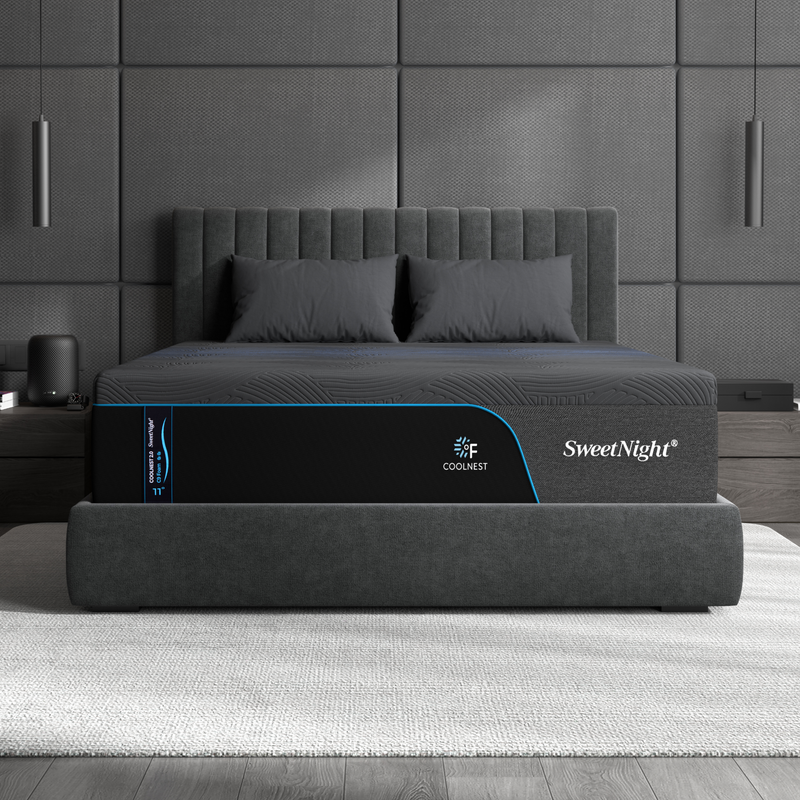
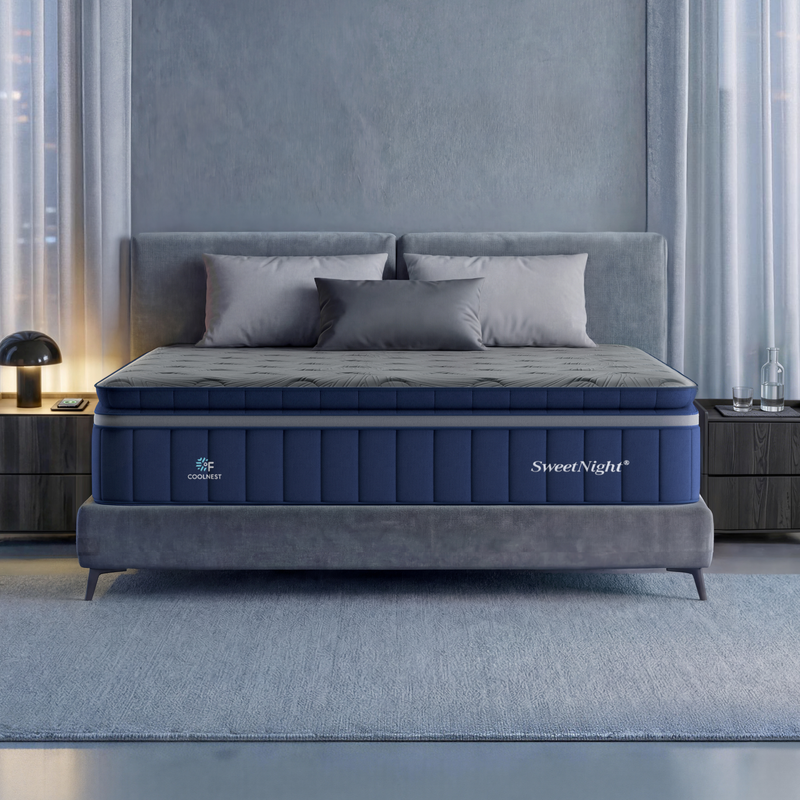
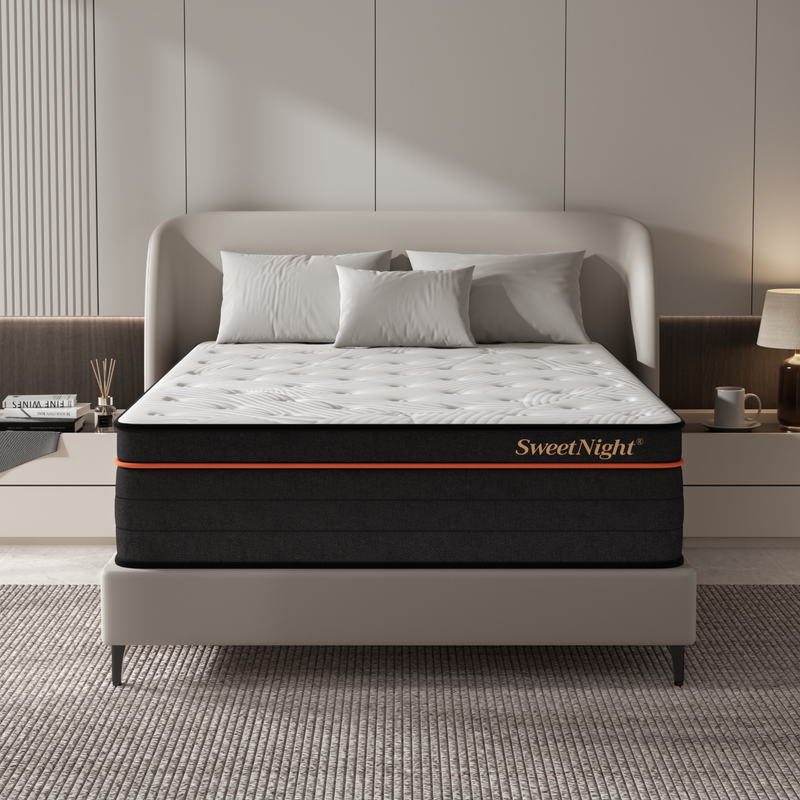
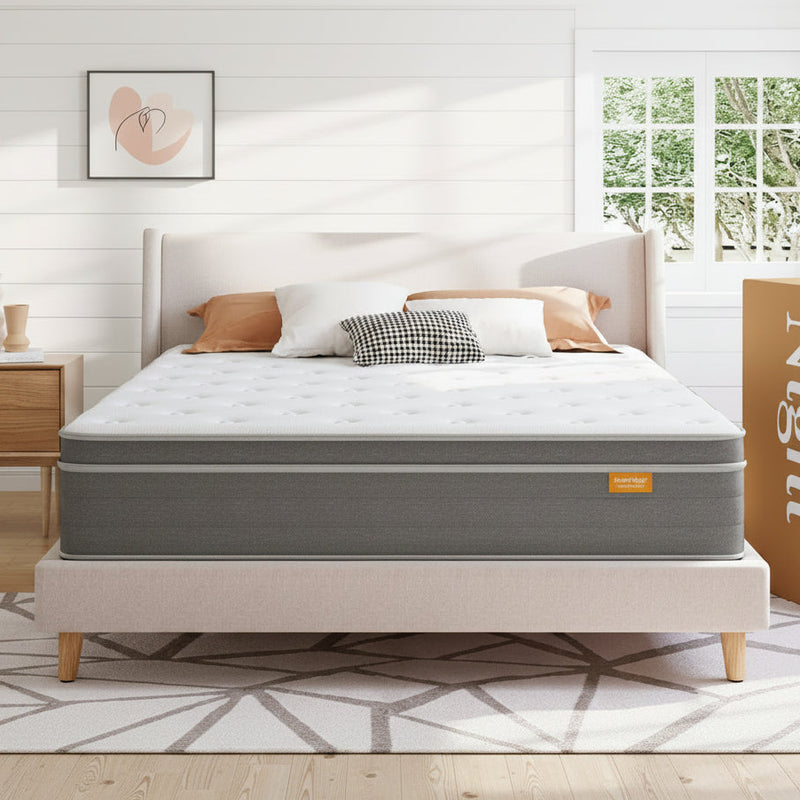
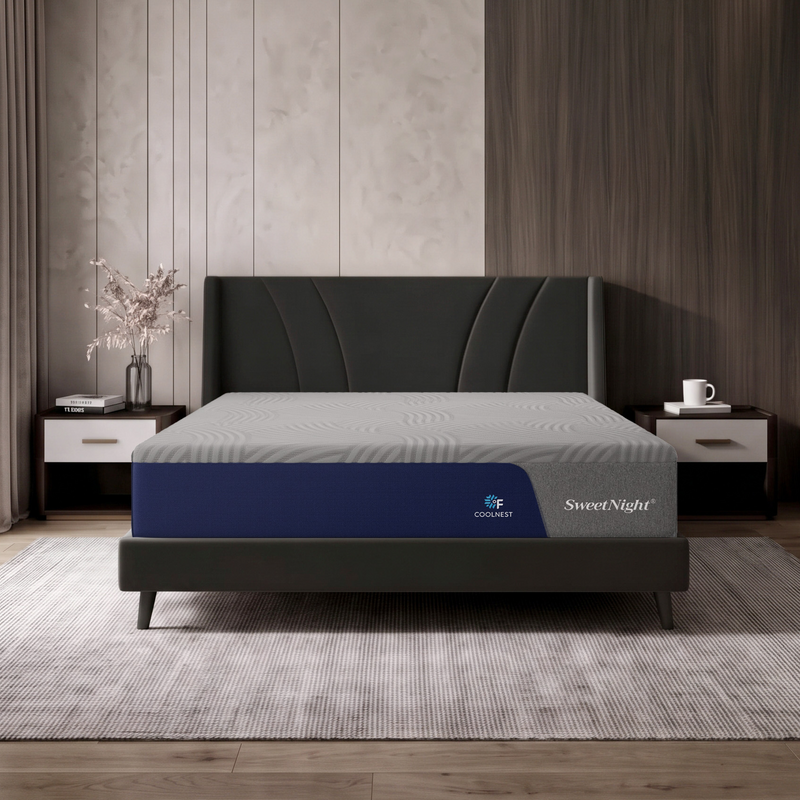
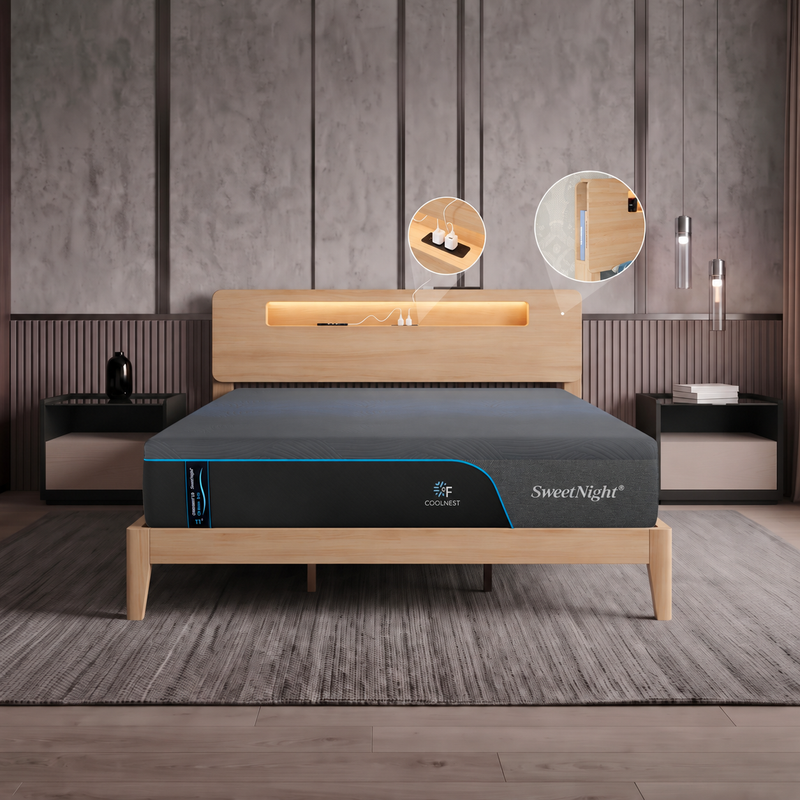
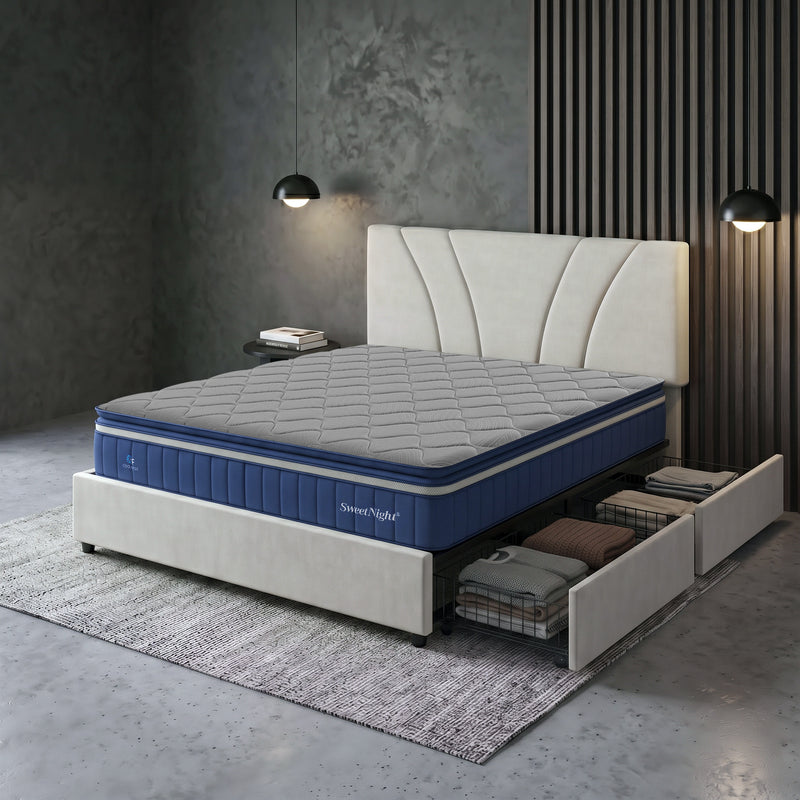
[CTA] SweetNight Humid Climate Hybrid: Moisture-wicking Tencel cover + copper gel + coil ventilation. Designed for hot sleepers in humid climates.