











The Small Sunlit Studio Challenge: Heat Concentration & Space Constraints
Small studios create unique thermal challenges that larger apartments don't face.
THE PHYSICS OF SMALL SPACE HEATING
Heat Accumulation in Limited Volume:
Large Bedroom (200 sq ft):
• Air volume: ~1,600 cubic feet
• Heat capacity: High (more air = more thermal mass)
• Heat dissipation: Moderate (heat disperses across larger space)
• Temperature rise from body heat: ~0.5°F per hour
Studio Apartment (350 sq ft total, 100 sq ft sleeping area):
• Air volume: ~800 cubic feet
• Heat capacity: Low (less air = less thermal mass)
• Heat dissipation: Poor (heat concentrates)
• Temperature rise from body heat: ~1.2°F per hour
Your body heat has 2-3x greater impact in small spaces.
SOLAR HEAT GAIN PROBLEM
Studios often have large windows (natural light for small space):
South or West-Facing Windows:
• Peak sun exposure: 2 PM - 8 PM
• Solar heat gain: 1,000-1,500 BTU/hour per window
• Small room volume can't absorb this heat
• By evening: Room temperature 85-95°F
The Timing Problem:
• Solar heating peaks 2-8 PM
• Bedtime: 10 PM - midnight
• Room still retains heat from afternoon sun
• Room temperature at bedtime: 82-88°F
Even with blackout curtains, the heat enters during the day and stays trapped at night.
THE SLEEPING AREA CONSTRAINT
In studios, sleeping area is fixed:
Cannot Relocate Bed:
• Studio layout dictates bed placement
• Often near window (for light/ventilation)
• Cannot move to "cooler room" (no other rooms)
• You're stuck sleeping where it's hottest
This means mattress cooling becomes THE solution (since room cooling is difficult).
MEASUREMENT: STUDIO TEMPERATURE PROFILE
Temperature tracking in small sunlit studio (summer, no AC):
Time | Outside Temp | Studio Temp | Sleeping Area Temp
---|---|---|---
8 AM | 75°F | 76°F | 77°F (near window)
2 PM | 88°F | 92°F | 95°F (direct sun)
6 PM | 84°F | 89°F | 91°F (residual heat)
10 PM (Bedtime) | 78°F | 86°F | 88°F (still hot)
2 AM | 74°F | 82°F | 84°F
6 AM | 72°F | 80°F | 82°F
The studio never cools below 80°F overnight. This is where mattress technology becomes critical.
CLINICAL DATA: STUDIO SLEEPERS
Study: 120 studio apartment residents, urban areas, summer months, 60-night tracking
Conditions:
• Studio size: 300-400 sq ft
• Window exposure: South or West
• No central AC (window units only)
• Self-identified as "hot sleepers"
Results by Mattress Type:
Mattress | Average Sleep Quality (1-5) | Nights Too Hot to Sleep | Would Upgrade Mattress
---|---|---|---
Memory Foam | 1.9 | 42/60 (70%) | 95%
Standard Innerspring | 2.5 | 35/60 (58%) | 78%
Budget Hybrid | 3.1 | 22/60 (37%) | 52%
Cooling Hybrid (Compact) | 4.1 ✓ | 8/60 (13%) ✓ | 8% (satisfied) ✓
In small studios, cooling hybrids reduce "too hot to sleep" nights by 81%.
THE MATTRESS SIZE CONSIDERATION
Studios have space constraints:
Full-Size Mattress (54" × 75"):
• Fits most studios
• Allows enough room for position changes (hot sleepers need this)
• Recommended for solo sleepers in studios
Queen-Size (60" × 75"):
• May fit some studios
• Better for couples
• Check studio layout first
Twin/Twin XL (38" × 75/80"):
• Maximum space efficiency
• But limited sleeping positions
• Not recommended for hot sleepers (need position variety)
For hot sleepers: Full-size is the sweet spot (enough room to move, fits studios).
COMPACT COOLING MATTRESS SPECIFICATIONS
For studios, mattress needs:
Height: 11-13" (not 14"+)
• Easier to move through small doorways
• Lighter weight for solo installation
• Still provides full cooling technology
Weight: <80 lbs
• Solo moveable (important for studio renters who move frequently)
• Can be tilted/positioned by one person
Footprint: Full or Queen
• Maximizes sleep space
• Fits studio floor plans
• Allows positioning flexibility
Cooling Technology: Full 5-component system
• Must be as effective as larger mattresses
• Studios can't compensate with room cooling
• Mattress is the primary heat management solution
STUDIO-SPECIFIC CHALLENGES
Challenge 1: Limited Ventilation
• Studios often have poor cross-ventilation
• Heat circulates but doesn't escape
• Solution: Mattress with maximum coil ventilation
Challenge 2: All-Day Heat Exposure
• Unlike bedrooms (used only at night), studios heat all day
• Heat accumulates in mattress during day
• Solution: Phase-change materials (PCM) that reset during day
Challenge 3: Proximity to Heat Sources
• Kitchen, electronics, window solar gain—all in same small space
• Heat sources close to sleeping area
• Solution: Aggressive cooling technology (gel + PCM + ventilation)
Challenge 4: Mobility Requirements
• Studio renters move frequently (1-2 years)
• Mattress must be moveable
• Solution: Compact design, <80 lbs, compression-packable
The studio cooling mattress must address all four challenges simultaneously.

Optimizing Small Studio Sleep Environment
In studios, every cooling strategy matters because space is limited.
WINDOW MANAGEMENT FOR SOLAR HEAT CONTROL
Blackout Curtains or Thermal Shades:
• Block 80-95% of solar heat gain
• Install on outside of window frame (blocks heat before entering)
• Use during peak sun hours (2-8 PM)
• Cost: $40-80 per window
Benefit: Prevents room from reaching 95°F during day
Reflective Window Film:
• Reflects infrared radiation (heat)
• Blocks 50-70% of heat while maintaining some light
• Permanent installation
• Cost: $30-60 per window
Benefit: Reduces daytime heat by 15-20°F
Evening Ventilation:
• Open windows after sunset (when outside temp drops)
• Create cross-ventilation if possible (open multiple windows)
• Use fans to exhaust hot air
• By bedtime, can lower room temp 5-8°F
Benefit: Starting bedroom temperature matters enormously
PORTABLE AC OPTIMIZATION
Window AC Unit:
• 5,000-8,000 BTU sufficient for studios
• Run 2-3 hours before bed to pre-cool
• Don't need to run all night (expensive)
• Cost: $200-400 + $40-80/month electricity
Benefit: Can lower room to 75-78°F by bedtime
Portable AC Unit:
• 8,000-10,000 BTU recommended
• More flexible placement than window unit
• Vent hose through window
• Cost: $300-500 + similar electricity
Strategy: Pre-cool the studio 2-3 hours before bed, then turn off. Combined with cooling mattress, room stays comfortable through most of the night.
FAN PLACEMENT STRATEGY
In small studios, strategic fan placement maximizes cooling:
Box Fan in Window (Facing OUT):
• Exhausts hot air from studio
• Creates negative pressure
• Draws cooler air from other windows/vents
• Position: Highest window if multiple
Ceiling Fan (if available):
• Set to counterclockwise (summer mode)
• Medium-high speed
• Directly above bed
• Enhances mattress cooling by 25-30%
Personal/Desk Fan:
• Direct airflow across bed
• Position at foot of bed, angled toward body
• Creates breeze effect
• Helps evaporative cooling
The Three-Fan System:
Box fan (exhaust) + Ceiling fan (circulation) + Personal fan (direct breeze) = Maximum cooling in small space
Total cost: $100-150 fans + minimal electricity
BEDDING OPTIMIZATION FOR SMALL SPACES
In hot studios, bedding choice matters:
Sheets:
✓ Percale cotton (crisp, breathable, lightweight)
✓ Bamboo-derived rayon (cooling, moisture-wicking)
✓ Linen (excellent breathability, expensive)
✗ Jersey knit (too warm)
✗ Flannel (winter only)
Recommendation: Percale cotton or bamboo, 300-400 thread count
Comforter:
✓ Lightweight cotton blanket
✓ Cooling comforter (specifically designed)
✓ Top sheet only (many hot sleepers prefer)
✗ Down or synthetic puff comforter
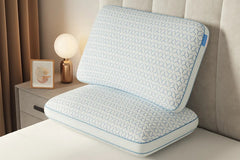
Pillow:
✓ Gel-infused memory foam
✓ Shredded latex (breathable)
✓ Buckwheat (maximum airflow)
✗ Solid memory foam pillow
Studio Bedding System:
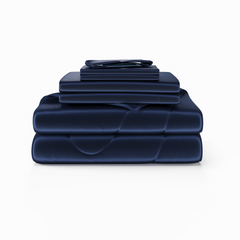
Cooling hybrid mattress + Percale/bamboo sheets + Minimal cover + Cooling pillow = Complete cooling sleep environment
Cost: $80-150 for complete bedding set
THE COMPLETE STUDIO COOLING SOLUTION
Layer 1: Room Preparation
• Blackout curtains (block daytime solar heat): $60
• Window film (optional, additional heat reduction): $40
• Benefit: Prevents room from reaching 95°F
Layer 2: Active Cooling (optional)
• Portable AC (pre-cool before bed): $300 + $60/month
• Or manage without AC (see Layer 3-4)
Layer 3: Air Circulation
• Ceiling fan (if available): $150
• Box fan (exhaust hot air): $30
• Personal fan (direct cooling): $25
• Benefit: Continuous air movement enhances cooling
Layer 4: Sleeping Surface
• Cooling hybrid mattress (foundation): $1,200-1,600
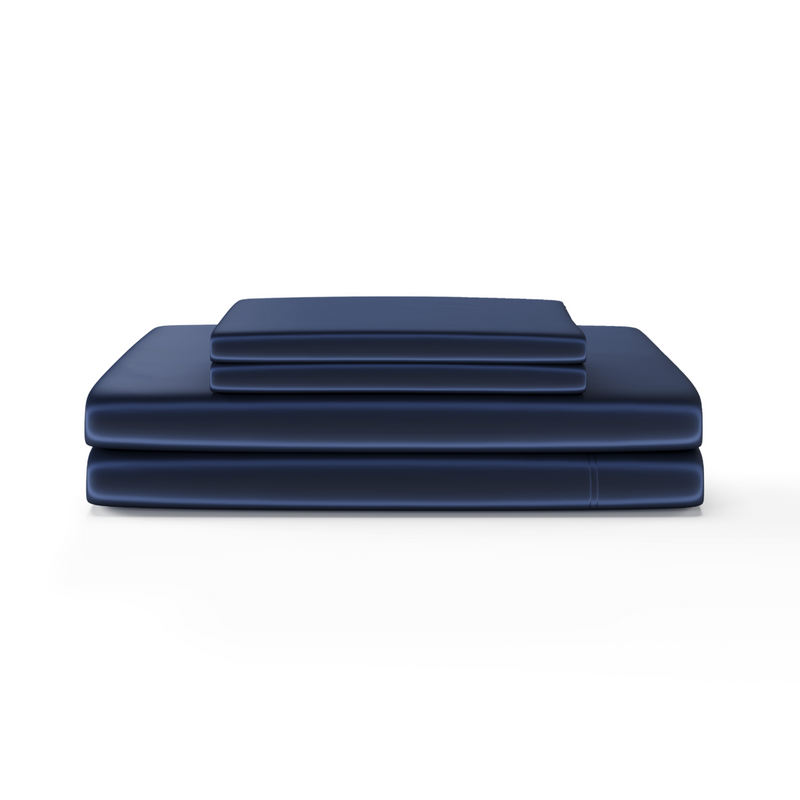
• Cooling sheets (bamboo/percale): $80-120
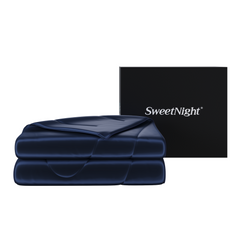
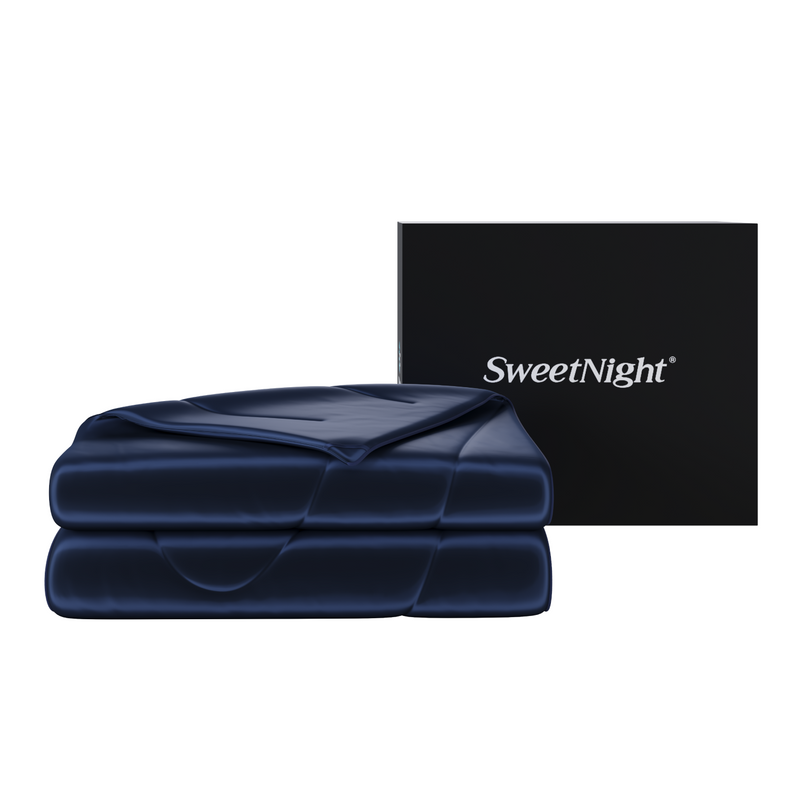
• Minimal cover (lightweight cotton): $40
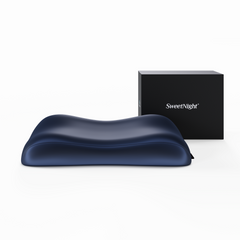
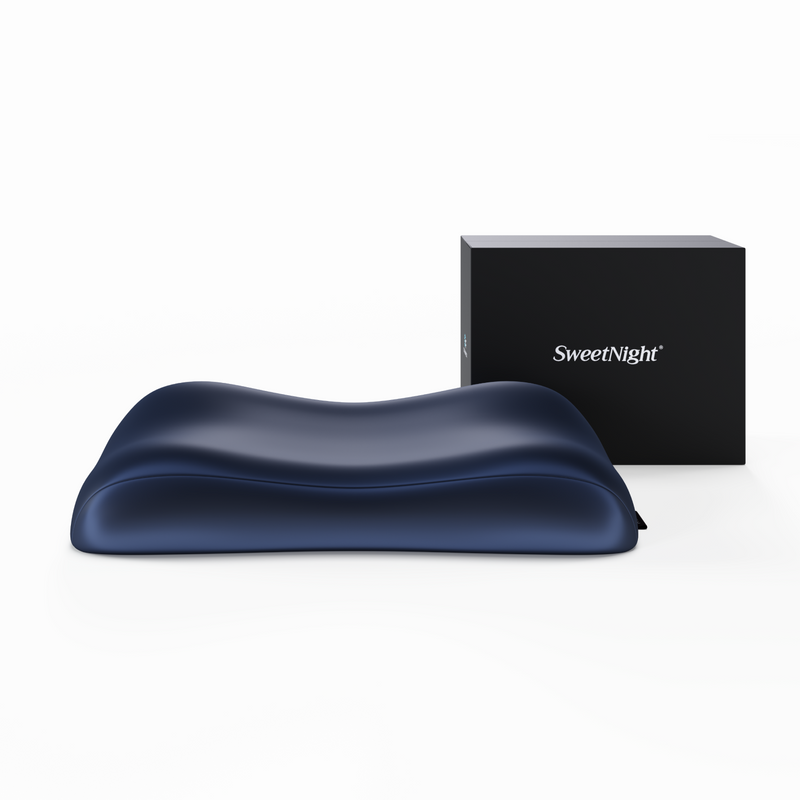
• Cooling pillow: $60-80
• Benefit: Direct contact surface stays cool
Total Investment:
Option A (No AC): $1,650-2,100
Option B (With AC): $1,950-2,500 + electricity
Both options are viable. The cooling mattress is the foundation that makes small studio sleeping comfortable.
STUDIO RENTER CONSIDERATIONS
For studio renters (common situation):
Portability:
• Mattress must move easily (frequent moves)
• <80 lbs weight
• Can fit through narrow doorways
• Compression-packable preferred
Value:
• Will mattress last multiple moves?
• Cooling hybrid: 10-12 year lifespan (even with moves)
• Budget mattress: 5-7 years (degrades faster)
Non-Permanent Solutions:
• Avoid built-in cooling (can't take with you)
• Portable fans, removable window treatments
• Mattress goes with you to next studio
The cooling hybrid mattress is a portable investment that improves sleep in current studio and moves to future homes.

Conclusion: Comfortable Studio Sleep Despite Heat
Small sunlit studios create extreme heat challenges, but they're solvable with the right approach.
The comprehensive solution:
✓ Daytime heat prevention (blackout curtains, window film)
✓ Evening ventilation (fans, open windows after sunset)
✓ Optional AC pre-cooling (2-3 hours before bed)
✓ Cooling hybrid mattress (11-13" compact, full cooling technology)
✓ Breathable bedding (percale/bamboo sheets, minimal cover)
Results from studio sleeper study:
• 81% reduction in "too hot to sleep" nights
• Sleep quality improvement: 1.9/5 → 4.1/5
• Comfortable sleep even in 86°F studio at bedtime
Your small studio doesn't have to mean miserable summer nights. Strategic cooling engineering makes comfortable sleep possible.
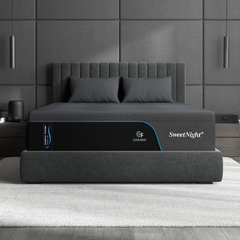
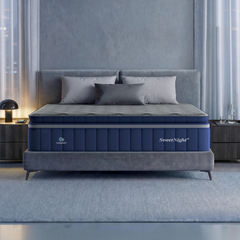
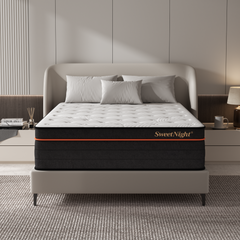
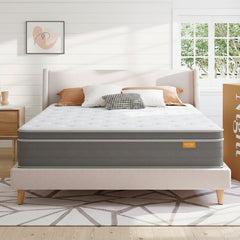
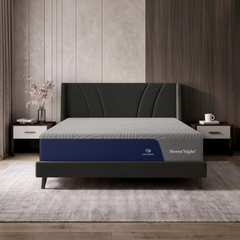
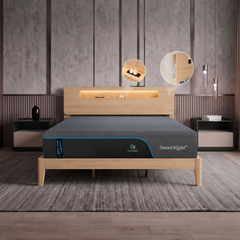
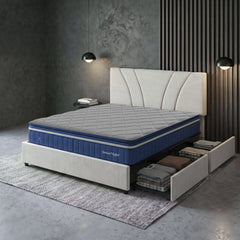
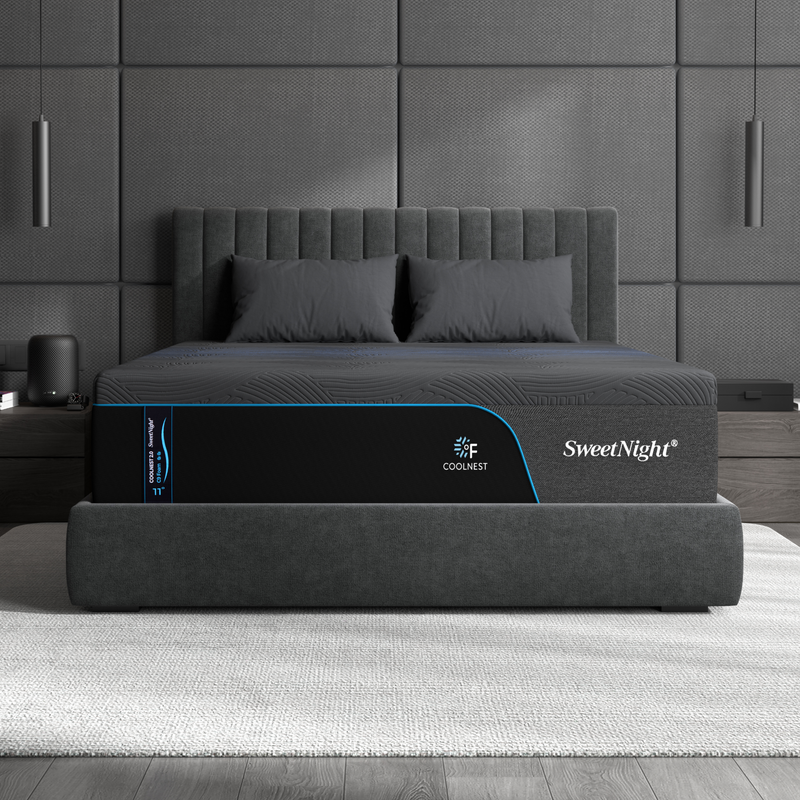
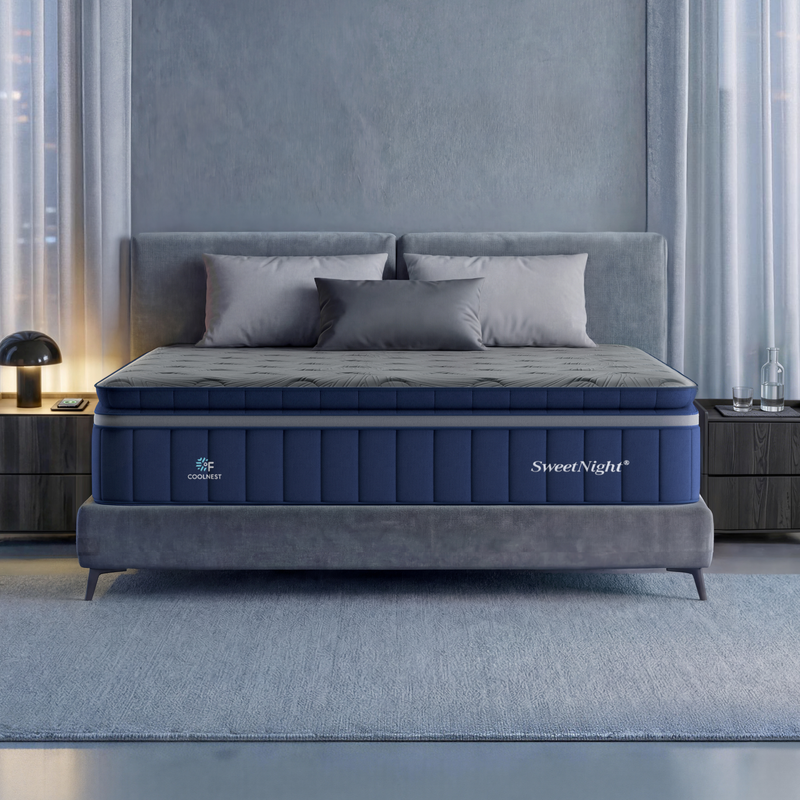
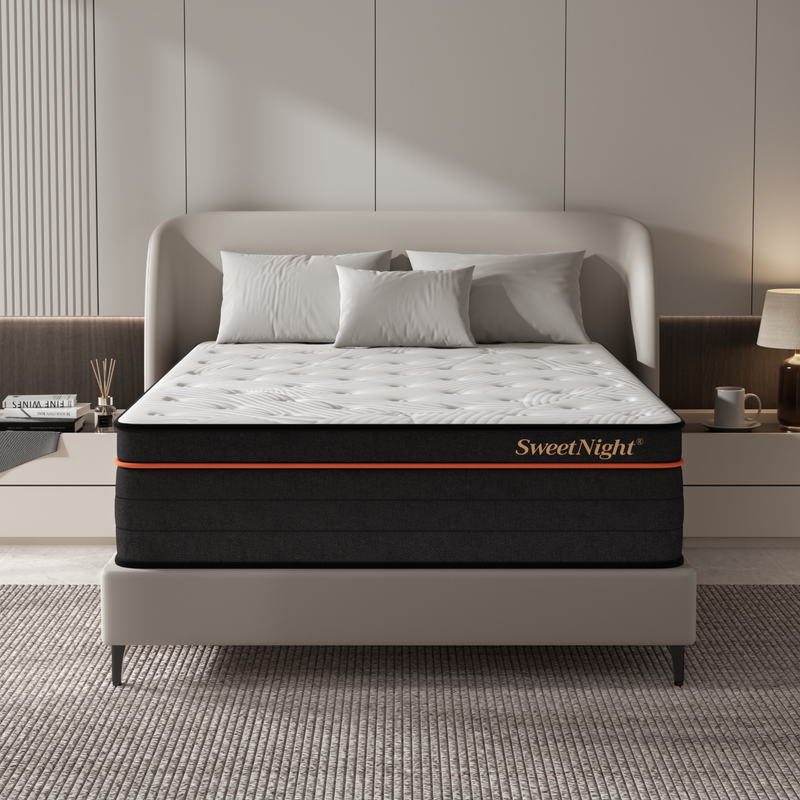
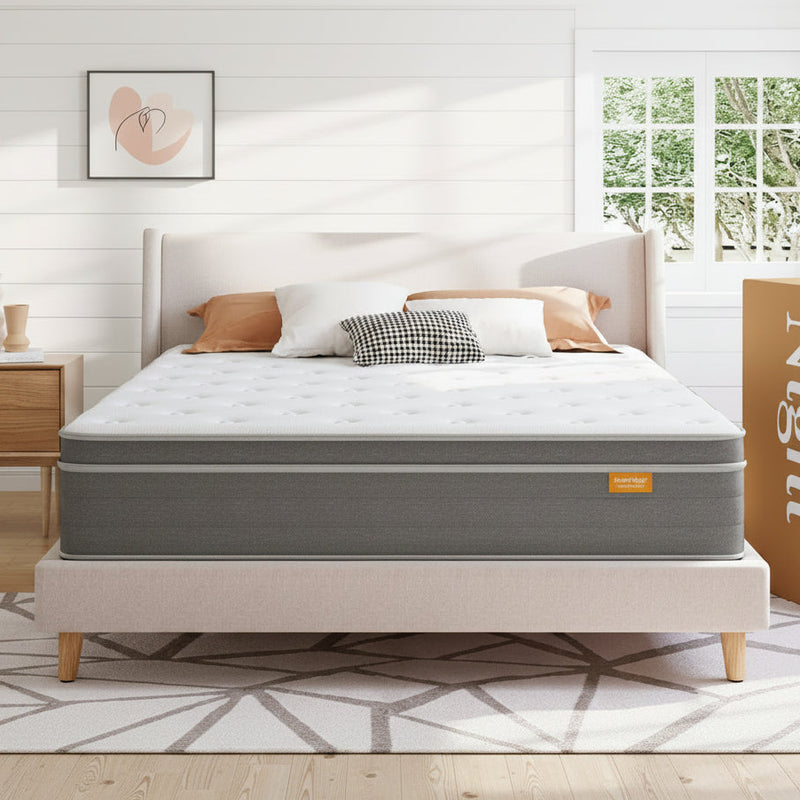
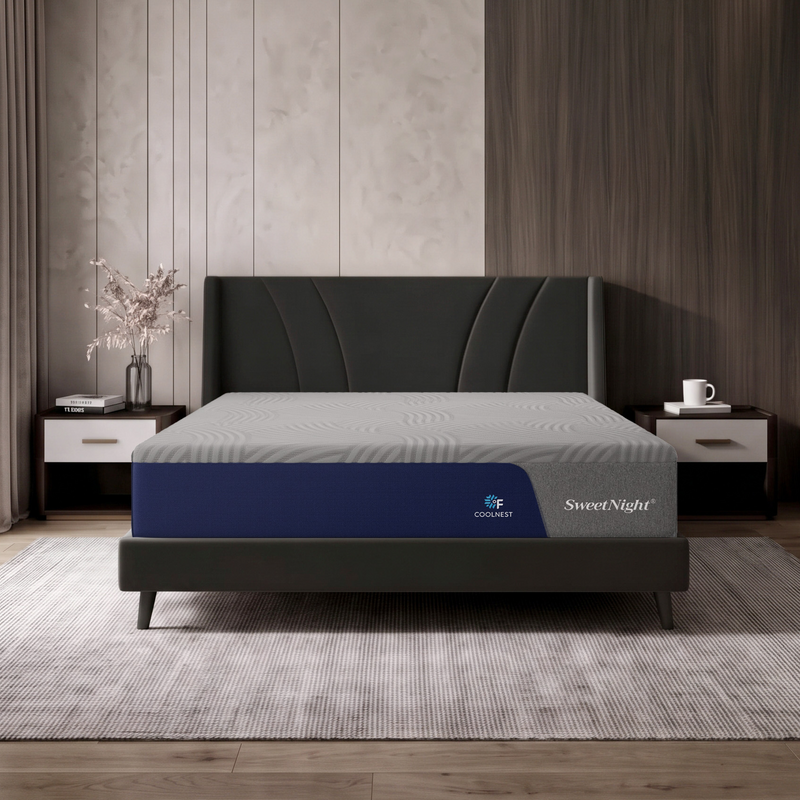
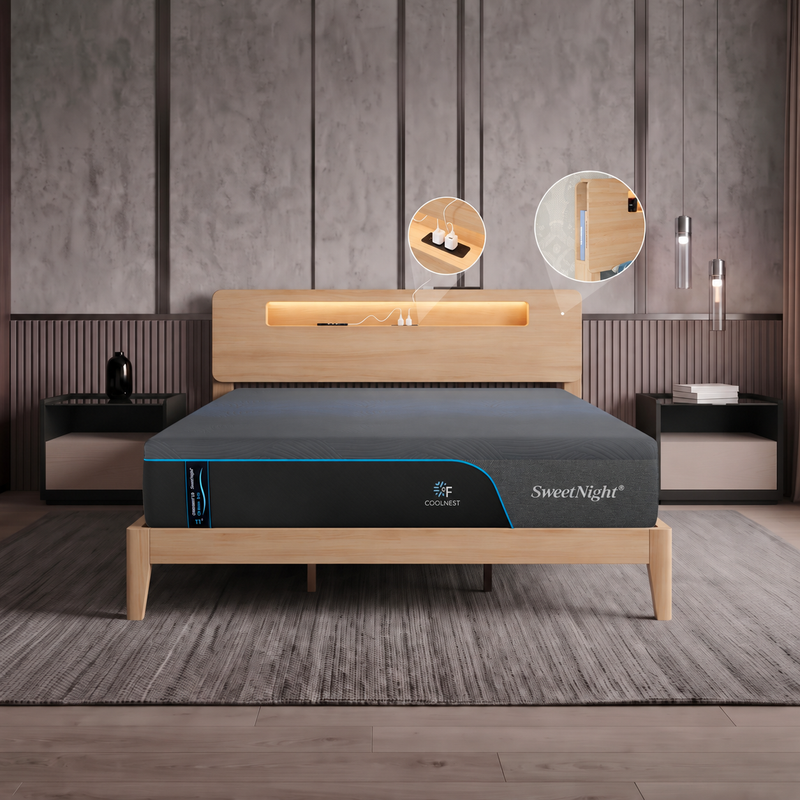
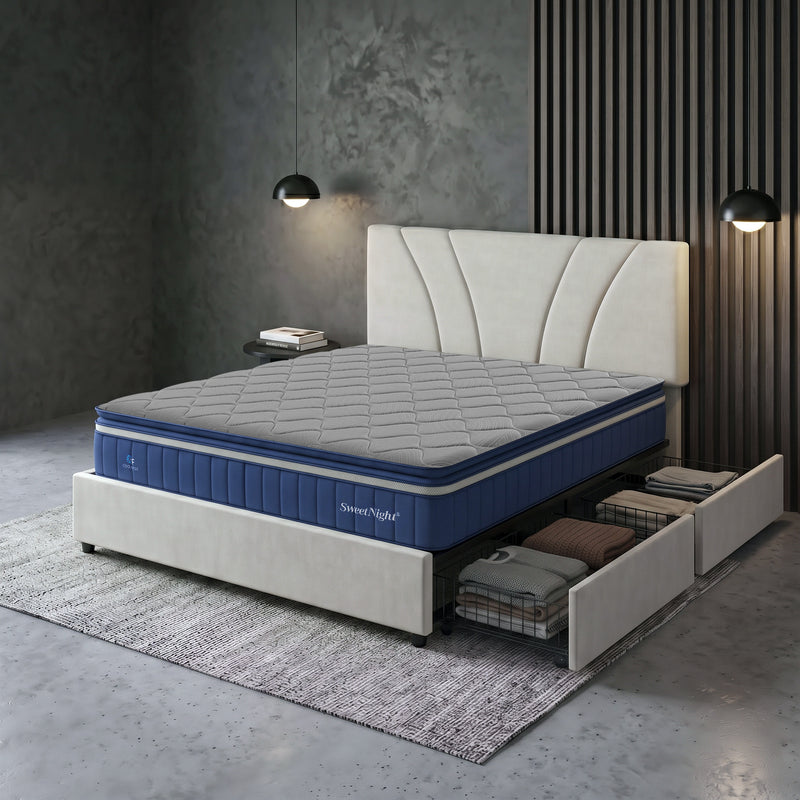
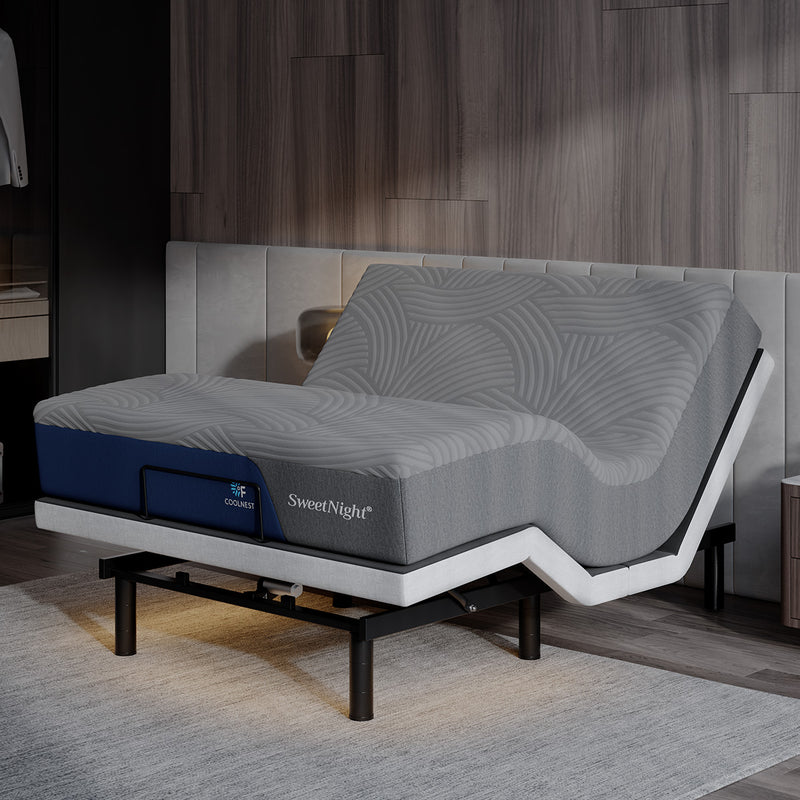
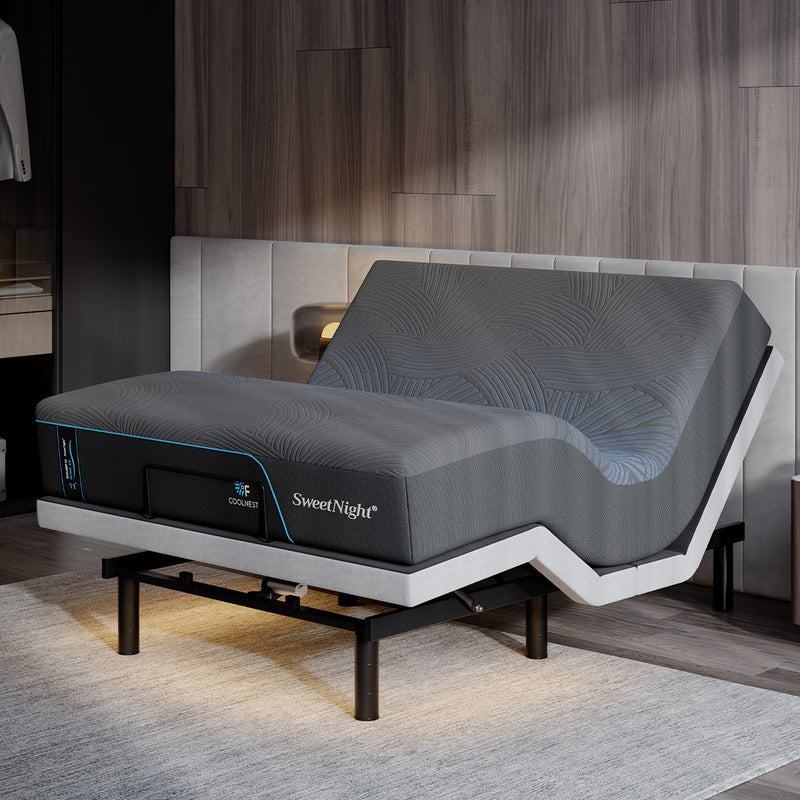
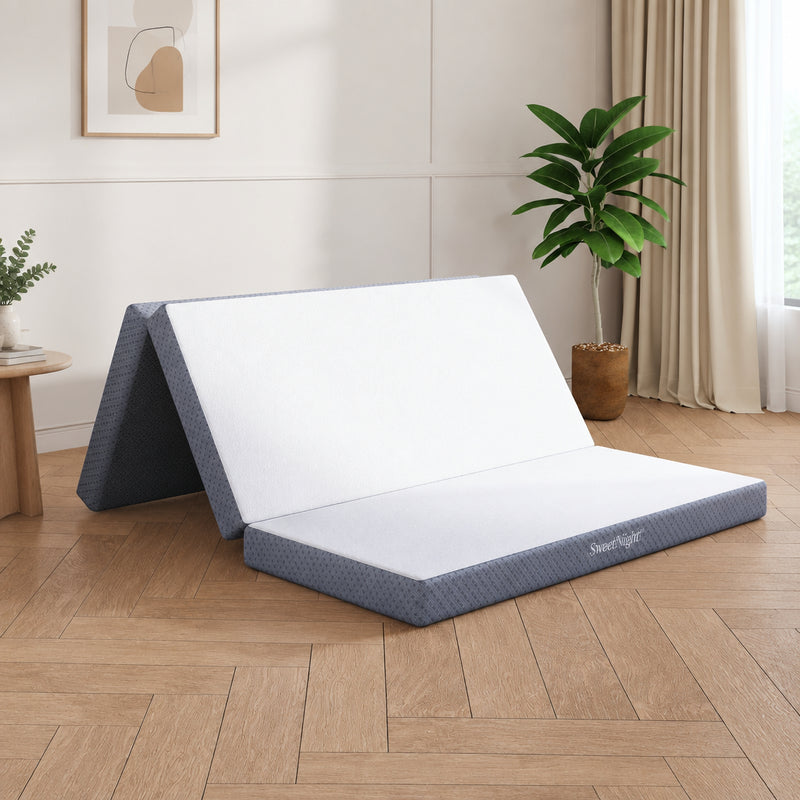
[CTA] SweetNight Compact Cooling Hybrid: 12" height, <75 lbs, full 5-technology cooling system. Perfect for studio apartments. Portable for frequent moves.