




You spend about a third of your life asleep, and most of us have no real idea what happens during it. Your brain doesn't switch off at night. It sorts memories, clears out waste, resets your mood, and briefly paralyzes your body so you can't act out whatever you're dreaming.
Here are 100 facts about sleep. Some are fun, a few are unsettling, and all of them are grounded in real science. They're sorted by topic, so skip ahead to whatever pulls you in: the science of sleep, the weird and scary stuff, dreams, sleep deprivation, sleep disorders, how animals do it, and how to sleep better yourself.
Interesting Facts About Sleep: The Science of What Happens When You Sleep

From the outside, sleep looks like the body powering down. Up close, it's one of the busiest and most tightly organized things you do all day. The science of sleep starts with a few facts that catch almost everyone off guard.
- You spend roughly a third of your life asleep. That works out to around 26 years for the average person, plus another seven or so just lying there waiting to drift off.
- Sleep isn't one flat state. You cycle through four stages, three of non-REM and one of REM, in loops of about 90 minutes that repeat four to six times a night.
- In REM sleep, your brain runs almost as hard as when you're awake. REM stands for rapid eye movement, and it's when most of your vivid dreaming happens.
- Your body paralyzes itself during REM. A mechanism called REM atonia switches off most of your voluntary muscles so you don't physically act out your dreams.
- Deep sleep is the hardest stage to wake from. Also called slow-wave sleep, it's when your body releases most of its growth hormone and does the bulk of its repair work.
- Your brain cleans itself overnight. A system called the glymphatic network flushes out metabolic waste, including proteins tied to Alzheimer's, far more actively while you sleep than while you're awake.
- Your body temperature drops as you fall asleep, by about 1–2°F. That dip is part of the signal that it's time to rest, which is why a hot bedroom fights you all night.
- A roughly 24-hour internal clock runs the whole thing. Left in total darkness, the human circadian rhythm drifts a little long, closer to 24.2 hours.
- Melatonin is your "it's dark now" hormone. The pineal gland releases it as evening light fades. Bright light, especially the blue light from screens, shuts that release down.
- Your dreams stack toward morning. Early cycles hold very little REM, and REM periods stretch longer as the night goes on. That's why the dreams you remember tend to be the last ones before you wake.
Fun Facts About Sleep You'll Want to Share

Some sleep facts are just good material. Drop one of these at dinner and watch someone across the table start yawning before you even finish the sentence.
- The record for going without sleep on purpose is 264 hours, about 11 days, set by 17-year-old Randy Gardner in 1964. Guinness later stopped recognizing it because attempting it is dangerous.
- Humans are the only mammals that willingly put off sleep. Every other animal, given the option, sleeps the moment its body says to.
- You can't sneeze in your sleep. The reflex that fires a sneeze is switched off during REM.
- Yawning is contagious. It's so contagious that reading the word "yawn" or seeing a photo of one can set you off. Sorry.
- "Sleep tight" probably comes from old rope beds. The ropes holding up the mattress were pulled taut for a firmer, more comfortable surface.
- There's a real cheese-and-dreams study. The 2005 British Cheese Board experiment linked different cheeses to different dream themes, though the idea that cheese gives you nightmares is mostly a myth.
- Some people are natural "short sleepers." A rare genetic quirk lets them feel fully rested on 4–6 hours a night with no downside. It's much rarer than the number of people who claim it.
- You have about 4 to 6 dreams a night. That adds up to more than 100,000 in a lifetime, even though most vanish within minutes of waking.
- That falling-and-jerking-awake feeling has a name. It's a hypnic jerk, or "sleep start." Up to 70% of people get them, and they're harmless.
- Your sense of smell mostly switches off while you sleep. A loud smoke alarm will wake you, but the smell of smoke alone usually won't. That's exactly why working alarms matter.
Weird, Cool, and Mind-Blowing Facts About Sleep

This is where sleep stops making sense. Every one of these sounds invented, and every one is documented.
- Exploding head syndrome is real, and harmless. People who have it hear a sudden bang, crash, or explosion as they drift off or wake up, with no actual sound in the room.
- The "Tetris effect" is real. Play a game long enough and you may see its shapes drifting behind your eyelids as you fall asleep. Your brain is rehearsing the day's patterns.
- Roughly 12% of people dream in black and white. That share was much higher back when black-and-white TV was the norm, which suggests your dream palette borrows from your media.
- Blind people dream too. People blind from birth dream in sound, touch, smell, and emotion instead of pictures.
- You can wake up "sleep drunk." Confusional arousal leaves people so disoriented that they don't know where they are or say things that make no sense.
- Sleepwalkers can do complicated things. Walking, eating, getting dressed, even driving, all with their eyes open and no memory of it the next morning.
- Waking a sleepwalker isn't dangerous. That old warning is a myth. They may be confused, but steering them gently back to bed beats letting them wander.
- Your muscles twitch in your sleep for a reason. Some researchers think those tiny twitches help the developing brain map out the body's connections.
- Lucid dreaming is a trainable skill. Knowing you're dreaming while it happens, and sometimes steering the plot, is a documented ability people can practice.
- The "Russian sleep experiment" never happened. The viral horror story about test subjects kept awake for 15 days is internet fiction, not a real study.
Scary Facts About Sleep and Sleep Paralysis

Not all of it is restful. A few things your brain does at night belong in a horror film, and sleep paralysis leads the list.
- Sleep paralysis is waking up unable to move or speak. It hits when your mind wakes before REM atonia, the muscle "off switch," has let go. You're conscious but pinned in place.
- About 8% of people get it at least once, with higher rates among students and anyone on a chaotic sleep schedule.
- The hallucinations feel horribly real. People in sleep paralysis often sense a menacing presence, feel pressure on the chest, or see shadowy figures. It's dream imagery bleeding into a half-awake brain.
- Cultures everywhere have named it. It's the "Old Hag" in Newfoundland and "kanashibari" in Japan. The word nightmare itself traces back to the "mare," a folklore demon believed to crush sleepers.
- Episodes usually last seconds to a couple of minutes. They feel dangerous but cause no physical harm, and simply knowing that can make them less frightening.
- Fatal familial insomnia is exactly what it sounds like. This rare inherited disease slowly destroys the ability to sleep, and it's ultimately fatal. It's one of the few conditions where sleeplessness itself kills.
- Stay awake long enough and you'll hallucinate. After roughly 48 to 72 hours without sleep, the brain starts slipping into microsleeps and waking dreams.
- Being awake for about 24 hours impairs you like a 0.10% blood alcohol level, which is over the legal driving limit across the US.
- Drowsy driving factors into tens of thousands of US crashes a year. Nodding off for even a few seconds at highway speed can be fatal.
- Somniphobia, the fear of falling asleep, is a real condition. It's often tied to nightmares, sleep paralysis, or a fear of losing control, and it can trigger severe sleep loss on its own.
Facts About Dreams and Sleep

Everyone has lain awake wondering what dreams are for. Science doesn't have every answer, but the ones it does have are strange.
- You forget 95–99% of your dreams. Most fade within about five minutes of waking, and nearly all are gone within ten.
- Everyone dreams, even the people who swear they don't. "Non-dreamers" are almost always just non-rememberers.
- Dreams feel normal because your logic center goes quiet. During REM, the prefrontal cortex powers down, so impossible events seem perfectly reasonable while you're inside them.
- Every face in your dreams is one you've seen. Your brain doesn't invent strangers. It recycles people it filed away, sometimes decades ago.
- Nightmares may serve a purpose. One leading theory holds that they're the brain rehearsing responses to threats in a safe simulation.
- The same dreams show up worldwide. Falling, being chased, losing teeth, showing up unprepared for a test. These recur across cultures and languages.
- "Dreams that come true" are almost always coincidence. You have thousands of dreams, so by pure chance a few will echo real events. Those are the ones you remember.
- Real-world sounds sneak into your dreams. An alarm becomes a ringing phone, a cold room becomes a snowstorm, all without waking you.
- You dream outside REM, too. Non-REM dreams tend to be more thought-like and less like the vivid, cinematic stories REM produces.
Facts About Sleep Deprivation and Lack of Sleep

Losing sleep costs more than a rough morning. Sleep deprivation does real, measurable damage to your body and brain, night after night.
- About 1 in 3 US adults regularly falls short of 7 hours, the minimum adults need, according to the CDC.
- Chronic short sleep is tied to serious disease. Consistently getting under 7 hours raises the risk of heart disease, stroke, diabetes, obesity, and depression.
- Sleep loss hits your brain first. Even one rough night measurably slows your reaction time and weakens focus, memory, and judgment.
- Missing sleep makes you hungrier. It raises ghrelin, the hunger hormone, and lowers leptin, the fullness hormone. That's one reason poor sleep and weight gain travel together.
- You can't repay a big sleep debt on the weekend. A large deficit leaves lasting effects even after catch-up rest, and you can't "bank" extra sleep ahead of time either.
- Short sleep weakens your defenses. People who sleep under 6 to 7 hours are far more likely to catch a cold after being exposed to the virus.
- Sleep and mental health feed each other. Too little sleep worsens anxiety and depression, and those conditions make sleep harder in turn. It's a loop that's tough to break.
- "Microsleeps" can happen with your eyes open. When you're badly sleep-deprived, your brain takes involuntary naps a few seconds long that you may never notice.
- Chronic sleep deprivation is linked to a shorter lifespan in large population studies, even after accounting for other health factors.
- Students are among the most sleep-deprived people alive. Heavy workloads, late-night screens, and early start times all collide with a body clock that wants to stay up late.
Psychology Facts About Sleep

A surprising amount of sleep is mental admin. Overnight, your brain sorts what you learned, files how you felt, and rebuilds the focus you'll spend tomorrow.
- Sleep is when your brain files memories. During deep sleep and REM, the day's experiences get sorted, strengthened, and moved into long-term storage. Scientists call it memory consolidation.
- All-nighters backfire. Without sleep, the brain can't lock in what you studied, so you retain less than if you'd just gone to bed.
- Your emotions run hotter on too little sleep. The amygdala, the brain's alarm system, gets more reactive, which makes you quicker to anger, anxiety, and tears.
- A 10 to 20 minute nap sharpens you without the grogginess. Longer naps risk waking you mid-deep-sleep, which is why some naps leave you worse off than before.
- "Sleeping on a problem" has real science behind it. REM helps the brain make creative, unexpected connections, so solutions really do turn up in the morning.
- Sleep spindles predict how well you learn. These quick bursts of brain activity during light sleep are closely tied to memory and skill retention.
- Your brain replays the day at high speed as you sleep, rerunning experiences to reinforce the pathways behind new skills.
- Poor sleep warps how you read people. It makes neutral faces look more threatening and chips away at your empathy.
- Dreaming may work like overnight therapy. By reprocessing hard events, sleep can take the sharp emotional edge off a stressful memory by morning.
Facts About Sleep Disorders: Sleep Apnea, Insomnia, and Parasomnias

For a lot of people, sleep doesn't come easily. Here are the conditions behind it, from insomnia and sleep apnea to the stranger behaviors doctors group under parasomnias.
- There are about 80 recognized sleep disorders, ranging from the extremely common to the vanishingly rare.
- Insomnia is the most common one. Roughly 1 in 3 adults has occasional insomnia, and about 1 in 10 lives with the chronic kind.
- Sleep apnea stops your breathing over and over. In obstructive sleep apnea the airway collapses and breathing pauses, sometimes hundreds of times a night, without fully waking you.
- Most people with sleep apnea don't know they have it. Millions of US cases go undiagnosed, and untreated apnea raises the risk of high blood pressure, heart disease, and stroke.
- Loud, chronic snoring can be a warning sign. Not every snorer has apnea, and some people with apnea don't snore, but persistent loud snoring is worth getting checked.
- Narcolepsy causes overwhelming daytime sleepiness, and sometimes sudden muscle weakness (cataplexy) set off by strong emotions. It affects about 1 in 2,000 people.
- Restless legs syndrome creates an urge to move you can't ignore. It usually worsens in the evening and can make falling asleep a real struggle.
- Sleep talking is harmless, and common. Most people have done it at least once. It ranges from mumbles to full conversations you won't remember.
- Sleepwalking is mostly a childhood thing. It's usually harmless, though it turns risky if the sleepwalker leaves the house or reaches for something dangerous.
- Night terrors aren't nightmares. They strike during deep non-REM sleep, mainly in children, who may scream and thrash and then remember nothing in the morning.
Facts About How Animals Sleep

We aren't the only species with a strange relationship to sleep. Next to some of the animal kingdom, eight hours flat on your back looks pretty tame.
- Dolphins and whales sleep one half of the brain at a time. This unihemispheric sleep keeps one eye open so they can surface to breathe and watch for danger.
- Giraffes barely sleep. They get by on as little as 30 minutes to 2 hours a day, often in short bursts while standing.
- Koalas sit at the other extreme, sleeping up to 20 to 22 hours a day to save energy on their low-nutrient eucalyptus diet.
- Sea otters hold hands while they sleep. They also wrap themselves in kelp so they don't drift apart on the water.
- Cats sleep around 12 to 16 hours a day, most of it light dozing. That's where the word "catnap" comes from.
- Ducks sleep in a row, and the ones on the ends stand guard. The outer birds keep one eye open and half the brain awake to watch for predators.
- Bats are champion sleepers, resting up to 19 to 20 hours a day, hanging upside down the whole time.
- Some birds sleep in mid-flight. On journeys that last days, migrating birds take brief unihemispheric micro-naps on the wing without dropping out of the sky.
Facts About Sleep for Kids and Teenagers

How much sleep you need changes more in the first 18 years than at any point after. Newborns and teenagers may as well be running on different clocks.
- Newborns sleep the most of anyone, about 14 to 17 hours a day, but in short stretches, since they haven't developed a day-night rhythm yet.
- Babies aren't born with a circadian rhythm. It develops around 2 to 3 months, which is when many finally start sleeping longer at night.
- Infants spend about half their sleep in REM, far more than the 20 to 25% adults get. Researchers link that to fast early brain development.
- School-age kids need 9 to 12 hours a night, and teenagers need 8 to 10, far more than most get.
- Teen body clocks shift later during puberty. Falling asleep before 11 p.m. becomes biologically hard, so early school bells fight their natural rhythm.
- Later school start times help. Districts that pushed start times back have reported better attendance, grades, and mood among sleep-deprived teens.
- Kids really do grow in their sleep. The body releases most of its growth hormone during deep sleep, so those long nights are doing real work.
Facts About Getting Enough Sleep and Better Sleep Hygiene

Knowing the facts is the easy part. Using them is where your nights change. These last ten are the habits that move the needle on getting enough good sleep.
- Quality counts as much as quantity. Waking repeatedly, even for a second, fragments your sleep cycles and leaves you groggy no matter how long you were in bed.
- A cooler bedroom helps you sleep. Experts generally suggest around 65°F (about 18°C), because your body has to shed heat to fall and stay asleep.
- Consistency is one of your strongest tools. Going to bed and waking at the same times every day, weekends included, steadies your circadian rhythm.
- Caffeine has a long tail. Its half-life runs about 5 to 6 hours, so an afternoon coffee can still leave a quarter of its caffeine in your system at bedtime.
- Alcohol wrecks the back half of the night. It may help you doze off faster, but it suppresses REM and causes more awakenings later.
- Screens before bed do double damage. Blue light suppresses melatonin, and the content itself keeps your brain alert when it should be winding down.
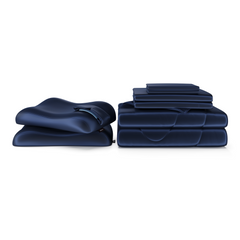
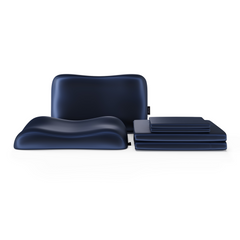
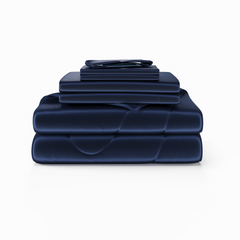
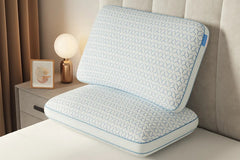
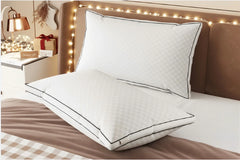
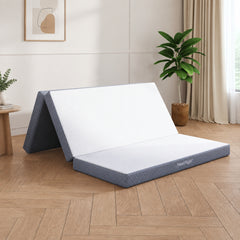
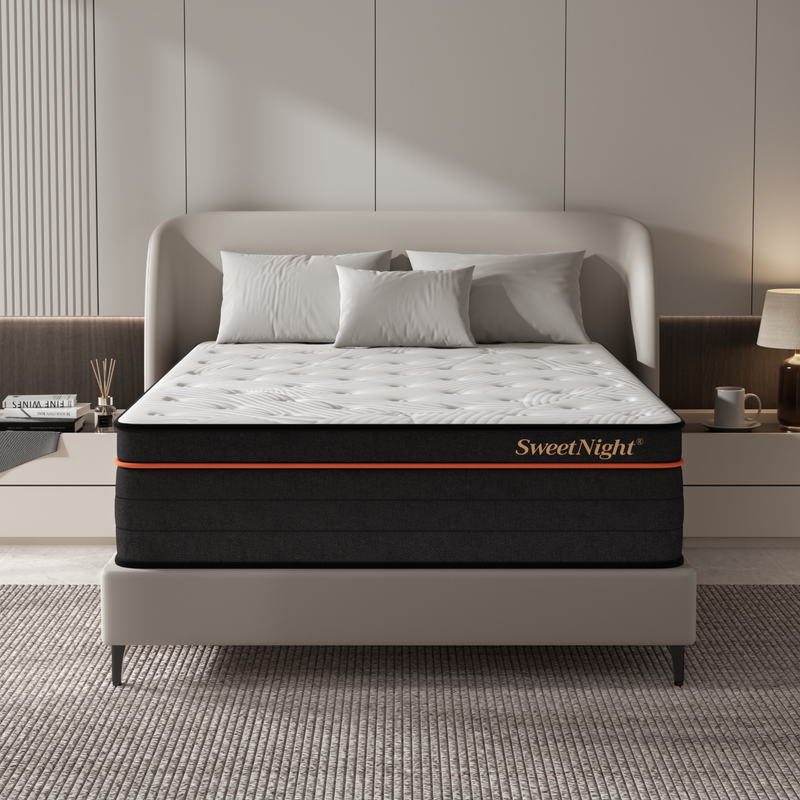
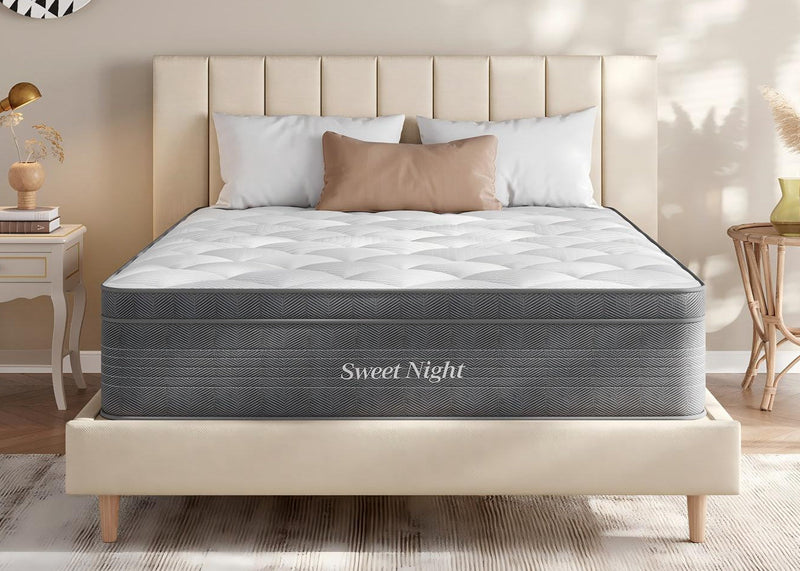
- What you sleep on matters more than people think. An unsupportive or heat-trapping mattress causes the tossing, turning, and night sweats that quietly steal hours of deep sleep.
If fact #100 hit close to home
Look back over the list and one theme keeps surfacing: temperature. Your body has to drop a degree or two to fall asleep. A cool room around 65°F helps. And night sweats from a heat-trapping bed pull you out of deep sleep before you even register that you're awake.
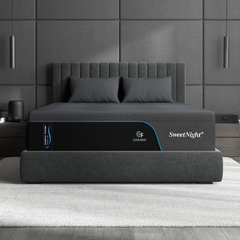
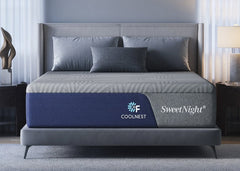
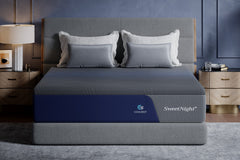
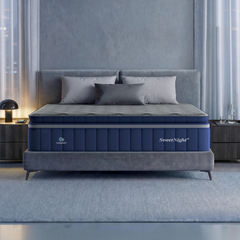
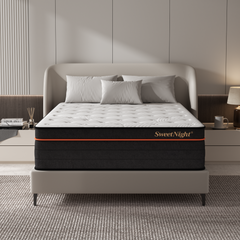
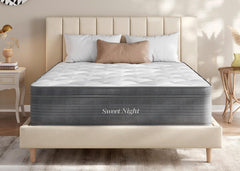
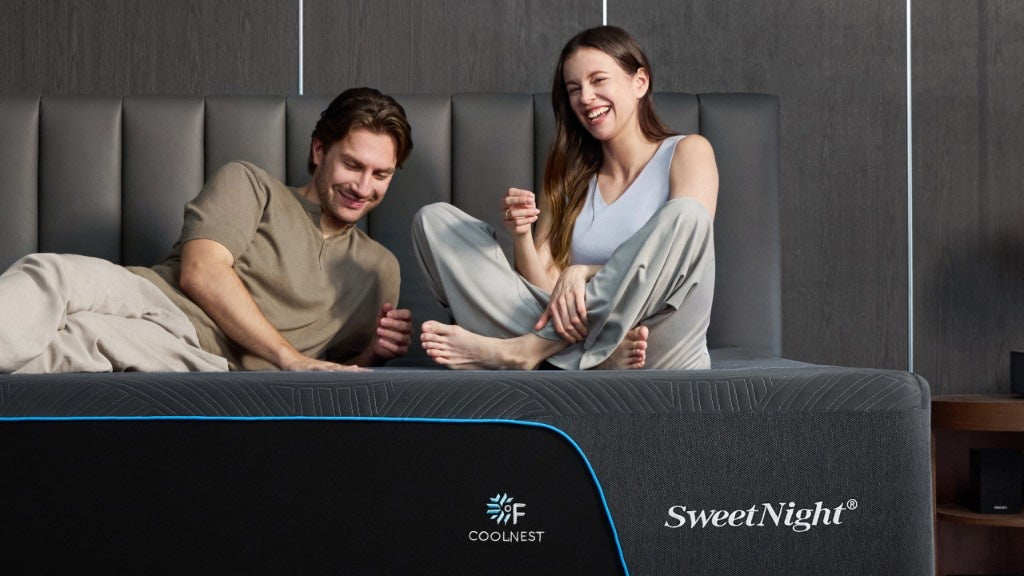
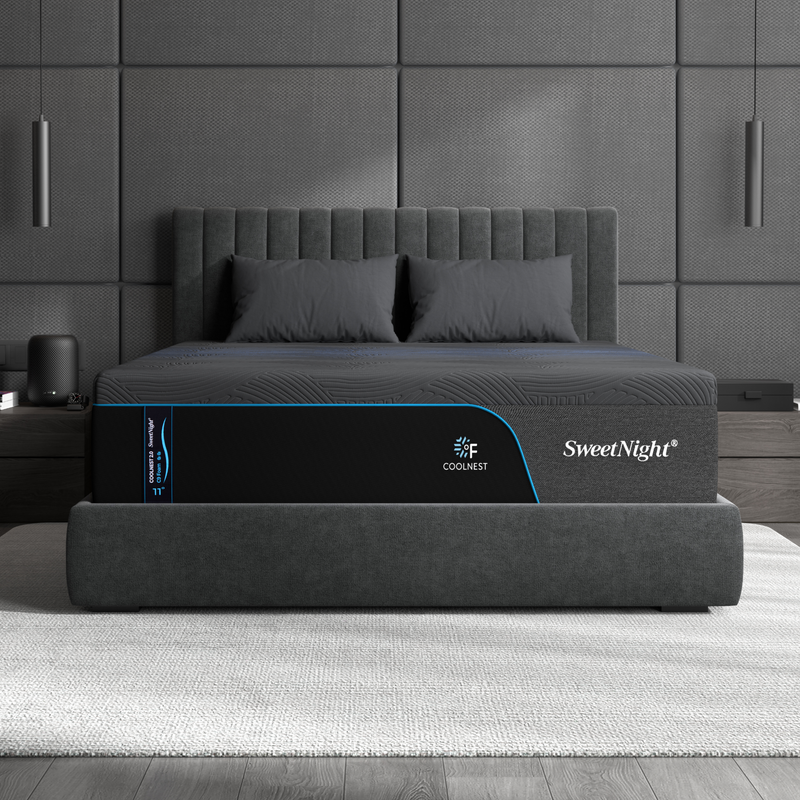
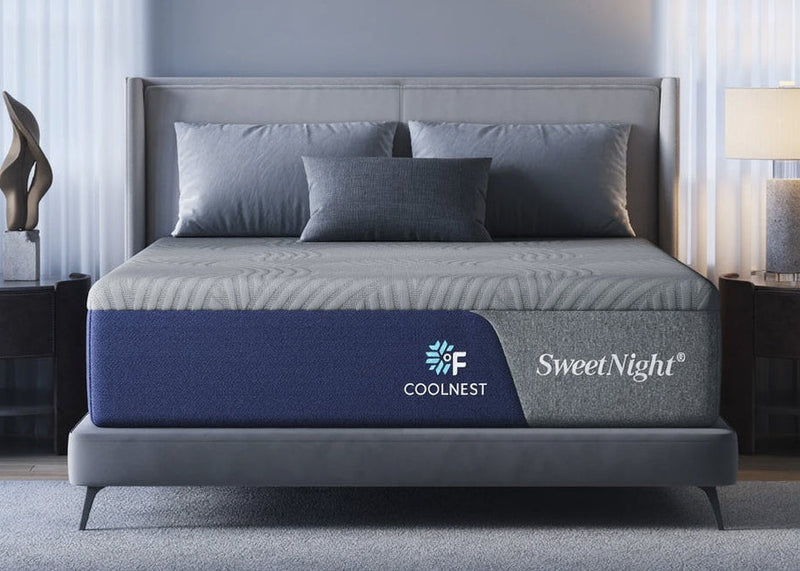
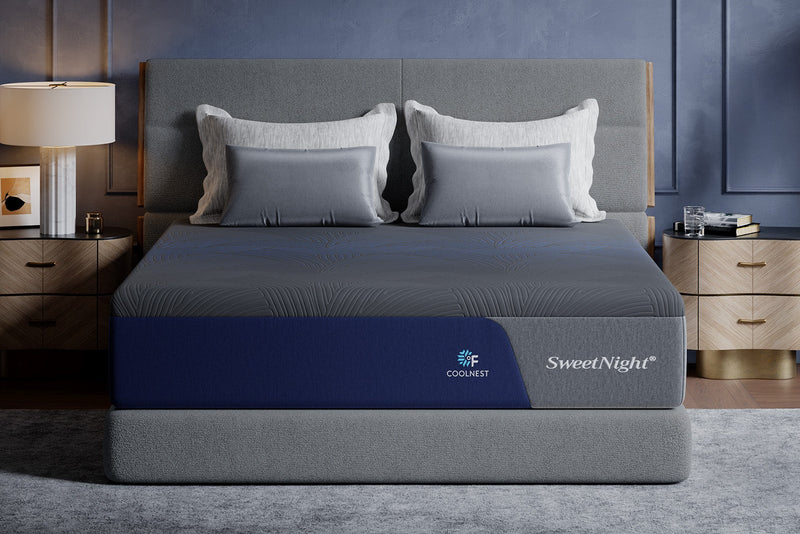
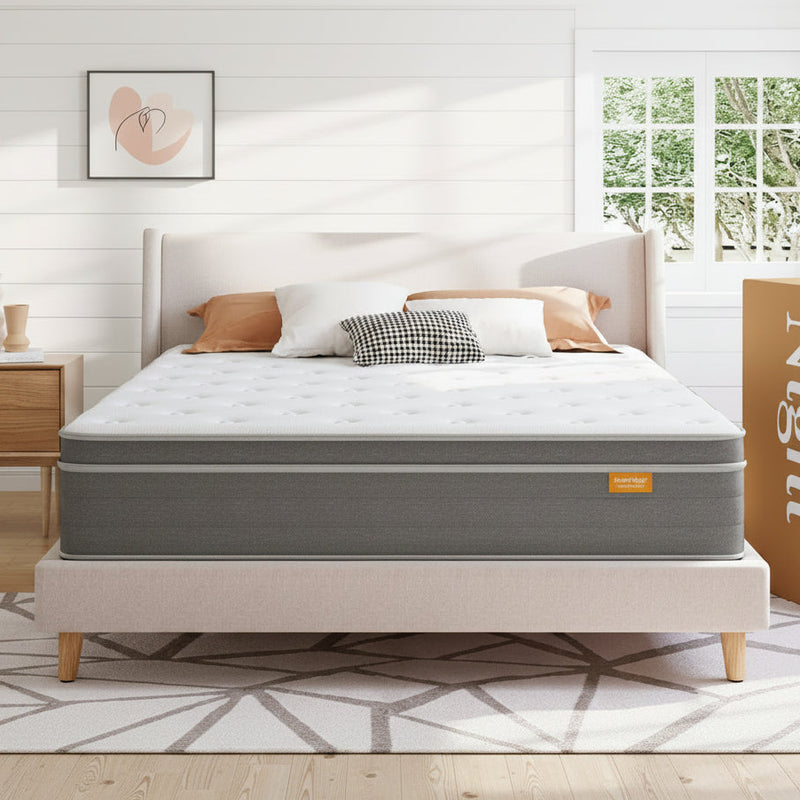
That's the problem Sweetnight's CoolNest cooling mattresses are built to solve. The layered cooling system, an ice-silk cover over phase-change foam and gel-infused memory foam, is designed to feel up to 8° cooler through the night, so hot sleepers stop bolting awake at 3 a.m. in a damp tangle of sheets.

If your current mattress is part of the reason you're tired, it's worth a look. Sweetnight's current deals apply savings automatically at checkout, with no promo code to dig up. Every order ships free within the US and comes with a 100-night risk-free trial, so you can test cooler, more supportive sleep with nothing to lose if it turns out not to be for you.
The Short Version
Sleep isn't wasted time. It's when memories get stored, tissue gets repaired, and your emotions reset for the morning. Every fact on this list points in the same direction: how you sleep shapes how you live.
Most of it comes down to a few things you can control. Your schedule. Your screens. Your bedroom temperature. And what you're lying on. Get those right, and for most people the rest starts to sort itself out.
This article is for general information and isn't medical advice. If you regularly struggle with sleep, loud snoring, daytime exhaustion, or other signs of a sleep disorder, talk to a doctor or a sleep specialist.
If your mattress is part of the problem, here's how the CoolNest® range splits:
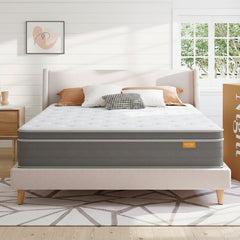
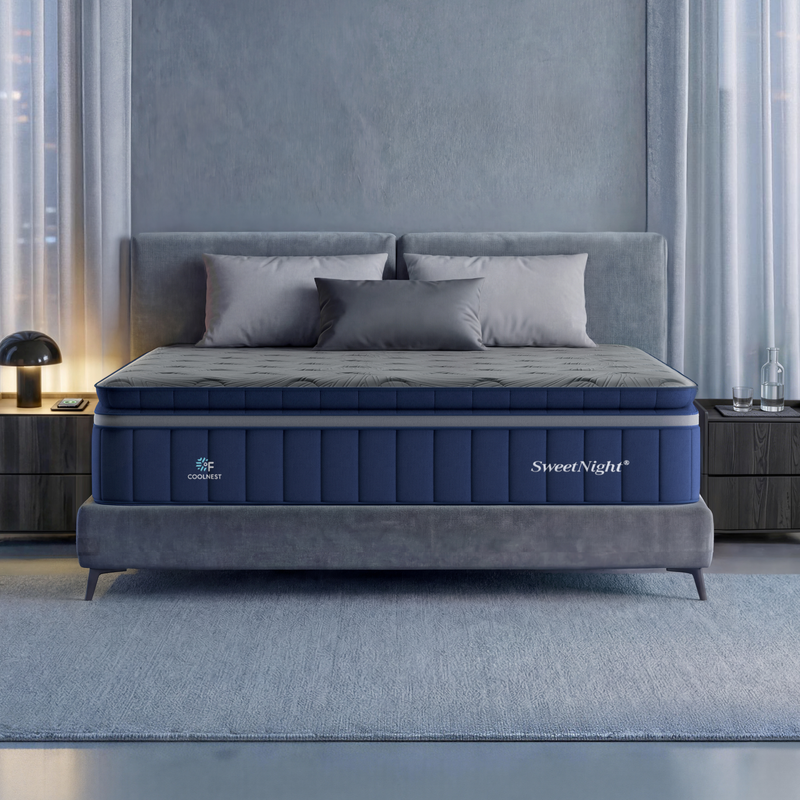
- CoolNest® Hybrid Mattress: pocketed coils under a DuoSense™ pillow top. Pick this one if you want bounce, firm edges and less partner motion.
- CoolNest® Memory Foam Mattress: the lowest-priced model in the range, all-foam with 5-zone support and a breathable 3D-woven cover.
- CoolNest® Pro and CoolNest® Ultra: the step-up foam models, with PCMflux® temperature-regulating foam and 7-zone support. Ultra adds AirMesh™ foam and feels up to 11° cooler.
- Current prices on every size and thickness are on the Fall Sale page, or browse all mattresses.