


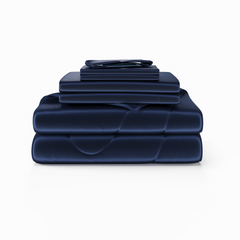
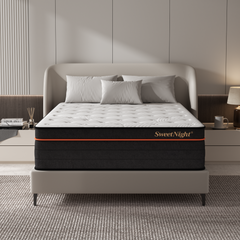

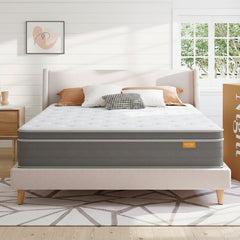
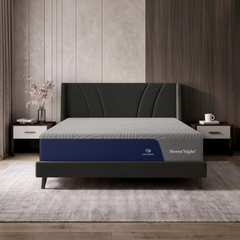
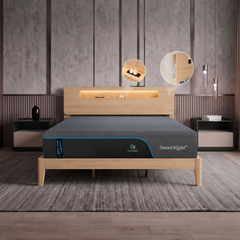
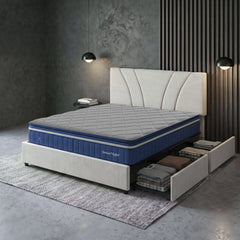

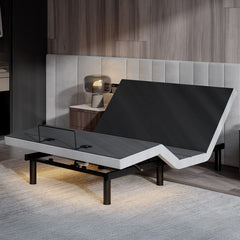
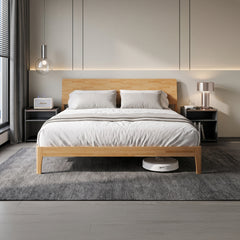

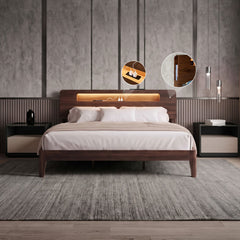
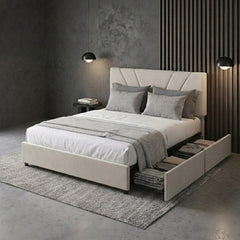
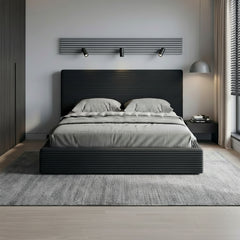
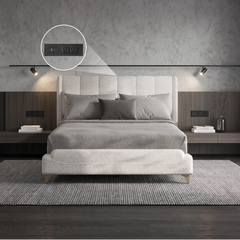
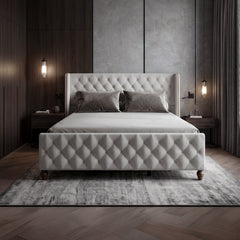
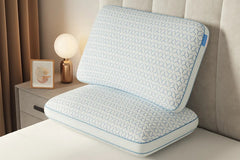
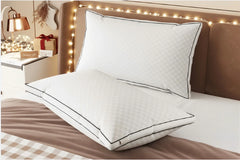
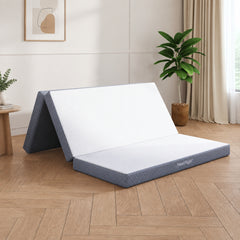
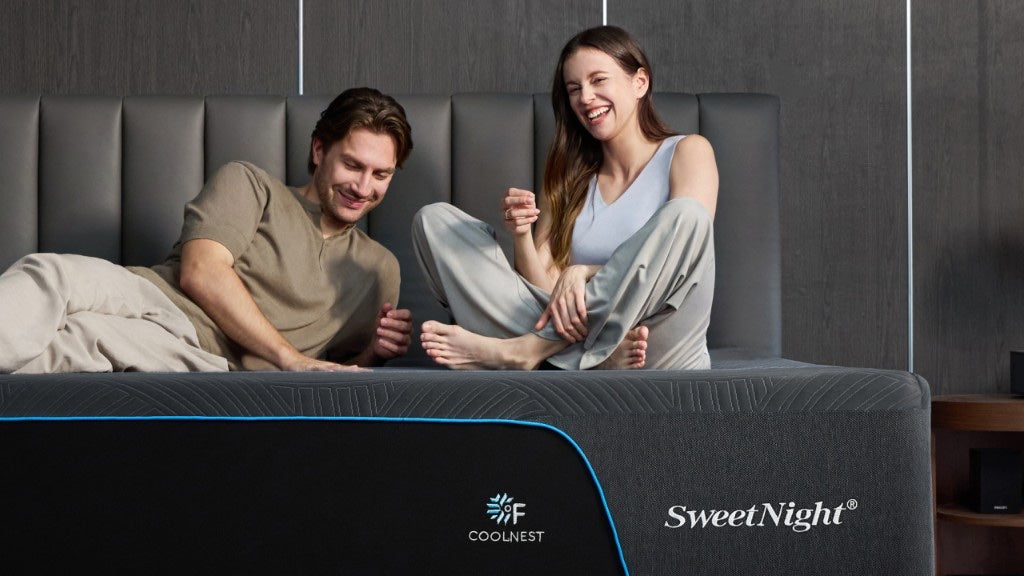
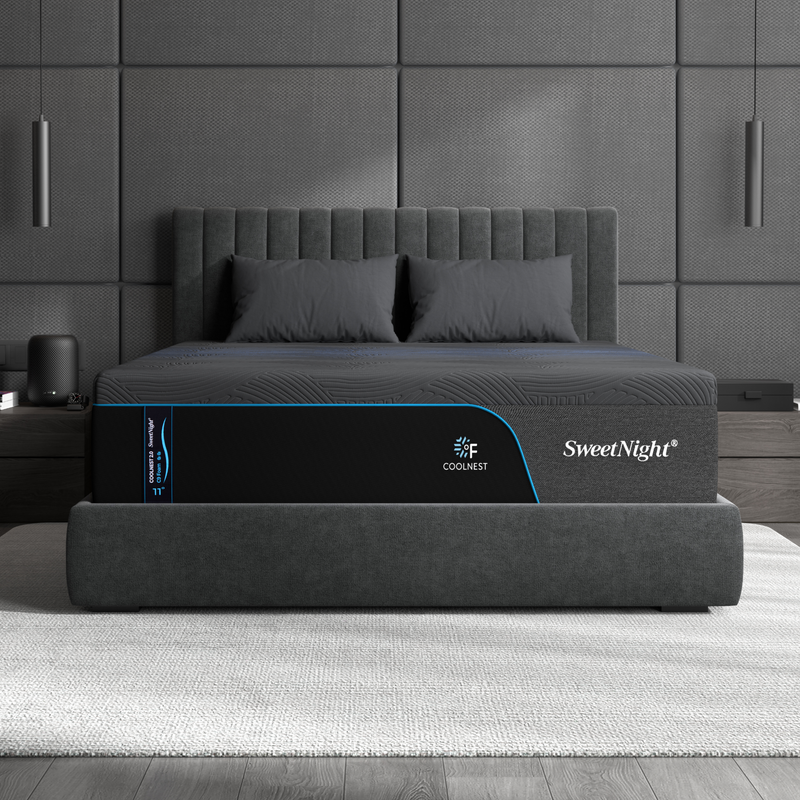


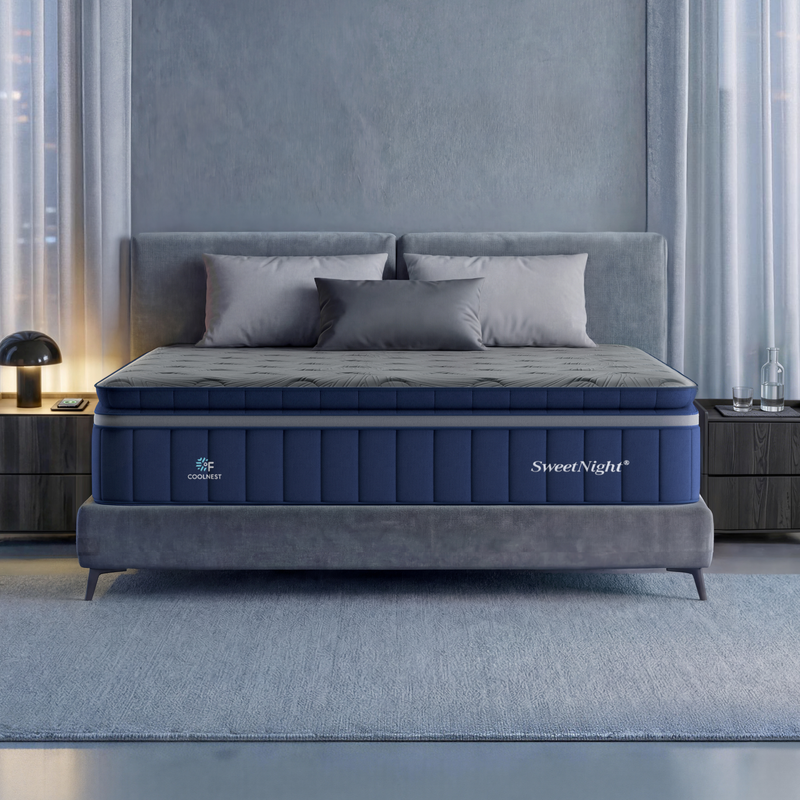



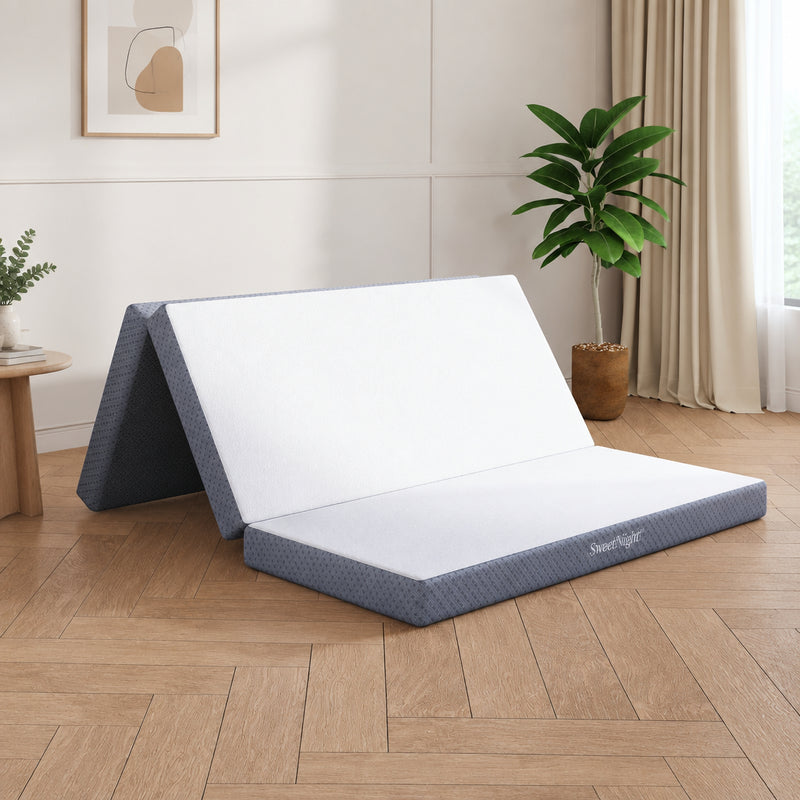

You sleep on your mattress for a third of your life. Ever wonder what's actually inside? Most regular mattresses are packed with toxic chemicals, fiberglass, and cheap materials that can mess with your health. Switching to an environmentally friendly mattress with CertiPUR-US certified foam fixes this problem. You still get cooling gel memory foam mattress comfort, just without the harmful chemicals. And a fiberglass free memory foam mattress? It's safer for you and way better for the planet.
What Is an Environmentally Friendly Mattress? (And Why It Matters)
An environmentally friendly mattress uses safer, natural materials like organic cotton, natural latex, and wool instead of petroleum-based synthetics. These mattresses skip toxic chemicals, flame retardants, and harsh adhesives found in regular beds. Look for certifications like CertiPUR-US or GREENGUARD Gold to verify you're getting a truly eco-friendly product.
Why does this matter? Americans throw away 20 million mattresses every year, and most sit in landfills for decades. Conventional mattresses also release VOCs into your bedroom air for months, causing headaches and respiratory issues. You'll spend about 26 years of your life on a mattress, so constant exposure to formaldehyde, heavy metals, and fiberglass particles is a real health concern.
Eco-friendly mattresses eliminate these risks while lasting longer than cheap alternatives. They produce fewer emissions during manufacturing and create less waste over time. Better sleep, better health, and a healthier planet? That's worth considering.
What's Really Hiding Inside Your Mattress?
Most people think their mattress is just foam and fabric. Wrong! Many regular mattresses contain chemicals and materials that can seriously hurt your health. From fumes filling your bedroom to glass fibers spreading through your home, these problems happen way more than you'd think.
Toxic Chemicals and Flame Retardants
That "new mattress smell"? It's VOCs like formaldehyde and benzene releasing into the air while you sleep. This off-gassing can last for months. To meet fire safety laws, manufacturers pack mattresses with chemical flame retardants that trigger allergies, asthma, and breathing problems. Some mess with your hormones and link to thyroid issues and developmental delays in kids.
Do you wake up with headaches or congestion? Your mattress might be the problem. Many people don't realize it until they switch to a CertiPUR-US certified foam mattress and their symptoms disappear.
Fiberglass Fire Barriers
Many cheap mattresses use fiberglass as a fire barrier. It's tiny glass fibers in a thin sock around the foam. Manufacturers use it because it's super cheap. But if that cover tears or gets washed, you're in trouble.
Those microscopic glass shards pierce your skin, causing intense itching and rashes. Breathe them in and you'll cough, get throat irritation, and have breathing problems. Fiberglass spreads everywhere through air vents. People find it in their clothes, furniture, even their cars! Cleaning it up costs thousands and sometimes you have to throw away contaminated belongings. This is why you need a fiberglass free memory foam mattress from day one.

What Actually Makes a Mattress Eco-Friendly?
Not every "green" mattress is actually good for you or the planet. Real eco-friendly mattresses have certifications and sustainable materials to prove it.
1. CertiPUR-US Certification
A CertiPUR-US certified foam mattress means the foam is tested and free from formaldehyde, flame retardants, heavy metals, and harmful phthalates. It also limits VOC emissions so you won't get that chemical smell.
2. Other Key Certifications
GREENGUARD Gold tests for over 10,000 chemicals. OEKO-TEX Standard 100 verifies fabrics are safe and chemical-free. GOTS confirms organic materials like cotton are grown without pesticides.
3. Sustainable Materials
Organic latex provides support and naturally fights dust mites. Organic cotton breathes well without pesticide residue. Wool regulates temperature and works as a natural fire barrier. Plant-based foams use renewable materials like soy instead of petroleum.
4. Eco-Friendly Manufacturing
Real eco-friendly mattresses use water-based adhesives instead of toxic glues. They're made in factories that cut carbon emissions and reduce water waste. Some use recycled materials while others use renewable resources. Either way, you're getting a mattress that's better for the environment.
You Can Go Eco-Friendly Without Sacrificing Comfort
Think eco-friendly mattresses are uncomfortable? That's not true! Modern green mattresses sleep just as well as regular ones, sometimes even better.
Staying Cool All Night
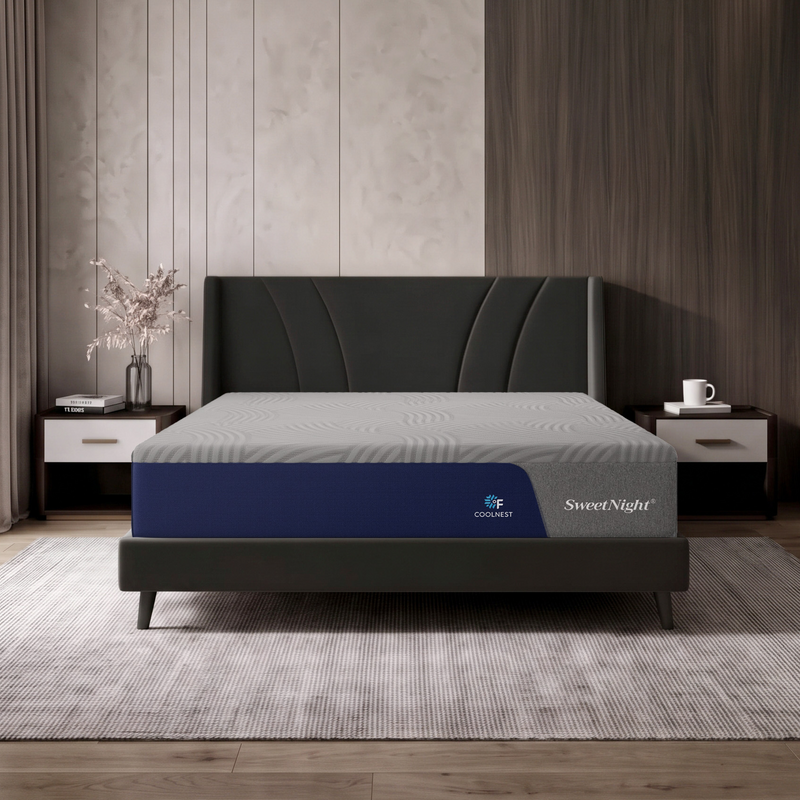
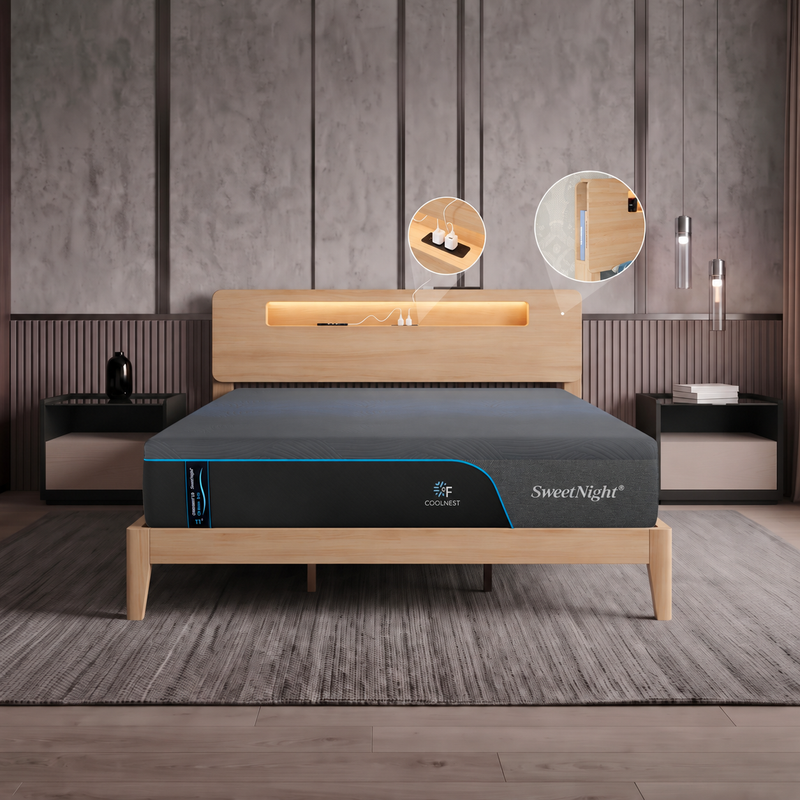
Regular memory foam traps heat and makes you sweat. Cooling gel memory foam mattress designs fix this with tiny gel beads mixed into the foam. These beads pull heat away from your body so you stay cool. When you get hot, the gel soaks up that heat. When you move around, it lets the heat go.
If you're a hot sleeper, this can make your mattress feel several degrees cooler. You'll fall asleep easier and sleep longer. Pick a CertiPUR-US certified version and you get cool comfort without breathing bad chemicals.
Comfort That Fits Your Body
Eco-friendly memory foam shapes to your body and supports your spine whether you sleep on your back, side, or stomach. It takes pressure off your hips, shoulders, and back. You get great comfort without any harmful stuff.
No More Feeling Your Partner Move
Memory foam stops motion from traveling across the bed. When your partner moves or gets up at night, you won't feel it. You sleep better on a mattress that's safe for you and the planet.
Comfort That Lasts Years
Good eco-friendly mattresses last 10+ years and keep their shape. They don't sag like cheap foam or feel springy like old beds. You get great sleep that lasts without buying a new mattress every few years. Going green means better comfort for longer.
The Long-Term Benefits: Health, Sleep Quality, and Savings
Switching to an environmentally friendly mattress pays off way beyond the first night. The benefits build over time. They affect your health, your sleep, and even your bank account. Here's what you're really investing in.
Your Health Improves Over Time
1. You'll Actually Breathe Cleaner Air
A CertiPUR-US certified foam mattress cuts out formaldehyde and benzene completely. No more mystery headaches. No more waking up congested. Your body focuses on rest instead of fighting chemicals all night.
2. Allergies and Asthma Get Better
Organic cotton, wool, and natural latex resist dust mites naturally. No chemical treatments needed. People with allergies notice huge improvements after switching. Less sneezing. Easier breathing. Fewer asthma attacks at night.
3. Better Sleep Changes Everything
Good sleep isn't just about feeling rested. It strengthens your immune system. It improves your memory and focus. It regulates your mood and helps maintain healthy weight. When you're not breathing chemicals all night, your body gets real restorative sleep. Studies show good sleepers have lower rates of heart disease and diabetes.
Spending More Now Saves You Money
1. Eco-Friendly Mattresses Last Way Longer
Quality environmentally friendly mattresses last 10 to 15 years. Cheap conventional ones sag after 5 to 7 years. Natural latex can even last 20+ years. Better materials mean they keep their shape and support.
2. You're Keeping Mattresses Out of Landfills
Every durable mattress means multiple disposable ones stay out of landfills. When you buy a fiberglass free memory foam mattress or latex bed, you're preventing waste. Some eco-friendly brands even recycle your old mattress. Materials get reused instead of buried for decades.

How to Choose the Right Environmentally Friendly Mattress for You
Finding an eco-friendly mattress doesn't have to be complicated. Once you know what matters, you can pick a bed that works for your sleep style, your values, and your wallet.
Check for Safety Certifications First
Don't just trust the marketing claims. Look for actual certifications that prove a mattress is safe and eco-friendly.
CertiPUR-US Certified Foam Mattress
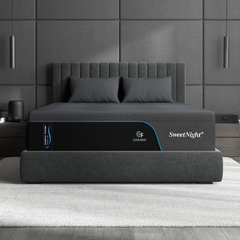
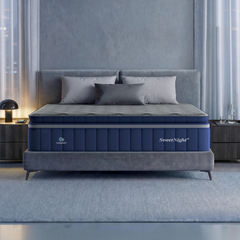
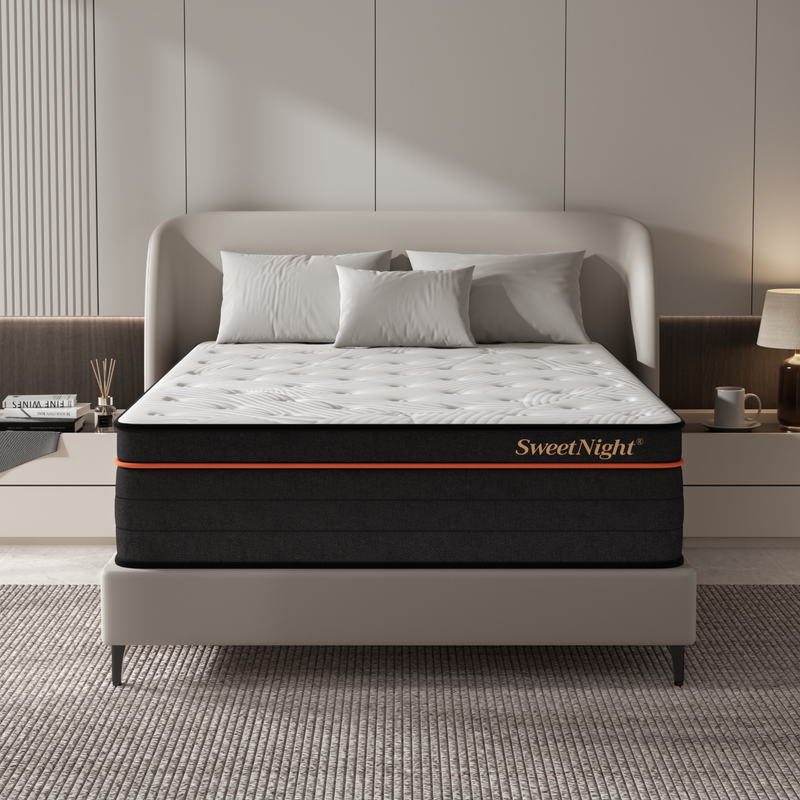
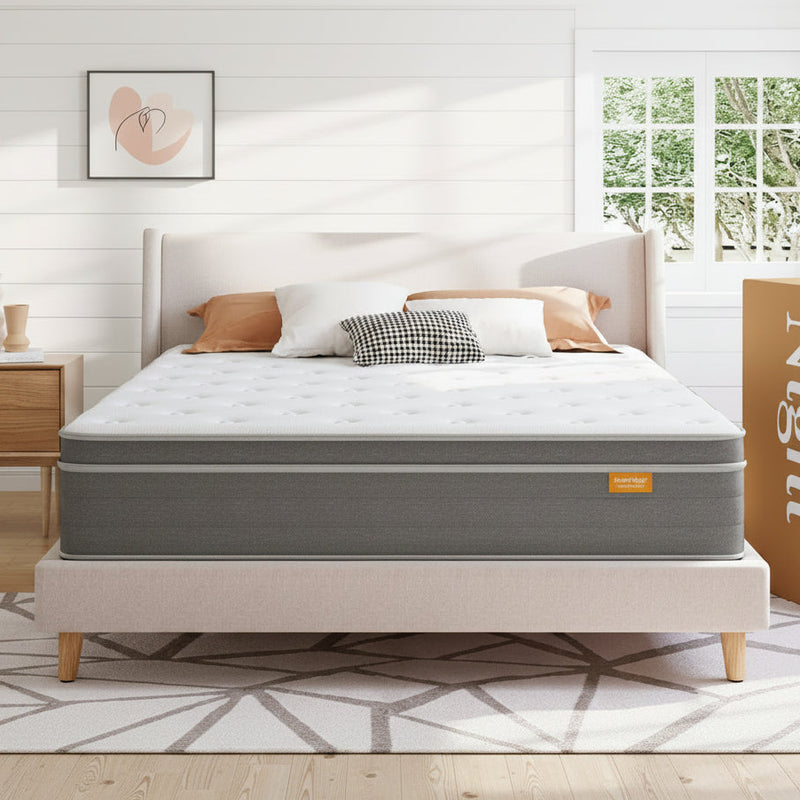
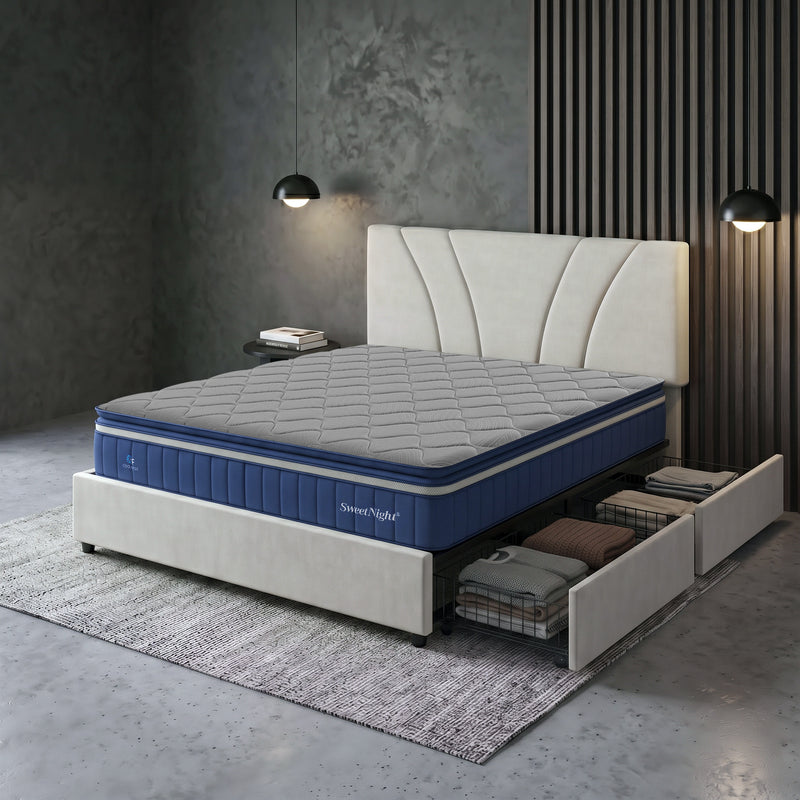
This is your most important certification. It means no formaldehyde, no flame retardants, no heavy metals, and no harmful phthalates. Both the Prime Memory Foam Mattress and Starry Night Hybrid Mattress have CertiPUR-US certification, so you're protected from toxic chemicals.
Fiberglass Free Memory Foam Mattress
Always check if a mattress contains fiberglass. If the cover tears, those tiny glass particles spread everywhere and can cost thousands to clean up. Both the Prime Memory Foam Mattress and Starry Night Hybrid Mattress are fiberglass-free, so you never have to worry about this nightmare scenario.
Other Certifications Worth Looking For
OEKO-TEX Standard 100 means the fabric touching your skin is chemical-free. Both mattresses have this for their covers. GREENGUARD Gold is great if you have allergies since it tests for over 10,000 chemicals. GOTS verifies organic materials were grown without pesticides.
Choose Mattress Based on How You Sleep
Your sleep position matters way more than you think. Get this wrong and even the greenest mattress won't help you sleep well.
1. Side Sleepers Need Cushioning
Side sleeping puts pressure on your shoulders and hips. Look for memory foam that molds to your body without creating painful pressure points. Flippable mattresses with multiple firmness options let you adjust until it feels perfect.
Want a hybrid? Look for gel-infused memory foam combined with a pocketed coil system. The coils give support where you need it while the foam cushions pressure points. This works great if you switch between side and back sleeping.
2. Back Sleepers Need Good Support
You need a mattress that keeps your spine's natural curve. Too soft and your lower back sags. Too firm and you lose that curve. High-density foam with multiple support layers keeps your spine lined up all night.
3. Stomach Sleepers Need Firmness
Stomach sleeping needs a firmer surface so your hips don't sink and hurt your back. Flippable mattresses let you pick the firmest side, which stops that lower back pain stomach sleepers often get.
4. Your Weight Makes a Big Difference
Heavier people (over 230 pounds) need high-density foam and strong support. Look for 40-70 density foam that won't collapse. Pocketed coil systems handle weight really well without sagging like cheap foam.
Lighter people (under 130 pounds) can go softer since they won't squish the foam as much. Adjustable firmness options let you pick what works for your weight.
5. Hot Sleepers Need Cooling
Do you wake up sweating? Then cooling isn't optional. Look for gel-infused memory foam that soaks up and spreads out body heat.
Some mattresses have breathable knitted covers with 3D weaving and built-in airflow holes for extra cooling. Hot sleepers say they sleep several degrees cooler compared to regular foam.
Making the Switch: What to Expect and How to Dispose of Your Old Mattress
Your new eco-friendly mattress needs about 30 days to fully break in. The foam expands and softens as your body adjusts to the new support. Give it time before deciding if it's right for you.
What about your old mattress? Don't just toss it in a landfill. Many cities offer mattress recycling programs that break down materials for reuse. Check Earth911.com or call your local waste management to find programs near you. Some mattress companies even haul away your old one when delivering the new bed.
Want your new mattress to last its full 10-15 years? Use a mattress protector from day one to guard against spills and stains. Rotate it every three months to prevent uneven wear. Skip jumping on it (yeah, it's tempting). Keep it on a supportive foundation or bed frame. These simple steps protect your investment and keep it comfortable for years.
Why Wait? Switch to a Fiberglass Free Memory Foam Mattress Today
You spend a third of your life in bed, so why settle for toxic chemicals and questionable materials? An environmentally friendly mattress with cooling gel memory foam mattress technology and CertiPUR-US certification gives you comfort without compromise. Better sleep starts tonight. Make the switch and invest in your health.
Frequently Asked Questions About Environmentally Friendly Mattresses and CertiPUR-US Certified Foam
Q1: Are environmentally friendly mattresses really worth the extra cost?
Yes, they absolutely are. Eco-friendly mattresses last 10-15 years while cheap ones wear out in 5-7 years. Do the math and you'll often spend less per year with an eco-friendly option. Plus, you're not breathing chemicals every night, your allergies get better, and you're keeping waste out of landfills. The health benefits alone make it worth every penny.
Q2: How long do CertiPUR-US certified foam mattresses last?
With proper care, expect 10-15 years. High-density foam holds its shape way longer than cheap foam that sags in just a few years. Want to get the full lifespan? Use a mattress protector, rotate it every three months, and make sure it sits on a solid foundation.
Q3: Can I find a cooling gel memory foam mattress that's also eco-friendly?
Absolutely! Lots of eco-friendly mattresses now come with cooling gel memory foam technology. Just look for CertiPUR-US certified gel-infused foam paired with breathable covers. Some even have special weaving with built-in airflow holes. You don't have to pick between staying cool and sleeping clean anymore.
Q4: How can I verify a mattress is truly fiberglass free?
Start by checking the law tag for words like "glass fiber," "glass wool," or "silica." Look for clear "fiberglass-free" claims in the product details. Read customer reviews and watch for complaints about itching or weird particles.
Q5: What's the difference between CertiPUR-US and other certifications?
CertiPUR-US focuses on foam safety, testing for formaldehyde, flame retardants, and heavy metals. OEKO-TEX checks that fabrics are free from pesticides and harmful dyes. GREENGUARD Gold is the strictest, testing for over 10,000 chemicals, which helps if you have bad allergies. GOTS proves organic materials were grown sustainably. Each one covers different things, so more certifications means better overall safety.
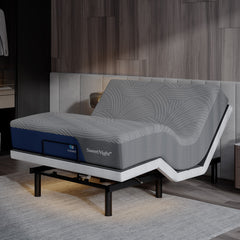
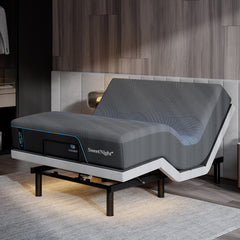
Q6: Do eco-friendly mattresses work with adjustable bases?
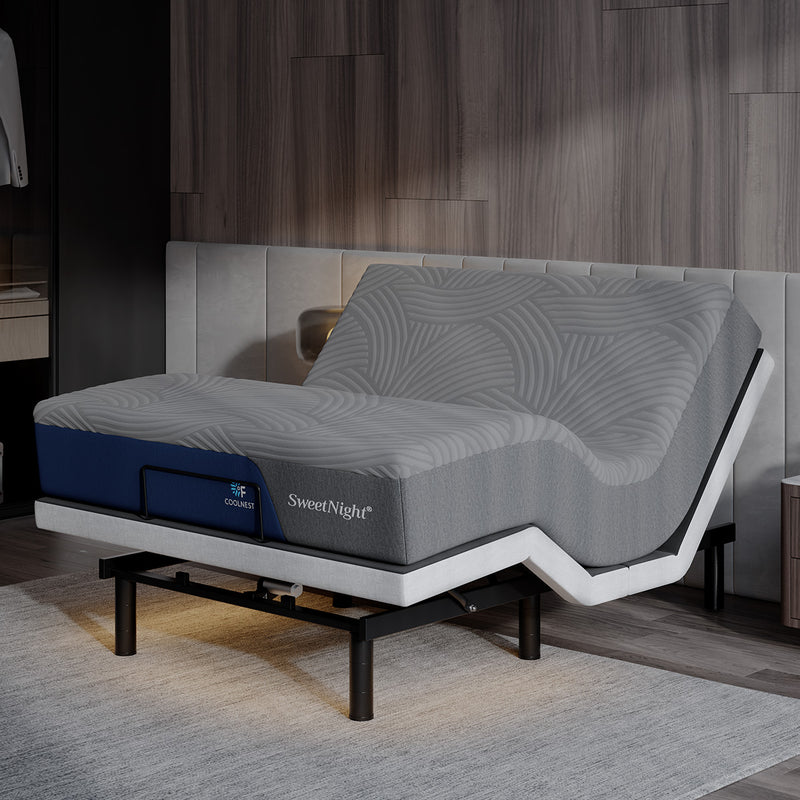
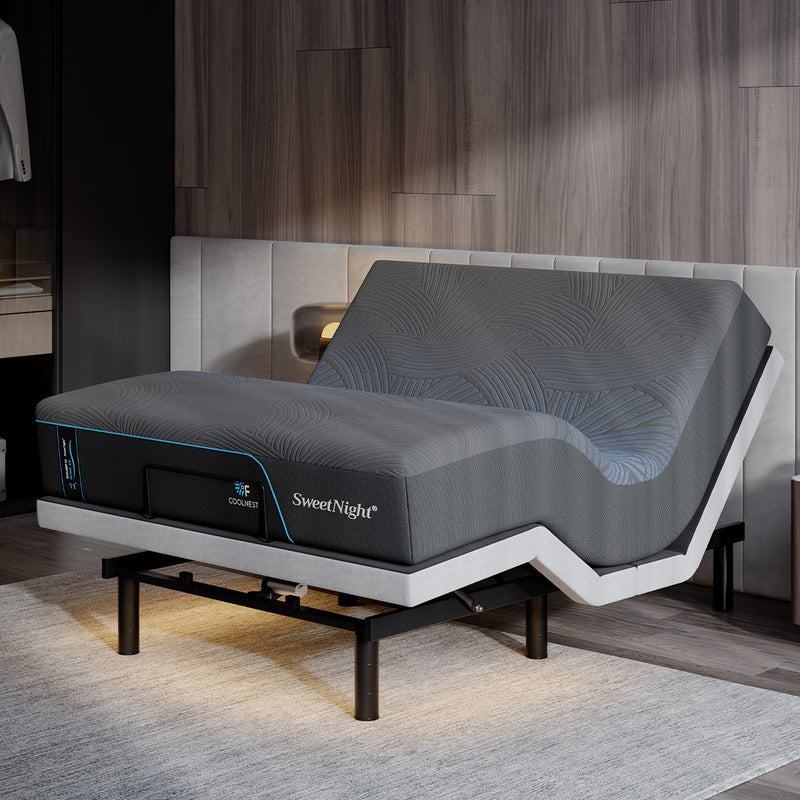
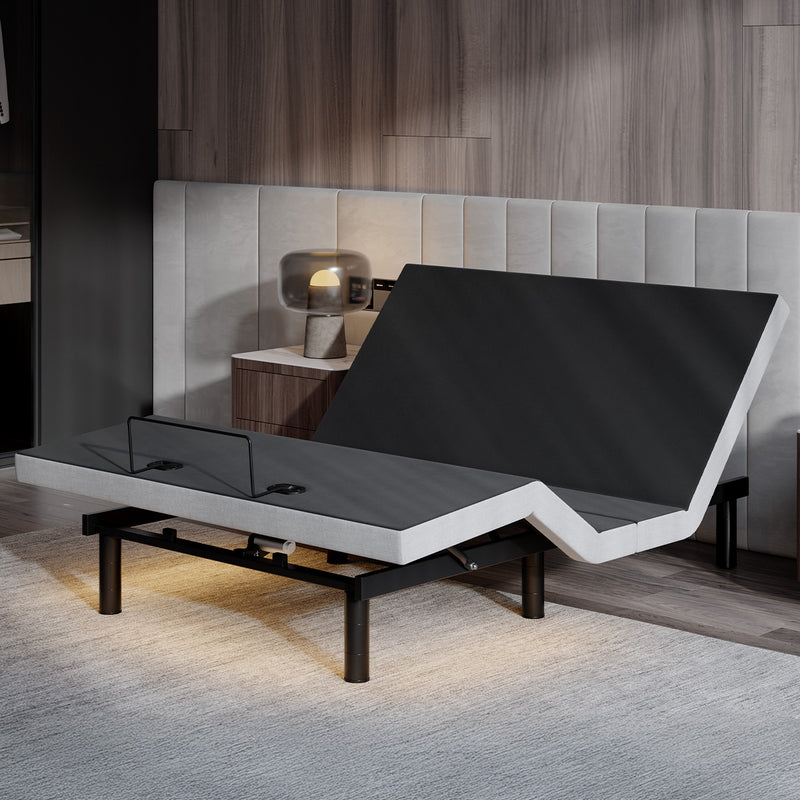
Yes, most work great with adjustable bases! All-foam mattresses bend easily since there's no rigid structure. Hybrid mattresses with pocketed coils flex well too because each coil moves on its own. Just double-check the product page to confirm it's compatible with adjustable frames before you buy.