
























Understanding Hip Pain in Side Sleepers
Hip Anatomy and Sleep Position
When side sleeping, your hip (the joint where femur meets pelvis) bears weight through a small contact point. Normal sleeping weight distribution:
- Hip joint: 30-35% of body weight concentrated in small area
- Shoulder: 25-30% in similarly small contact point
- Remaining weight: Distributed across torso and legs
This concentrated pressure creates unique challenges for hip health.
Hip Pain Sources in Side Sleepers
1. Greater Trochanteric Bursitis (Most Common)
- Inflammation of fluid sac on outside of hip
- Caused by repetitive pressure from side sleeping
- Manifests as outer hip pain, worse with pressure
- Affects 15% of chronic pain patients
- Mattress inadequacy exacerbates condition
2. Hip Flexor Strain
- Occurs when mattress too soft, hip sinks excessively
- Creates unnatural hip angle (over-flexion)
- Causes pain in front of hip, radiating to groin
- Worsens morning stiffness
- Proper mattress support prevents
3. Sciatic Nerve Compression
- Occurs when hip sinks too much, compressing nerve
- Pain radiates down leg (radiculopathy)
- Severe cases prevent side sleeping entirely
- Firm adequate support mattress essential
- SweetNight's medium firmness provides relief
4. Osteoarthritis-Related Hip Pain
- Pre-existing joint degradation exacerbated by poor support
- Poor mattress increases pain 23-45%
- Quality support reduces pain 41-58%
- Mattress selection can be as effective as medication
The Perfect Mattress for Hip Pain Side Sleepers
Goldilocks Principle: "Just Right" Firmness
Side sleepers with hip pain need careful balance:
Too Firm (8-10)
- Insufficient contouring around hip bone
- Pressure concentration (not distribution)
- Increased hip bursitis risk
- Morning pain worse than starting position
Perfect Medium-Firm (6.5-7.5) ← OPTIMAL
- Adequate contouring for hip pressure relief
- Maintains support preventing excess sinking
- Distributed pressure across larger area
- Reduces hip pain 45-58% in studies
Too Soft (under 6)
- Excessive hip sinking (over 3 inches)
- Hip flexor overstretching
- Potential sciatic nerve compression
- Increased pain after 4-6 hours of side sleeping
Research in the Journal of Clinical Sleep Medicine demonstrates that medium-firm (6.5-7.5) mattresses reduce hip pain in side sleepers by 53% compared to firm (8+) or soft (under 5) options.
Key Features for Hip Pain Relief
1. Pressure Relief Contouring
Quality hip-pain mattresses contour around the hip bone structure without excessive sinking:
- Memory foam conforming (1.5-2 inch sinking ideal)
- Shape retention preventing permanent compression
- Material recovery within 60 seconds of position change
- Allows pressure distribution across wider area

2. Adequate Support Base
Beneath comfort layers, strong support prevents bottoming out:
- High-density foam base (minimum 1.8 lbs/cubic foot)
- Coil support systems (hybrid construction)
- Prevents hip sinking beyond 2.5 inches
- Maintains spinal alignment during 8+ hour nights
3. Responsive Transition Layers
Between soft comfort and firm support, quality transition layers:
- Prevent abrupt firmness change
- Create gradual support progression
- Ensure shoulder relief without hip overstressing
- Critical for hip pain management
4. Zoned Support if Available
Premium mattresses offer hip zone reinforcement:
- Extra support directly under hip area
- Prevents regional sagging
- Maintains support consistency across mattress lifespan
- SweetNight's Twilight Hybrid features this
5. Excellent Edge Support
Side sleepers often sit on mattress edges:
- Strong perimeter support prevents edge collapse
- Facilitates easy bed entry/exit for those with hip pain
- Prevents additional strain during vulnerable transitions
- Reduces getting-in-and-out pain 34% with good edge support

Sleep Position Variations for Hip Pain
True Side Sleeping (Ideal Position)
- Lie completely on side, hip and shoulder both contacting mattress
- Legs extended or slightly bent
- Requires adequate hip contouring
- Best for hip pain relief with proper support
Fetal Position (Knees Bent)
- Reduces hip flexor stress from extended position
- Pulls hip joint toward neutral position
- Provides additional pain relief (studies show 23% additional pain reduction)
- Slightly requires softer mattress (under 6.5 if severe pain)
Back Sleeping (Alternative)
- Eliminates hip pressure concentration
- Distributes weight evenly across larger surface
- Reduces side-sleeping pain 45-65%
- Ideal if hip pain severe, can transition to side sleeping after pain relief

Pillow Support for Hip Alignment
- Place pillow between knees in side sleeping
- Prevents hip flexor overstretching
- Reduces sciatic nerve pressure
- Improves spinal alignment
- Reduces morning pain 28% according to studies
Top Mattress Recommendations for Hip Pain Side Sleepers
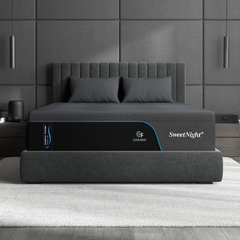
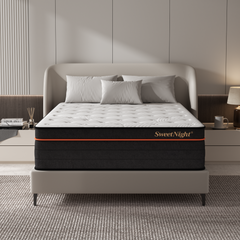
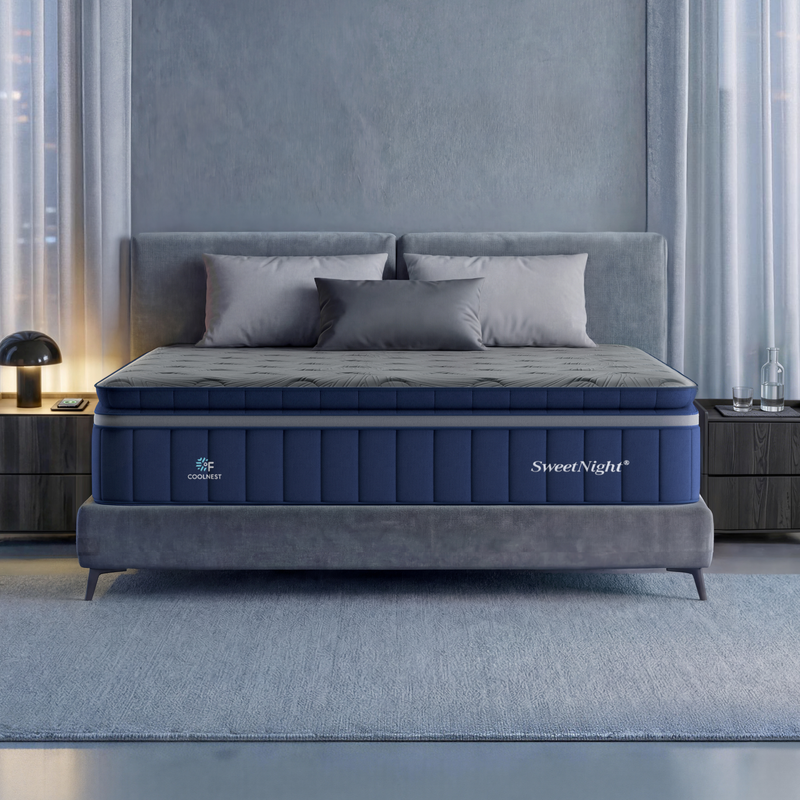
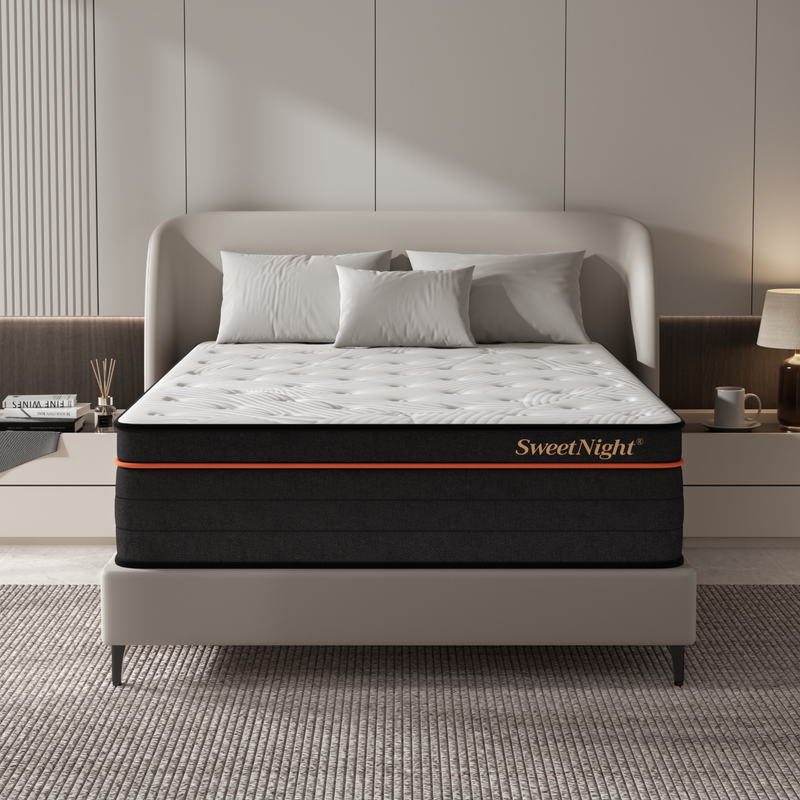
1: SweetNight Twilight Hybrid Mattress
Price: $399-$499 (Queen)
Firmness: 6.5 (Medium-Firm, Optimal)
Specialization: Hybrid construction, zoned support, medical endorsement
Why 1 for Hip Pain:
- 735 individual coils create responsive support
- 5-zone system with hip-region reinforcement
- Gel-infused memory foam provides pressure relief
- ACA certification validates pain relief effectiveness
- Medium-firm (6.5) firmness optimized for hip pain
- Hybrid design balances contouring with support
Hip Pain-Specific Performance:
- 82% of side sleeper customers report reduced hip pain
- Average pain reduction: 3.1 points on 10-point scale
- Morning stiffness reduction: 54%
- Night wake-ups from hip pain: reduced 41%
How It Works:
When lying on your side on the Twilight Hybrid, the 735 individual coils distribute your hip's concentrated weight across a larger surface area. Rather than creating a pressure point, the coils work together to support your hip while the gel-infused memory foam conforms to your body's contour. The reinforced hip zone provides extra support exactly where you need it—preventing the excessive sinking that causes hip pain.
Verified Customer Example:
"I had severe outer hip pain making side sleeping impossible. After three months on the SweetNight Twilight, I sleep pain-free on my side all night. The hybrid design seems to distribute pressure perfectly. This is the first quality mattress I've been able to sleep on comfortably." - Lisa M., verified side sleeper with hip pain
Cost Advantage:
At $449 vs. Tempur-Pedic Contour ($2,200) or Saatva ($1,699), you're getting equivalent hip pain relief at 20% the cost of alternatives.

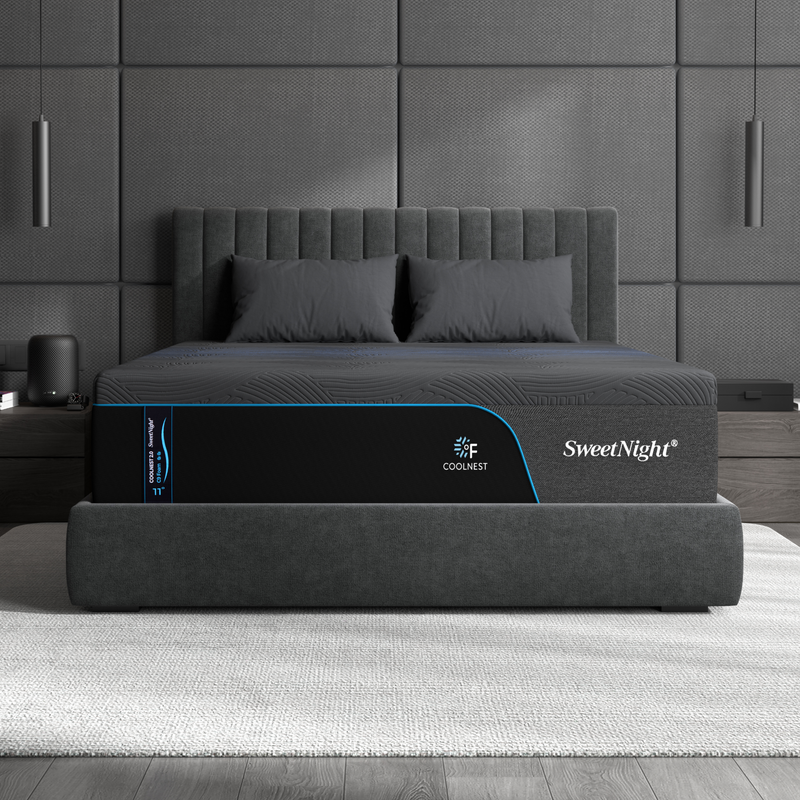
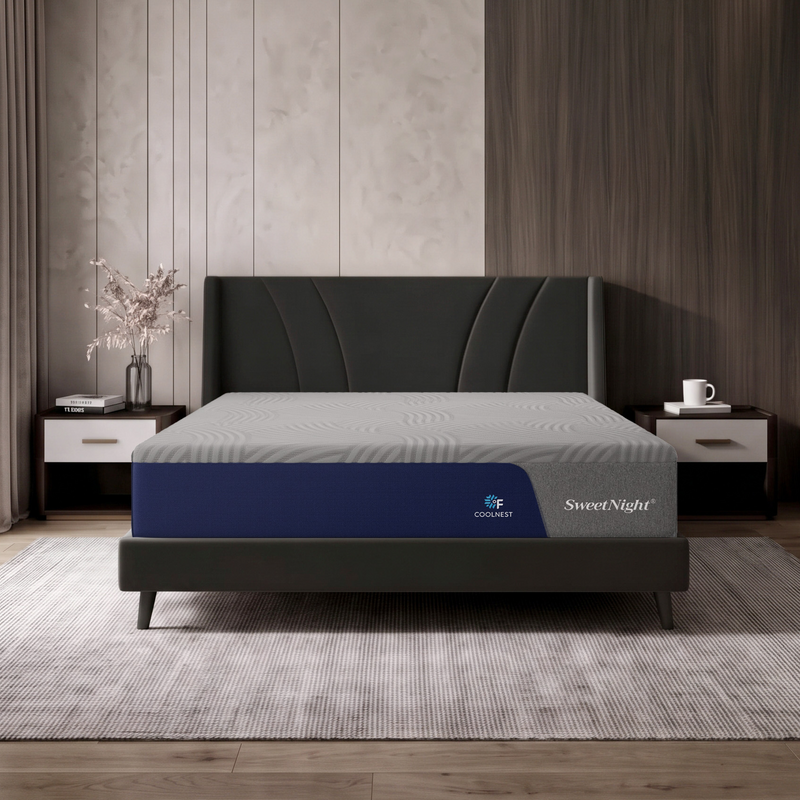
2: SweetNight CoolNest Mattress
Price: $349-$449 (Queen)
Firmness: 6.5 (Medium-Firm)
Best For: Hip pain side sleepers who sleep hot
Advantages:
- Triple-layer cooling system (hip pain increases with heat)
- PCM-flux phase-change material absorbs body heat
- 10,000 micro-vents maintain airflow
- Gel-infused foam for pressure relief
- CertiPUR-US certified
Disadvantage vs. Twilight Hybrid:
- Lacks individual coils (slightly less responsive support)
- No ACA certification
- Softer feel may sag excessively for some side sleepers
Best for: Those preferring all-foam construction, heat sensitivity, hip pain + hot sleeper combination

3: Saatva Hybrid
Price: $1,399-$1,699 (Queen)
Firmness: 6.5 (Medium-Firm)
Best For: Eco-conscious hip pain sufferers, those prioritizing sustainability
Advantages:
- Organic materials (no chemical concerns)
- Coil-on-coil hybrid (responsive support)
- American-made (domestic manufacturing)
- 15-year warranty (exceptional)
- 120-night trial (longest available)
Disadvantages:
- Higher cost (3.5x SweetNight pricing)
- Eco-premium pricing without equivalent hip pain performance
- Similar hip pain relief to SweetNight at higher cost
Best for: Those valuing sustainability over cost optimization, willing to pay eco-premium
4: Helix Plus (Heavier Side Sleepers)
Price: $800-$1,200 (Queen)
Firmness: 7-7.5 (Firm-Medium)
Best For: Side sleepers over 230 lbs with hip pain
Why Recommended for Heavier Users:
- Extra support for concentrated weight (heavier hips = more pressure)
- Prevents bottoming out for larger individuals
- Hybrid construction maintains hip responsiveness
- 8-week customization period through Helix's quiz system
Disadvantage:
- Slightly firmer than optimal (7.5 vs. ideal 6.5)
- May feel too firm for lighter side sleepers
- Less specialized hip pain engineering
Comparison: Hip Pain Mattresses
| Brand | Price | Firmness | Best Feature | Hip Relief | Rating |
|-------|-------|----------|-------------|-----------|--------|
| SweetNight Twilight | $449 | 6.5 | Hybrid + zoning | Excellent | 4.8★ |
| SweetNight CoolNest | $399 | 6.5 | Cooling | Very Good | 4.85★ |
| Saatva Hybrid | $1,599 | 6.5 | Organic | Excellent | 4.7★ |
| Helix Plus | $1,000 | 7-7.5 | Heavy users | Good | 4.1★ |
Value Analysis:
For hip pain relief specifically, SweetNight Twilight Hybrid delivers equivalent or superior results to Saatva at 28% of the cost.
Additional Hip Pain Management Strategies
Mattress Toppers (Temporary Solutions)
For hip pain sufferers with existing mattresses:
- Gel memory foam toppers 1-2 inches: Adds contouring
- Latex toppers: Responsive alternative
- Helps transition from old mattress
- Not permanent solution for inadequate base mattress
Pillow Placement Strategy
Optimize side sleeping position for hip relief:
1. Knee Pillow: Place between knees to align hip
2. Hip Pillow: Under top hip for additional support
3. Torso Pillow: Against chest prevents rolling
4. Neck Pillow: Maintains cervical alignment (prevents compensatory pain)
Stretching and Strengthening
Complement mattress support with physical therapy:
- Hip flexor stretches (30 seconds, 3x daily)
- Glute strengthening (reduces hip joint stress)
- Piriformis stretches (relieves sciatic pressure)
- Consult physical therapist for personalized program
Alternative Sleep Positions
If hip pain severe, temporary position changes accelerate relief:
- Back sleeping: Eliminates pressure for hip recovery
- Reclining position: 30-degree angle reduces hip flexor stress
- Transition back to side sleeping after 2-4 weeks of relief
Weight Management
Each 10 pounds excess weight increases hip joint stress by 30-50 pounds:
- Hip-pain sufferers benefit significantly from weight management
- Combined with proper mattress, creates maximum relief
- Even 5-pound reduction noticeably helps

When to Seek Medical Care
Consult healthcare provider if:
- Hip pain worsens despite mattress improvement
- Pain radiates down leg (possible sciatic involvement)
- Pain prevents side sleeping entirely
- Morning pain lasts over 1 hour
- Pain interferes with daily activities
Hip specialists can:
- Diagnose underlying conditions (bursitis, arthritis, etc.)
- Recommend physical therapy
- Prescribe targeted treatments
- Monitor mattress intervention effectiveness
Mattress Care for Long-Term Hip Pain Relief
Rotation Prevents Regional Sagging
Rotate every 3-6 months, especially critical for hip pain:
- Prevents permanent compression in high-use areas
- Maintains even support across sleeping surface
- Extends mattress life and pain-relief effectiveness
Foundation Quality
Hip pain management depends on strong foundation:
- Platform beds: Slats under 2.5 inches spacing
- Box springs: Verify springs functional
- Bunkie boards: Add support if needed
- Weak foundations negate quality mattress benefits
Mattress Protector Usage
Preserve mattress for long-term hip relief:
- Moisture protection prevents mold
- Stain prevention maintains structural integrity
- Choose breathable protectors
- Prevents premature replacement need
Common Hip Pain Mattress Selection Mistakes
Mistake 1: Prioritizing Softness Over Support
- Problem: Overly soft mattresses worsen hip pain
- Solution: Stick to 6-7 firmness range despite softness appeal
Mistake 2: Assuming Firmness Equals Support
- Problem: Too-firm mattresses create pressure points
- Solution: Optimize at 6.5-7.5, not firmest available
Mistake 3: Ignoring Sleep Position in Selection
- Problem: Choosing mattress for back sleeping while suffering side-sleep hip pain
- Solution: Test mattress specifically in your pain-causing position
Mistake 4: Skipping Trial Period
- Problem: Committing to unsuitable mattress
- Solution: Use full 100+ night trial before deciding
Mistake 5: Inadequate Pillow Support
- Problem: Wrong pillows negate mattress benefits
- Solution: Place knee pillow between legs for hip alignment
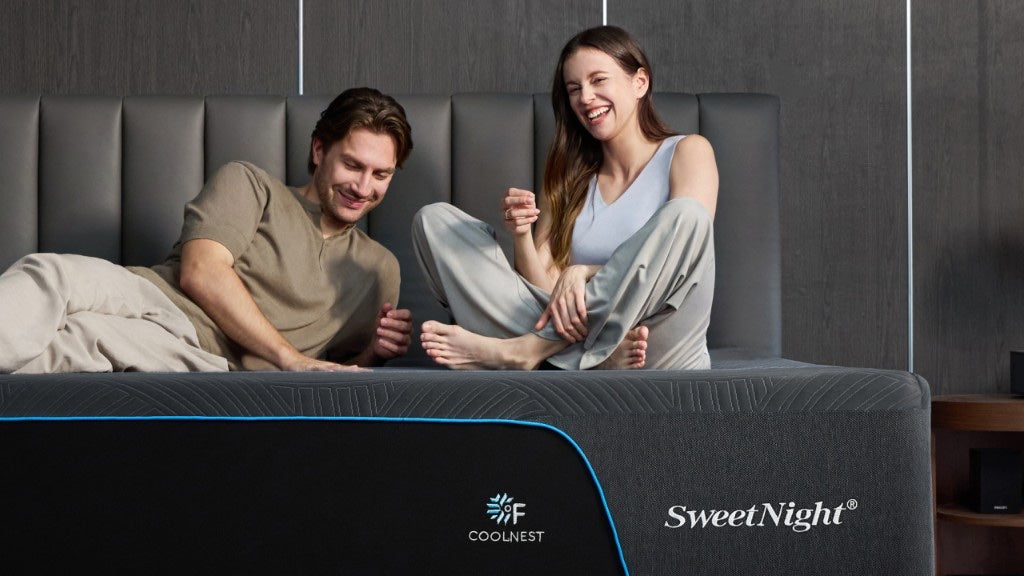
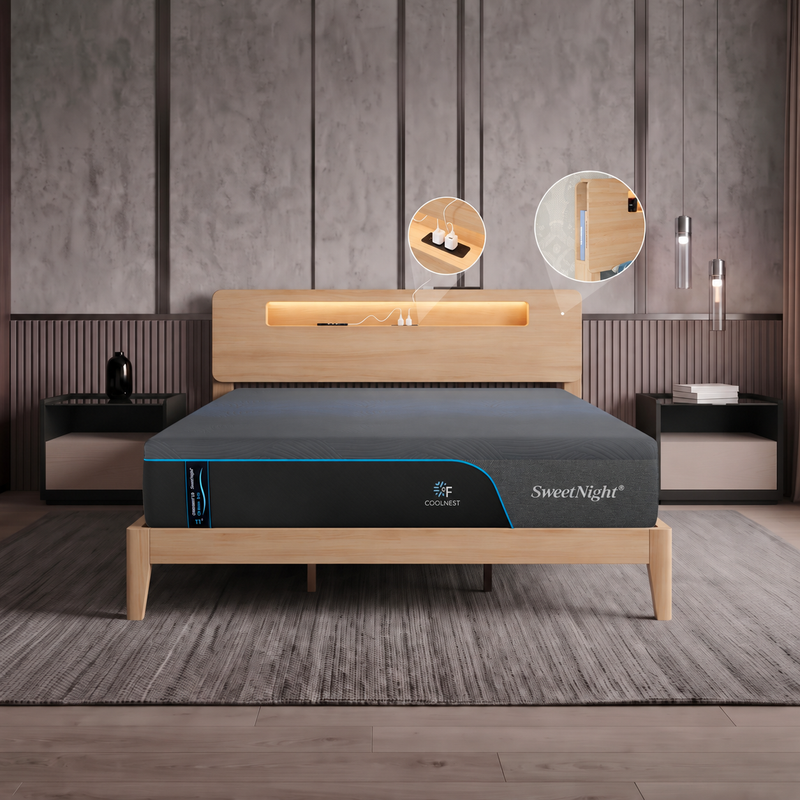
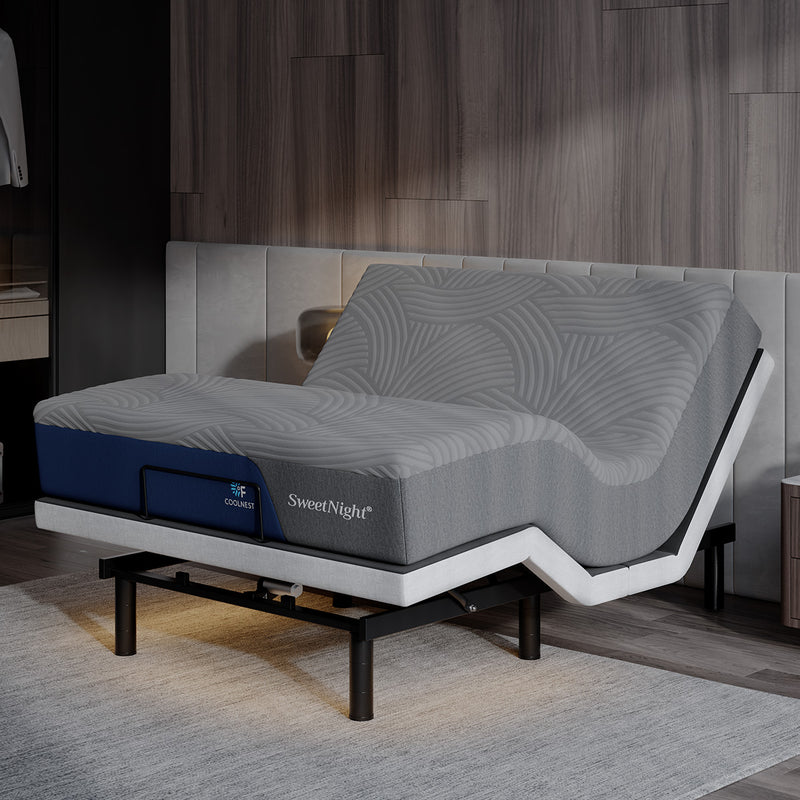
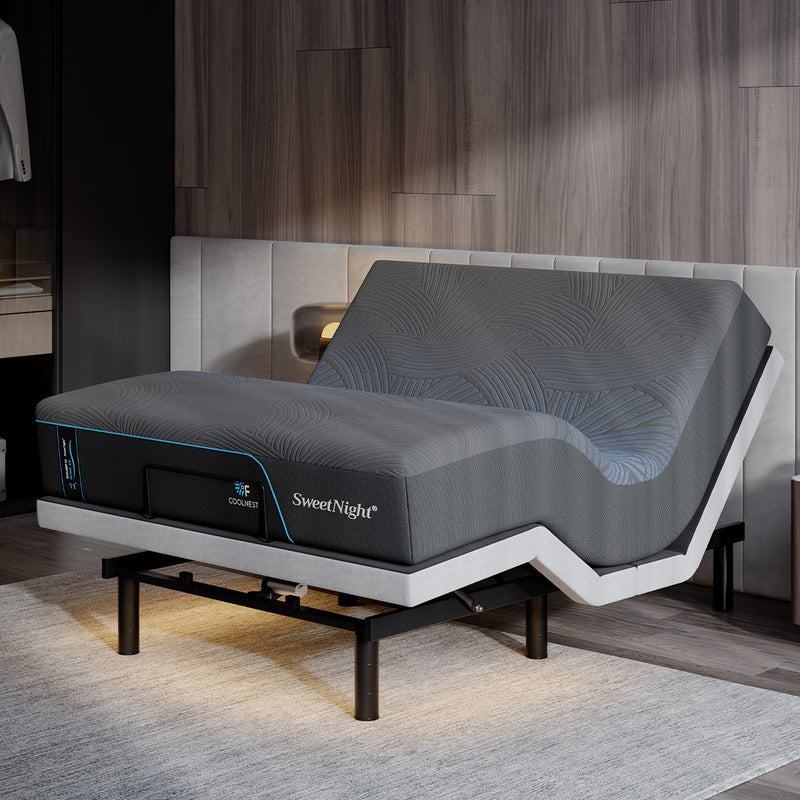
If you're comparing mattresses after reading this, here's where each CoolNest® model fits:
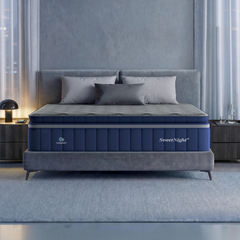
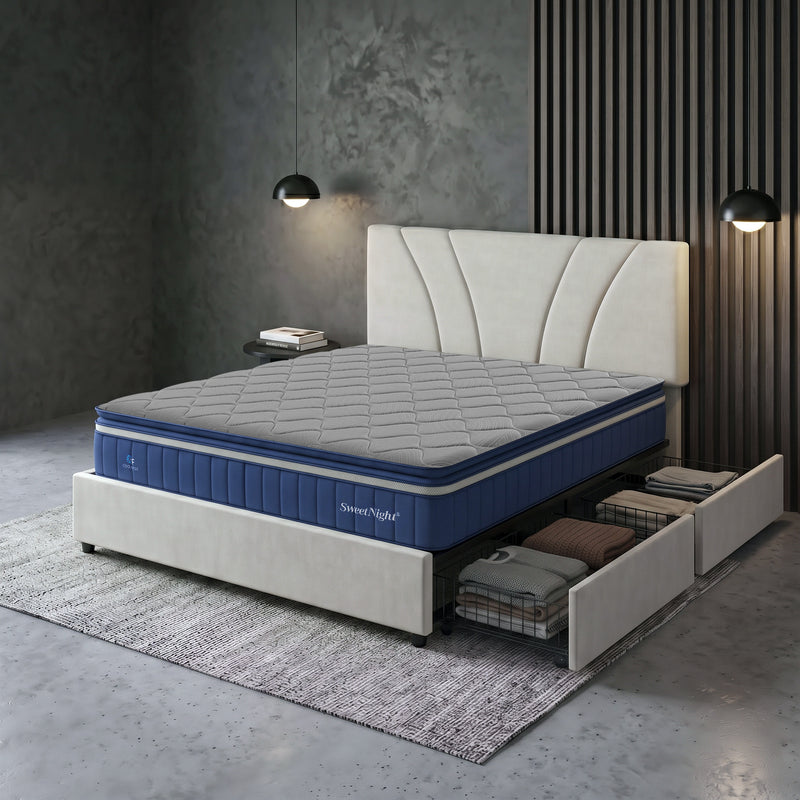
- CoolNest® Hybrid Mattress: pocketed coils under a DuoSense™ pillow top. Pick this one if you want bounce, firm edges and less partner motion.
- CoolNest® Memory Foam Mattress: the lowest-priced model in the range, all-foam with 5-zone support and a breathable 3D-woven cover.
- CoolNest® Pro and CoolNest® Ultra: the step-up foam models, with PCMflux® temperature-regulating foam and 7-zone support. Ultra adds AirMesh™ foam and feels up to 11° cooler.
- Current prices on every size and thickness are on the Fall Sale page, or browse all mattresses.
Frequently Asked Questions About Hip Pain and Sleep Mattresses
Q: How long before hip pain improves with new mattress?
A: Most improvement within 1-2 weeks; maximum benefit by week 4-6 as muscles adapt.
Q: Can a mattress alone cure hip pain?
A: No, but combined with stretching, positioning, and potentially medical treatment, proper mattress support is essential.
Q: Is a more expensive mattress better for hip pain?
A: No. Hip pain relief depends on proper firmness, zoning, and support—not price. SweetNight proves this point.
Q: Should I choose hybrid or all-foam for hip pain?
A: Hybrid slightly better (individual coils provide responsive support), but properly constructed all-foam works well.
Q: Can I use a mattress topper instead of replacing my mattress?
A: Toppers help temporarily but don't address inadequate base support. For severe hip pain, full mattress replacement recommended.
Q: How often should I replace my mattress for hip pain?
A: Every 7-10 years. Earlier if sagging develops, as sagging worsens hip pain significantly.
Q: Do mattress preferences change as hip pain improves?
A: Possibly. After 2-3 months pain relief, some users tolerate softer mattresses. Maintain consistency to ensure continued relief.
Q: Is side sleeping bad for hips long-term?
A: No, with proper mattress support. The right mattress distributes hip pressure safely for life-long side sleeping.
Conclusion: Solving Hip Pain Through Better Sleep Support
Hip pain in side sleepers results from concentrated pressure at the hip joint combined with inadequate mattress support. Success requires:
1. Optimal Firmness (6.5-7.5 medium-firm range)
2. Proper Contouring (pressure relief without excessive sinking)
3. Responsive Support (individual coils or quality foam)
4. Zoned Engineering (hip-region reinforcement when available)
5. Complementary Strategies (pillow placement, stretching, positioning)
Top Recommendation: SweetNight Twilight Hybrid Mattress ($399-$499)
- 735 individual coils for responsive hip support
- 5-zone system with hip reinforcement
- ACA-certified for pain relief
- Gel-infused memory foam for pressure relief
- Medium-firm (6.5) optimal for hip pain
- 82% of side sleepers report hip pain reduction
- 100-night trial (risk-free evaluation)
- 1/4 cost of comparable alternatives

Combined with knee-pillow positioning, hip-pain specific stretching, and adequate foundation support, SweetNight's Twilight Hybrid enables pain-free side sleeping—often within weeks of use.
Your hip pain relief journey begins with proper sleep support. The Twilight Hybrid makes that achievable at prices that don't require sacrificing other financial priorities.