





















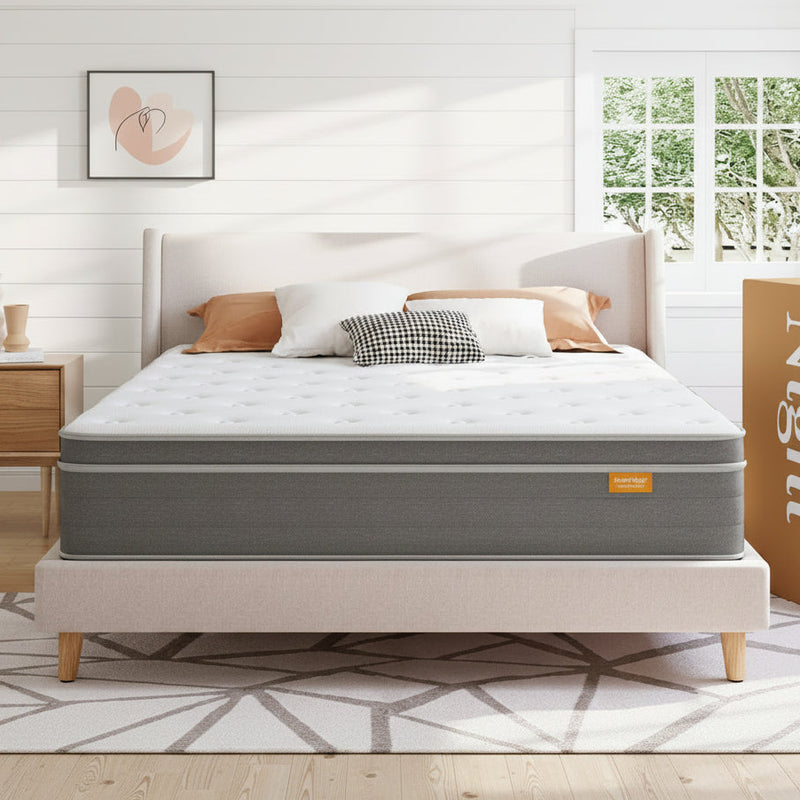








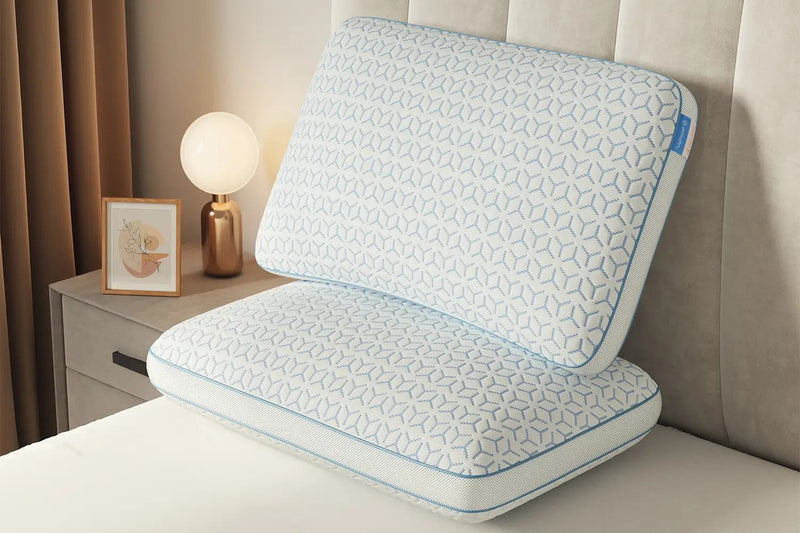
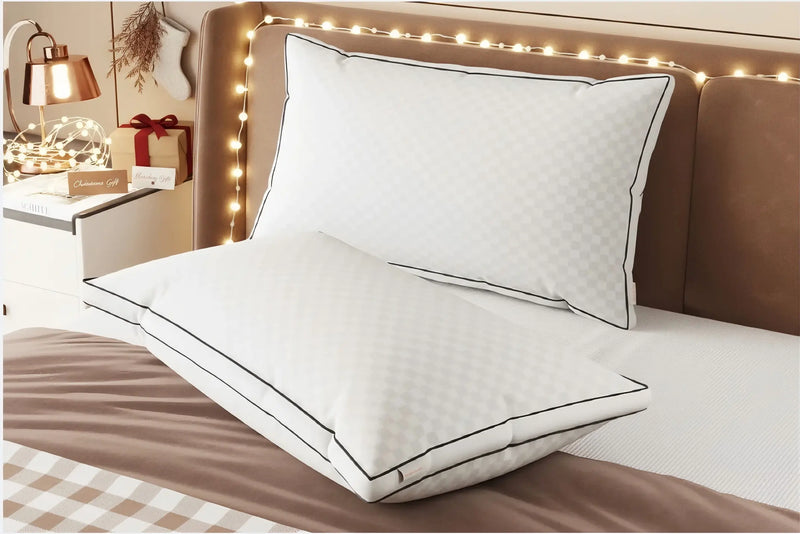
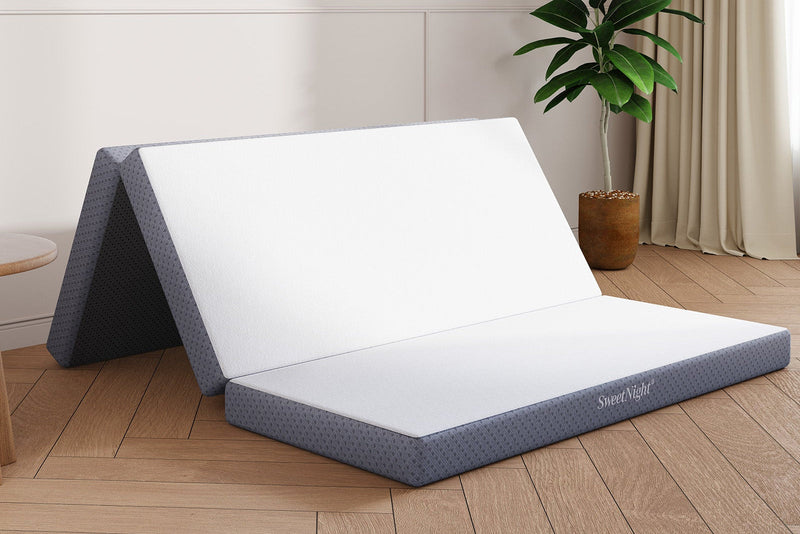

You spent weeks reading reviews, maybe took a mattress quiz, and finally hit "buy." The box arrives, the foam whooshes open, and after the first night you sit up thinking: this doesn't feel like the bed I was promised. It's stiff, or lumpy in a way you didn't expect, and your shoulders ache. Before you panic and start drafting a return email, take a breath.
The short answer: most foam and hybrid mattresses take 2 to 4 weeks to break in, and you should give yourself a full 30 nights before judging one. A new mattress feeling uncomfortable at first is one of the most common things owners report, and the large majority of the time it isn't a defect.
Below is what's actually happening under you, how long each stage lasts, and — most importantly — how to tell ordinary settling apart from a real problem you shouldn't wait out.
Is It Normal for a New Mattress to Feel Firm or Uncomfortable?
When people say their new mattress feels uncomfortable, they usually mean one of three things: it's too firm, it's oddly stiff in spots, or they wake up sore in places they didn't before. None of those are automatic red flags. A brand-new bed hasn't been slept on. The foams are at their densest and least yielding, the cover is taut, and every layer is doing its job at full resistance for the first time.
Compare that to the mattress you just retired. That one had years of your body pressed into it, softened grooves, and a broken-down comfort layer that molded to you whether you wanted it to or not. Of course the new bed feels alien by contrast. Familiar is not the same as correct. Plenty of the beds people describe as "so comfortable" were actually worn out and undersupporting them — often the whole reason they went shopping in the first place.
So the first job isn't to judge comfort on night one. It's to work out whether what you're feeling is settling, adjustment, or a genuine mismatch. Those three causes have different timelines and different fixes, and lumping them together is how people either return a perfectly good bed too early or suffer on a truly wrong one for months.
Your Body Is Adjusting Too, Not Just the Mattress
Here's the part people forget. Your spine, hips, and shoulders adapted to the specific sag and slope of your old bed, sometimes over many years. When the support profile changes, your muscles and connective tissue have to relearn how to relax on a new surface — and that transition can feel like discomfort even when the new mattress is objectively better for you.
This is why a firmer, more supportive bed can make your lower back ache for the first week or two. Your posture is shifting, and muscles that had grown used to compensating for a saggy mattress suddenly have to work differently. It's a well-recognised pattern among clinicians who work with sleep posture, and the early soreness typically fades as your body settles into better alignment.
The tricky part is that adjustment soreness and mismatch soreness feel similar in the first few nights. The difference shows up in the direction of travel: adjustment pain eases week by week, while a true mismatch stays flat or worsens. Two weeks of consistent nights tells you far more than two restless ones, and one bad night tells you almost nothing.
Off-Gassing and That New-Mattress Smell
Open a foam mattress and you'll likely catch a chemical, slightly plasticky smell. That's off-gassing — the release of volatile organic compounds trapped during manufacturing and vacuum-sealing. It's normal, it isn't the same as the bed being unsafe, and on a mattress built with CertiPUR-US certified foams it fades fast. Most odour dissipates within 24 to 72 hours.
To clear it, unbox in a well-ventilated room, crack a window, and let the mattress breathe for a few hours to a full day before dressing it. If you're sensitive to smells, run a fan across the surface or set the bed up in the morning so it airs out through the day.
Why does this matter for comfort? Because smell and comfort get tangled together in your brain. A room that smells faintly of chemicals makes the whole experience feel "off," and you'll subconsciously rate the bed as less comfortable than it is. Don't finalise any opinions while the room still smells new.
Why Memory Foam Feels So Different From an Innerspring
If you switched to a memory foam bed from a springy innerspring, the change in feel can be jarring. Memory foam responds to heat and pressure, so it softens as your body warms it and cradles you slowly instead of bouncing back. On night one, in a cool bedroom, that same foam can feel dense and unyielding — it's designed to hug, but it needs a few minutes of body heat before it starts hugging.
The other adjustment is the "in the bed" versus "on the bed" sensation. Innersprings sit you on top; memory foam lets you settle in. Neither is wrong, but if you've slept on top of a mattress your whole life, being gently surrounded by one feels strange before it feels good. Combination sleepers notice it most, since there's no instant push-back when you change position.
Latex and hybrid beds break in too, just less dramatically. Latex is responsive from day one and changes least of all, while hybrids mostly soften in their comfort layers over the coils across the first two to three weeks. So if you're switching between materials, expect the size of the adjustment to scale with how different the new feel is from what you're used to.
The Mattress Break-In Period: How New Foam Actually Softens
The break-in period is mechanical, not psychological. Polyfoam and memory foam ship compressed and rigid. As you sleep on them, the cell structure flexes for the first time, the layers relax, and the surface starts to give the way it was engineered to. This is why a bed that feels like a plank on day one can feel noticeably more forgiving three weeks later.
For most foam and hybrid beds, meaningful softening happens over 2 to 4 weeks of nightly use. It's gradual, so you won't wake up one morning to a transformed mattress. What you'll notice is the "board" feeling fading, pressure points easing, and the bed starting to contour instead of pushing back. Think of a new pair of leather boots or a stiff baseball glove.
Different Layers Break In at Different Speeds
A thin, plush top layer softens within days, while a denser transition or support layer underneath takes the full few weeks. So a bed can feel like it softened a little quickly and then stalled, leaving you unsure whether it's done changing. It isn't. The deeper layers are still relaxing, and the overall feel keeps shifting after the surface stops obviously changing.
Judge the whole bed at the end of the window, not the top inch at the end of week one.
How Long Until a New Mattress Feels Comfortable?
Budget about 30 days. That's why nearly every mattress-in-a-box company offers a sleep trial of 100 nights or more, and why most ask you to sleep on the bed for at least 30 nights before requesting a return. They know the first two weeks are the roughest.
| Stage | What you'll likely feel | What to do |
|---|---|---|
| Nights 1–3 | Often the worst. Stiff surface, lingering off-gassing smell, and the plain shock of change. Light, broken sleep is common. | Air the room out. Don't form a verdict yet. |
| Week 1–2 | Foam starts loosening, your body starts adapting. Inconsistent — a great night followed by a stiff one. | Sleep on it every night. Start a short morning log. |
| Weeks 3–4 | The bed and your body meet in the middle. Most people either settle in happily or clearly recognise the firmness is wrong. | Rotate the mattress. Review your log for a trend. |
| Day 30+ | What you feel now is close to what you'll live with long-term. | If still miserable, act — see the trial vs warranty section. |
The key is consistency. Sleeping on the new bed five nights and your old couch two nights resets the clock and muddies your read. Commit to it every night so both the mattress and your body get an uninterrupted chance to adjust.
It also helps to lower expectations for the very first week. Plenty of people sleep worse on any new bed at first simply because it's unfamiliar — the same way you sleep lightly the first night in a hotel. Some of the early "this is uncomfortable" is really just "this is new," and it resolves once the mattress stops feeling like a stranger.
Normal Discomfort vs a Real Problem
Not every complaint is break-in. Some are legitimate defects or a true firmness mismatch, and it helps to know the difference before your trial window closes.
| Normal & temporary | Needs action |
|---|---|
| General all-over stiffness that eases week over week | Sharp pain pinned to one spot (shoulder, hip, lower back) every single night |
| A firm surface that is slowly, steadily softening | A surface that hasn't changed at all after a full month of nightly use |
| Mild soreness as your spinal alignment adjusts | Pain that is flat or getting worse across weeks 3–4 |
| A chemical smell that fades within 24–72 hours | A visible dip, sag, lump, or uneven surface |
| Feeling like you're "settling into" a foam bed rather than lying on top of it | Waking with numb or tingling arms night after night |
The Clean Test: Direction, Not Intensity
Temporary issues improve week over week. Mismatches and defects stay flat or get worse. Keep a quick log — just a note on your phone each morning about how you slept and where you're sore. After three or four weeks the pattern is usually obvious. If the trend line is heading up, keep going. If it's flat or falling after a month, stop waiting.
Where the Discomfort Lives Is a Clue
- All-over stiffness that fades → normal break-in.
- Pain pinned to one contact point → firmness or support mismatch for your body and sleep position.
- Rolling or dipping toward one area of the bed → check the foundation first. A sagging box spring or a broken slat produces exactly this. If the base is sound and the dip persists, it points to a manufacturing defect.
Mapping the discomfort to a place, not just a feeling, makes it much easier to name the cause and pick the right fix.
This article is general information about mattress break-in, not medical advice. If back, neck, or joint pain is severe, wakes you repeatedly, or persists beyond a few weeks, please speak with a doctor or physical therapist rather than assuming it's the bed.
How to Speed Up the Break-In Period
You don't have to wait passively for the foam to loosen.
Work the Foam
- Sleep on it every single night — consistent pressure breaks foam in fastest.
- Crawl across it, press weight over the whole surface, or walk on it gently for a few minutes a day to flex the layers.
- Keep the bedroom a touch warmer. Memory foam softens with heat; a cold room keeps it stiff and slow to yield.
- Rotate head to foot after the first couple of weeks to even out early wear — especially if two people share it.
Check Your Foundation First
This trips up more people than they realise. A quality mattress on a sagging box spring or widely spaced slats will feel wrong no matter how long you wait. For an all-foam mattress, slats should sit no more than about 3 inches apart; hybrids can usually tolerate a little more, but check what your warranty specifies, because an unsupported base can void it. An old box spring built for an innerspring bed is a common source of "why is my new mattress uncomfortable" that has nothing to do with the mattress.
Don't Overlook the Pillow
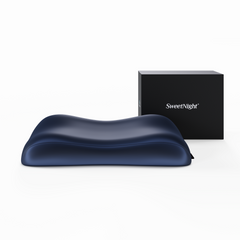
The wrong pillow can make a perfectly good mattress feel awful. If your new mattress is firmer than the old one, you sink in less, which means your head now sits higher relative to your shoulders — and a pillow that used to work may suddenly be too tall. The goal is a neck that stays in line with your spine, not tilted up or dropped down. Side sleepers generally need more loft than back sleepers, and stomach sleepers need the least. If your neck or upper back is the sore spot, try the pillow adjustment before you blame the bed.
Should You Add a Mattress Topper?
If the bed is still too firm at week three, a topper is the cheapest fix short of returning it — a 2–3 inch memory foam or latex topper takes a noticeable edge off without changing the support core underneath. Two caveats. First, wait until you're past the break-in window, or you'll never know what the mattress itself was going to feel like. Second, a topper solves too firm; it cannot fix a bed that sags, dips, or under-supports you, and adding one over a defective mattress usually just delays the return.
A Weekend Jump-Start Routine
Strip the bed and let it air out through the day, then in the evening spend five minutes crawling and pressing across every part of the surface. Do that a couple of days running, keep the room comfortably warm, and sleep on it every night in between. It won't transform the bed overnight, but it front-loads a good chunk of the mechanical break-in and often takes the edge off in week one instead of week three.
Sleep Trial vs Warranty: Which One Covers Your Issue
These get confused constantly, and picking the wrong one costs people money. They cover different problems on completely different clocks.
| Sleep trial | Warranty | |
|---|---|---|
| Covers | "This bed isn't right for me" — too firm, too soft, wrong feel | Manufacturing defects — sagging beyond the stated depth, split seams, failed foam |
| Typical window | 100+ nights, often with a 30-night minimum before you can claim | Usually 10 years or more from purchase |
| Outcome | Return or exchange | Repair or replacement |
| Common catch | Lapses quietly on a fixed date | Body impressions usually must exceed a set depth (often around 0.75–1.5 in.) and the mattress must be on an approved foundation |
So: a bed that never softened enough for you is a trial issue, and you should act before the window closes. A bed that developed a visible dip is a warranty issue, and you have years — but you'll need photos, often with a straightedge and tape measure laid across the impression. Exact terms vary by brand, so check the sleep trial and warranty policies for the mattress you actually bought before you file anything.
Practical order of operations: sleep on it consistently for at least 30 nights, fix the cheap variables first (foundation, off-gassing, pillow, room temperature), and track whether things are improving. If after a full month you're still waking in pain or still fighting the firmness, put a calendar reminder a week or two before your trial ends and contact the seller. That deadline is firm and it lapses quietly.
There's no prize for suffering on the wrong mattress. The goal was never to endure the bed — it was to sleep better.
Choosing a Mattress That Needs Less Breaking In
If you're reading this before you buy, or you're returning one and choosing again, you can shorten the rough patch by picking smarter. Beds engineered around a balanced feel tend to break in faster and feel right sooner than extreme-firm slabs, which can take the full month to become tolerable.
Medium-Firm Suits the Widest Range of Sleepers
For most people, a medium-firm build that doesn't feel like a board on night one is the sweet spot — supportive enough to protect your back, forgiving enough to skip the worst of the adjustment. It also suits the broadest range of body types and sleep positions, which is why it's the default recommendation for anyone who isn't sure exactly what they need.
Match Firmness to Your Sleep Position
Side sleepers need more give at the shoulder and hip, or they'll feel those pressure points every night for a month. Back sleepers want enough support to stop the hips from dropping while still filling the curve of the lower back. Stomach sleepers usually need the firmest surface of the three, since any sink at the hips pulls the lower back into an arch. Body weight shifts this too — heavier sleepers compress a mattress more and often need a firmer build to get the same feel a lighter sleeper gets from medium. Getting this match right at purchase is the single biggest thing that keeps a new mattress from feeling uncomfortable, more than any break-in trick.
If Cooling and Pressure Relief Are Both on Your List

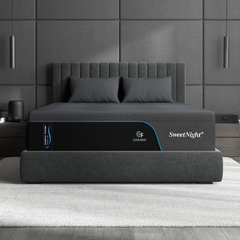
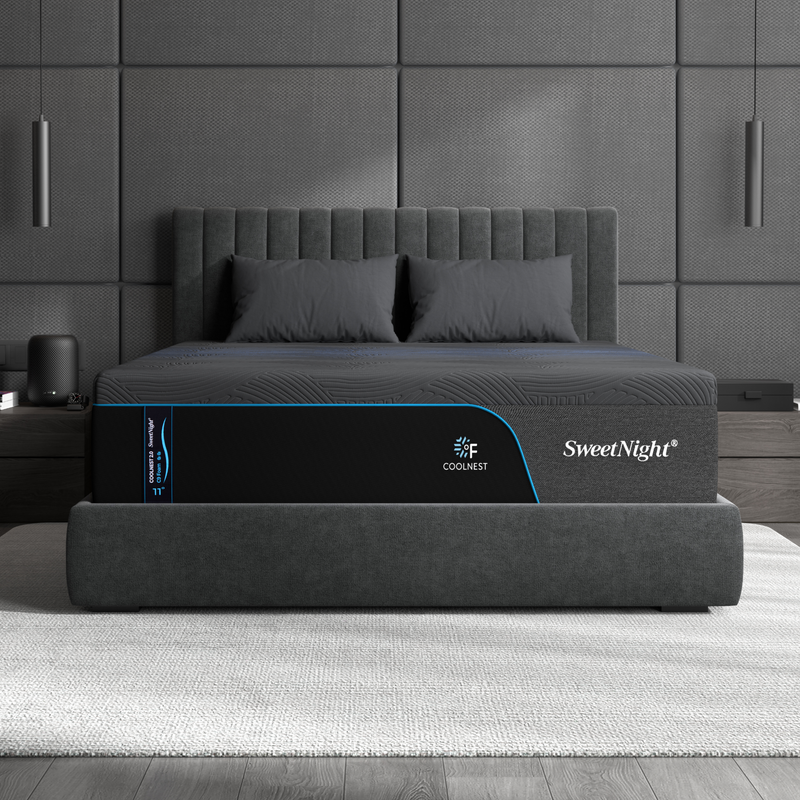
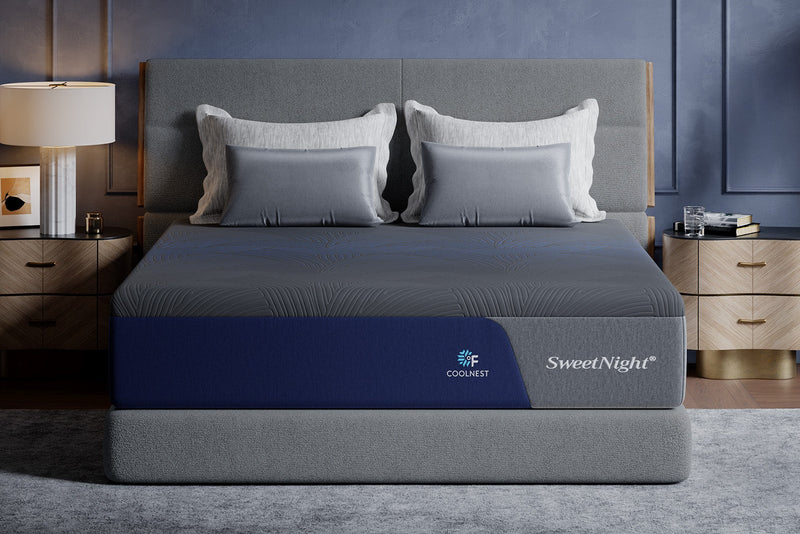
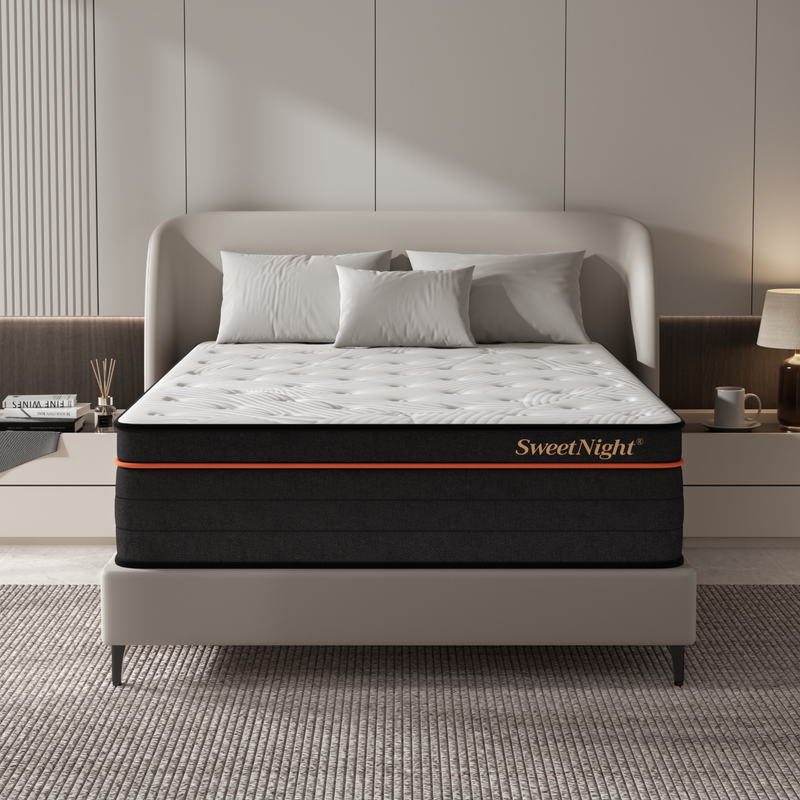
The CoolNest® Ultra pairs a 7-zone support core with breathable comfort layers, so the contouring feels dialled-in rather than stiff early on and you're not fighting trapped heat while your body adjusts. You can also browse the full range of beds built for out-of-box comfort if you'd rather not repeat the break-in gamble.
Frequently Asked Questions
Can a new mattress cause back pain?
Yes, temporarily. Moving to a firmer or better-supporting bed shifts your spinal alignment, and muscles that had adapted to a sagging mattress may ache for one to two weeks. Adjustment pain eases week over week. Pain that stays flat or worsens past the four-week mark suggests the firmness is genuinely wrong for you — and pain that's severe or persistent is worth raising with a doctor or physical therapist.
How long is the mattress break-in period?
Typically 2 to 4 weeks of nightly use for foam and hybrid mattresses. Latex is more responsive from day one and breaks in faster. Plan to sleep on any new bed for a full 30 nights before deciding.
Should I put a topper on a brand-new mattress?
Not right away. Wait until you're past the 30-day break-in window, or you won't know what the mattress itself was going to feel like. After that, a 2–3 inch topper is a reasonable fix for a bed that's simply too firm — but it won't correct sagging or inadequate support.
Do hybrid and latex mattresses need breaking in too?
Both do, less dramatically than all-foam. Hybrids soften in the comfort layers over the coils, usually within two to three weeks. Latex is responsive out of the box and changes least of all.
Is the smell from a new mattress harmful?
Off-gassing is a normal release of compounds trapped during manufacturing and compression. On mattresses made with CertiPUR-US certified foams the odour typically clears within 24 to 72 hours with good ventilation. If you're sensitive, air the mattress out uncovered for a full day before sleeping on it.
Why does my new mattress feel firmer than the one I tried in the store?
Showroom floor models have been lain on by hundreds of people and are fully broken in. Yours isn't. That gap usually closes over the first month of nightly use.
Can I return a mattress if it's just too firm?
That's exactly what a sleep trial is for. Most run 100 nights or more with a 30-night minimum before you can request a return. Firmness mismatch goes through the trial; a visible sag or defect goes through the warranty instead.