








Short answer: Black Friday usually wins on headline discount percentage. Labor Day usually wins on total value delivered — because of bundle inclusions, full inventory availability, and the fact that you get 81 more nights of use out of the mattress. If your only metric is the lowest possible number on the invoice and you're flexible on model and size, wait for November. For everyone else, the gap is smaller than the internet suggests, and Labor Day is the better decision.
This article breaks down the comparison across nine dimensions, so you can decide based on your situation rather than a general rule.
Key 2026 dates: Labor Day is Monday, September 7. Black Friday is Friday, November 27, with Cyber Monday on November 30. That's a 81-day gap between the two events.
The Head-to-Head, at a Glance
| Factor | Labor Day | Black Friday | Winner |
|---|---|---|---|
| Peak discount depth | Very strong | Strongest of the year | Black Friday |
| Selection & size availability | Full range | Popular sizes often sold out | Labor Day |
| Accessory bundles included | Most generous of the year | Often stripped back | Labor Day |
| New-model availability | Fall launches available | Same, plus more clearance | Tie |
| Delivery speed | Fast, low carrier congestion | Slower, peak shipping season | Labor Day |
| Trial period end date | Mid-December | Early March | Labor Day |
| Price transparency | Moderate | Poor (heavy anchor pricing) | Labor Day |
| Deal complexity / stacking | Simple | Complex, more stacking upside | Black Friday |
| Cost of waiting | None | 81 nights on your current mattress | Labor Day |
Score it and Labor Day takes six of nine. But scoring it that way is a bit dishonest, because for some shoppers a single factor — lowest absolute price — outweighs the rest. So let's go through each one properly.
1. Discount Depth: Black Friday Wins, But By Less Than You'd Think
This is the reason people wait, so let's address it first and honestly.
Black Friday and Cyber Monday do produce the deepest mattress discounts of the calendar year. That's not marketing folklore — it's a consequence of retail structure. Q4 is when brands need to hit annual revenue targets, when competitive pressure is at its absolute peak, and when consumer attention is highest. Everyone discounts hard because everyone else is discounting hard.
But three things complicate the "just wait for Black Friday" advice.
The gap is narrow. Across the direct-to-consumer sleep category, the difference between peak Labor Day pricing and peak Black Friday pricing on the same model is typically a modest single-digit percentage. On a $700 queen mattress, that's often a $40–$90 difference. Real money, but not transformative — and frequently less than the retail value of what's bundled into the Labor Day offer.
Black Friday percentages are measured against more inflated anchors. Anchor pricing — setting an MSRP the product never actually sells at, so the discount looks dramatic — is endemic in the mattress category, and it peaks in November. A "70% off" Black Friday banner and a "45% off" Labor Day banner can easily resolve to nearly identical checkout prices, because they're measured against different reference numbers. Percentage claims are close to meaningless as a cross-event comparison tool. Compare absolute prices only.
The deepest Black Friday cuts land on clearance, not on what you want. The genuinely spectacular November discounts — the ones that make the deal-aggregator headlines — are usually applied to discontinued models, odd sizes, and overstock. The current-generation flagship in a queen or king rarely sees the doorbuster treatment, because it doesn't need to.
Verdict: Black Friday wins this category. But the win is smaller in dollars than the percentage claims imply, and it is concentrated on products you may not want.
2. Selection and Availability: Labor Day Wins Clearly
This is the factor most shoppers underweight, and it's the one most likely to actually ruin a purchase.
By late November, the mattress inventory picture looks very different from September. Queen and king in the most popular firmness levels — the configurations that constitute the majority of all mattress sales — are the first things to sell out. What remains available on Black Friday afternoon skews toward twin, full, and firmness levels that fewer people want.
The mechanics are straightforward. Brands forecast Q4 demand and produce accordingly, but foam and hybrid mattress manufacturing has real lead times. If November demand exceeds forecast, you can't conjure more queens by Tuesday. The response is a backorder date in mid-December or January — which, if you needed the bed, defeats the purpose entirely.
In late August and early September, the situation is inverted. Brands have just stocked for the fall selling season. Everything is in the warehouse. Every size, every model, every firmness.
Practical implication: if there is a specific mattress you want in a specific size, Labor Day is the reliable event and Black Friday is the gamble. If you're genuinely indifferent to model — "whatever queen is cheapest" — this factor doesn't apply to you.
Verdict: Labor Day, decisively.
3. Bundle Value: Labor Day's Structural Advantage
Here's a pattern most shoppers never notice: Labor Day promotions lean heavily on included accessories, while Black Friday promotions lean on deeper price cuts with fewer inclusions.
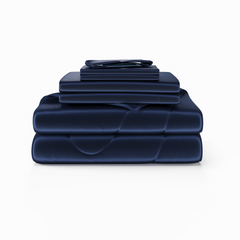
There's a margin logic behind this. Accessories — pillows, protectors, sheet sets, toppers — carry substantially higher gross margins than mattresses. A brand can hand you $200 of retail accessory value at a fraction of that in real cost. Cutting $200 off the mattress price comes straight off the bone.
In September, brands have margin room and want to move full baskets. In November, competitive pressure forces them to put everything into the headline price, so the freebies get stripped back to make the numbers work.
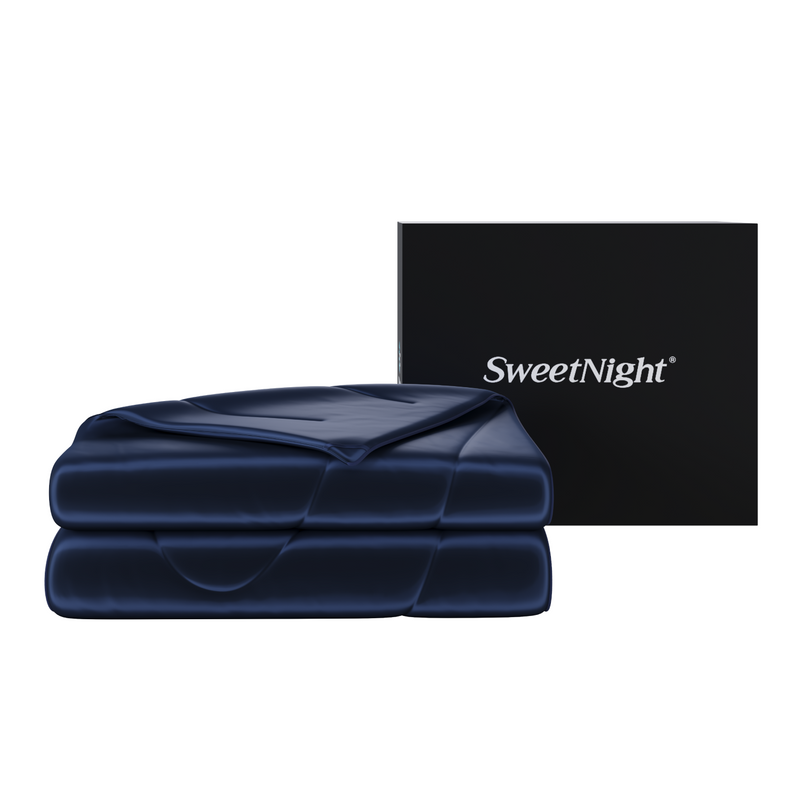
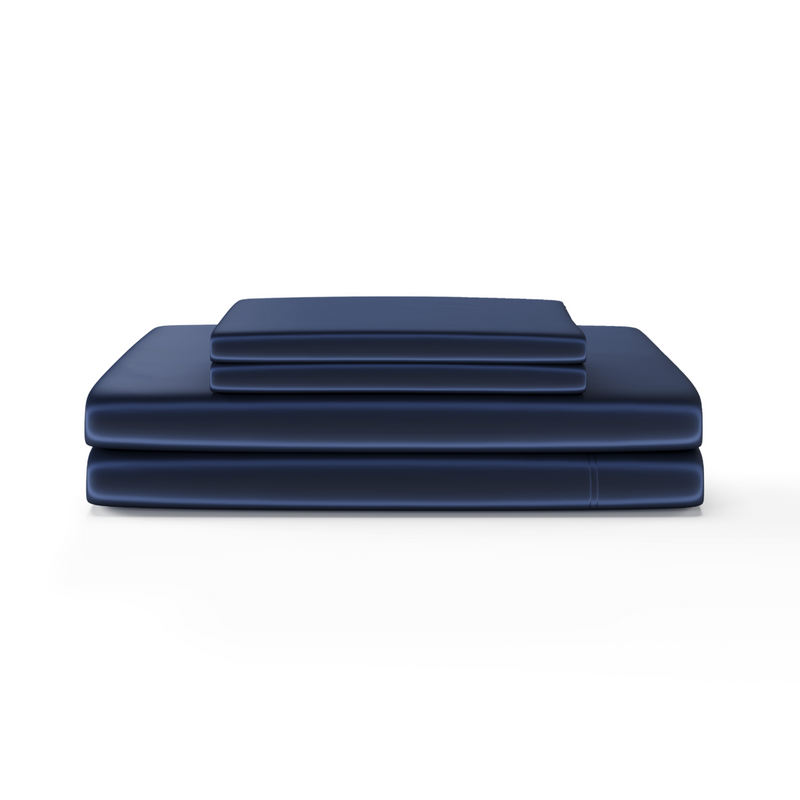
What this means for your actual spend: if you're building a complete bed setup — and most people replacing a mattress also need pillows, and often a protector and sheets — the Labor Day basket frequently costs less in total than the Black Friday basket, even when the mattress line item is higher.
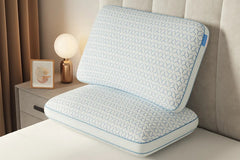
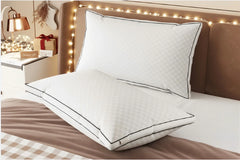
This matters most for cooling mattress buyers specifically. A cooling mattress paired with a heat-retaining pillow is a partially wasted purchase. Your head and neck concentrate a lot of heat onto a small surface area, and a dense conventional pillow will hold it there all night regardless of what the mattress underneath is doing. Bundled cooling pillows aren't padding — they're a functional component of the system.
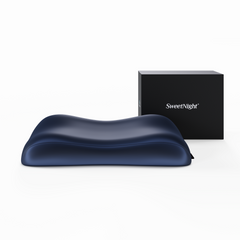
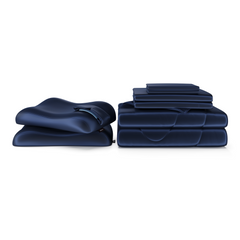
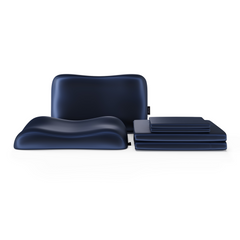
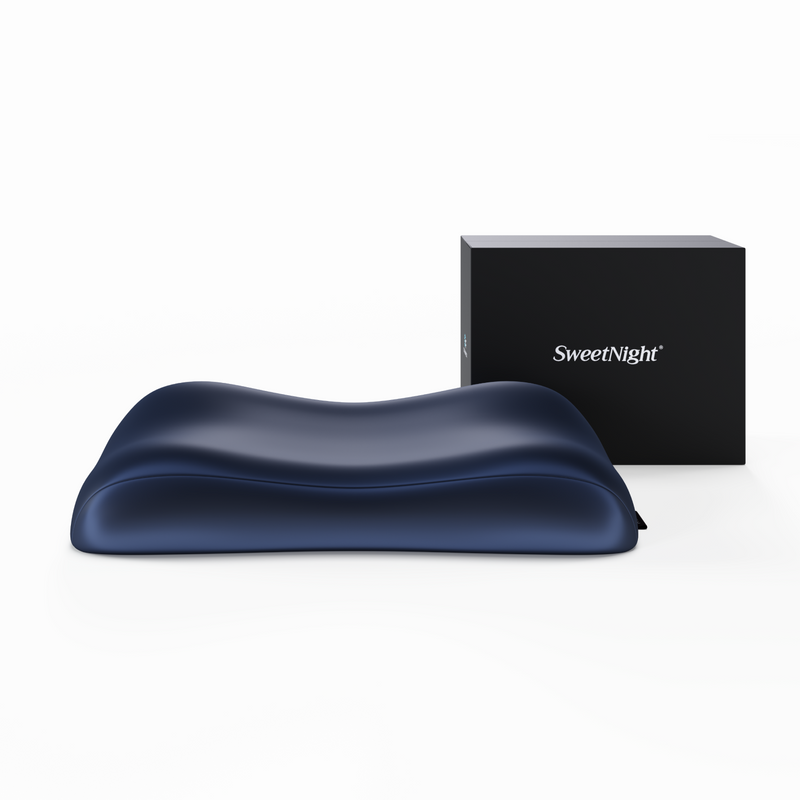
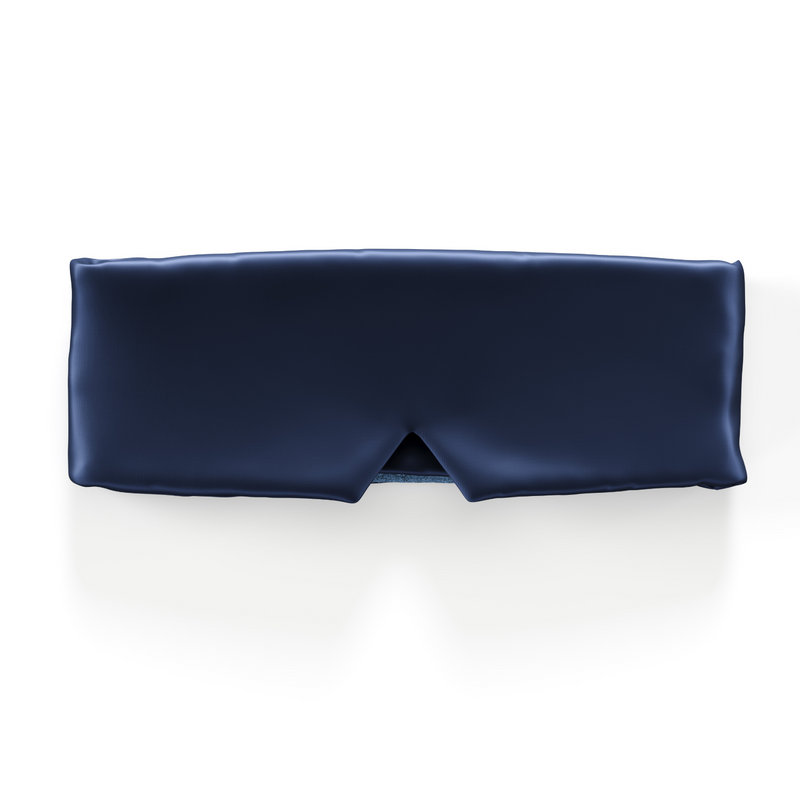
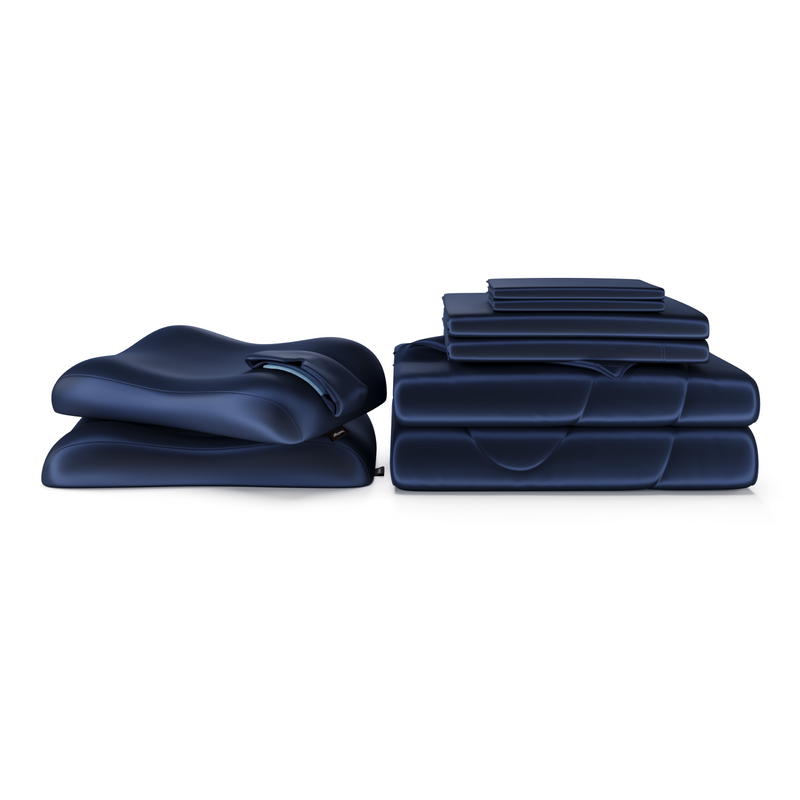
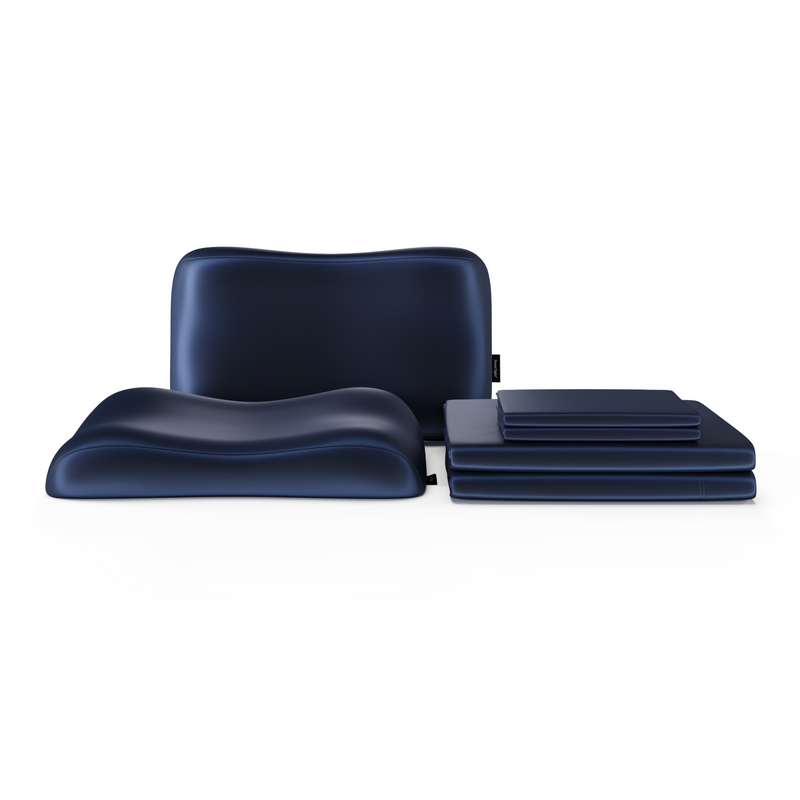
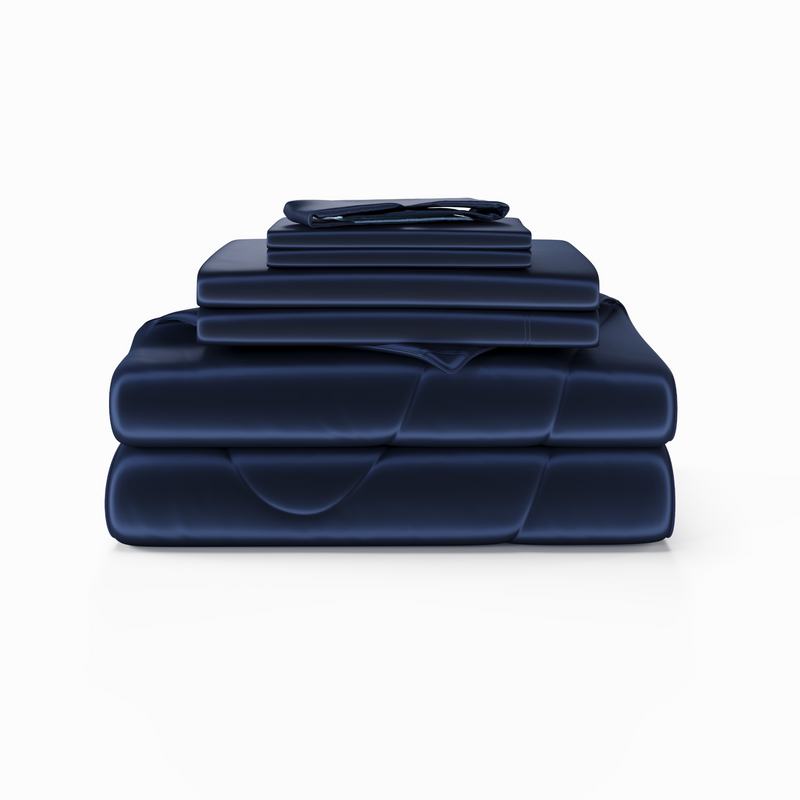
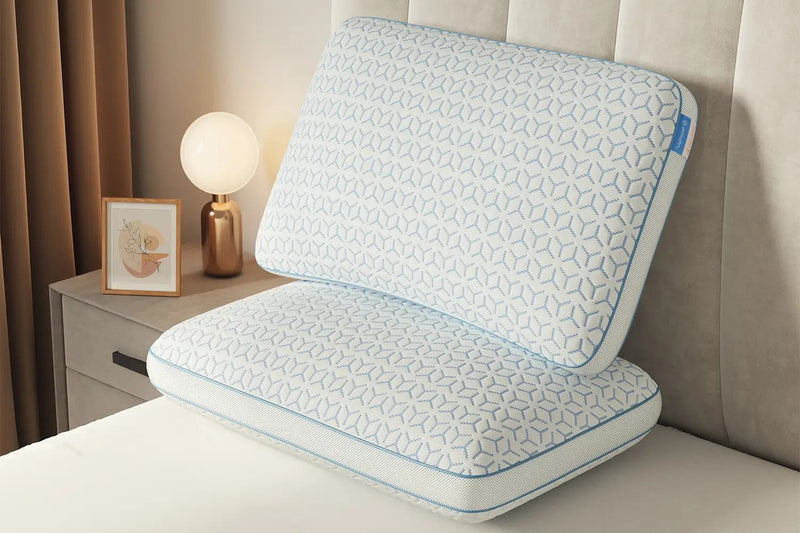
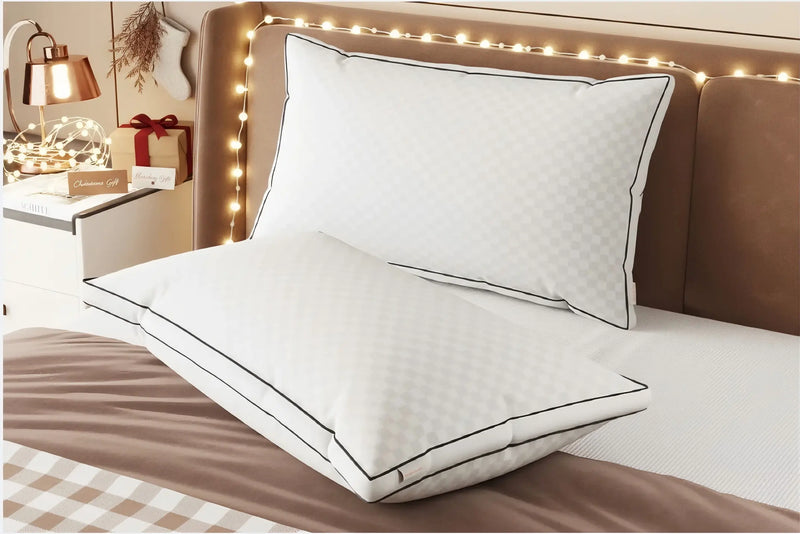
Worked example: SweetNight's current Labor Day event includes two free cooling pillows with every mattress purchase, plus automatic tiers of 10% off a single mattress, 15% off any two items and 20% off any three on top of sitewide discounts of up to 45%. Priced separately, those pillows run $49.99–$129.99 each depending on model. On a $700-class mattress, that inclusion alone approaches or exceeds the typical Labor-Day-to-Black-Friday price gap.
Verdict: Labor Day, and it's not close for anyone buying more than the mattress alone.
4. Delivery Speed and Reliability: Labor Day Wins
An underrated practical difference.
September is a low-congestion period for parcel and freight carriers. A mattress ordered in early September typically ships within a couple of business days and arrives on schedule.
Late November through December is the single most congested logistics window of the year in the United States. Carrier networks are saturated with holiday parcel volume. Mattresses are bulky, heavy freight — exactly the kind of shipment that gets deprioritized when a network is at capacity. Delivery estimates stretch, and delivery variance increases even more than the estimates suggest.
If you have any kind of deadline — a move-in date, guests arriving, a room you need functional — this is a real risk in November and essentially a non-issue in September.
Verdict: Labor Day.
5. When Your Trial Period Ends: A Subtle but Real Factor
Most online mattress brands offer a 100-night sleep trial. When that clock starts determines when it ends, and that turns out to matter behaviorally.
Buy September 10 → trial ends around December 19. You'll have slept on the mattress through the fall, formed a clear opinion, and hit your decision point before the holidays scramble your calendar.
Buy November 29 → trial ends around March 9. You form your opinion in December and January, and then have to remember to act on it in early March — a period that, for most people, is a low-attention blur. Anecdotally, brands see fewer returns from Black Friday cohorts, and it is not because those customers are happier.
There's also a break-in consideration. Foam mattresses need roughly two to four weeks of use before the feel stabilizes. Starting that process in September means the mattress is fully settled before winter, when heavier bedding changes your thermal environment. Starting it in December means you're evaluating a not-yet-settled mattress under atypical bedding conditions.
Verdict: Labor Day.
6. Price Transparency: Labor Day Wins by Default
Black Friday is the peak season for pricing theater. Inflated anchors, tiered "doorbuster" claims, countdown timers, artificial scarcity messaging, and stacked codes that are difficult to evaluate all cluster in the last week of November.
That doesn't mean Black Friday deals are fake. It means they are harder to evaluate, and the cognitive load of evaluating them under time pressure leads people to make worse decisions. The most common Black Friday mattress mistake is buying the wrong mattress at a good price rather than the right mattress at a decent one — a mistake that costs far more than the discount differential over the eight to ten year life of the product.
Labor Day promotions tend to be structurally simpler: a sitewide percentage, a bundle tier, an included accessory. Easier to compare across brands, easier to sanity-check.
Verdict: Labor Day, on decision quality rather than price.
7. Stacking and Coupon Upside: Black Friday Wins
To be fair in the other direction: Black Friday does offer more opportunities for sophisticated shoppers to compound savings. Cashback portals run elevated rates. Credit card offers cluster. Email and SMS signup codes are more frequently stackable. Deal-aggregator communities surface genuine outliers.
If you enjoy this kind of optimization and you're willing to invest the effort, Black Friday has more headroom for an unusually good outcome.
If you don't — if you want to identify a good mattress, confirm the price is fair, and buy it — that headroom is theoretical.
Verdict: Black Friday, for shoppers who will actually do the work.
8. The Cost of Waiting: 81 Nights
This is the factor that most cleanly settles the question, and it's the one almost no comparison article includes.
The gap between Labor Day 2026 (September 7) and Black Friday 2026 (November 27) is 81 nights.
If waiting saves you $80, you've saved 99 cents per night. If waiting saves you $150 — a generous estimate on a mid-tier mattress — you've saved $1.85 per night.
Now flip the question. You're shopping for a mattress, which means you've already decided the one you have is a problem. Is one night on a properly supportive, temperature-regulated bed worth two dollars more to you than a night on the mattress you're trying to replace?
For anyone whose current mattress is causing them to sleep hot, wake up stiff, or sleep poorly, the answer is not remotely close.
And there's a compounding element the per-night math misses. Sleep quality isn't a self-contained ledger you can defer without interest. Poor sleep in September degrades your cognitive performance in September, your mood in October, your training and recovery through the fall. Eighty-one nights of it is a real cost that doesn't show up on any invoice.
The exception is genuine: if your current mattress is fine and you're upgrading opportunistically, the cost of waiting really is zero, and you should take the extra discount. But be honest with yourself about which category you're in. Most people researching mattress timing are not in the "everything's fine" camp.
Verdict: Labor Day, for anyone with an actual reason to be shopping.
9. Seasonal Fit: Depends Entirely on What You're Buying
One factor that genuinely varies by product.
If you're buying a cooling mattress: Labor Day, without question. Late summer and early fall are when overheating at night is at its worst across most of the US. Buying in September means you feel the benefit immediately. Buying in November means you spent the hottest stretch of the year on the old mattress and take delivery of your cooling solution just as the weather makes it least noticeable — and then you evaluate it during your 100-night trial under winter conditions, which is the least informative possible test.
If you're buying a warmer, plusher, more insulating build: the reverse logic applies, mildly. November delivery aligns with the season the product is optimized for.
If you're buying a standard hybrid or foam mattress with no strong thermal character: this factor is neutral.
Verdict: Labor Day for cooling mattresses; neutral to slightly Black Friday otherwise.
Scenario-Based Recommendations
Rules are less useful than matching your situation. Find yourself below.
"My mattress is 8+ years old and I wake up sore."
Buy on Labor Day. You're not making a shopping decision, you're making a health-adjacent one. Eighty-one more nights on a degraded mattress to save under a hundred dollars is a bad trade. (Separately: if the soreness is significant or persistent, get it looked at by a doctor — a mattress may be a contributor but it isn't a diagnosis.)
"I sleep hot and it's been miserable this summer."
Buy on Labor Day. You want cooling technology working for you now, and you want to evaluate it during the season it's designed for.
"I'm moving in October."
Buy on Labor Day. Availability and delivery reliability both favor September. Waiting means either sleeping on the floor or paying more for expedited shipping in peak season.
"I want a specific model in a queen or king."
Buy on Labor Day. This is the highest stock-out risk configuration in November.
"My mattress is fine, I just want an upgrade eventually."
Wait for Black Friday. No cost to waiting, and you'll capture the deeper cut.
"I only care about the lowest number, I'll take whatever's cheapest."
Wait for Black Friday. Clearance depth in November will beat anything in September.
"I'm buying a full setup — mattress, frame, pillows, sheets."
Buy on Labor Day. Bundle economics favor September strongly enough to overcome the mattress-line-item difference.
"I'm a serious deal optimizer with cashback stacking and card offers."
Wait for Black Friday. Your ceiling is higher there.
"I'm buying for a guest room and I'm not fussy."
Either. Genuinely no wrong answer. Buy whenever you remember.
A Worked Comparison: SweetNight's Labor Day Offer
Rather than leave this abstract, here's how the analysis applies to a real 2026 promotion.
SweetNight's Labor Day event runs sitewide at up to 45% off, with automatic tiers of 10% off one mattress, 15% off any two items and 20% off any three, two free cooling pillows with every mattress, mattress pricing starting at $289.99, a 100-night risk-free trial, a 10-year warranty, and free FedEx shipping in the contiguous US. Full details are on the SweetNight deals page. The event runs through September 13, 2026.
Applying the nine-factor framework:
- Discount depth: Competitive but presumably not the annual floor. Black Friday will likely go somewhat deeper.
- Selection: Full range currently available across all models and sizes.
- Bundle value: Two cooling pillows plus a tier that reaches 15% on any two items and 20% on any three — this is where the offer is strongest, and it materially narrows or closes the gap to November pricing.
- Delivery: Low-congestion window, standard fast shipping.
- Trial timing: Purchase now, trial resolves mid-December.
- Transparency: Simple structure — sitewide percentage plus bundle tier.
- Stacking: Limited compared to what November will offer.
- Cost of waiting: 81 nights.
- Seasonal fit: Strongly favorable, because the flagship product is a cooling mattress.
That last point deserves elaboration.
Why a cooling mattress specifically argues for September
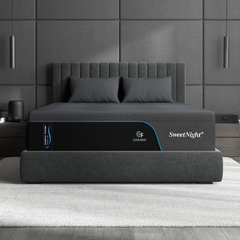
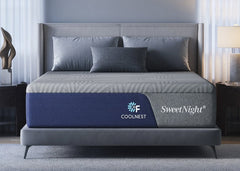
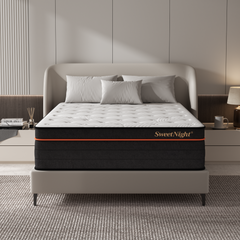
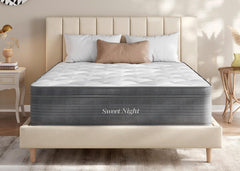
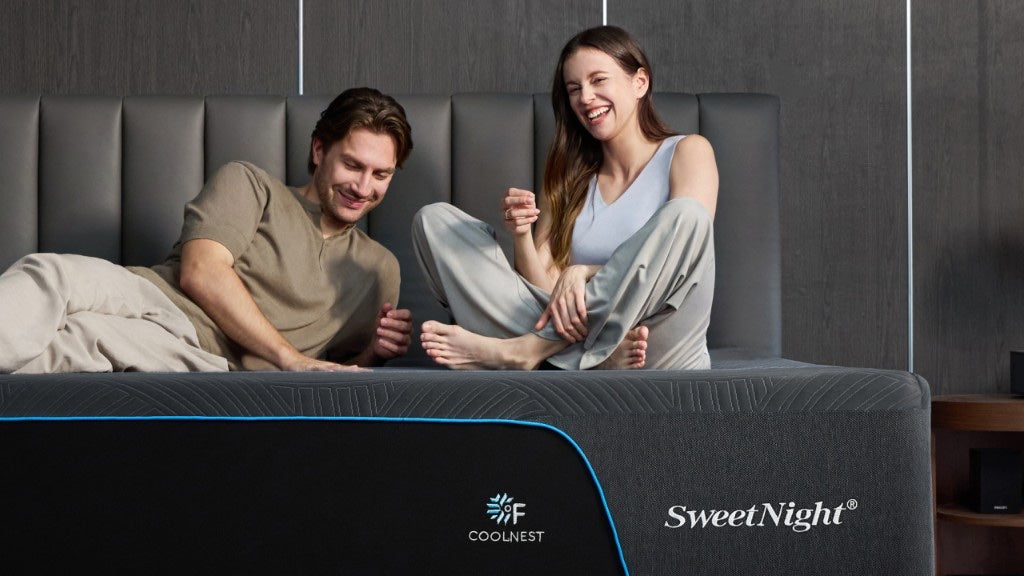
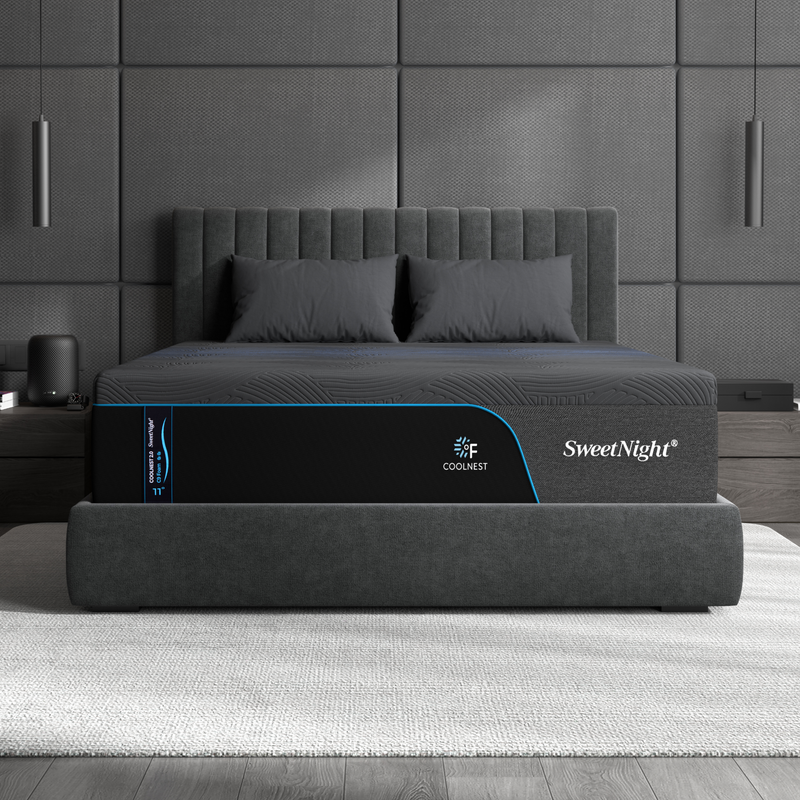
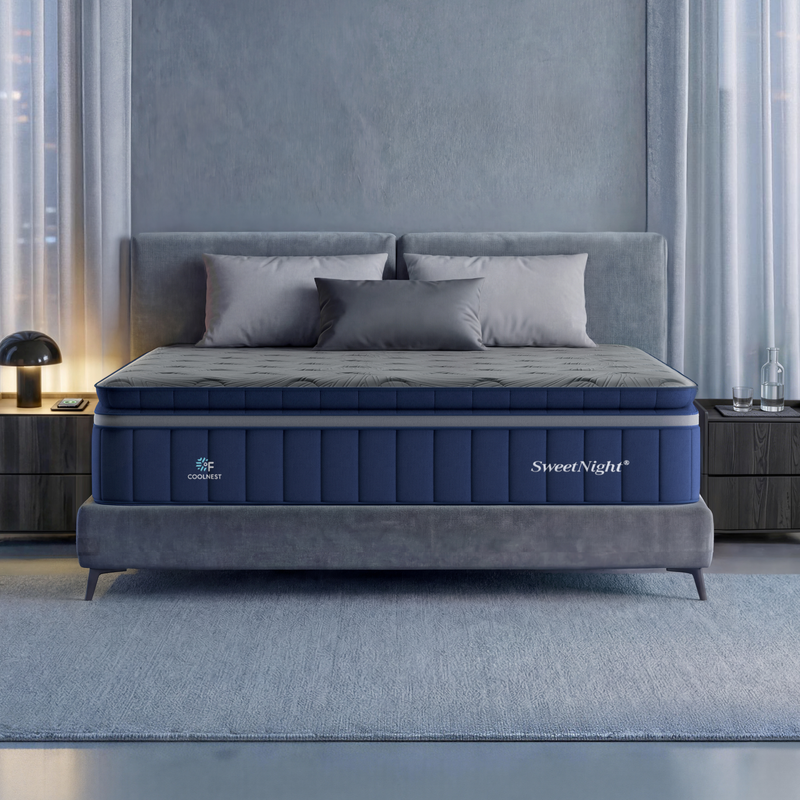
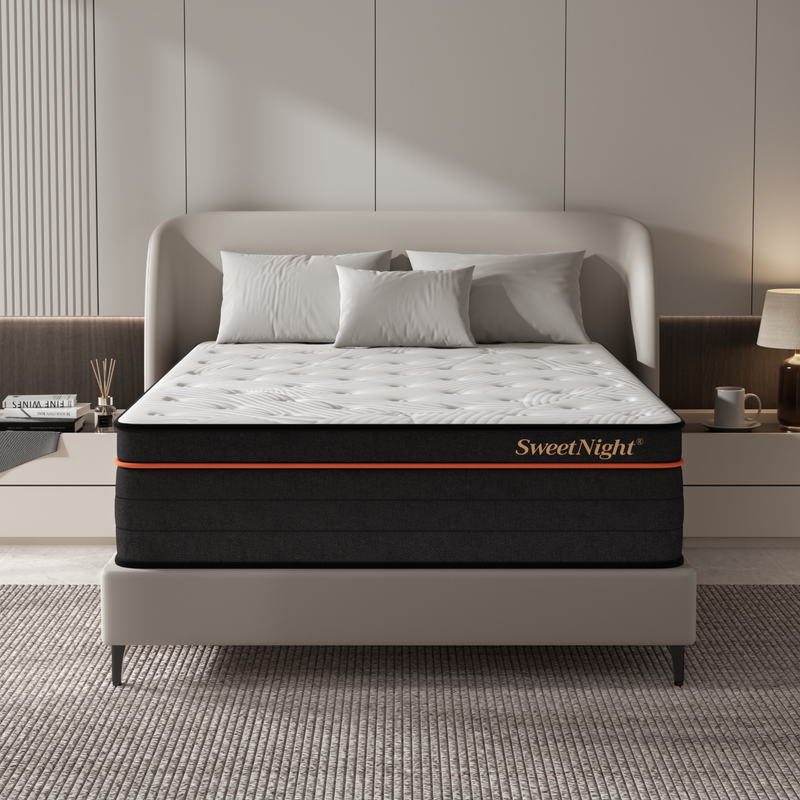
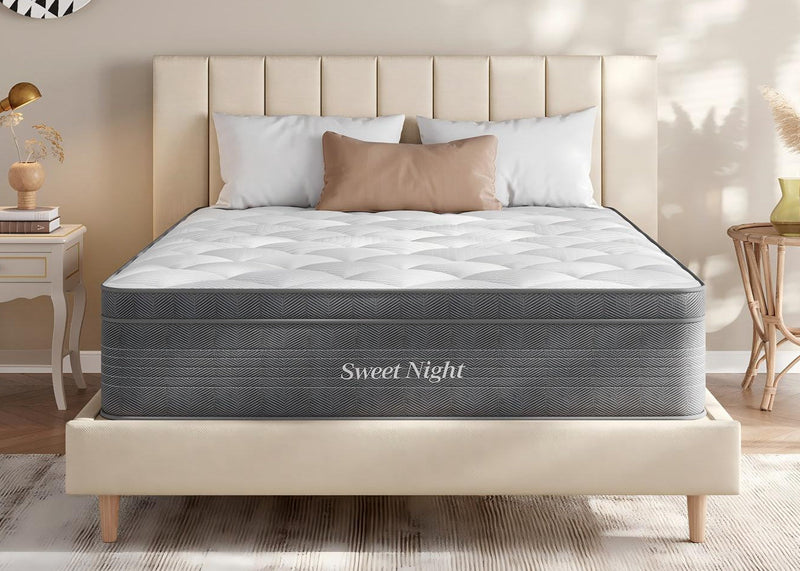
The CoolNest® Ultra Memory Foam Mattress — SweetNight's current flagship, $729.99 queen before Labor Day discounting — is built around a five-stage cooling system. Five distinct physical mechanisms, not one claim repeated five ways:
- Gradient Ice Silk cover, Qmax 0.25 J/(cm²·s) — a measured thermal-absorption figure delivering immediate cool-to-touch contact
- PCMflux® high-resilience foam — phase-change material that absorbs heat as your body warms through the night and releases it as you cool, which is the mechanism that handles the 3 a.m. problem most single-layer cooling beds fail at
- AirMesh™ breathable memory foam — open-channel proprietary foam rated at up to 6× the breathability of conventional memory foam
- Ventilated gel-infused memory foam — extracts heat from deeper in the structure
- 3D open-channel airflow layer — maintains continuous circulation rather than letting warm air stagnate

Beneath the cooling stack: refined 7-zone ergonomic support (firmer through the lumbar and hip region, more give at the shoulders) and Enhanced Stability Support Foam, the structural upgrade over the previous CoolNest Pro generation. Foams are CertiPUR-US certified; the cover passes STANDARD 100 by OEKO-TEX. The feel is medium-plush, which suits side and combination sleepers best.
The seasonal argument is simple. A five-stage cooling system is a fall-and-summer purchase. Buying it in late November means you spent August and September — the worst overheating months — on your old mattress, and then evaluated your new cooling mattress during your 100-night trial in December, January and February, under heavy winter bedding. That's the least informative possible test of the exact feature you paid for.
For a cooling mattress specifically, the "wait for Black Friday" advice is close to backwards.
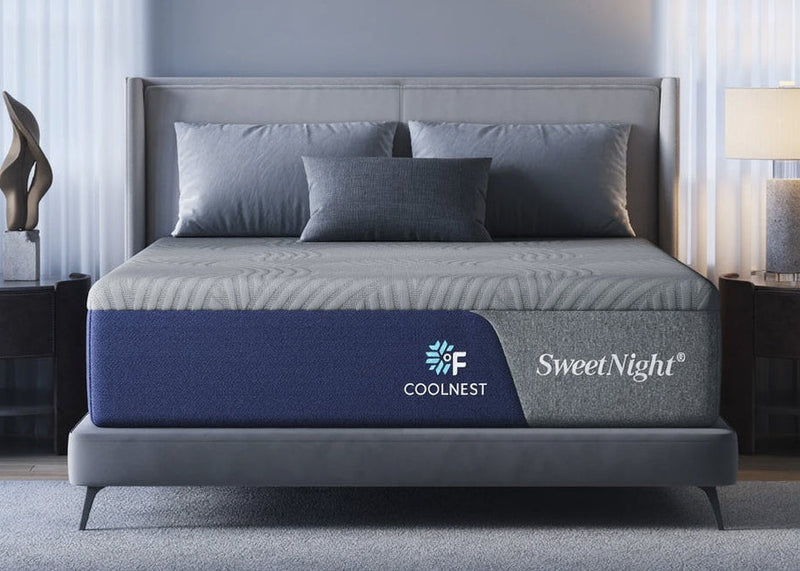
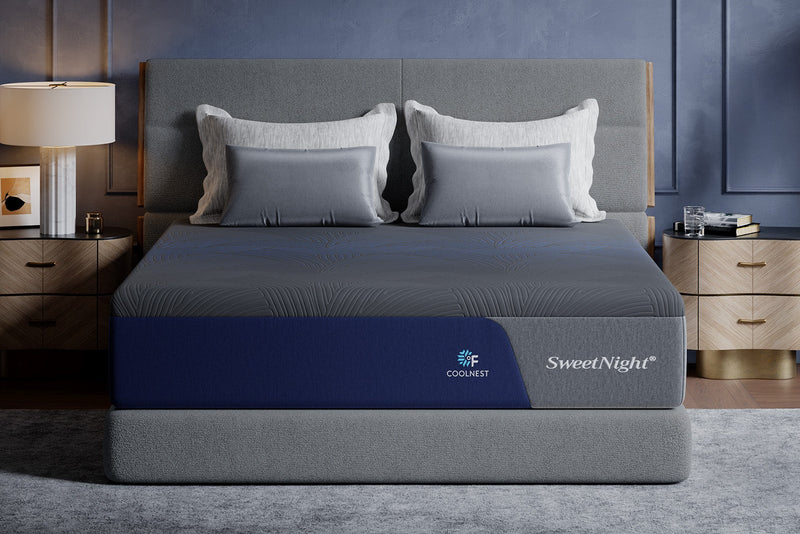
If you're comparing mattresses after reading this, here's where each CoolNest® model fits:
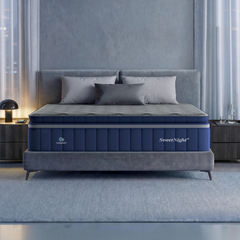
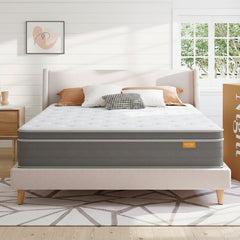
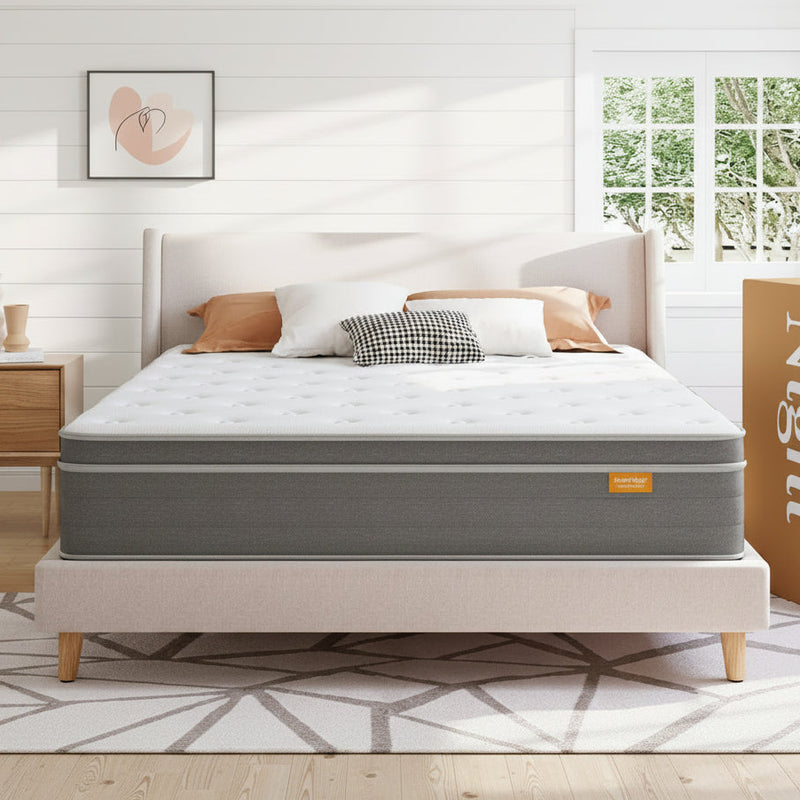
- CoolNest® Hybrid Mattress: pocketed coils under a DuoSense™ pillow top. Pick this one if you want bounce, firm edges and less partner motion.
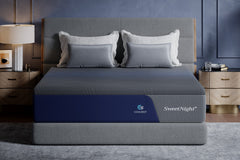
- CoolNest® Memory Foam Mattress: the lowest-priced model in the range, all-foam with 5-zone support and a breathable 3D-woven cover.
- CoolNest® Pro and CoolNest® Ultra: the step-up foam models, with PCMflux® temperature-regulating foam and 7-zone support. Ultra adds AirMesh™ foam and feels up to 11° cooler.
- Current prices on every size and thickness are on the Fall Sale page, or browse all mattresses.
Frequently Asked Questions
Are Black Friday mattress deals really better than Labor Day? On headline discount, usually yes, by a modest single-digit percentage on comparable models. On total value — factoring bundles, availability, and delivery reliability — the two events are much closer, and Labor Day often comes out ahead for shoppers buying more than the mattress alone.
How much can I actually save by waiting from Labor Day to Black Friday? On a mid-tier queen mattress, realistically $40–$150 depending on brand and model. Spread across the 81-night wait, that's roughly $0.50–$1.85 per night.
Do mattress prices drop after Black Friday? Sometimes, briefly, on remaining clearance inventory in early-to-mid December — but selection at that point is whatever didn't sell, which is a poor basis for choosing something you'll sleep on for a decade. January clearance is similar: cheap, but thin.
Will the mattress I want be in stock on Black Friday? Queen and king in popular firmness levels frequently sell out or move to extended backorder. Twin and full are usually fine. If you have a specific target, September is the safer bet.
Is it worth buying on Labor Day and returning if Black Friday is cheaper? Some brands offer price-adjustment windows, though typically much shorter than 81 days. Attempting to exploit a sleep trial as a price-matching mechanism — returning a used mattress purely to rebuy it cheaper — is generally against the spirit and often the letter of trial terms, and returned mattresses can't be resold as new. Not recommended.
What about Cyber Monday specifically? For online-first mattress brands, Black Friday and Cyber Monday are usually a single continuous promotion rather than distinct events. There's rarely a meaningful reason to wait the extra weekend.
Should I buy a cooling mattress on Black Friday? You can, but you're buying a hot-weather product at the coldest point of the year and evaluating it during the season it's least needed. September is the better fit for this category specifically.
I missed Labor Day. What's my next window? Columbus Day / Indigenous Peoples' Day in mid-October brings moderate promotions, and early-November pre-Black-Friday events increasingly start in the first week of the month. You don't have to wait until November 27.
The Bottom Line
If you're optimizing for a single number on a single invoice, with total flexibility on model, size, and timing — wait for Black Friday. The discount will be somewhat deeper.
If you're optimizing for outcome — the right mattress, in the size you need, delivered when you need it, with the accessories that make it work, evaluated during the season it's designed for, and used for 81 additional nights — Labor Day wins, and the margin is wider than the discount differential.
The question isn't really "which sale is bigger." It's "what does waiting three months actually cost me?" For most people who are actively researching mattresses in August, that cost is more than the discount gap.
See current SweetNight Labor Day offers →
Explore the CoolNest® Ultra Memory Foam Mattress →
Discount ranges described in this article reflect general patterns observed across the direct-to-consumer sleep category and are not guarantees of any specific brand's future pricing. Promotional details cited reflect offers available at time of publication and are subject to change.