













Quick Answer
If you're shopping for a queen-size mattress (the most popular choice), here's what you can expect to pay on average:
- Innerspring: $900
- All-Foam: $1,100
- Hybrid: $1,400
- Latex: $1,800
Online brands price way below these averages. During sales, you can find:
- Quality all-foam mattresses starting at $300 to $400
- Hybrid mattresses starting at $330 to $380
Anywhere from $300 to $1,200 depending on your needs. Direct-to-consumer brands offer the same quality features you'd get at retail stores—CertiPUR-US certified foam, 10-year warranties, and 100-night trials—for 40 to 60% less. The best mattress for the best price isn't always the most expensive one.

Introduction
Think you need to spend big for a good mattress? Think again. A cheap and comfortable mattress between $300 and $1,500 can compete with luxury models costing twice as much. Finding the best mattress on a budget comes down to understanding what you're actually paying for. Spoiler: it's materials and build quality, not marketing budgets. Great options exist everywhere, from the best budget foam mattress to an affordable hybrid mattress.
How Different Mattress Types Compare in Cost
Here's a quick breakdown of what you'll pay for a queen-size mattress by type:
| Mattress Type | Budget | Mid-Range | Premium | Average |
| Innerspring | Under $700 | $700 to $1,100 | $1,100+ | $900 |
| All-Foam | $300 to $700 | $700 to $1,400 | $1,400+ | $1,100 |
| Hybrid | $300 to $1,000 | $1,000 to $1,800 | $1,800+ | $1,400 |
| Latex | Under $1,300 | $1,300 to $2,200 | $2,200+ | $1,800 |

How Much Does an All-Foam Mattress Cost?
All-foam mattresses range from $400 to over $2,000, which means there's an option for just about any budget. The price you pay depends on the foam quality, how many layers it has, and what extra features come with it.
Budget Foam Mattresses ($300 to $700)
At this price point, you're looking at basic memory foam or polyfoam construction. Most budget foam mattresses have 2 to 3 foam layers and measure 8 to 10 inches tall. They'll typically last 4 to 6 years before you start noticing sag or loss of support.
These work well for guest rooms, kids' beds, or temporary sleeping situations. If you need a best budget foam mattress for occasional use, this range gets the job done without breaking the bank.
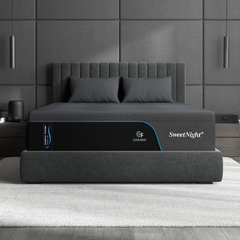
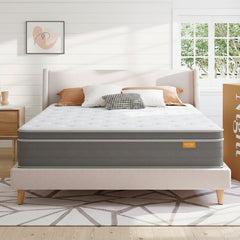
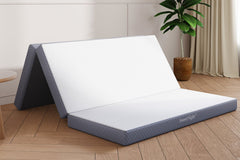
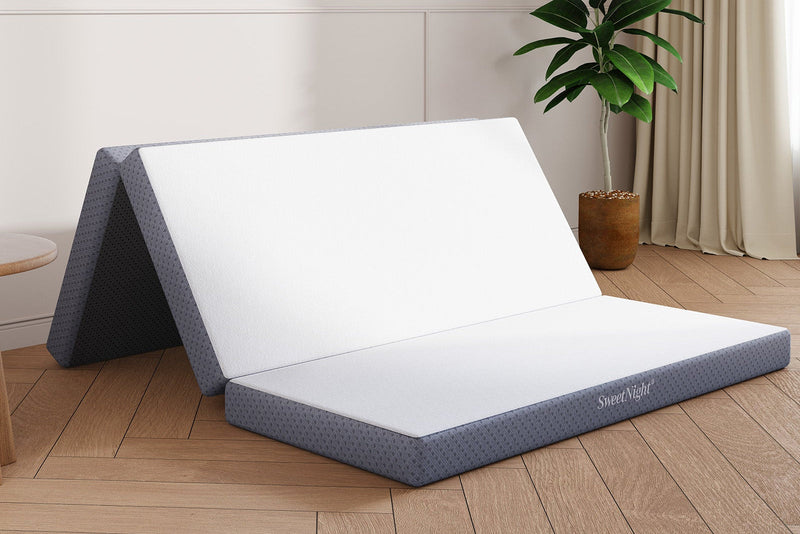
You can find even better deals during sales. For example, mattresses like the SweetNight Prime Memory Foam at around $300 offer flippable designs with multiple firmness options, CertiPUR-US certified foam, and a 100-night trial. This proves you don't always need to spend $500+ to get a best budget foam mattress with decent quality and a solid warranty.
Mid-Range Foam Mattresses ($700 to $1,400)
This is where things get interesting. Mid-range foam mattresses use multiple foam densities for better support and pressure relief. You'll usually get 3 to 4 layers, cooling gel infusions to help with temperature, and a 10 to 12 inch profile. These mattresses last 7 to 9 years on average.
This price range is perfect for your primary bedroom, especially if you're a side sleeper who needs good pressure relief.
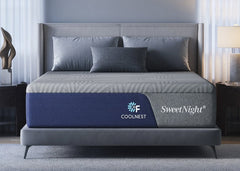
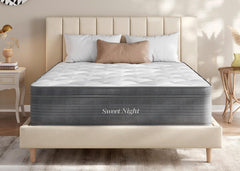
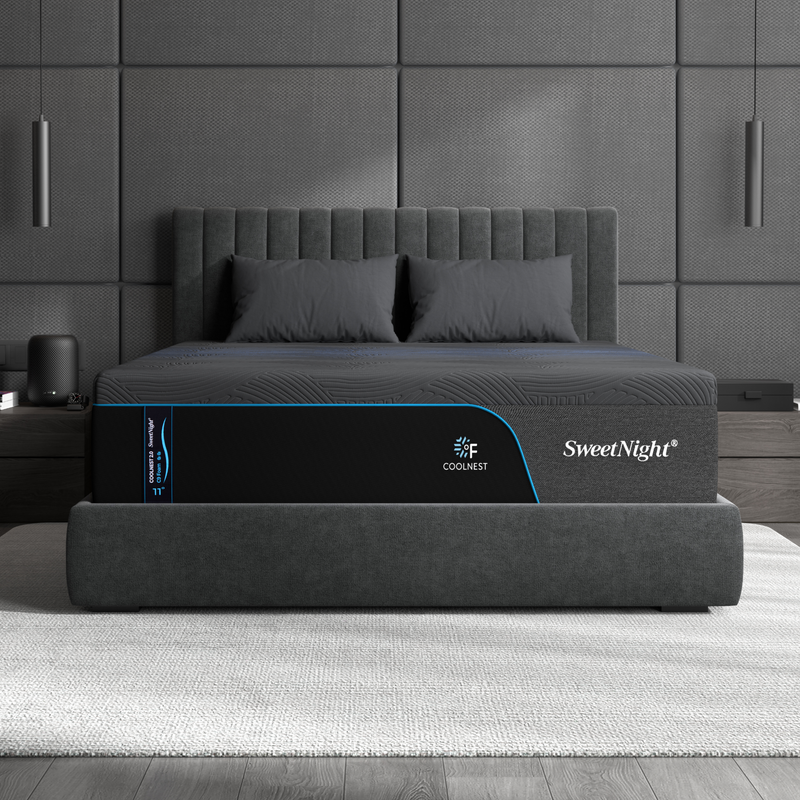
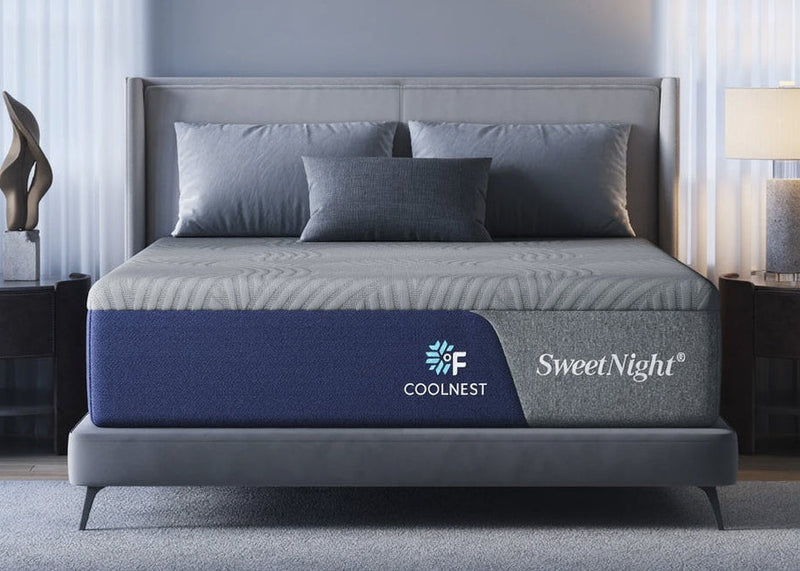
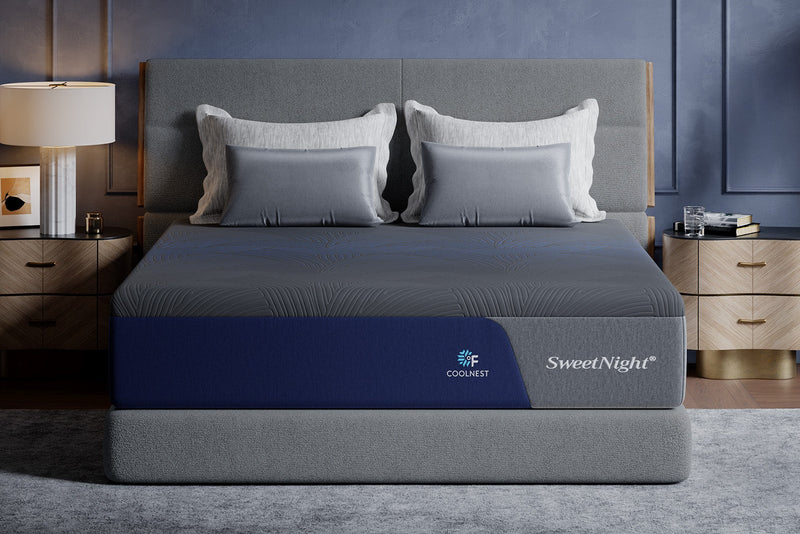
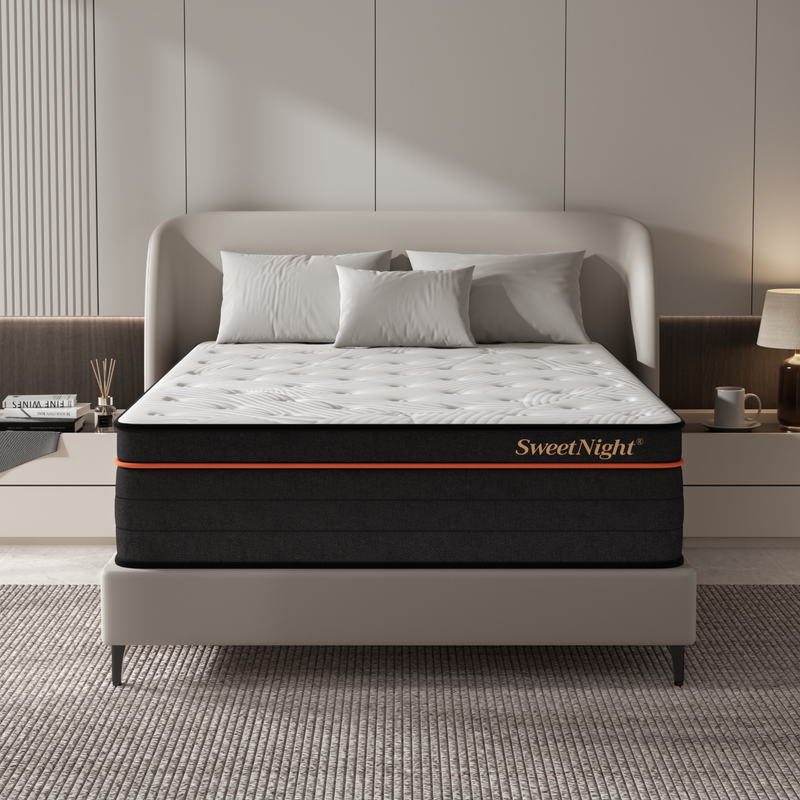
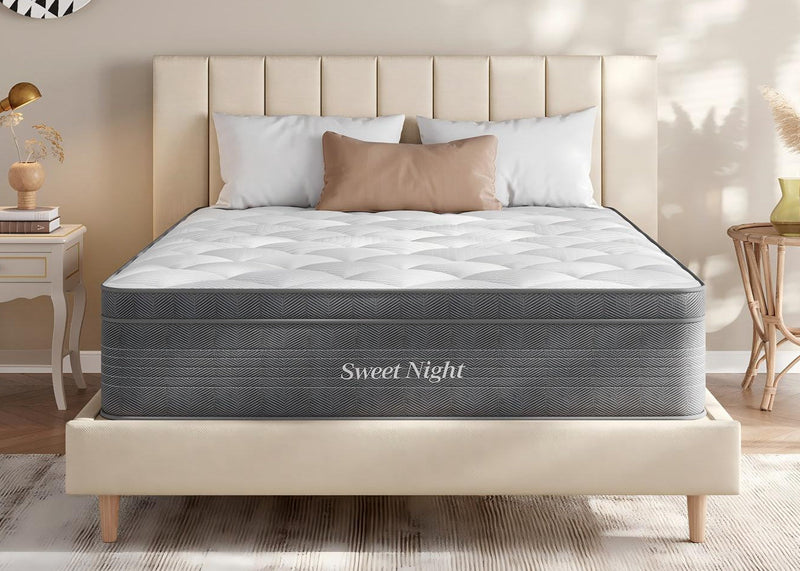
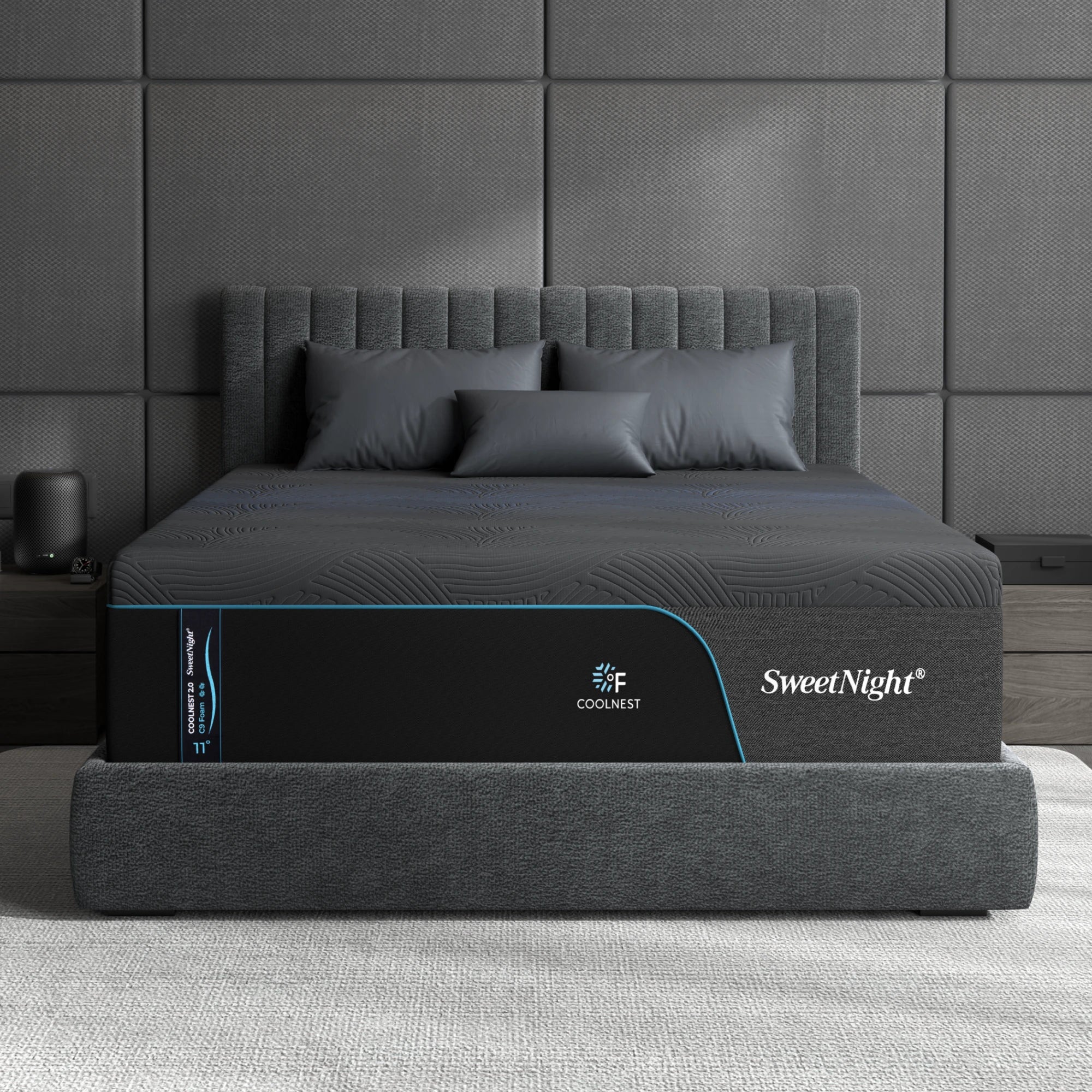
The SweetNight CoolNest® Ultra shows what this budget buys once you cut out the showroom markup. A 12-inch queen starts around $730, and you can see where the money went in the layers: a gradient ice silk cover rated Qmax 0.25 for instant cool-to-the-touch contact, PCMflux® phase-change foam that absorbs heat as your body temperature climbs and gives it back as you cool down, and AirMesh™ foam with roughly six times the breathability of standard memory foam.
Stacked together, those layers are engineered to sleep up to 11° cooler, and a refined 7-zone core firms up under the hips while softening at the shoulders. It's CertiPUR-US certified and ships with a 100-night trial and a 10-year warranty, which is the same safety net you'd expect from a $1,400 showroom model.
Premium Foam Mattresses ($1,400 to $2,000+)
Premium foam mattresses feature advanced foam technologies and specialized layers designed for specific problems. You're looking at 4 to 5+ layers, proprietary cooling systems, and profiles ranging from 12 to 14 inches. These can last 10 years or longer with proper care.
Who should spend this much? People with chronic pain, extreme heat sensitivity, or other specific sleep issues that need targeted solutions.
What Actually Drives Foam Mattress Prices?
- Foam density is the biggest factor. Higher density foam lasts longer and provides better support, but it costs more to produce. A 5-pound density foam will outlast a 3-pound density foam by years.
- Cooling technology adds to the cost. Gel infusions, phase-change materials, and open-cell foams all help you sleep cooler, but they require extra manufacturing steps.
- CertiPUR-US certifications mean the foam is tested for harmful chemicals and emissions. Certified foams cost a bit more but give you peace of mind.
- Brand matters too. Big-name brands with huge marketing budgets charge more than direct-to-consumer companies selling the same quality foam online.
How Much Does a Latex Mattress Cost?
Latex mattresses have the highest upfront cost, ranging from $1,000 to over $3,500. But here's the thing: they can last 15 to 20 years, which makes the cost per night actually pretty reasonable when you do the math.
Blended or Synthetic Latex ($1,000 to $1,800)
Blended latex mixes natural latex with synthetic materials to keep costs down. Most of these mattresses use the Dunlop manufacturing process, which creates a denser, firmer feel. You can expect these to last 10 to 12 years.
Natural Latex ($1,800 to $2,800)
Natural latex mattresses use 100% latex harvested from rubber trees. They're made using either the Dunlop process or the Talalay process, which affects how the mattress feels. Many come with GOLS or GOTS organic certifications that verify the materials and manufacturing methods. These typically last 15 to 18 years.
Organic Latex ($2,800 and Up)
Organic latex mattresses feature certified organic latex with organic cotton or wool covers. Most use the premium Talalay manufacturing process, which creates a softer, more cushioned feel. With proper care, these can last 18 to 20 years.
Who spends this much? People who prioritize non-toxic, completely sustainable materials and want the absolute best quality available.
What Makes Latex Mattresses So Expensive?
- Natural versus synthetic content is the biggest price driver. Natural latex costs significantly more because it requires harvesting and processing rubber tree sap. Synthetic latex is made in factories using petroleum-based materials.
- Manufacturing process matters. The Talalay process is more complex and time-consuming than Dunlop, which increases costs. Talalay creates a softer, more consistent feel throughout the mattress.
- Organic certifications add expense. Getting GOLS, GOTS, or other organic certifications requires strict oversight, third-party testing, and verified sustainable practices.
- Latex layer thickness impacts price substantially. A mattress with 2 inches of latex costs much less than one with 6 inches. Thicker layers provide more cushioning and durability.
A $2,000 latex mattress lasting 15 years breaks down to just $0.36 per night. Compare that to replacing a $600 foam mattress every 6 years, and the latex actually becomes more economical over time.

How Much Does an Innerspring Mattress Cost?
Innerspring mattresses are often the most budget friendly mattress option out there, with prices ranging from $300 to $1,500. These are the traditional coil mattresses that have been around for decades.
Budget Innerspring ($300 to $700)
Budget innerspring mattresses use basic Bonnell or offset coils with a thin comfort layer on top. A queen size typically has 300 to 600 coils with a gauge of 14 to 16 (the higher the number, the thinner the wire). These usually last 4 to 6 years before they start sagging or losing support.
These work fine if you're on a tight budget or need something temporary. They're also decent for guest rooms where the mattress won't see daily use.
Mid-Range Innerspring ($700 to $1,100)
Mid-range innerspring mattresses use individually wrapped pocketed coils, which is a major upgrade. You'll get 600 to 1,000+ coils in a queen with a thicker 12 to 14 gauge wire. The comfort layers are better quality too. Expect these to last 6 to 8 years.
Pocketed coils move independently, so you feel less motion when your partner moves during the night. These mattresses work really well for stomach sleepers and anyone who prefers firmer support.
Premium Innerspring ($1,100 to $1,500+)
Premium innerspring mattresses feature micro-coils for extra contouring, zoned support that's firmer in some areas and softer in others, and luxury comfort layers. They also have advanced edge support so you can sit or sleep near the edge without feeling like you'll roll off. These typically last 8 to 10 years.
What Makes Some Innerspring Mattresses Cost More?
- Coil gauge is more important than coil count. A 12-gauge coil (thicker wire) provides better support and lasts longer than a 16-gauge coil, even if the cheaper mattress has more coils total.
- Coil type affects price significantly. Individually pocketed coils cost more to manufacture than basic Bonnell coils, but they reduce motion transfer and provide better support.
- Comfort layer quality varies widely. Budget models might have just an inch of thin foam, while premium versions use memory foam, latex, or quilted pillow tops.
- Edge support reinforcement adds cost but prevents that sinking feeling when you sit on the mattress edge or sleep near it.
Innerspring mattresses typically need replacing sooner than foam or hybrid mattresses. Even premium innerspring models usually max out at 10 years, while a good hybrid or latex mattress can last 12 to 15 years or more. Keep that in mind when comparing total costs.
How Much Does a Hybrid Mattress Cost?
Hybrid mattresses combine foam comfort layers with coil support systems, typically ranging from $300 to $2,500. They're one of the most popular mattress types because you get the pressure relief of foam plus the support and breathability of coils.
Budget Hybrid ($300 to $1,000)
Budget hybrid mattresses have 2 to 3 inches of foam layers sitting on top of a basic pocketed coil system. The total height is usually 10 to 11 inches, and they last about 6 to 7 years with regular use.
These are good for budget-conscious buyers who want the support of coils but can't stretch to higher price points. You're getting an affordable hybrid mattress that covers the essentials without extra features.
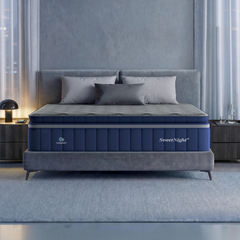
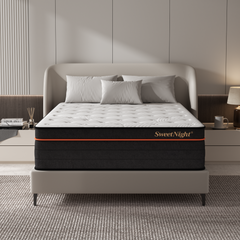
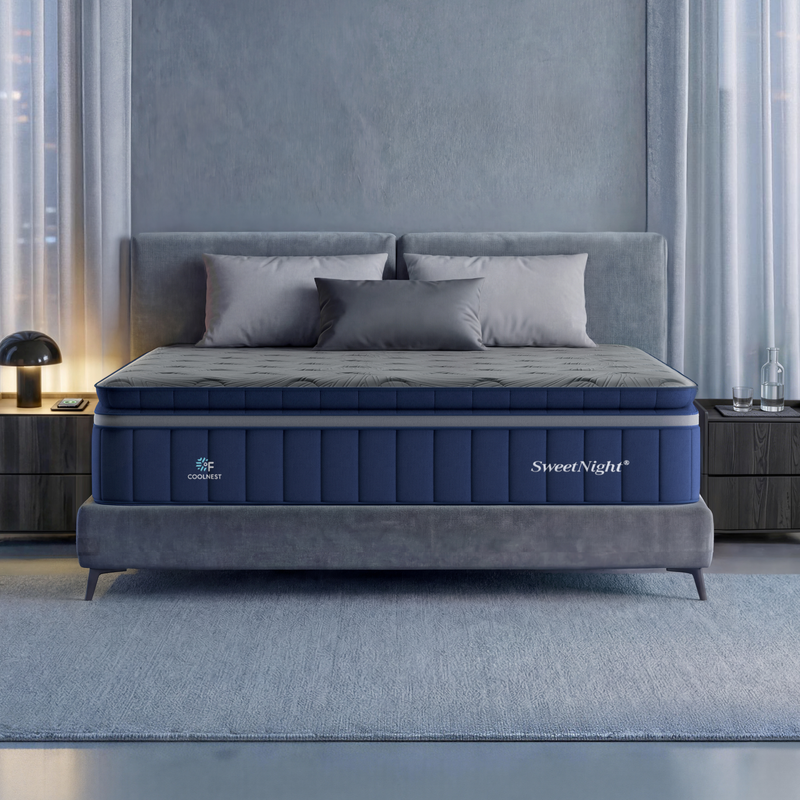
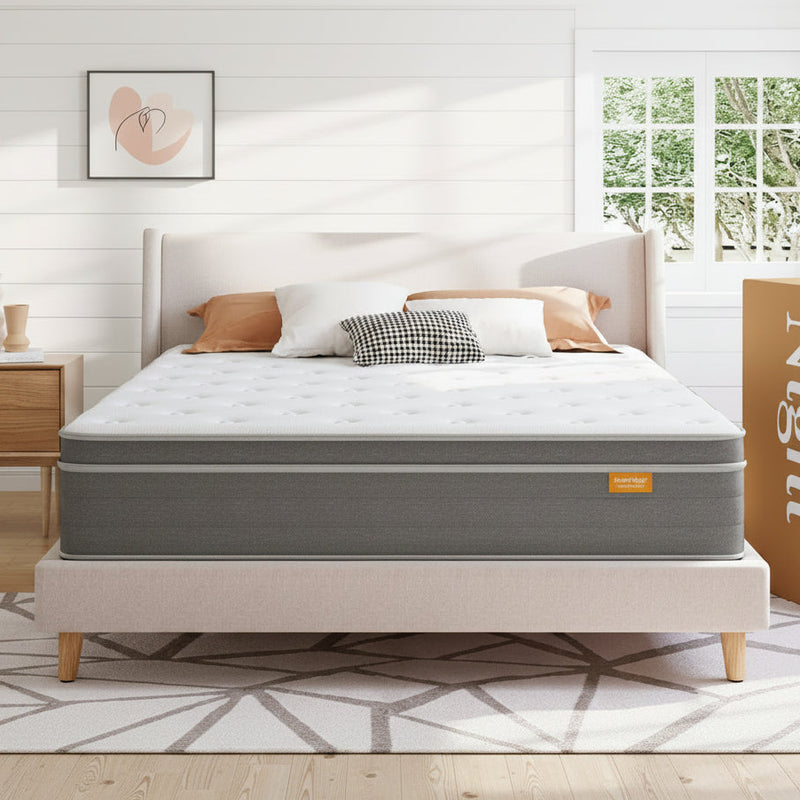
For instance, the SweetNight Twilight Hybrid at around $330 combines individually pocketed coils with gel memory foam and includes CertiPUR-US certification, a 10-year warranty, and a 100-night trial. These prove you can get an affordable hybrid mattress with essential features for hundreds less than traditional retail pricing.
Mid-Range Hybrid ($1,000 to $1,800)
Mid-range hybrids step up to 3 to 4 inches of quality foam comfort layers. The coil systems are more advanced, using better pocketed coils or even micro-coils for extra contouring. You'll also find added features like edge support and cooling technology. These mattresses measure 12 to 13 inches tall and typically last 8 to 10 years.
This is the best value hybrid mattress range for most people. They work really well for couples because the pocketed coils reduce motion transfer, and they're great for combination sleepers who change positions throughout the night.
Premium Hybrid ($1,800 to $2,500+)
Premium hybrids pack in multiple specialty foam layers, which might include memory foam, latex, and gel layers. The coil systems feature zoned support that's firmer in some areas and softer in others, plus reinforced edges. You'll find advanced cooling systems and antimicrobial covers. These mattresses stand 13 to 15 inches tall and can last 10 to 12 years or more.
Why Do Hybrid Mattresses Cost What They Do?
- Number and quality of foam layers is a major factor. More layers and higher-density foams drive up the price but also improve comfort and durability.
- Coil sophistication matters a lot. Micro-coils provide better contouring than standard pocketed coils, but they're more expensive to manufacture and install.
- Cooling technologies add cost. Phase-change materials, gel infusions, and ventilated foam layers all require extra engineering and materials.
- Edge support systems use reinforced perimeter coils or foam encasements. These prevent that roll-off feeling when you sit or sleep near the edge.
- Overall height and materials impact price too. A 14-inch mattress with premium materials simply costs more to make than a 10-inch version with basic components.
Hybrid mattresses use more materials than all-foam or innerspring models. You're paying for both a complete coil system and multiple foam layers. The engineering is more complex too, since the layers need to work together properly. But the longer lifespan often justifies the higher upfront cost.
Why Do Mattress Prices Vary So Much?
Two mattresses can look the same but cost completely different amounts. Here's what actually drives the price.
1. Better Materials Cost More: Material quality is the biggest factor. CertiPUR-US certified foam costs more because it's tested for chemicals. Organic latex costs way more than synthetic. Foam density matters too. Denser foam lasts longer but costs more. How it's made also affects price. Hand-tufted mattresses cost more than machine-made ones.
2. Online Costs Less Than Stores: Traditional stores mark up mattresses 50 to 80% to cover rent and sales staff. Online brands only mark up 25 to 40%. That's why a best value hybrid mattress online costs hundreds less than in stores. Same quality, just lower costs.
3. Bigger Mattresses Cost More: Bigger mattresses use more materials, so they cost more. A king runs $200 to $400 more than a queen. Height matters too. A 14-inch mattress costs more than a 10-inch one because it has more foam inside.
Real numbers make this concrete. The CoolNest® Ultra comes in three heights and two sizes, so you can read the cost of each upgrade straight off the price list:
| Size | 12 inch | 14 inch | 16 inch |
| Queen | $729.99 | $799.99 | $929.99 |
| King | $779.99 | $879.99 | $1,029.99 |
Two things jump out. Height is the expensive upgrade: going from 12 to 16 inches adds $200 to the queen, because you're paying for four more inches of foam. Size is the cheap one: the king costs only $50 to $100 more than the matching queen, nowhere near the $200 to $400 gap you'd see in a store. Retailers treat the king as a premium tier and price it that way, while direct-to-consumer brands mostly pass along the extra material and stop there. So if you're torn between a bigger bed and a thicker one, buying online makes the bigger bed the easier win.
4. Extra Features: Cooling gel and special materials add cost. Edge support with reinforced coils costs more but stops the edges from sagging. Certifications need third-party testing, which isn't free. Warranty length shows quality. A 10-year warranty means the company thinks it'll last, while a 3-year warranty is a red flag. These features raise the price of a cheap and comfortable mattress, but they're worth it if you need them.
Get the Best Mattress for the Best Price
You don't need to spend $3,000 to sleep well. Most people find a great cheap and comfortable mattress between $300 and $1,500, whether it's foam, hybrid, or innerspring. Focus on solid materials, proper support, and brands that offer real warranties and trial periods. Online shopping saves you 25 to 40% compared to stores, and with 100-night trials, you can test a budget friendly mattress at home with zero risk. And if you sleep hot, that's where we'd send the mid-range budget first: the CoolNest® Ultra puts cooling engineering that usually lives above $1,500 into the $730 to $1,030 range.