
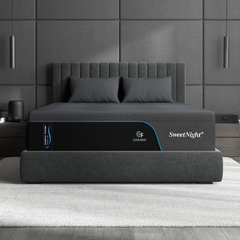






Hot sleepers have been complaining about memory foam trapping heat for years, and manufacturers finally listened. That's where the cooling foam mattress comes in—specifically, versions with gel infused right into the material. These cooling gel memory foam mattresses use tiny gel beads that absorb your body heat and spread it out instead of letting it build up under you. We'll break down the science behind how these mattresses keep you cooler, whether they really work for night sweats, and what to look for in a cool mattress for hot sleepers.
What is Gel Memory Foam?
Gel memory foam is regular memory foam with gel added in. Manufacturers mix tiny gel beads into the foam or swirl liquid gel through it before the material hardens. This is what makes a cooling foam mattress different from the old school version.
You'll find two main gel types: conductive gel that spreads heat across the surface, and phase-changing materials (PCM) that soak up heat when you get warm. Most mattresses use 2 to 5% gel, though pricier options pack in more for extra cooling power.
Here's what you're actually sleeping on:
- Viscoelastic polyurethane foam base: This is the main foam that molds to your body
- Gel particles or gel layers: The cooling ingredient mixed throughout or sitting on top
- Open-cell structure: Air pockets built into the foam so heat can escape instead of getting stuck
Put it all together and you get a mattress that stays cooler than regular memory foam without losing that comfortable, pressure-relieving feel.
How Gel Memory Technology Dissipates Heat
Gel Absorbs and Spreads Body Heat
A cooling gel memory foam mattress pulls heat away from your skin and spreads it across the surface. Regular memory foam traps body heat, but gel absorbs it faster and distributes it more evenly. Phase-change materials work at specific temperatures, usually kicking in around 85 to 90 degrees when your body starts getting too warm. The gel also helps with airflow, though the improvement is modest compared to what marketing claims suggest.
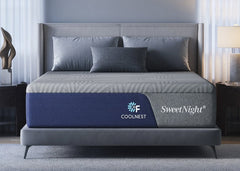
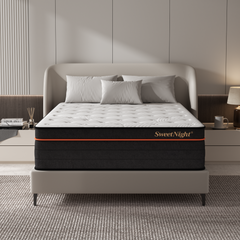
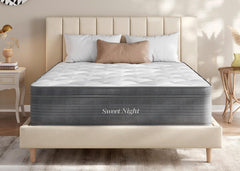
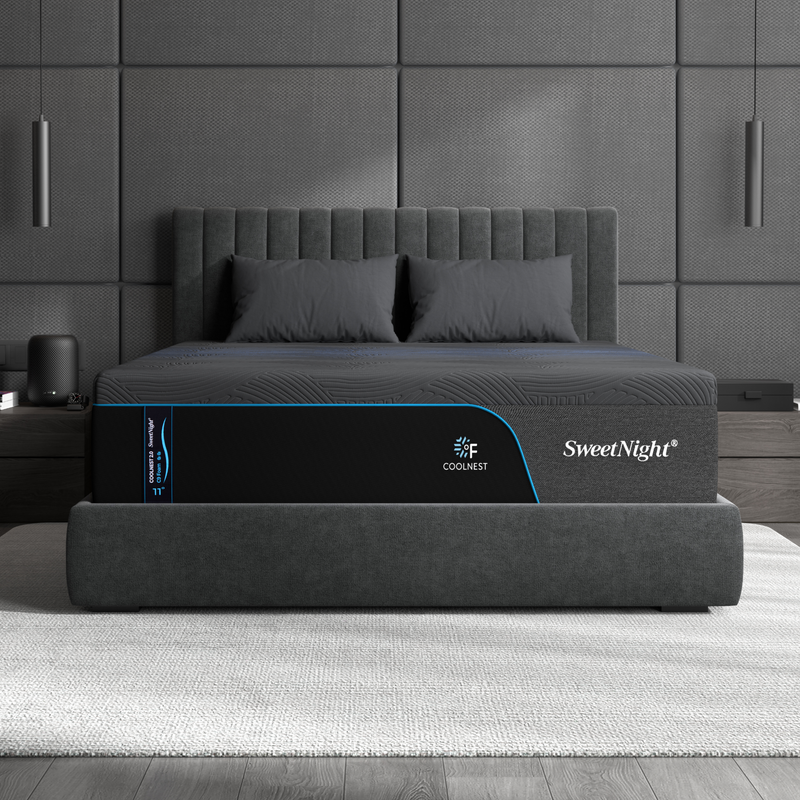
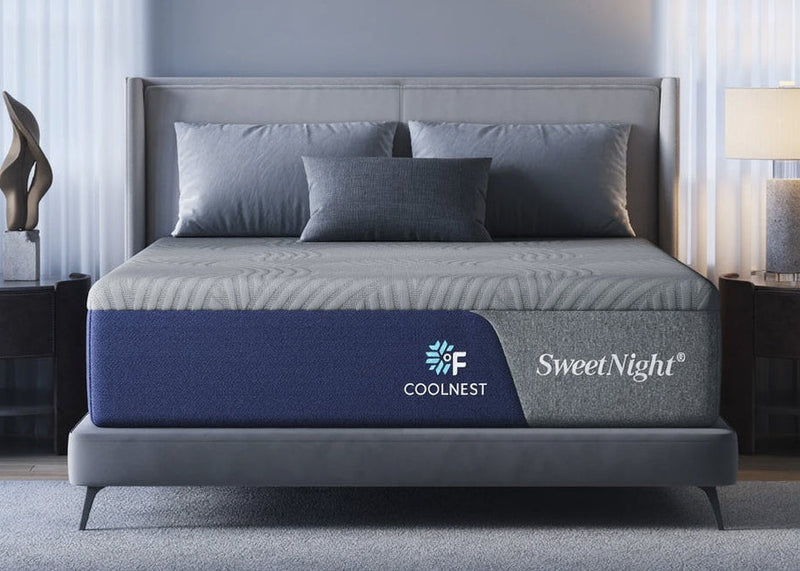
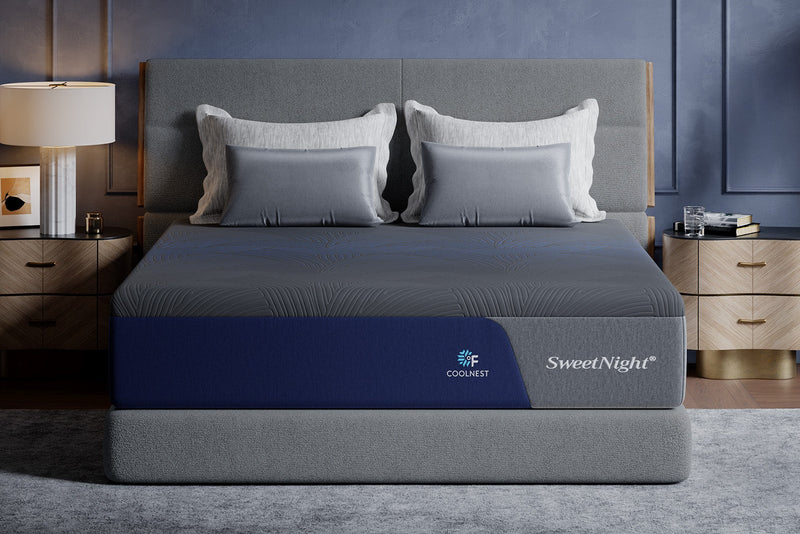
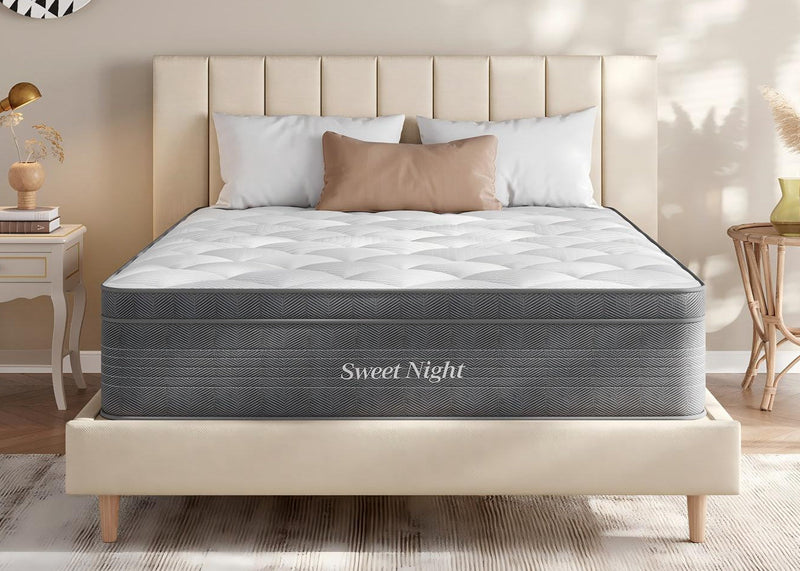
For example, the SweetNight CoolNest™ Mattress combines gel-infused memory foam with PCM technology to sleep up to 8°F cooler than traditional foam. The gel also helps with airflow, though the improvement is modest compared to what marketing claims suggest.
Open-Cell Foam Lets Heat Escape
Gel needs open-cell foam to work well. Regular memory foam has closed pockets that trap heat inside. Open-cell foam has connected spaces where air can move through. When you add gel to this open structure, heat escapes upward instead of staying stuck under you. This combination actually makes a noticeable difference.
Most memory foam cooling mattress products just use passive cooling. Heat moves from your warm body into the cooler gel, then spreads out naturally. That's all that's happening. Some brands talk about "active cooling," but that's mostly marketing unless the mattress has actual technology like air channels or pumps, which is rare.
The gel doesn't make your bed cold. It just prevents heat from piling up in one spot while you sleep.

Gel Memory Foam vs. Traditional Memory Foam: A Heat Comparison
Temperature Retention Differences
The main difference comes down to how each material handles your body heat throughout the night.
| Feature | Traditional Memory Foam | Gel Memory Foam |
| Heat Distribution | Traps heat in dense material as it molds to your body | Distributes heat across the mattress surface more effectively |
| Sleep Surface Feel | Creates warm sleeping surface that builds up over time | Still retains some warmth but noticeably less |
| Common Complaints | "Sleeping hot" and waking up sweaty | Moderate warmth, improved cooling |
| Temperature Drop | Baseline | 2-5°F cooler on sleep surface |
Actual Temperature Differences
Testing data shows gel foam mattresses run 2 to 5 degrees Fahrenheit cooler than traditional memory foam. That might not sound like much, but it's enough to notice a real difference in comfort. This temperature drop helps prevent that overheated feeling in the middle of the night, making gel options a legitimate cool mattress for hot sleepers.
Who Gets the Most Benefit
Gel memory foam works best for specific groups of sleepers:
- Hot sleepers who regularly wake up feeling too warm
- People dealing with night sweats from menopause or hormonal changes
- Anyone living in warm climates without strong air conditioning
- Sleepers who love memory foam comfort but hate the heat retention
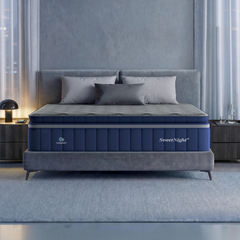
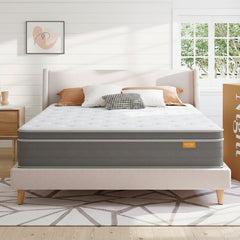
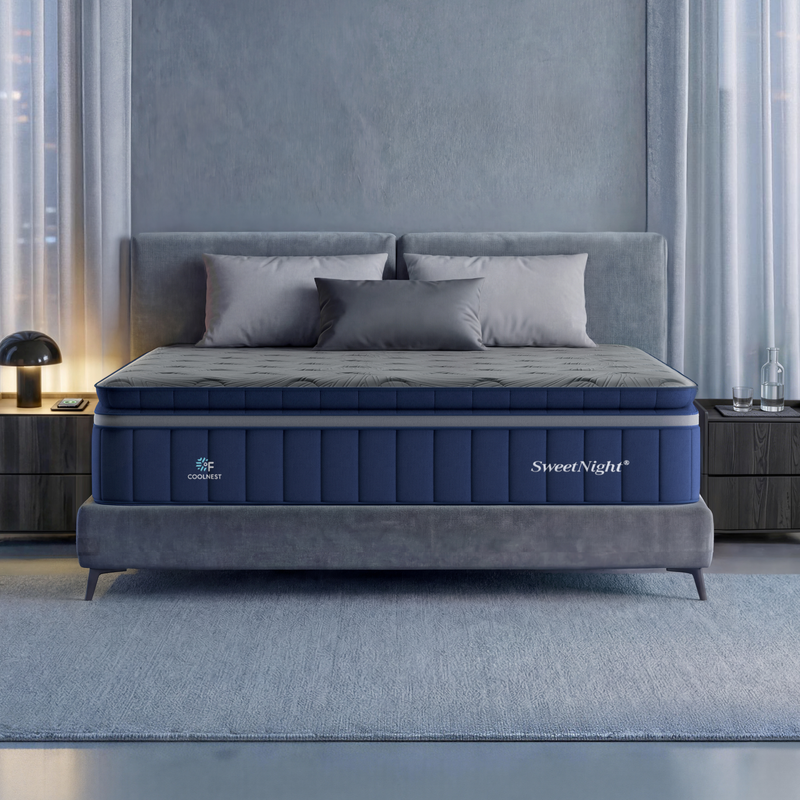
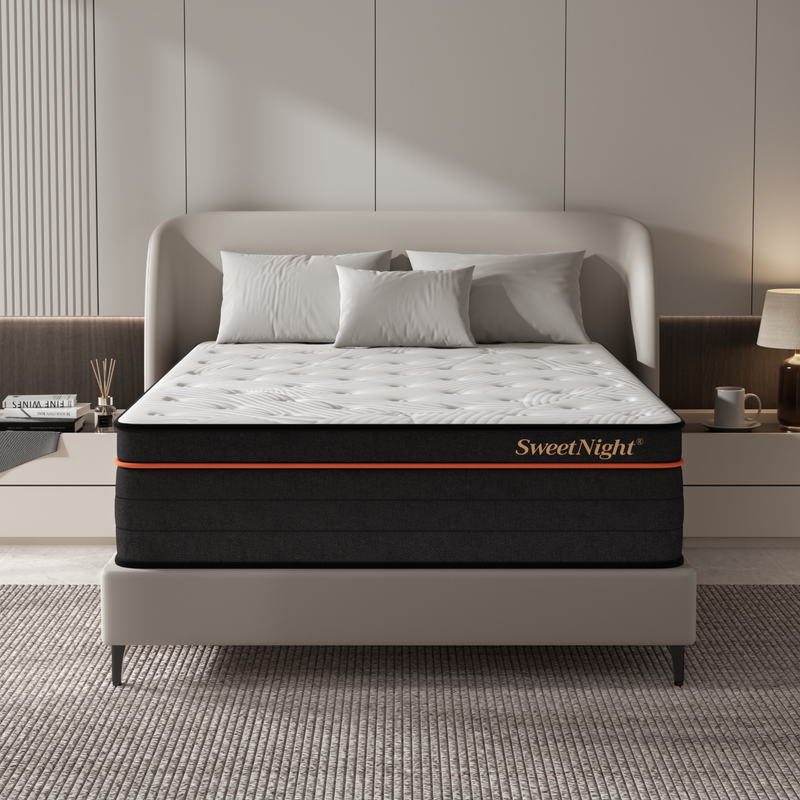
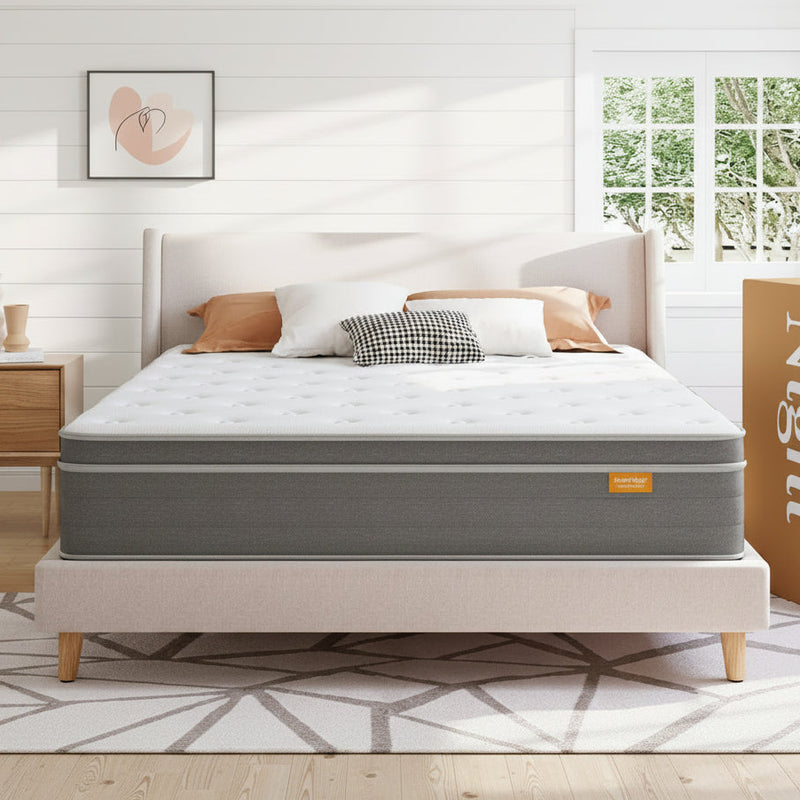
The SweetNight Island Hybrid Mattress is designed specifically for these needs, combining gel-infused memory foam with three-zone support for hot sleepers, back pain sufferers, and couples who need motion isolation. Keep realistic expectations though. Gel foam manages your body heat and sleeping temperature better, but won't cure severe night sweats from medical conditions or compensate for a bedroom that's too hot.
Does Gel Memory Foam Actually Stop Night Sweats?
Not completely, but it helps. Gel memory foam reduces night sweats by lowering your sleep surface temperature, but it won't eliminate them entirely. It lowers your sleeping surface temperature by 2 to 5 degrees Fahrenheit, which reduces heat-related sweating caused by foam trapping body heat. This works well for mild to moderate overheating during sleep.
However, a cooling gel memory foam mattress for night sweats can't fix sweating from medical conditions, menopause, or medications. It only addresses heat retention from the mattress itself, not underlying health causes.
Other Contributing Factors
Your mattress is just one piece of the puzzle when it comes to nighttime temperature. Several other factors affect whether you wake up sweating:
| Factor Category | Specific Issues | Impact on Night Sweats |
| Room Environment | Temperature above 70°F | Negates most cooling benefits from your mattress |
| Heavy comforters and flannel sheets | Traps additional heat against your body | |
| Non-breathable mattress protectors | Blocks airflow completely | |
| Sleepwear | Synthetic or heavy materials | Increases sweating and prevents moisture evaporation |
| Medical Causes | Hyperhidrosis or hormonal changes | Causes excessive sweating unrelated to mattress |
| Certain medications | Lists night sweats as a common side effect |
If sweating disrupts your sleep regularly, talk to your doctor about possible medical causes beyond your mattress choice.

How to Choose the Best Cooling Gel Mattress
1. Look for These Cooling Features
When shopping for cooling gel mattress recommendations, focus on these specific features that actually impact temperature:
- Gel concentration: Look for mattresses with at least 2 to 5% gel content. Higher percentages provide better cooling, though manufacturers don't always list exact amounts.
- Foam density: The 3 to 5 pound per cubic foot range works best. Lower density feels softer but breaks down faster. Higher density adds durability but can trap more heat.
- Cover material: Choose covers made from breathable fabrics like cotton, Tencel, or phase-change materials that wick moisture away from your body.
- Additional cooling layers: Some mattresses add graphite or copper infusions along with gel for extra heat dissipation.
- Thickness: Mattresses between 10 and 14 inches provide enough support layers while keeping the cooling gel layer close to your body.
2. Check for Safety Certifications
Check for these certifications before buying to ensure you're getting a safe, quality product:
- CertiPUR-US certification: Confirms the foam contains low VOCs and no harmful chemicals like formaldehyde or heavy metals
- Oeko-Tex Standard 100: Tests the entire mattress for harmful substances, not just the foam
- Trial periods: Look for at least 90 to 120 nights to properly test the cooling performance
- Warranties: A 10-year warranty is standard for quality mattresses and protects against defects
These certifications matter because you're spending significant money and breathing near this material every night.
3. Compare Price Ranges
Cooling gel mattresses come at different price points depending on materials and brand reputation:
| Price Range | What You Get |
| Budget ($300-$800) | Gel-infused memory foam, phase-change materials (PCM), multi-zone support |
| Mid-Range ($800-$1,500) | Higher gel concentration, multiple cooling layers, better foam densit |
| Luxury ($1,500+) | Premium cooling systems, extended warranties, white glove delivery |
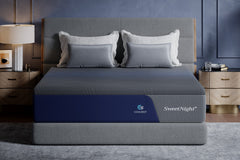
Don't overlook budget options. Many affordable cooling gel mattresses include the same certifications, cooling technologies, and warranty protection as pricier brands. The SweetNight Prime Memory Foam Mattress even offers flippable firmness options and gel cooling at less than half typical retail prices. You're often paying extra for brand recognition rather than actual cooling performance as prices increase.
4. Pick the Right Firmness for Your Body
Beyond the mattress specs, think about how you sleep when choosing a cooling option:
| Your Sleep Profile | Best Firmness | How It Affects Cooling |
| Light sleepers (under 130 lbs) | Soft to Medium | You won't sink in much, so cooling stays effective |
| Average weight (130-230 lbs) | Medium to Medium-Firm | Good mix of comfort and airflow |
| Heavy sleepers (over 230 lbs) | Medium-Firm to Firm | You need denser foam (sleeps warmer) — get extra cooling layers |
| Side sleepers | Soft to Medium | You need cushioning for shoulders and hips — slightly less cool |
| Back sleepers | Medium to Medium-Firm | Great for cooling while supporting your spine |
| Stomach sleepers | Medium-Firm to Firm | Keeps you on top of the mattress — sleeps coolest |
| Combination sleepers | Medium | Works for all positions without trapping too much heat |
Softer mattresses let you sink in and trap heat around your body. Medium to medium-firm keeps you on top with better airflow. Go with medium-firm unless your weight or sleep position needs something different.
Are Cooling Gel Memory Foam Mattresses Worth It for Hot Sleepers?
Sure! A cooling gel memory foam mattress won't feel ice cold, but it does sleep a few degrees cooler than regular foam. For most hot sleepers, that's enough to stop those sweaty wake-ups in the middle of the night. If you love how memory foam feels but hate the heat, gel versions offer a real improvement, and the newest all-foam options push cooling much further—SweetNight's memory foam mattress that sleeps 11°C cooler pairs a 5-stage cooling system with 7-zone support for back and side sleepers. Make sure you pick one with a solid trial period so you can test it in your own bedroom. Your sleep quality is worth the upgrade if overheating keeps waking you up.
FAQs About Cooling Gel Memory Foam Mattresses
Q1: How much cooler do gel memory foam mattresses sleep?
They sleep about 2 to 5 degrees Fahrenheit cooler than regular memory foam. That might not sound like much, but it's usually enough to stop you from waking up sweaty. The exact difference depends on how much gel is in the mattress and how warm your room is.
Q2: Do cooling gel mattresses lose their cooling properties over time?
Not really, if you buy a decent one.Quality cooling foam mattresses keep working for 7 to 10 years. The gel stays mixed into the foam and doesn't just disappear. Cheap mattresses might stop cooling as well after a few years when the foam starts breaking down.
Q3: Can I use a mattress topper instead of buying a new cooling mattress?
Yes, that works fine. A cooling gel mattress topper costs between $100 and $300, way less than a full mattress. You'll get similar cooling benefits as long as your current mattress still supports your body properly. It's a good way to test if gel foam helps you before spending more.
Q4: What's the difference between gel-infused and gel-topped mattresses?
Gel-infused means tiny gel pieces are mixed all through the foam. Gel-topped means there's just a gel layer sitting on top. The infused type cools more evenly and usually lasts longer. Topped mattresses put all the cooling right where you lay, which some people prefer.
Q5: Are cooling gel mattresses safe for people with allergies?
Yes, they're usually fine for allergies. Gel memory foam naturally keeps dust mites away and doesn't trigger most allergic reactions. Just check for CertiPUR-US or Oeko-Tex certifications to make sure there aren't any weird chemicals. If you have serious allergies, read what's in the cover fabric too.