

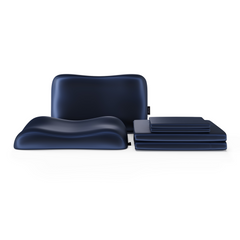
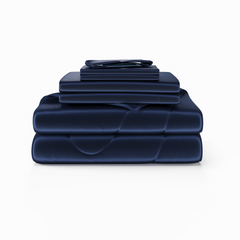
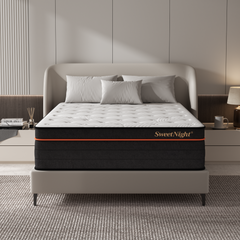
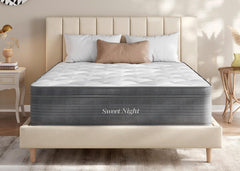
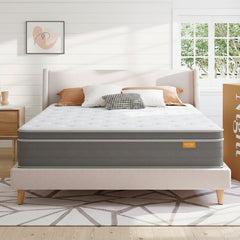







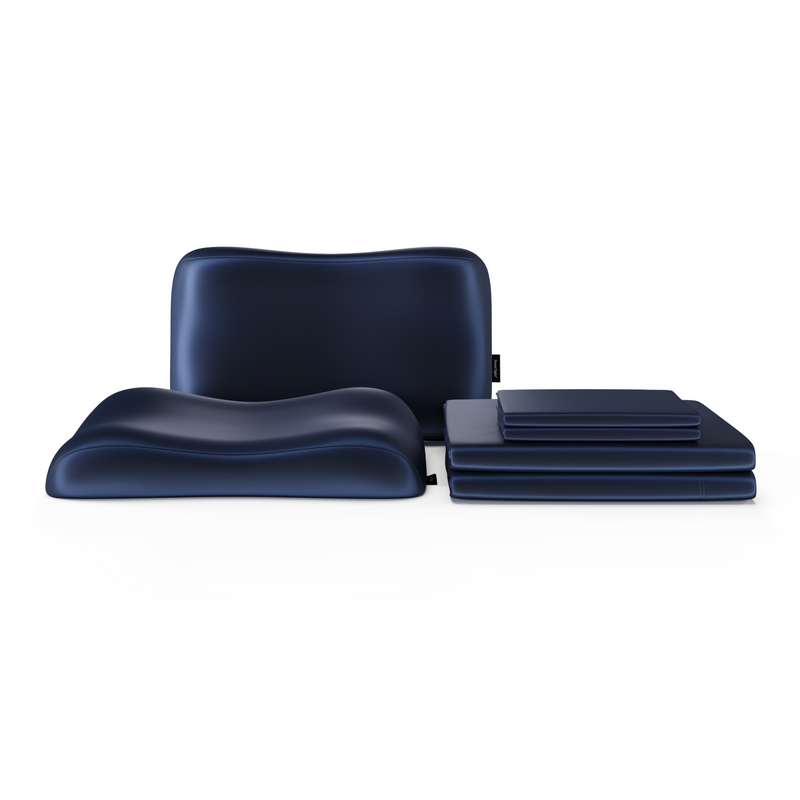
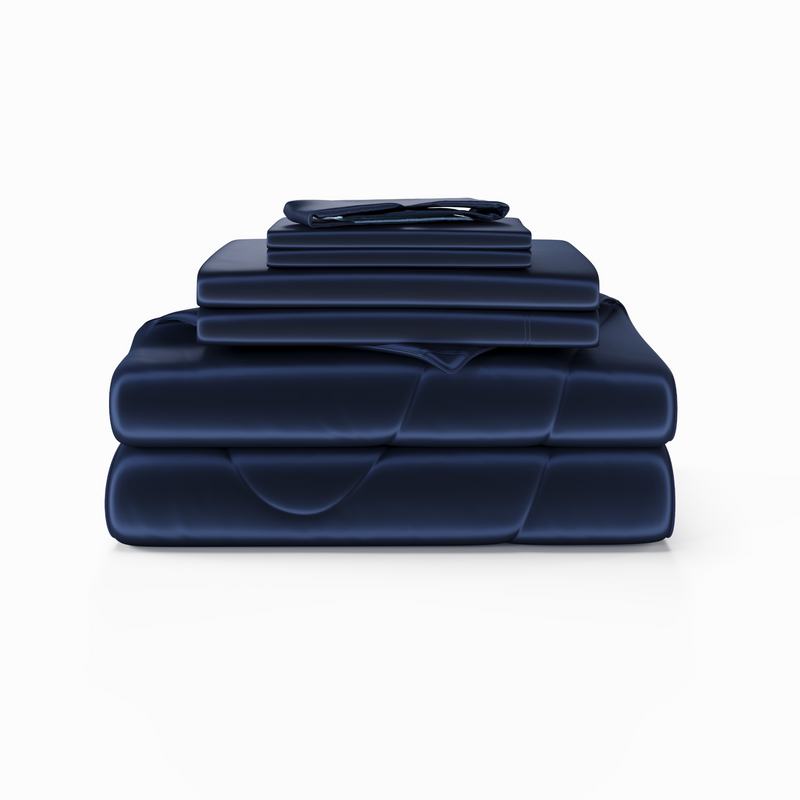
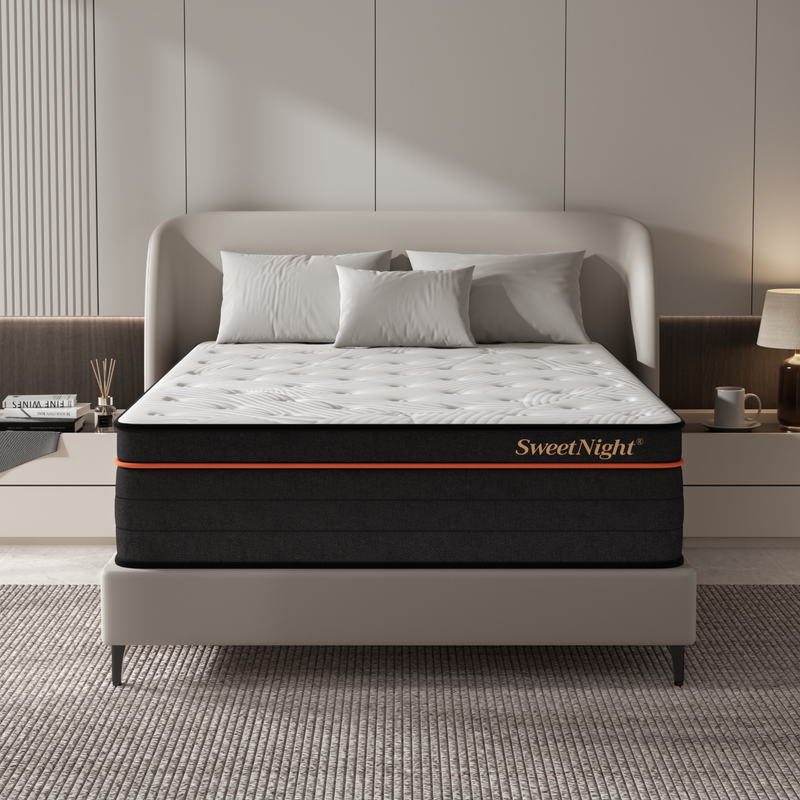
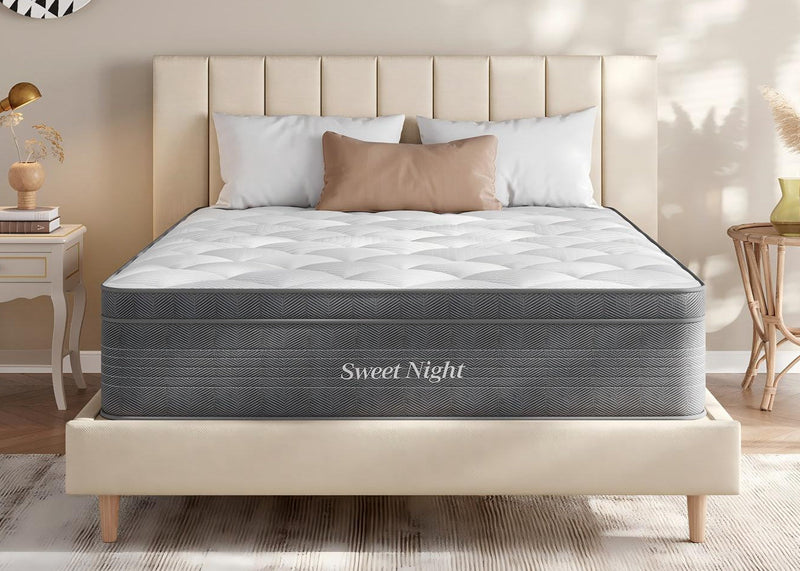
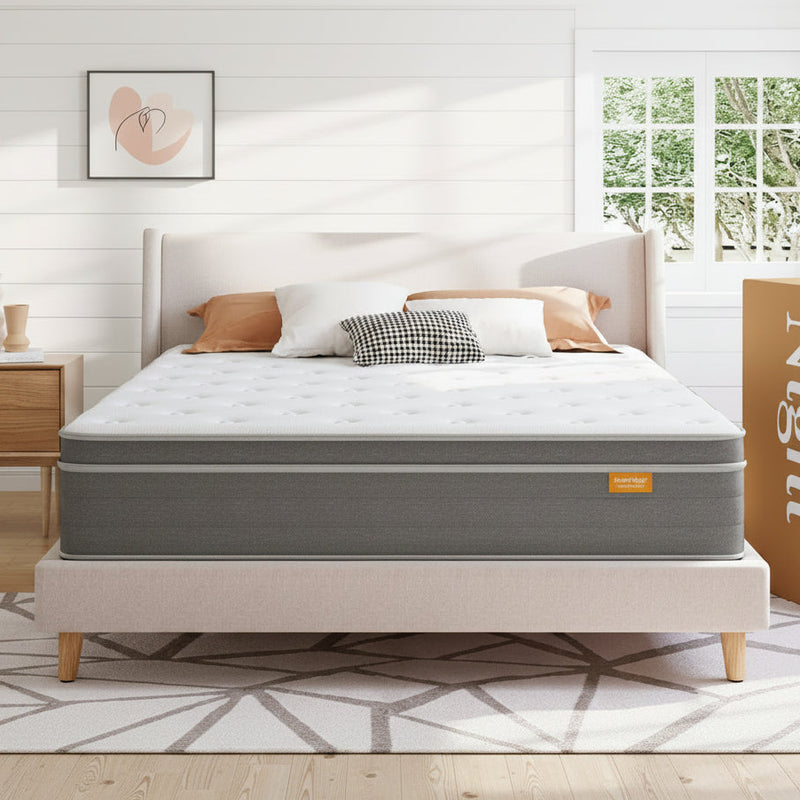





Dust mites love everything about your warm, cozy bed, but there's a way to make them incredibly uncomfortable. A cooling gel mattress or active cooling mattress drops the temperature to levels that stop these allergen-producing pests from multiplying. When you choose a CertiPUR-US certified foam mattress and layer on a breathable mattress protector, you're building a sleep environment that's both cleaner and more comfortable for you.
What's Really Living in Your Mattress?
Dust mites are microscopic creatures about 0.3 millimeters long—too small to see without a microscope. They're related to spiders and ticks, have eight legs, and live in nearly every home.
Why Your Bed is a Dust Mite Paradise
Your mattress provides everything dust mites need:
- Warmth: 68-77°F from your body heat
- Humidity: Above 50% from your sweat
- Food: 1.5 grams of dead skin cells you shed daily
Dust mites themselves are harmless, but each one produces about 20 waste pellets daily. These droppings contain proteins that trigger allergies. When you move in bed, these particles become airborne and you breathe them in.
Common Symptoms
If you wake up sneezing or congested, dust mites could be why:
- Runny nose and congestion
- Itchy or watery eyes
- Coughing
- For asthma sufferers: chest tightness, wheezing, difficulty breathing
How They Affect Your Sleep
Dust mites reduce your sleep quality in multiple ways. Nighttime congestion forces you to breathe through your mouth, which leaves you with a dry throat and wakes you up repeatedly. Itchy eyes and irritated skin also make it harder to fall asleep in the first place.
The Shocking Numbers
- 100,000 to 10 million dust mites live in a typical used mattress
- Female dust mites lay 60-100 eggs during their 65-100 day lifespan
- 20 million Americans suffer from dust mite allergies
- Present in 84% of U.S. homes
How Temperature Affect Dust Mite Survival
Temperature directly controls whether dust mites can thrive in your mattress. Even small temperature drops can slow their reproduction significantly, which is why cooling mattresses help with allergies.
Dust Mites Need Warmth and Moisture to Breed
Dust mites reproduce best between 68-77°F with humidity above 50%. At these temperatures, their eggs hatch in just 6-12 days, and populations can double within weeks. Your body heat and the moisture you release during sleep create exactly these conditions in a traditional mattress.
Your Body Creates Heat That Dust Mites Love
You generate significant warmth while sleeping, and traditional memory foam or innerspring mattresses trap this heat. You also release about half a pint of moisture each night through normal perspiration. A cooling gel mattress or active cooling mattress pulls heat away from your body and disperses it, lowering the surface temperature enough to disrupt dust mite breeding cycles.
How Cooling Gel Mattresses Actually Work
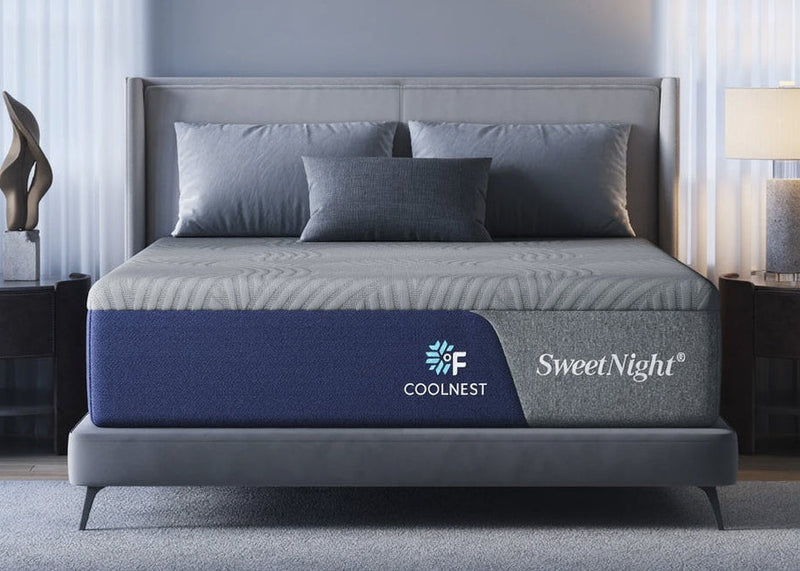
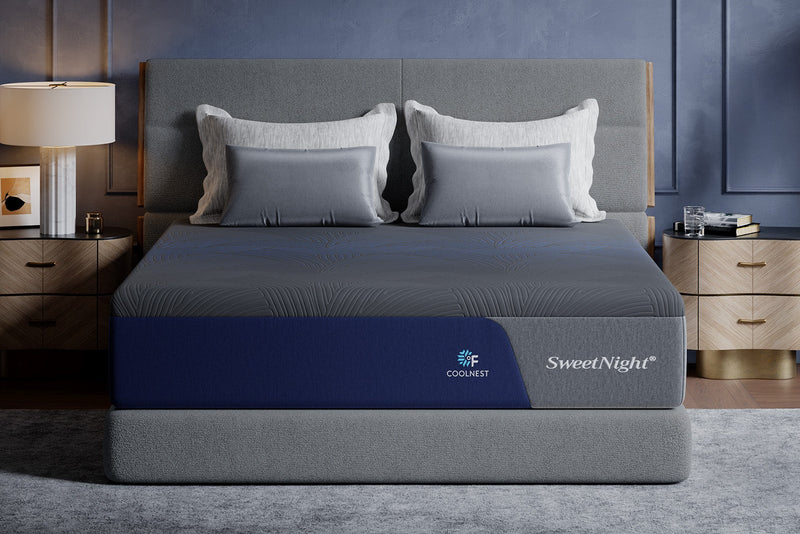
A cooling gel mattress has tiny gel beads mixed into the foam layers. These gel particles absorb heat from your body and spread it across the mattress surface instead of trapping it in one spot. This keeps the surface temperature 5-8 degrees cooler than traditional memory foam. Newer all-foam designs push this further—a cooling memory foam mattress like the CoolNest Ultra layers airflow and continuous heat dissipation to sleep up to 11°C cooler, keeping the surface inhospitable to dust mites all night.
When the mattress surface stays cooler, dust mites reproduce slower. Fewer eggs hatch successfully, and the population gradually decreases. This means less allergen exposure while you sleep.

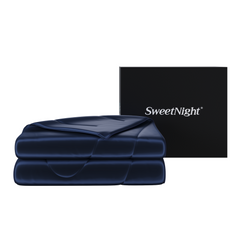
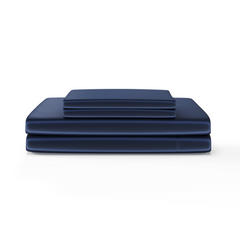
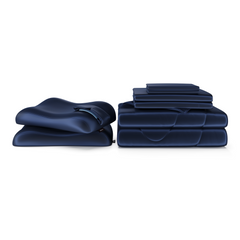
Why You Need a Breathable Mattress Protector
A breathable mattress protector works alongside your cooling mattress to fight dust mites from multiple angles. Here's why it's worth adding to your bed.
- It Stops Dust Mites from Reaching Your Mattress: Quality protectors use tightly woven fabric that physically blocks dust mites from entering your mattress. The pores are small enough to stop mites and their waste particles but large enough to let air pass through.
- It Protects Your Cooling Technology: Spills, sweat, and body oils can damage the gel or foam materials in your cooling gel mattress over time. A breathable mattress protector shields these materials while still allowing the cooling system to work. U
- It's Easier to Keep Clean Than Your Mattress: You can't throw your mattress in the washing machine, but you can wash a protector every two weeks. Regular washing in hot water (at least 130°F) kills dust mites and removes allergens before they build up.
- It Extends Your Mattress Lifespan: A CertiPUR-US certified foam mattress is an investment. A breathable mattress protector prevents stains, moisture damage, and premature wear from body oils and dead skin. This protection can add years to your mattress's useful life.
What Makes a CertiPUR-US Certified Foam Mattress Safer
CertiPUR-US certification means the foam has been tested and doesn't contain harmful chemicals. This matters when you're already dealing with dust mite allergies.
No Dangerous Chemicals Inside
A CertiPUR-US certified foam mattress is free from ozone depleters, toxic flame retardants, mercury, lead, formaldehyde, and harmful phthalates. It also has low VOC emissions. Independent labs test the foam before approving certification, so you know what you're getting.
You Won't Breathe in Chemical Fumes
Cheap mattresses often off-gas toxic fumes from flame retardants and formaldehyde. These chemicals cause headaches, respiratory issues, and can make allergies worse. That strong new mattress smell? Those are VOCs that can trigger asthma and breathing problems.
Better Air Quality in Your Bedroom
When you already have dust mite allergies, you don't need chemicals making things worse. A CertiPUR-US certified foam mattress keeps the air cleaner so you're only dealing with one problem instead of two.
How to Control Dust Mites Beyond Your Mattress
Your cooling gel mattress and breathable mattress protector are doing heavy lifting, but a complete bedroom strategy tackles dust mites from every angle. These additional steps work together to create an environment where dust mites struggle to survive.
1. Keep Your Room Cool and Dry
Temperature and humidity control are your first line of defense against dust mites. Here's what works:
- Set your bedroom thermostat between 65-68°F at night
- Use a dehumidifier to maintain humidity between 30-50%
- Buy a simple hygrometer (under $15) to monitor humidity levels
- Run a portable dehumidifier if you don't have central air, especially in summer or humid climates
2. Wash Your Bedding Weekly in Hot Water
Regular washing kills dust mites and removes allergens before they build up. Wash sheets, pillowcases, and blankets weekly in water at least 130°F. Clean comforters and duvet covers every 2-4 weeks. For items that can't handle hot water, use the dryer on high heat for 15 minutes or freeze them in a plastic bag for 24 hours. Wash pillows themselves every three months if they're machine washable.
3. Improve Air Quality with Purification and Ventilation
Clean air reduces the allergens you breathe while sleeping. Run a HEPA air purifier continuously near your bed, sized for your room. Open windows for 10-15 minutes daily when outdoor humidity is low. Vacuum twice weekly using a vacuum with a HEPA filter—avoid regular vacuums that blow allergens back into the air.
4. Add These Allergy-Fighting Products
Several products complement your CertiPUR-US certified foam mattress for better protection:
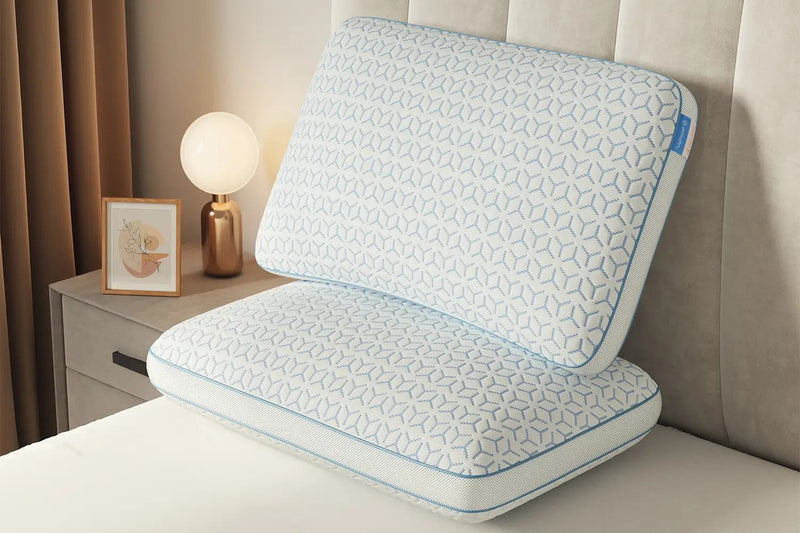
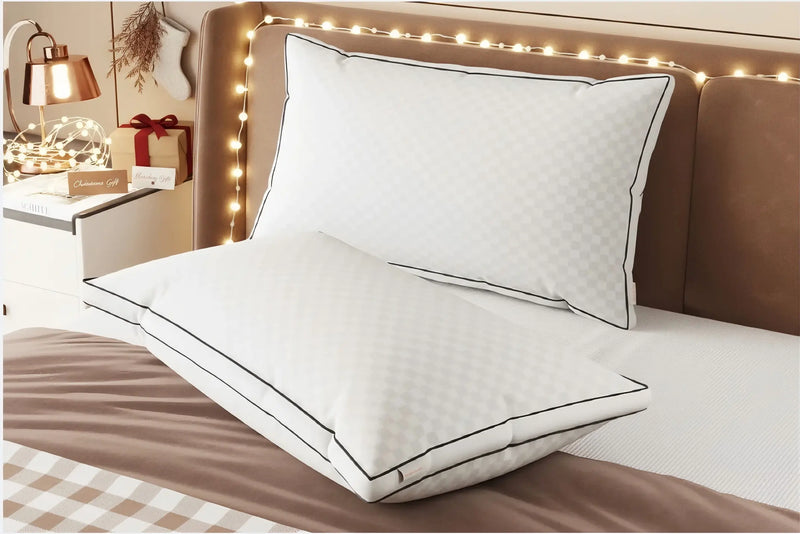
- Hypoallergenic pillow covers (dust mites live in pillows too)
- Washable blinds or shades instead of dust-trapping curtains
- Hard flooring or washable area rugs instead of wall-to-wall carpet
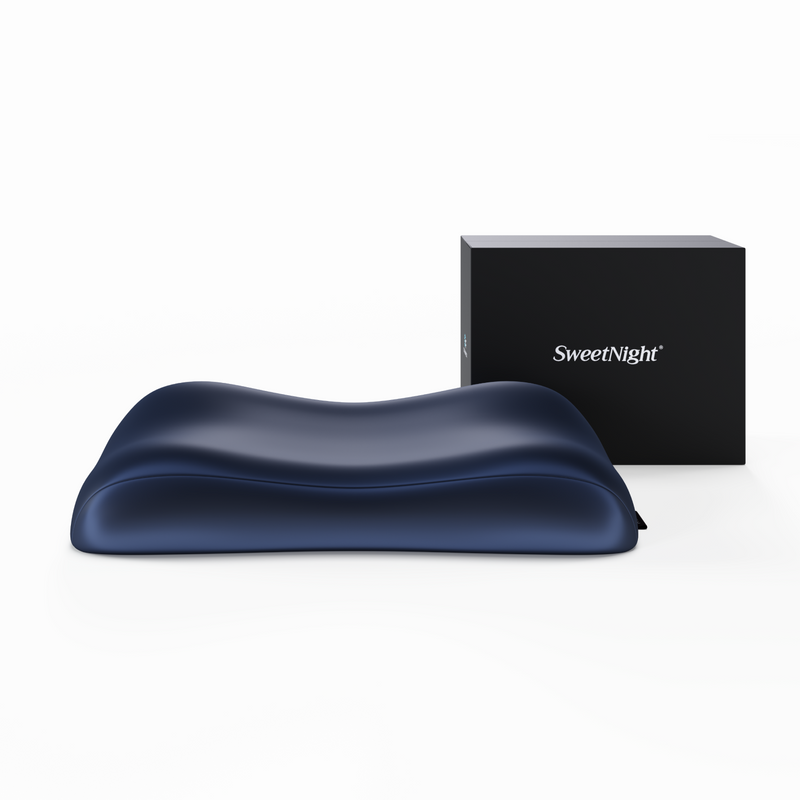
- Hypoallergenic pillows filled with latex or down alternative
- Remove upholstered furniture, stuffed animals, and decorative pillows from the bedroom
Making these changes might seem like a lot at first, but you don't have to do everything at once. Start with the basics—washing bedding in hot water and controlling humidity—then add other steps as you go.

How to Choose the Right Cooling Mattress for Allergy Relief
If you have dust mite allergies, the right cooling mattress can help you sleep better. You need a mattress that keeps temperatures low and uses materials that won't make your allergies worse. Here's what to look for and three good options.
Here are the features that make a real difference:
| Feature | How It Helps | What to Check |
| Multi-layer cooling | Keeps surface temperature low enough to slow dust mite growth | Gel foam + breathable cover + ventilation layers |
| Breathable cover | Stops heat and moisture buildup | 3D weaving or micro-vents in the fabric |
| CertiPUR-US certification | No toxic chemicals that irritate allergies | Official certification label |
| Good airflow | Reduces humidity inside the mattress | Pocketed coils or open-cell foam |
| Antimicrobial materials | Fights bacteria and absorbs moisture | Bamboo charcoal or copper-infused foam |
When you shop for a cooling gel mattress to help with allergies, make sure it has these five features. Some mattresses claim to be cooling, but if they skip CertiPUR-US certification or proper airflow, they won't control dust mites well.
Top Mattress Picks for Dust Mite Control
Here are three options that work well. Each one handles cooling differently, so pick based on what bothers you most.
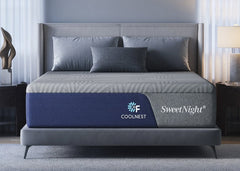
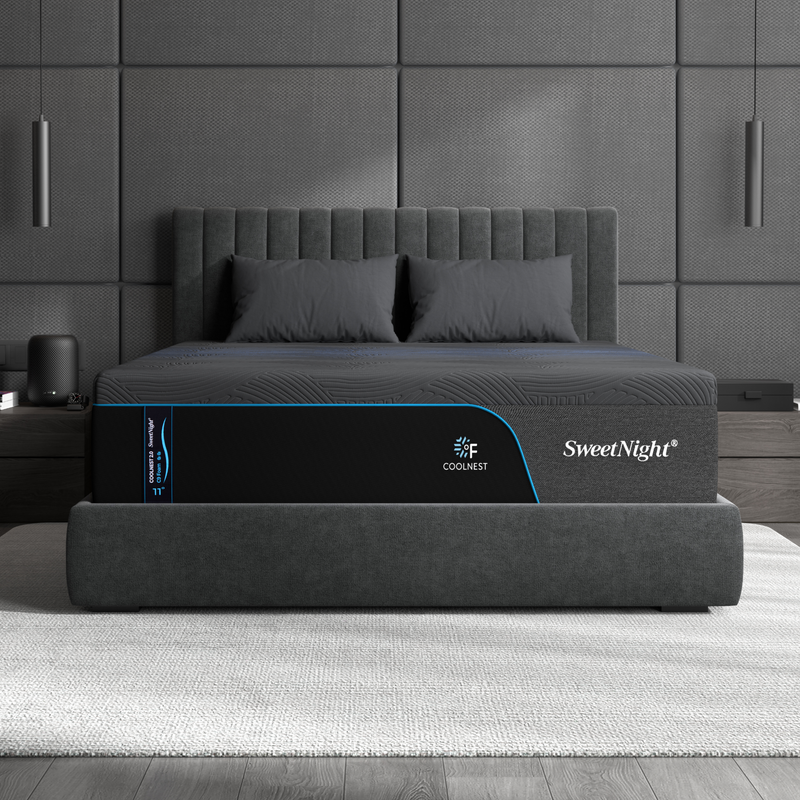
1. Best for Maximum Cooling: SweetNight CoolNest™ Mattress
SweetNight CoolNest™ Mattress is the best choice if you sweat heavily at night and have dust mite allergies. It uses the most advanced cooling in the SweetNight line to lower surface temperature by up to 8 degrees.
What makes it cool:
- Cover with 10,000 micro-vents - Airflow increases by 35% so heat escapes faster
- PCMflux™ foam - Absorbs heat when you warm up and is three times more breathable than regular foam
- Gel-infused memory foam - Spreads heat across the mattress instead of trapping it around your body
- Five-zone support - Aligns your spine without trapping heat at your hips and shoulders
- CertiPUR-US and OEKO-TEX certified - No chemicals that make allergies worse
Pick this if temperature control is your biggest concern.
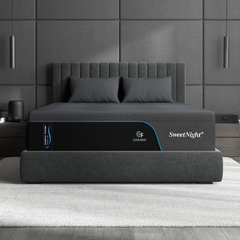
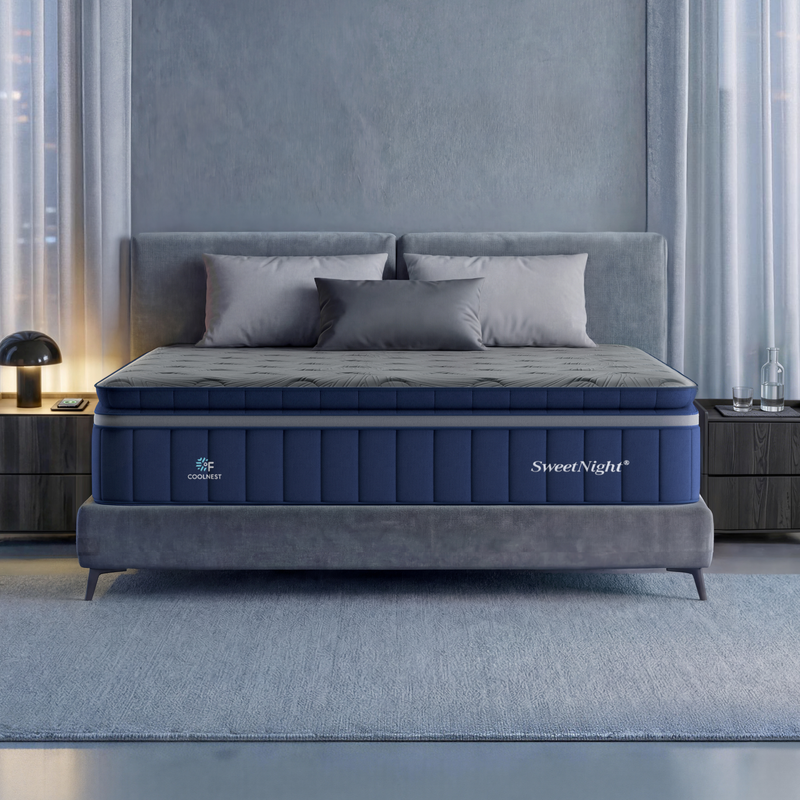
2. Best Balance: SweetNight Twilight Hybrid Mattress
SweetNight Twilight Hybrid Mattress gives you cooling plus the bounce of a traditional spring mattress. It combines foam comfort with coil support.
What makes it work:
- Individually pocketed coils - Create air channels so heat and moisture escape continuously
- Gel memory foam layers - Cool you down and relieve pressure without holding heat
- Breathable cover - Works with the coils to keep everything cool and dry
- Wrapped coils - Good motion isolation without squeaking
- CertiPUR-US and OEKO-TEX certified - Safe materials only
Choose this if you change positions often at night. The airflow stays consistent no matter how you move.
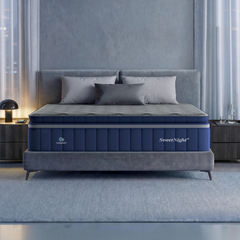
3. Best for Moisture Control: SweetNight Island Hybrid Mattress
SweetNight Island Hybrid Mattress handles both heat and sweat. It actively manages moisture, not just heat.
What controls moisture:
- Bamboo charcoal foam - Absorbs moisture and is naturally hypoallergenic and antimicrobial
- Three-zoned coils - Support your shoulders, hips, and back while maintaining airflow everywhere
- Gel-infused memory foam - Disperses heat while the bamboo charcoal handles moisture
- Extra lumbar support - Keeps your spine aligned so you move less and sweat less
- CertiPUR-US and OEKO-TEX certified - Clean materials throughout
Pick this if you wake up with damp sheets or live somewhere humid.
How to Choose
Think about your main problem:
- You wake up hot and sweaty → CoolNest for maximum cooling
- You want cooling with a traditional mattress feel → Twilight Hybrid
- You sweat heavily or live somewhere humid → Island Hybrid for moisture control
Better Sleep Starts with Temperature Control
The right cooling gel mattress changes how you sleep when you have allergies. Lower temperatures mean fewer dust mites, and fewer dust mites mean better breathing at night. Choose a mattress with proven cooling technology and CertiPUR-US certification, add a breathable protector, and keep your room cool. These simple steps work together to reduce allergens naturally. Try it risk-free with a 100-night trial and wake up feeling the difference.
Common Questions About Cooling Gel Mattresses and Dust Mite Control
Q1: Do cooling mattresses really reduce dust mites?
Yes, but indirectly. Cooling gel mattresses don't kill dust mites—they create conditions that slow reproduction. Dust mites breed best at 68-77°F. When your mattress lowers temperature by 5-8 degrees, dust mites lay fewer eggs and mature slower. For best results, combine your cooling mattress with a breathable mattress protector and wash bedding weekly in hot water.
Q2: How often should I replace a breathable mattress protector?
Replace it every 1-2 years, or sooner if you see wear. Signs include tears, thinner fabric, loose elastic, or peeling backing. If you wash it every two weeks in hot water, expect to replace it closer to one year. A worn protector can't block dust mites effectively.
Q3: Is CertiPUR-US certification necessary for allergy sufferers?
Absolutely. CertiPUR-US certification means no formaldehyde, toxic flame retardants, or harmful chemicals that worsen allergies. Non-certified mattresses release VOCs that cause headaches and breathing problems. When you're fighting dust mite allergies, you don't need chemical fumes making things worse.
Q4: What's the ideal bedroom temperature to prevent dust mites?
Keep your bedroom at 65-68°F. Dust mites struggle to reproduce below 68°F. Also maintain humidity at 30-50% since they need moisture above 50% to survive. Your cooling gel mattress works better when room temperature stays cool too.
Q5: Can I use a cooling gel mattress with any bed frame?
Not always. Your mattress needs airflow underneath to work properly. Platform beds with slats (3-4 inches apart max), adjustable bases, and box springs all work well. Avoid solid platforms or placing the mattress on the floor—both trap heat and create moisture buildup that dust mites love.
Q6: How long does cooling mattress technology last?
Quality cooling gel technology lasts 7-10 years. The cooling effect peaks in the first five years, then may gradually decrease as gel breaks down. Using a breathable mattress protector and rotating your mattress every 3-6 months helps the cooling last longer.