
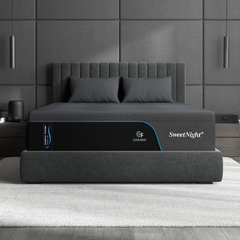
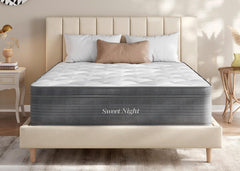
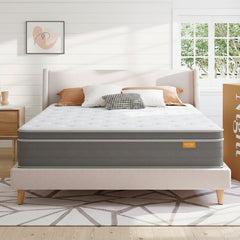
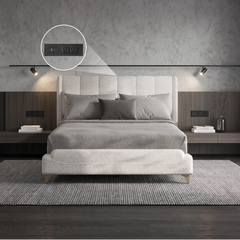
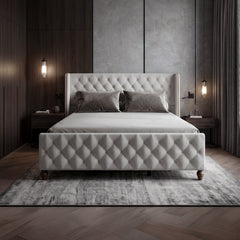
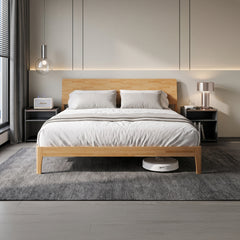

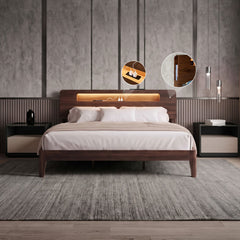




If you love how memory foam feels but hate waking up overheated, cooling gel memory foam mattresses might sound like the perfect solution. The problem? Every brand claims theirs is the coolest, and half of them are using meaningless buzzwords to sell you. This guide cuts through all the marketing noise to show how these mattresses actually keep you cool, what difference you'll really feel, and whether they're worth the investment for hot sleepers.
Why Hot Sleepers Need a Cooling Gel Memory Foam Mattress
Sleeping too hot isn't just uncomfortable—it actually disrupts your body's natural sleep cycle. Your core temperature needs to drop for deep, restorative rest, but heat-trapping mattresses force your body to work overtime cooling itself down.
- Traditional memory foam creates a thermal barrier that traps body heat, leading to constant tossing, turning, and frequent wake-ups throughout the night.
- Hot sleepers often suffer from daytime headaches, irritability, and brain fog because poor temperature regulation prevents quality sleep cycles from completing properly.
- Women experiencing menopause face especially miserable nights when hot flashes combine with heat-retaining mattresses, making sleep nearly impossible.
- Cooling gel technology specifically breaks this heat-trapping cycle by dissipating warmth and regulating temperature throughout the night, offering relief for natural hot sleepers, people in warm climates, and couples with different temperature needs.
Does Gel Memory Foam Really Keep You Cool?
Yes, gel memory foam does keep you cooler than traditional memory foam—quality mattresses typically sleep 2-5 degrees cooler, with premium models reaching 6-8 degrees. That might not sound like much, but it's enough to make a real difference in how you sleep.
What About Those "8° Cooler" Claims?
Those "8° cooler" claims you see everywhere aren't false, but there's a catch. They measure the mattress surface in ideal conditions, not how much cooler you'll actually feel in your bedroom. Your results will vary depending on your room temperature and how hot you naturally sleep.
What You'll Actually Experience
You'll notice less sweating and heat buildup compared to regular memory foam, especially during the first few hours of sleep. The difference is more obvious during warm weather. Just remember—if your bedroom is 85 degrees with no AC, the mattress can only do so much. The gel helps heat escape instead of getting trapped, but it won't make you cold.
Gel isn't your only choice for staying cool. Latex foam runs cooler than any memory foam, and hybrid mattresses with coils provide better airflow. Pick based on what matters most to you—maximum cooling, pressure relief, or a balance of both.
Updated for 2026: How Much Cooler, Actually Measured
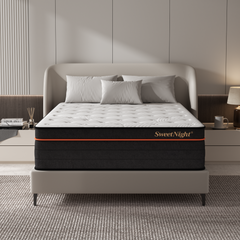
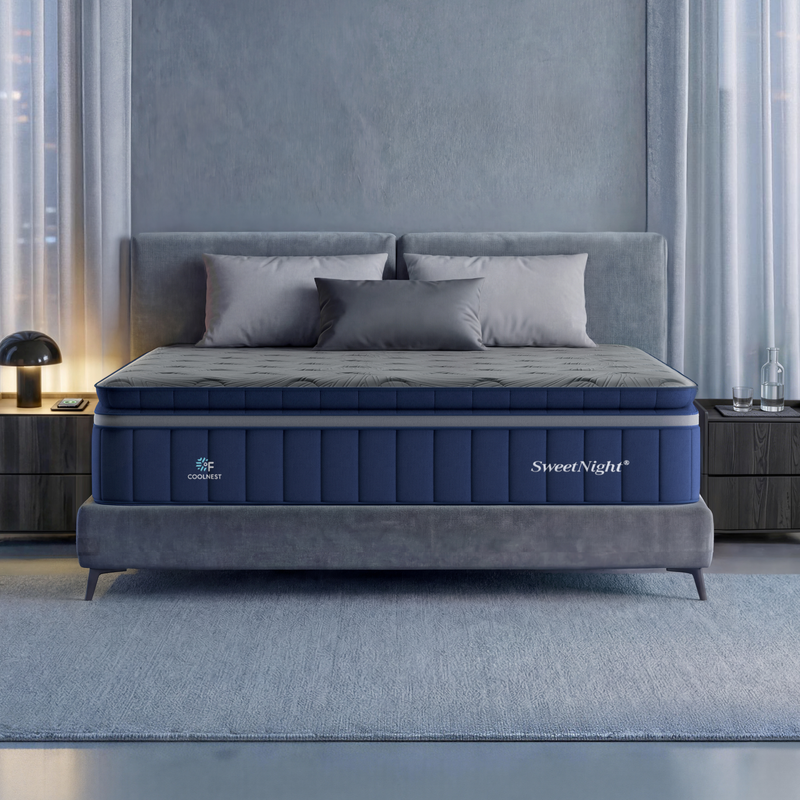
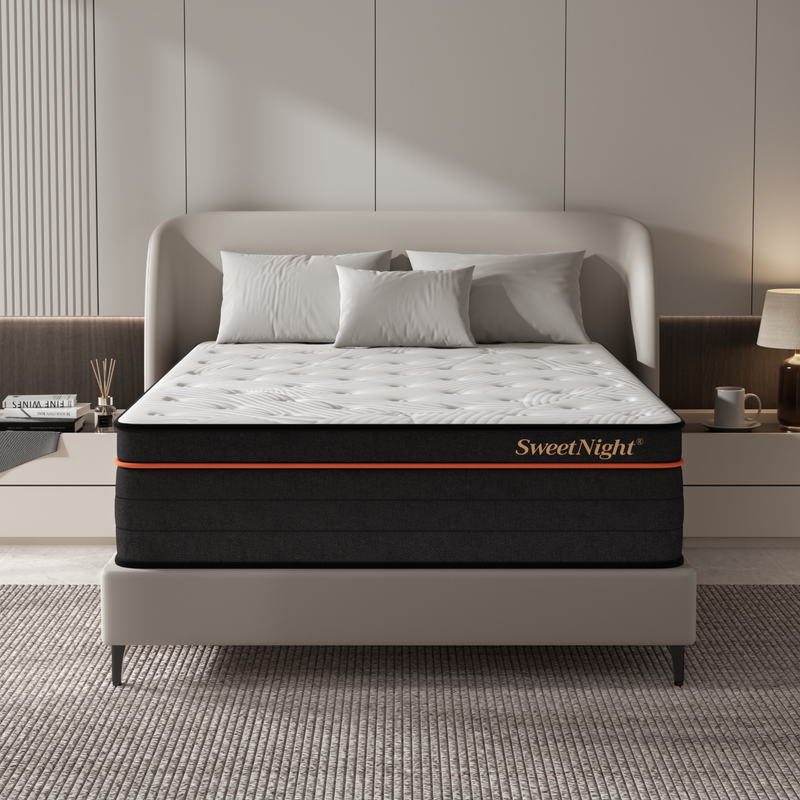
The cooling numbers have moved on since the early "8° cooler" era. The newest flagship cooling foam beds stack several mechanisms at once—gel-infused open-cell foam, a phase-change comfort layer, and engineered airflow channels—to widen the gap between the surface heat and your body heat. SweetNight's 5-stage cooling system that sleeps up to 11°C cooler, for instance, is measured at the sleep surface under controlled conditions, so read it the way you'd read any lab figure: a ceiling, not a nightly guarantee. What a number like that actually tells you is which construction is doing the most work to pull heat away from your skin—and in 2026 that engineered-heat-transfer spec, not the word "gel" on a label, is the thing worth comparing before you buy.

Best Cooling Mattress Features: What to Look for Before You Buy
Essential Cooling Technologies Beyond Gel
Don't just look at whether a mattress has "cooling gel" in the name. The best cooling mattresses combine multiple technologies to keep you comfortable all night.
- Open-Cell Foam Structure: This construction allows air to move through the foam rather than getting trapped, so when you press into the mattress and shift position, the air exchange helps dissipate heat.
- Breathable Cover Materials: Look for moisture-wicking fabrics like Tencel, bamboo-derived rayon, or phase-change covers that actively pull moisture away from your body and promote airflow, while avoiding thick quilted covers that trap heat.
- Airflow Channels and Ventilation Layers: Premium cooling mattresses include engineered pathways that allow hot air to escape from the sides, with some designs featuring perforations or grooves cut into the foam layers.
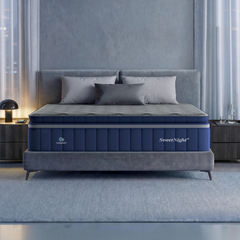
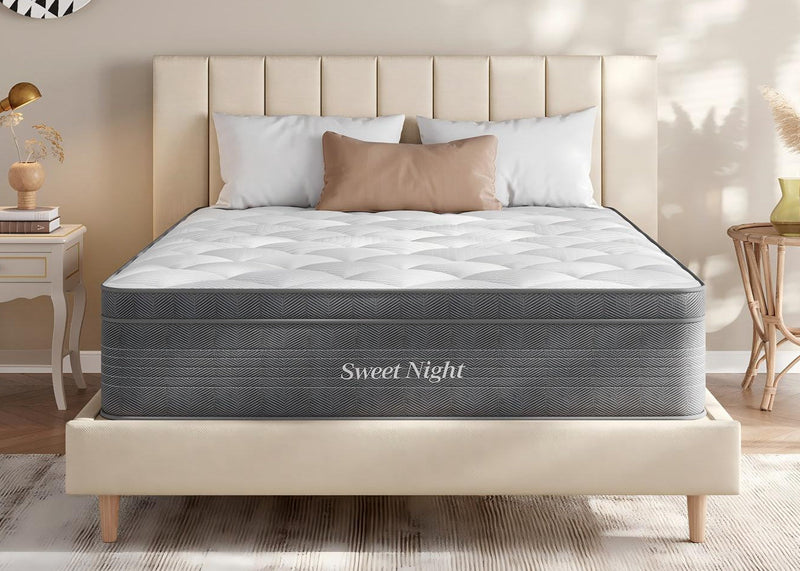
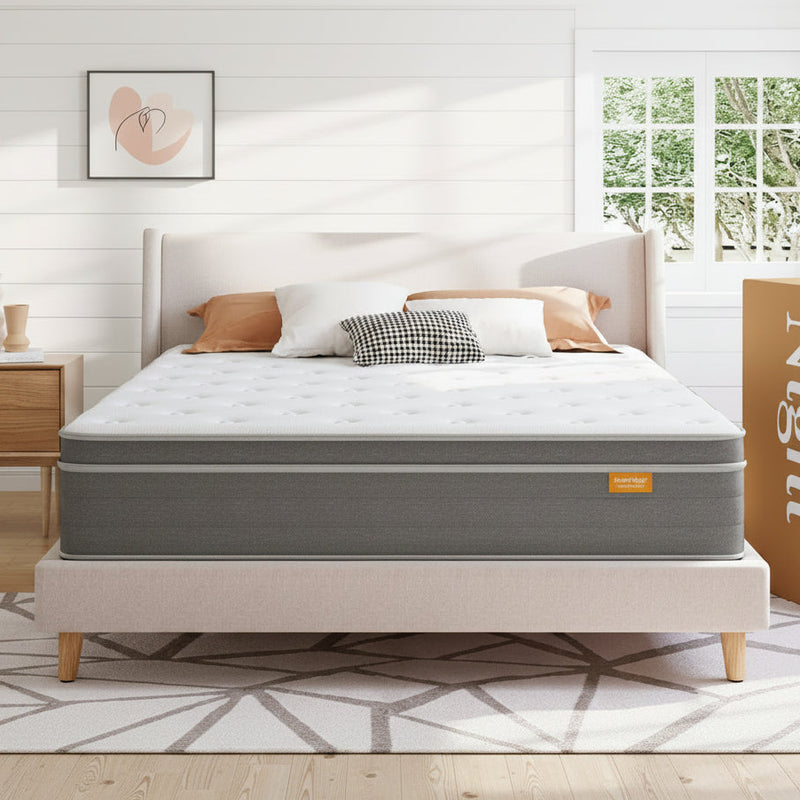
- Hybrid Constructions: Mattresses combining foam layers with innerspring coils offer some of the best cooling performance since the coil system creates natural airflow channels throughout the mattress core. The SweetNight Twilight Hybrid Mattress pairs gel memory foam with individually pocketed coils that create airflow while offering motion isolation—perfect if you're a hot sleeper who shares the bed.
If you're a serious hot sleeper, a hybrid with cooling gel foam on top and pocketed coils underneath might be your best bet for staying cool all night.
Firmness, Support, and Sleep Position Considerations
Here's something most people don't realize: firmness level affects how hot you sleep. Softer mattresses let you sink in deeper, creating more body contact and heat buildup, while firmer mattresses keep you more on top with better air circulation.
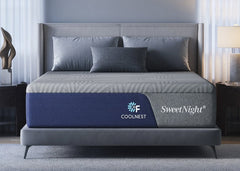
- Side Sleepers: Look for medium-firm options (5-6 on the firmness scale) that provide enough contouring for your shoulders and hips without excessive sinking. The SweetNight CoolNestTM Mattress offers signature medium firmness that balances support and comfort—ideal for side and back sleepers who also run hot.
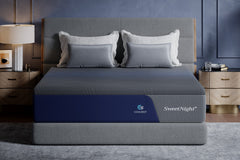
- Back Sleepers: You can go slightly firmer (6-7) for better support and cooler sleep without sacrificing comfort. A 7-zone cooling memory foam mattress like the CoolNest® Ultra pairs precision spinal support with a 5-stage cooling system that sleeps up to 11°C cooler.
- Stomach Sleepers: Firmer options (7-8) work best to prevent lower back strain and reduce heat retention.
- Heavier Sleepers: If you're over 250 pounds, look for mattresses with higher-density cooling gel foam and stronger support layers designed specifically for heavier body types, as you'll naturally generate more heat and sink deeper into foam.
Choosing the right firmness for your sleep position and body type ensures you get both the cooling and support you need for quality rest.
What Else Can Help You Sleep Cooler?
Even the best cooling gel mattress works better when you optimize your entire sleep environment.
Best Sheets for Hot Sleepers
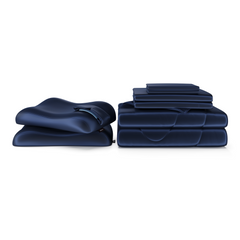
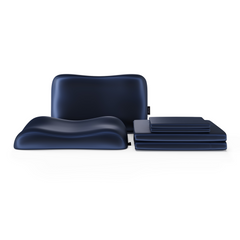
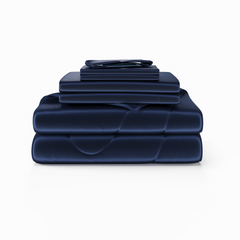
Switch to lower thread count sheets (250-400) or moisture-wicking materials like bamboo, Tencel, or percale cotton—they breathe way better than high thread count or sateen weaves.
Cooling Mattress Toppers as Alternatives
They provide some relief if you're not ready for a new mattress, but they're a temporary fix and work best if you like your current support and just need extra cooling.
Bedroom Setup Tips
Run a fan for air circulation even with AC, and keep humidity between 30-50% with a dehumidifier since high humidity makes you feel hotter.
Nighttime Habits That Help
Take a lukewarm shower before bed to lower your body temperature, and avoid large meals or exercise within 2-3 hours of bedtime since both heat you up.
Small changes to your sleep environment can make your cooling mattress work even better, giving you the comfortable night's rest you're looking for.

Is a Cooling Gel Memory Foam Mattress Right for You?
Start with these simple questions:
- Do you wake up sweaty or kick off covers in the middle of the night?
- Have you already tried the basics (cotton sheets, a fan, thermostat at 68°F) and still overheat?
- Do you love how memory foam hugs your body but hate waking up in a sweat?
- Can you spend $200-$1,000 on a quality queen-size mattress?
If you said "yes" to 3 or 4 of these, a cooling gel memory foam mattress is worth considering.
This mattress works best if you:
- Sleep hot on regular memory foam — You like sinking into the mattress for pressure relief on your hips and shoulders, but traditional memory foam turns you into a furnace by 3 AM.
- Change positions at night — You start on your side, roll to your back, maybe end up on your stomach. The foam adapts as you move.
- Share your bed — Your partner won't feel you getting up for a midnight snack. Bonus: no springs means no squeaking.
Skip this mattress if you:
- Overheat constantly — If you're hot even in winter with the window open, memory foam (even cooling versions) might still trap too much heat. Try latex or a hybrid with coil springs instead — they let air flow through better.
- Like sleeping on top of your mattress — Memory foam cradles you "in" the bed. If you prefer feeling supported "on" the surface, get an innerspring or firm hybrid.
Before you buy:
✓ Read reviews from hot sleepers specifically — Look for phrases like "I used to wake up drenched" in customer reviews. Skip generic 5-star ratings.
✓ Confirm the trial period is actually useful — 100+ nights is standard. Make sure returns are free and don't require the original box.
✓ Test it through a full season — You might love it in January but regret it by July. That's what trial periods are for.
✓ Check the warranty fine print — How much sagging is "normal"? (Should be less than 1.5 inches.) Are cooling properties guaranteed beyond year one?
Take your time. You'll use this mattress for 2,500+ nights. An extra week of research beats years of sweaty sleep.
FAQ About Cooling Gel Memory Foam Mattress
Q1: Do cooling gel mattresses work for night sweats?
Yes, they can significantly reduce night sweats for most people. The gel technology helps dissipate heat before it builds up enough to trigger sweating. However, if your night sweats are caused by medical conditions or medications, you should address those underlying issues with your doctor. A cooling mattress helps manage temperature but isn't a medical solution.
Q2: What's the difference between gel-infused and gel layer mattresses?
Gel-infused mattresses have tiny gel beads mixed throughout the foam during manufacturing, providing consistent cooling across the entire layer. Gel layer mattresses place a separate cooling gel layer on top of or within the mattress. Gel layers often provide more immediate cooling on contact, while gel infusion offers more consistent temperature regulation throughout the night. Many premium mattresses combine both approaches.
Q3: How long does the cooling effect last in gel memory foam?
In quality mattresses, the cooling properties should last 5-7 years minimum. Budget models may see reduced cooling within 2-3 years as the gel particles break down or the foam structure deteriorates. Regular rotation and proper care help maintain cooling performance. Look for mattresses with warranties that specifically cover cooling properties, not just structural integrity.
Q4: Are cooling gel mattresses good for side sleepers?
Absolutely. Side sleepers often love cooling gel memory foam because it provides pressure relief for shoulders and hips while managing temperature. Look for medium to medium-firm options (5-6 on the firmness scale) that offer enough contouring without excessive sinking. The cooling properties prevent the trapped heat that often occurs when side sleepers sink deeply into traditional memory foam.
Q5: Can I use a mattress topper with a cooling gel mattress?
You can, but choose carefully. Adding a regular topper defeats the purpose by creating an insulation layer between you and the cooling gel. If you need extra cushioning, use a cooling gel topper specifically designed to enhance rather than block the mattress's cooling properties. Memory foam and latex toppers will reduce cooling effectiveness.
Q6: Do I need special sheets for a cooling mattress?
You don't need special sheets, but the right sheets make a huge difference. Breathable materials like bamboo, Tencel, percale cotton, or moisture-wicking performance fabrics work best. Avoid high thread count sheets (over 400), flannel, and jersey knit, as these trap heat. Your sheet choice can either enhance or completely negate your cooling mattress's benefits.
Q7: Are cooling gel mattresses worth the extra cost?
Absolutely! If you regularly wake up hot or can't sleep comfortably on traditional memory foam, the extra $200-$400 over a regular mattress is absolutely worth it. Better sleep affects your health, mood, and productivity—it's one of the best investments you can make. However, if you're only occasionally warm or have a cool bedroom year-round, you might not notice enough difference to justify the premium.