















Mattress Guide
Full Size Bed Dimensions: Complete 2026 Buyer's Guide
A full size bed measures 54 inches wide by 75 inches long, but what does that really mean for your bedroom? These full bed dimensions make it a popular choice for teenagers, single adults, and guest rooms where space is tight. Getting the measurements right matters because the difference between a cramped room and a comfortable one often comes down to those few inches. Let's look at how full mattress size compares to other options and who benefits most from this versatile bed size.

CONTENTS
- 1. What Are the Exact Dimensions of a Full Size Bed?
- 2. Full Size vs. Other Mattress Sizes
- 3. Who Should Get a Full Size Bed?
- 4. What Room Size Do You Need for a Full Size Bed?
- 5. Full Size Bed Frame Dimensions
- 6. Full Size Bed Buying Checklist
- 7. What's Next? Finding Your Perfect Full Size Bed
What Are the Exact Dimensions of a Full Size Bed?
A full size bed measures exactly 54 inches wide by 75 inches long (137 cm x 190 cm). That gives you about 28.1 square feet of sleeping surface—enough room to stretch out comfortably if you're sleeping alone, or get cozy if you're sharing with a partner.
Here's how full size bed dimensions stack up against other common mattress sizes:
| Mattress Size | Width | Length | Surface Area |
|---|---|---|---|
| Twin | 38" | 75" | 19.8 sq ft |
| Full | 54" | 75" | 28.1 sq ft |
| Queen | 60" | 80" | 33.3 sq ft |
| King | 76" | 80" | 42.2 sq ft |
The full bed gives you 16 extra inches of width compared to a twin—a significant upgrade for solo sleepers. However, it's 6 inches narrower than a queen, which becomes noticeable when sharing.
The "Double Bed" Connection
Full size beds and double beds are the same thing. The "double" name originated in the early 20th century during mattress standardization because the bed is roughly twice the width of a twin. Americans typically say "full" while Europeans often use "double," but the dimensions are identical.
Space Per Person: The Reality Check
When two people share a full size bed, each person gets about 27 inches of personal space—that's actually narrower than a twin bed (38 inches). A queen gives each person 30 inches, while a king provides 38 inches per person. Those extra inches make a real difference in comfort, which is why couples often find full beds adequate for guest rooms or temporary setups but too cramped for nightly use.
Is a full bed the same as a double bed?
Yes, absolutely. "Full" and "double" are two names for the identical mattress size: 54" x 75". The terminology varies by region and generation, but the bed dimensions are exactly the same.
Full Size vs. Other Mattress Sizes
Choosing between bed sizes comes down to balancing space, comfort, and room dimensions. Here's how full size bed dimensions stack up against other popular mattress sizes.

Full vs. Queen Bed Dimensions
The difference between a full and queen bed is 6 inches in width and 5 inches in length. A queen measures 60" x 80" compared to the full's 54" x 75". For couples, a queen provides 30 inches per person versus just 27 inches on a full. The extra 5 inches in length also benefits taller sleepers.
- When to choose a full: You're a solo sleeper, your bedroom is under 10' x 10', or you're furnishing a guest room on a budget.
- When to choose a queen: You're a couple, you have a bedroom 10' x 10' or larger, or you co-sleep with pets or children.
Full vs. Twin/Twin XL
A full bed offers 16 inches more width than a twin (38" x 75")—that's 42% more sleeping surface. For single adults, this upgrade transforms sleep quality. You can spread out and change positions freely without feeling cramped.
Best use cases: Teenagers transitioning from childhood beds, single adults in apartments, and college students in small rentals.
Full vs. King/Cal King
A king bed (76" x 80") is 22 inches wider than a full, providing each sleeper with 38 inches of personal space. However, kings require at least 12' x 12' bedrooms, while a full works in 10' x 10' spaces. King beds are best reserved for spacious master suites where they won't overwhelm the room.
Complete Bed Size Comparison Chart
| Bed Size | Dimensions (W x L) | Space Per Person | Ideal Room Size | Best For |
|---|---|---|---|---|
| Twin | 38" x 75" | 38" (solo) | 7' x 10' | Children, single sleepers in small rooms |
| Twin XL | 38" x 80" | 38" (solo) | 7' x 10' | Tall single sleepers, college dorms |
| Full/Double | 54" x 75" | 27" (shared) / 54" (solo) | 10' x 10' | Single adults, teens, guest rooms, cozy couples |
| Queen | 60" x 80" | 30" (shared) / 60" (solo) | 10' x 10' (min) / 10' x 12' (ideal) | Couples, single sleepers who want space |
| King | 76" x 80" | 38" (shared) | 12' x 12' (min) / 13' x 13' (ideal) | Couples who want maximum space, co-sleeping families |
| California King | 72" x 84" | 36" (shared) | 12' x 12' (min) / 13' x 13' (ideal) | Tall couples, spacious master bedrooms |
The full size bed hits a sweet spot—more spacious than a twin, more affordable than a queen, and practical for rooms where a larger bed would feel overwhelming.
Who Should Get a Full Size Bed?
A full size bed (54" x 75") works well in some situations but feels tight in others. Here's who benefits most from this size.
Best For:
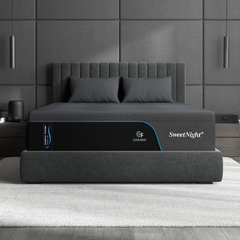
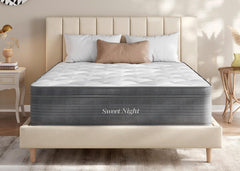
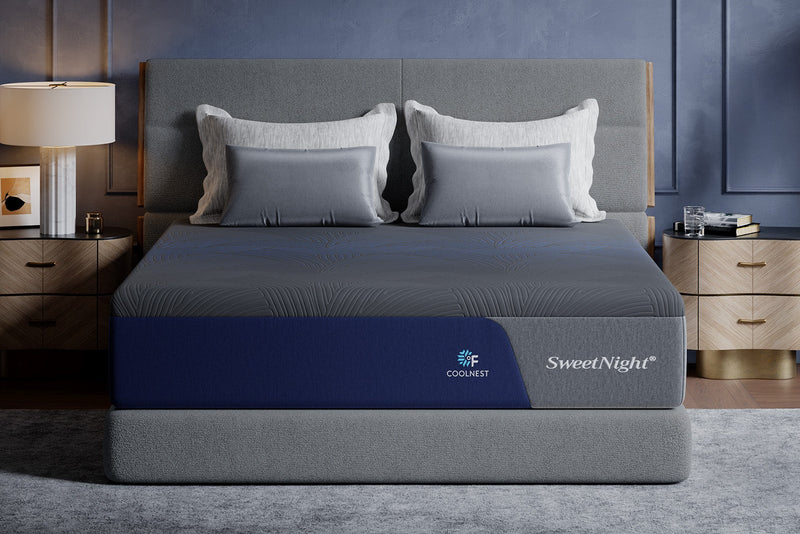
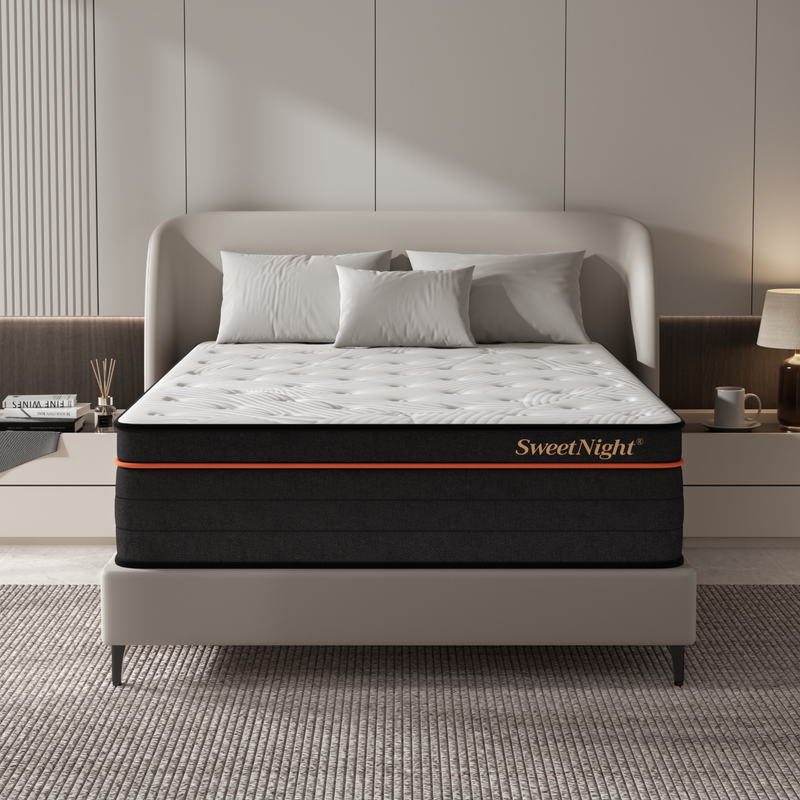
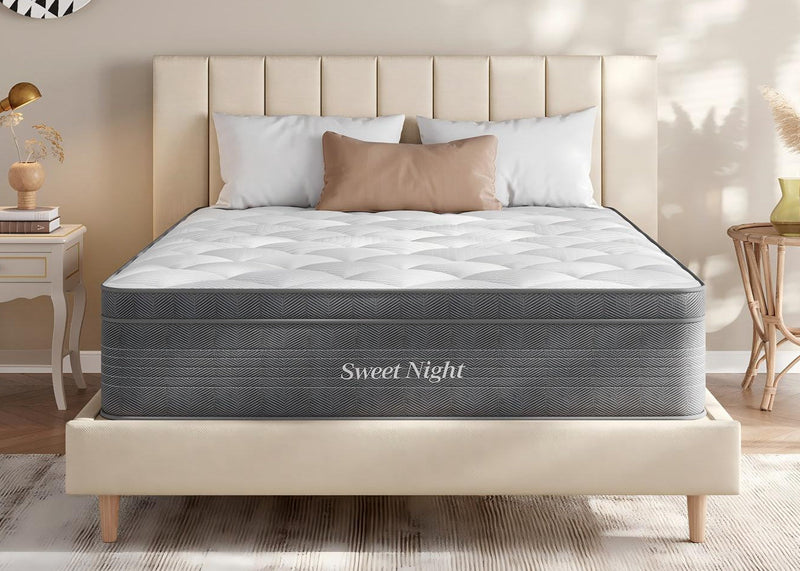
- Single Adults: Sleeping alone on a full bed gives you 54 inches of width—much roomier than a twin's 38 inches. The 75-inch length fits people up to 6'3" comfortably. Taller sleepers should consider a queen or Twin XL for the extra 5 inches. Full beds give single adults good sleeping space without taking over the entire bedroom. If you're a hot sleeper or deal with back pain, the Sweetnight Island Hybrid Mattress in full size offers gel-infused memory foam for temperature regulation and three-zoned support that targets your hips, shoulders, and lumbar area—perfect for single sleepers who want both comfort and proper spinal alignment in a space-efficient package.
- Teenagers: Teenagers quickly outgrow twin beds. A full size bed fits their adult-sized bodies while leaving room for a desk, dresser, and hanging out space in typical 10' x 10' to 11' x 12' teen bedrooms. It's also a practical size they can use later in college dorms or first apartments.
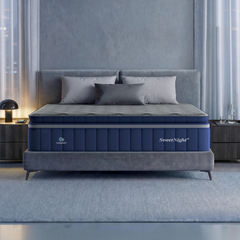
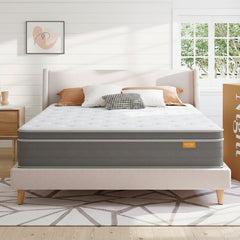
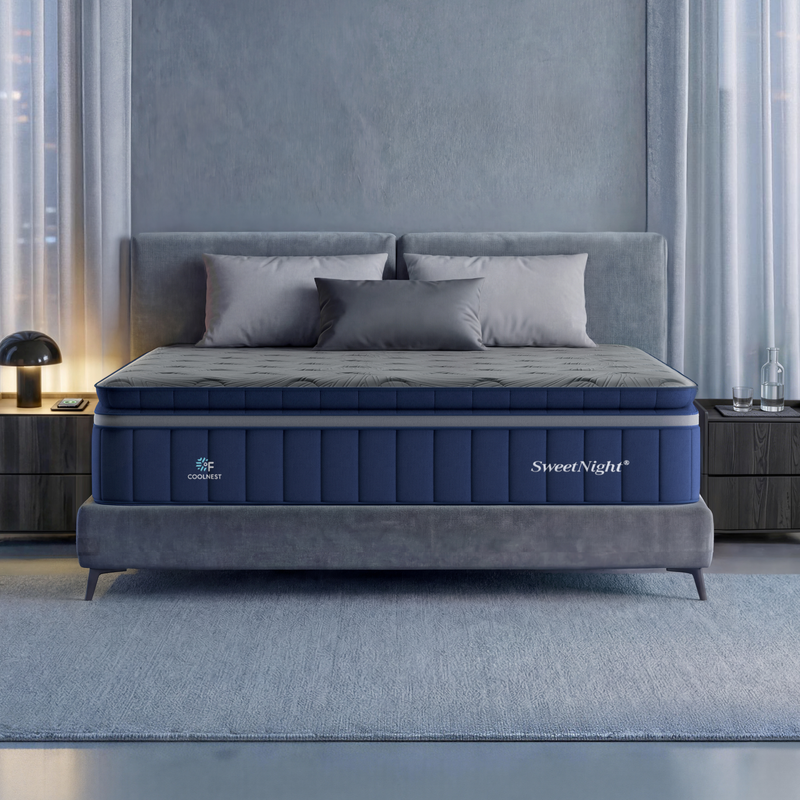
- Certain Couples: Full beds can work for couples who sleep close together and don't mind sharing 27 inches of space each. They're also practical for guest rooms where couples stay occasionally—you save money versus buying a queen for a rarely-used room. Couples in tight spaces like small city apartments sometimes choose full beds to save on cost and floor space. For couples sharing a full bed, motion isolation becomes important. The Sweetnight Twilight Hybrid Mattress features individually wrapped coils combined with high-density memory foam layers that minimize motion transfer, so you won't feel your partner tossing and turning during the night. It's available in multiple thickness options (10", 12", 14", 16" in king size) to match your comfort preferences.
- Small Spaces: In studio apartments or bedrooms under 10' x 10', a full bed leaves room for other furniture. A queen would take up too much space, but a full lets you fit a small couch, desk, or storage without cramping the room.
My approach to strategic bedroom furniture arrangement begins with recognizing the importance of functionality paired with aesthetics. Placing the bed as the focal point, I ensure there’s ample clearance around it — a move that goes a long way in streamlining daily activities. The width of a full-size bed frame often extends a bit beyond the mattress itself, requiring a little extra room but also providing a structure within which the mattress snugly fits.
Skip Full Size If:
- You're a couple who needs space while sleeping – 27 inches per person means you'll bump into each other all night
- You're over 6'3" tall – Your feet will hang off; get a queen (80" long) or California king (84" long) instead
- You co-sleep with kids or pets – Adding a child or dog to 54 inches makes for uncomfortable, disrupted sleep
- Your master bedroom is 11' x 11' or bigger – A queen or king fits better and gives you more comfort
Match your bed size to your height, sleeping arrangements, and room size. Full beds work best when you need comfort in a smaller space.
What Room Size Do You Need for a Full Size Bed?
Quick Answer: A full size bed needs a room that's at least 10' x 10' to fit comfortably with basic furniture. The absolute minimum is 9' x 9.5', but you'll have very limited space for anything else.
Here's how different room sizes work with a full bed:
| Room Size | What Fits | Comfort Level |
|---|---|---|
| 9' x 9.5' | Bed + minimal walking space | Tight—limited furniture options |
| 10' x 10' | Bed + 1 nightstand + narrow dresser | Workable—requires careful planning |
| 10' x 12' | Bed + 2 nightstands + dresser + small chair | Comfortable—recommended size |
| 11' x 13' | Bed + 2 nightstands + dresser + desk/chair | Spacious—ideal setup |
1. Leave Enough Space Around the Bed
To move around comfortably, follow these clearances:
- Sides of bed: 24-30 inches on at least two sides (for walking and making the bed)
- Foot of bed: 36-40 inches (so you don't shuffle sideways and dresser drawers open fully)
- Door swing: Door must open completely without hitting furniture
2. Arrange Furniture by Room Size
| Room Size | Bed Placement | Nightstands | Dresser |
|---|---|---|---|
| 10' x 10' | Against one wall, centered | One nightstand (20-24" wide) OR wall shelf | Narrow dresser (30-36" wide) on opposite wall |
| 10' x 12' | On the 10-foot wall | Two nightstands on both sides | On opposite wall (leave 36-40" clearance) |
| 12' x 12' | Flexible—works on any wall | Two nightstands | Full-size dresser |
3. Place Furniture Strategically
- Nightstands: Standard size is 20-24 inches wide. Leave 2-3 inches between nightstand and bed frame for tucking sheets. Height should be at or slightly below mattress level.
- Dressers: Need 24-30 inches of clearance in front for drawers to open. Don't place directly across from the bed in small rooms—it blocks the walkway.
4. Maximize Small Room Space
- Wall shelves or floating nightstands save floor space
- Bed frames with storage drawers underneath
- Wall-mounted TV instead of media console
- 30-inch wide dresser instead of standard 48-inch
- Push bed against wall if you sleep alone
5. Keep Traffic Flow Clear
You need a clear path from the door to the bed and from the bed to the closet. If you're turning sideways to squeeze past furniture, your room is too crowded.
Before buying furniture, check that:
- Closet doors open fully
- Dresser drawers don't hit the bed when open
- Windows and blinds are accessible without climbing over furniture
Full Size Bed Frame Dimensions
A full size mattress measures 54" x 75", but the bed frame adds extra space you need to account for when planning your room.
1. Frame vs. Mattress Size
Bed frames extend beyond the mattress edges. Most frames add 2-5 inches per side, making the total footprint approximately 58-64 inches wide by 79-85 inches long. This overhang provides structural support and gives the bed a finished look.
Why this matters: If you measured your room based on mattress size alone, you might find the actual bed frame doesn't fit as expected. Always plan for the frame dimensions, not just the mattress.
2. Different Frame Types and Their Sizes
| Frame Type | Width | Length | Height Range | Best For |
|---|---|---|---|---|
| Platform | 58-60" | 79-81" | 16-20" | Modern look, minimal space, easier to get in/out |
| Traditional | 60-62" | 82-85" | 22-26" | Classic style, extra storage space under bed |
| Storage Bed | 58-60" | 79-81" | 18-24" | Small spaces needing extra storage |
| Sleigh/Panel | 62-64" | 84-86" | 20-26" | Decorative statement piece, larger rooms |
- Platform frames have minimal overhang—usually just 2-3 inches per side. They sit low to the ground and have a modern, streamlined appearance.
- Traditional frames with headboards and footboards add more bulk. The frame itself adds 3-4 inches per side, and headboards can extend another 2-4 inches behind the mattress.
- Storage beds with built-in drawers have similar width and length to platform frames but stand taller. The extra height affects room proportions and how the bed relates to windows and artwork.
- Sleigh and panel beds have the largest footprints. Curved sleigh footboards can extend 4-6 inches beyond the mattress, while substantial headboards may protrude 3-5 inches.
3. Delivery and Setup Measurements
Before buying, measure your delivery path:
| Area to Measure | Minimum Required | What to Check |
|---|---|---|
| Doorways | 32" width | Widest part of frame must fit through |
| Stairways | 36" width | Include landing turns and angles |
| Elevators | 48" width (typical) | Measure if in apartment building |
| Hallway Corners | 42" clearance | May need to tilt frame diagonally |
- Doorways: Most bed frames fit through a 32-inch doorway, but sleigh beds and frames with attached headboards may not. Measure your doorway width and compare it to the widest part of your frame.
- Stairways: If your bedroom is upstairs, you need at least 36 inches of clearance. Check for tight turns at landings—some frames need to be angled or carried vertically.
- Elevators: Apartment building elevators vary, but most are 48-60 inches wide. Measure yours if you're ordering a large frame with an attached headboard.
- Hallways: Measure hallway width and note any corners. Tight 90-degree turns can be tricky with long bed frames. You may need to tilt the frame diagonally to navigate corners.
4. Bed Height Considerations
| Bed Type | Total Height | Good For | Avoid If |
|---|---|---|---|
| Low Platform | 16-20" | Modern look, low ceilings, children | Difficulty bending, need under-bed storage |
| Standard | 20-24" | Most adults, balanced proportions | Very tall or very short individuals |
| High Traditional | 24-28" | Older adults, easier entry/exit, storage | Low ceilings, blocking window views |
Standard bed height (from floor to top of mattress) ranges from 18-24 inches. Platform beds sit on the lower end (16-20 inches), while traditional frames with box springs reach 22-26 inches.
Height affects more than just getting in and out of bed. Higher beds work well for older adults who have trouble bending. Lower beds suit kids and create a more spacious feel in rooms with low ceilings. If your bedroom has windows starting at 30 inches from the floor, a tall bed with a high headboard might block light and views.
Plan for both the floor space and height when choosing your full size bed frame.
Full Size Bed Buying Checklist
Before you buy, use this checklist to make sure everything works:
| What to Check | Measurement Needed | Why It Matters |
|---|---|---|
| Room Size | 10' x 10' minimum (9' x 9.5' absolute minimum) | Ensures bed fits with walking space |
| Side Clearance | 24" on two sides of bed | Room to walk and make the bed |
| Foot Clearance | 36" at foot of bed | Prevents squeezing past furniture |
| Frame Footprint | 58-64" W x 79-85" L | Actual space the bed frame takes up |
| Your Height | 6'3" or shorter | Bed length is 75"; taller people need queen or Twin XL |
| Doorways | 32" wide minimum | Frame must fit through for delivery |
| Stairways | 36" wide | If bedroom is upstairs |
| Hallway Corners | 42" clearance | Frame needs to navigate turns |
Quick Furniture Check:
- Space for nightstands and dresser
- Closet doors open fully
- Dresser drawers open without hitting bed
- Clear path from door to bed to closet
Measure twice, buy once. A few minutes with a tape measure now saves you from a bed that doesn't fit later.
What's Next? Finding Your Perfect Full Size Bed
A full size bed (54" x 75") works well for single adults, teenagers, guest rooms, and small spaces. It gives you more room than a twin and costs less than a queen.
Measure your room first. Make sure the bed fits with enough space to walk around and place furniture. If you're 6'3" or shorter and your room is at least 10' x 10', a full size bed should work perfectly.
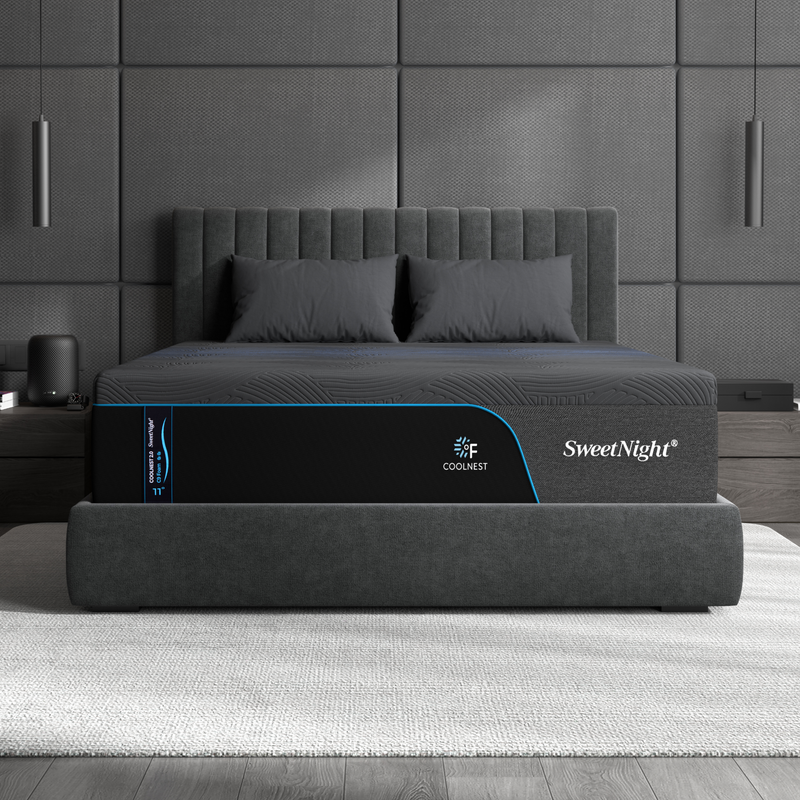
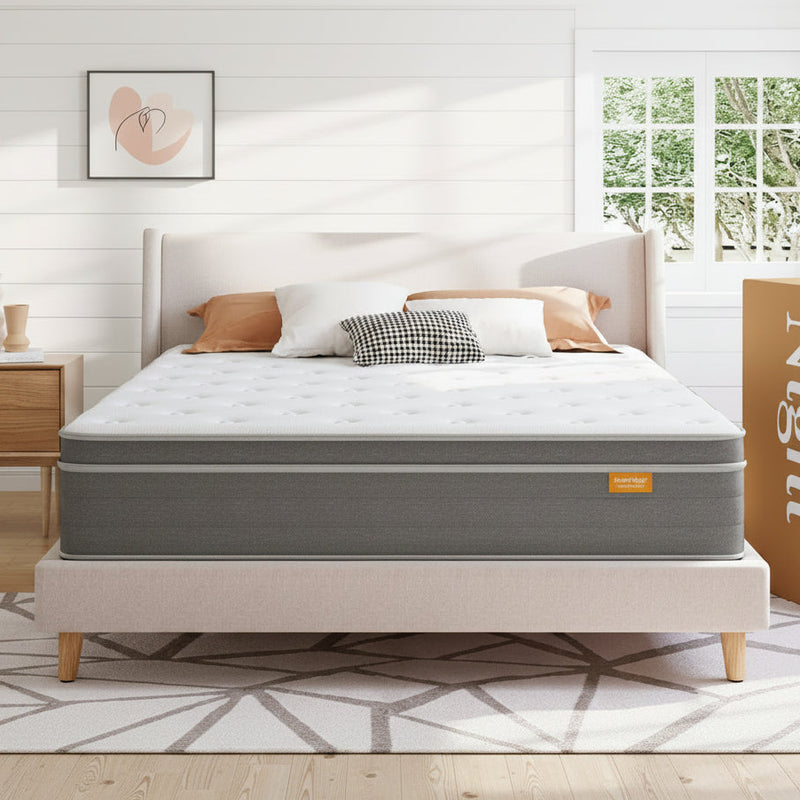
The Sweetnight full size mattress collection offers comfortable, quality options for any bedroom. Measure your space and find the right bed for your needs today.
Check out our mattress here:


RELATED POSTS

The Zero Gravity Position, Explained: NASA's Angles, Real Benefits and Common Complaints

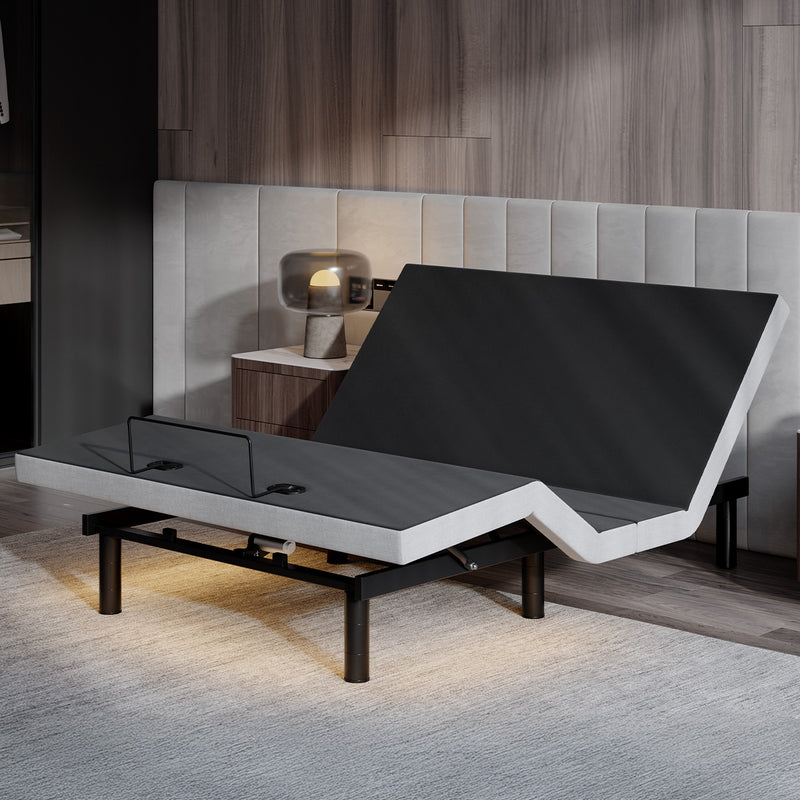
Why Adjustable Beds Wobble and Squeak, and How to Fix Each Cause
