



















Updated: August 11, 2026 · Reviewed by the SweetNight Sleep Comfort Team · 8 min read
There is no connection between George Washington and memory foam. Yet every February, mattress advertising takes over American retail so thoroughly that the association has become a running joke.
The reason is genuinely interesting, and understanding it tells you something useful: which sales are structural — driven by inventory that retailers actually need to move — and which are simply a marketing calendar with a percentage attached. That distinction is worth more than any single discount, because it tells you when waiting pays and when it does not.
Why Are There Mattress Sales on Presidents' Day?
Three forces converged, and they all point at February.
1. February was the deadest month in furniture retail
Consumer spending collapses after the December holidays. January brings credit card bills and no reason to buy furniture. For a category with high ticket prices and low purchase frequency, February was a month of paying rent on showrooms nobody was walking into. A federal holiday weekend was the only lever available.
2. New models traditionally arrived in spring
This is the structural reason, and it is the one that still partly holds. Mattress manufacturers historically introduced updated lines in the spring, which meant retailers entered February holding a full warehouse of models about to be superseded. Floor space is finite and old inventory has to go before new inventory arrives. Genuine clearance follows.
3. A three-day weekend suits how people buy mattresses
Even now, a large share of mattress buyers want to lie on the thing first. That takes an unhurried afternoon, which is exactly what a Monday federal holiday provides. Retailers noticed that three-day weekends convert far better than ordinary ones for considered purchases.
Put together: a dead month, a warehouse that needs clearing, and a weekend when people have time to shop. Presidents' Day was the obvious candidate, the campaigns worked, and the convention hardened into something shoppers now expect — which is self-sustaining regardless of whether the original inventory logic still applies to any given brand.
The Mattress Sale Calendar: When to Buy All Year
Presidents' Day is one peak among several. If you are not shopping in February, you are rarely more than eight weeks from another meaningful event.
| Period | Typical strength | What is driving it |
|---|---|---|
| January | Moderate | New-year clearance; quiet, so service is attentive |
| Presidents' Day (February) | Strong | Clearing outgoing models before spring introductions |
| March–April | Weak | New stock has landed; least reason to discount |
| Memorial Day (late May) | Strong | Start of the summer retail season; heavy competition |
| Fourth of July | Strong | Mid-summer volume push |
| Back to school (August) | Moderate to strong | Dorm and guest-room demand; strongest on smaller sizes and bedding |
| Labor Day (early September) | Strong | Clearing summer stock before autumn introductions |
| October | Weak | Between cycles |
| Black Friday / Cyber Monday | Strongest for online | Peak competition, and the best moment for bundles |
| December | Moderate | Year-end clearance, but delivery windows get tight |
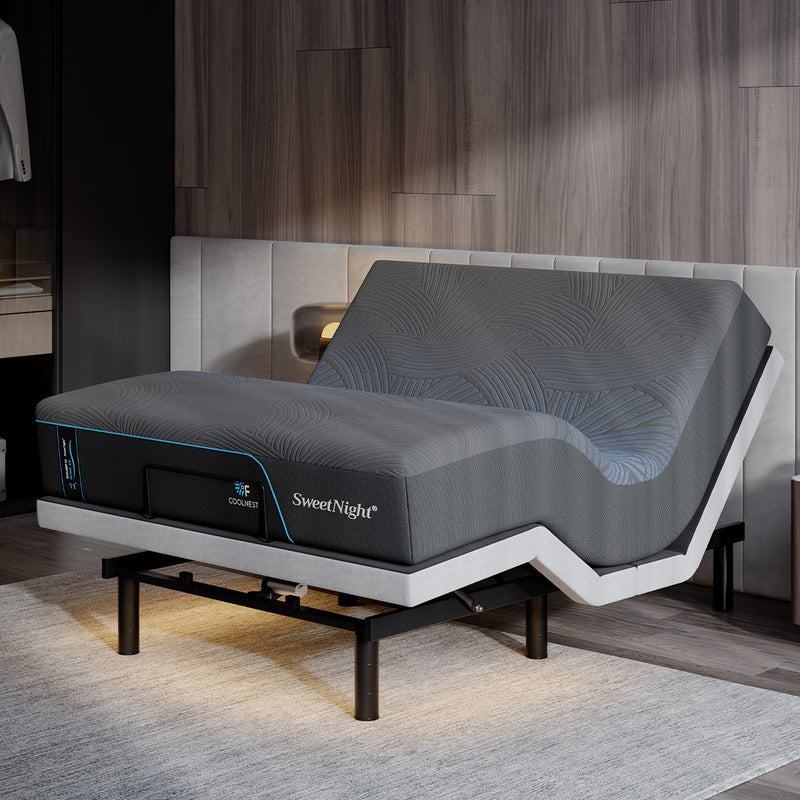
Two patterns worth extracting. The strong periods sit just before traditional model changeovers — February and September — which is where clearance is real rather than promotional. And online-first brands weight their year toward Black Friday rather than the spring holidays, because they have no showroom floor space forcing a February decision. Our own current offers sit on the SweetNight deals page year-round, and the seasonal reasoning specific to February is in why the CoolNest mattress goes on sale for Presidents' Day.
How Mattress Discounts Are Actually Constructed
Mattresses are unusually well suited to discount theatre, for a structural reason: nobody knows what one should cost. You buy one every eight years, models are renamed constantly across retailers, and there is no reference price in your head the way there is for a laptop or a coffee.
That creates room for three things worth recognising.
- Anchored list prices. A "60% off" headline is only meaningful if the item sells at the reference price on ordinary days. Frequently it never has. The fix is simple: check the price on a non-sale week, or compare final prices across retailers rather than percentages.
- Model name divergence. The same construction may appear under different names at different retailers specifically to prevent price comparison. Compare specifications — foam density, coil count and gauge, layer thickness — rather than names.
- Bundles as margin recovery. Free pillows, a protector, or a sheet set attached to a discounted mattress. These can be genuinely good value, particularly if you needed the items, but the bundle's stated value is usually calculated at full list price for the accessories.
None of this means sale prices are fake. It means the percentage is the least informative number in the advertisement. The informative one is the final price against the same product elsewhere.
What to Check Before You Buy in a Sale
A discount on the wrong mattress is not a saving. Before the price, settle these.
- Do you actually need one? Strip the bed, stretch a string across the mattress, and measure the largest gap underneath. Over about 1.5 inches of sag means the structure has failed. Under an inch, and a topper may serve you better than a new bed — the full test is in when to replace a mattress.
- What went wrong with the last one? Buy against the specific failure. Sagged early means prioritising core density; slept hot means prioritising airflow; hurt your hip means prioritising pressure relief rather than firmness.
- What is the sleep trial? The most important term in the whole transaction. A mattress cannot be evaluated in a showroom — it takes roughly 30 nights. Check the length, whether returns are free, and whether there is a restocking or collection fee.
- What does the warranty actually cover? Look for the sag threshold that makes a claim valid, commonly 0.75–1.5 inches, and the base requirements. An inadequate bed base voids most warranties and is the most common reason claims fail.
- Is the base included in your budget? Putting a new mattress on slats spaced too far apart is how people buy two mattresses in five years.
- Does the size still suit you? Sale weekends are a sensible moment to move up a size if you have been compromising, since the price gap between sizes narrows in absolute terms during a percentage discount.
What Else to Buy During a Mattress Sale
The mattress is the headline, but the accessories are where sale pricing is often proportionally better — and where buying at the wrong moment quietly costs you.
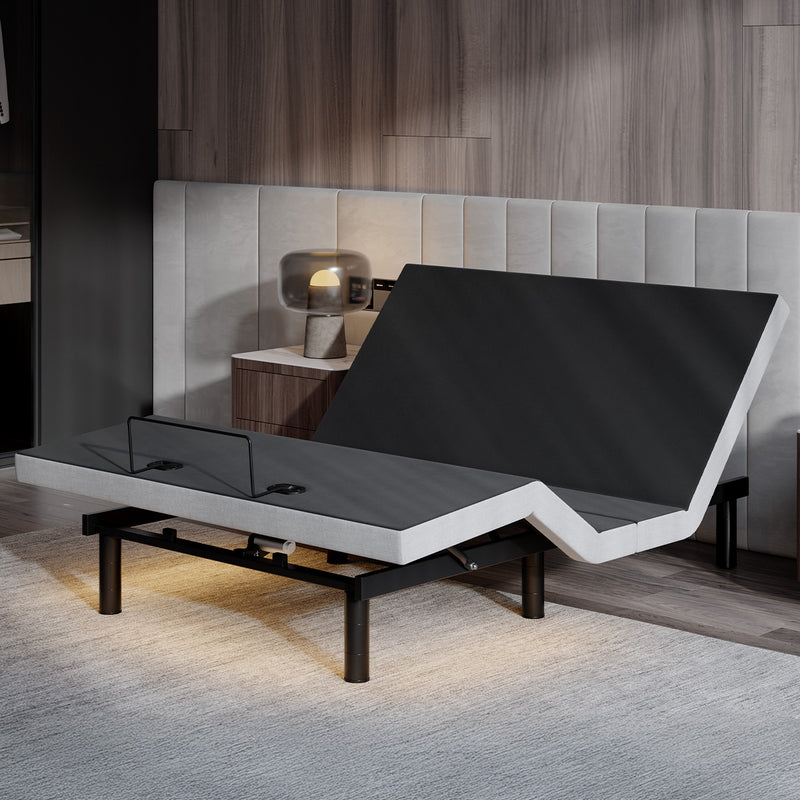
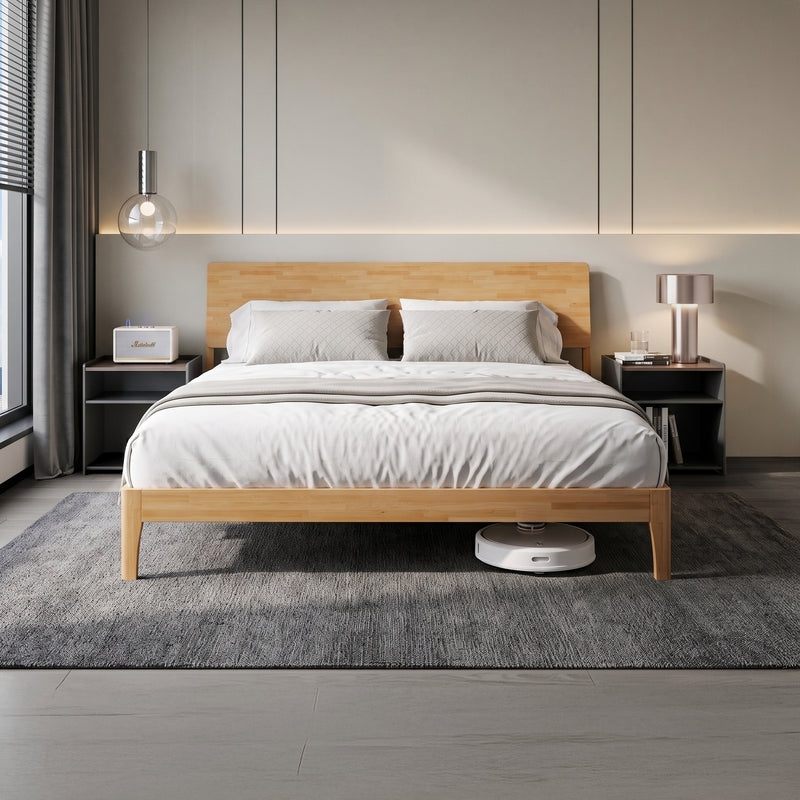
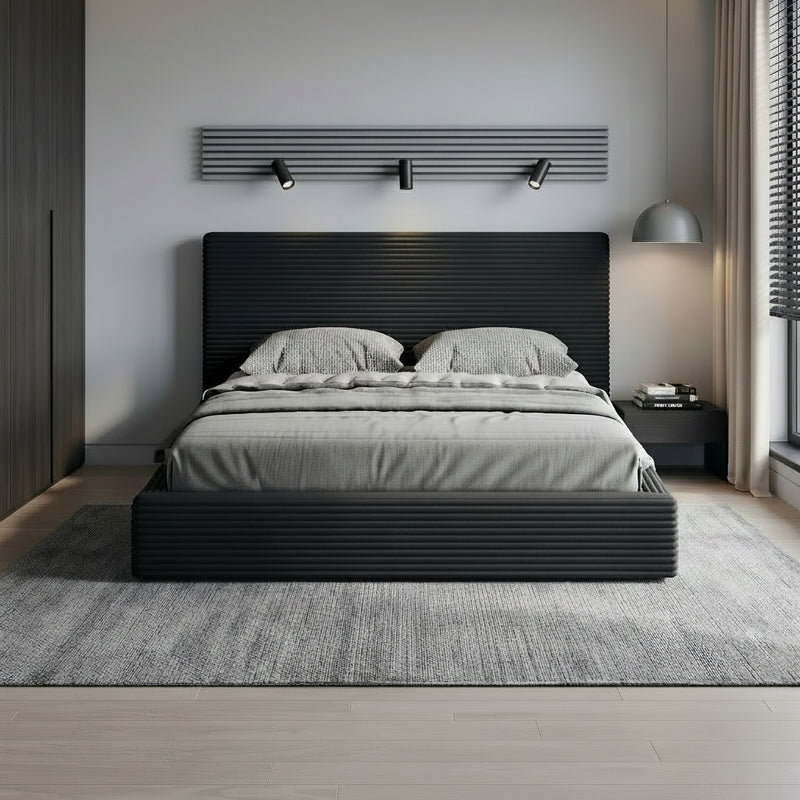
- The bed base or frame. Buy it with the mattress, not after. If the current base lacks adequate slat spacing or, on a king, a centre support leg, it will shorten the life of the new mattress and void the warranty. Retailers also discount frames most heavily alongside mattresses, because the attachment rate is what the promotion is designed to drive.
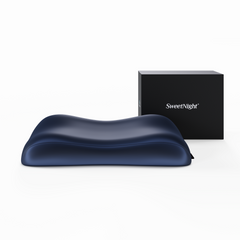
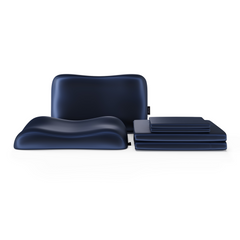
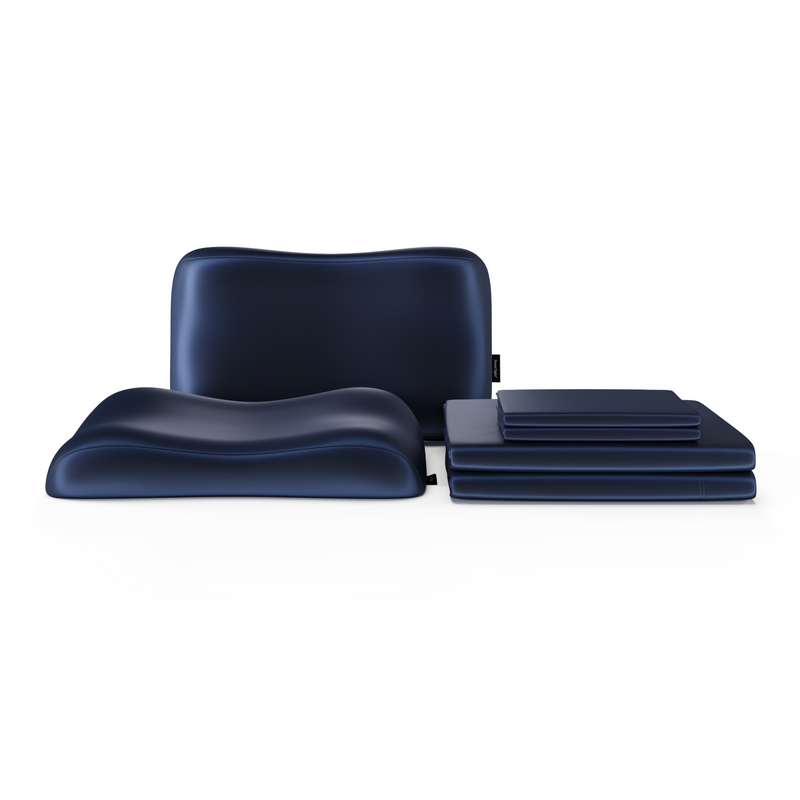
- Pillows. Worth buying at the same time for a practical reason rather than a financial one: a new mattress changes how far your shoulder sinks, which changes the pillow loft you need. Buying both together lets you match them — the method is in what is the best pillow.
- A protector. Cheap, and it protects the warranty as well as the mattress, since staining voids most claims. Choose a breathable membrane rather than a vinyl sheet, which traps heat.
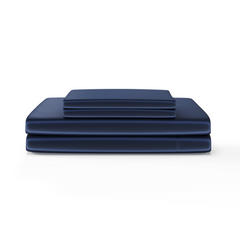
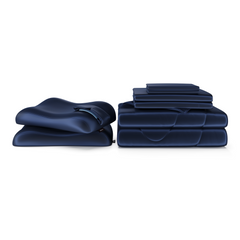
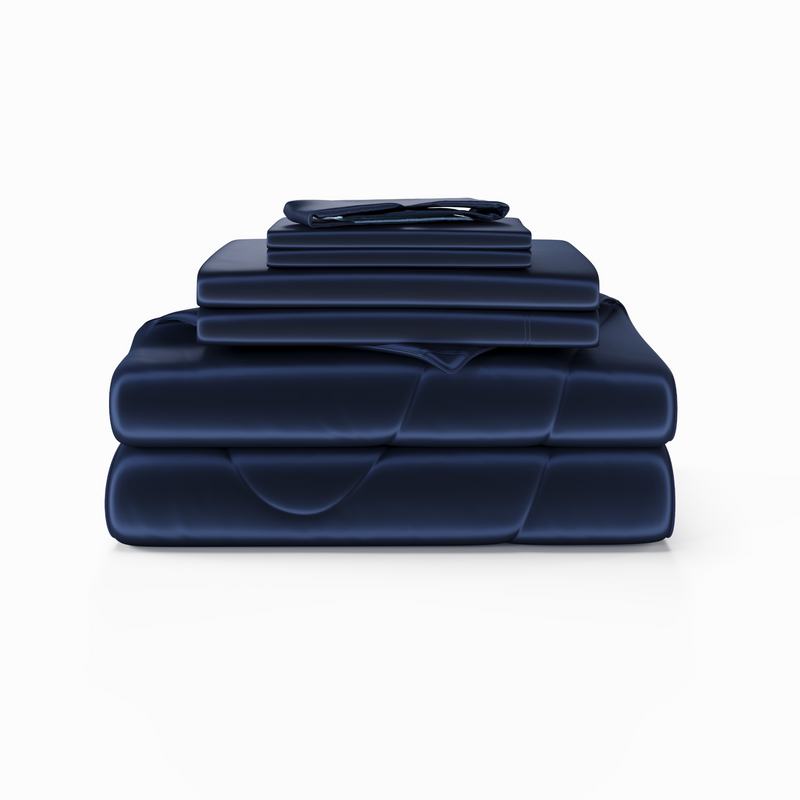
- Sheets in the right depth. If the new mattress is taller than the old one, or you are adding a topper, existing fitted sheets may no longer reach. Measure total height before ordering.
What not to buy in the same transaction: a topper. Wait until you have slept on the new mattress for a month. Toppers are frequently bought in week one to fix a firmness that resolves on its own by week four as the foam settles and your body adapts — the reasoning is in why a mattress topper can be a game changer.
How long do mattress sales actually last?
Longer than the countdown timer suggests. Most holiday mattress promotions run for one to two weeks around the date rather than the single weekend advertised, and many extend if stock has not moved. That means the urgency messaging is generally the least reliable part of the advertisement, and it is rarely worth rushing a decision on a product you will own for the better part of a decade. If you miss one, the next major event is almost never more than eight weeks away.
Sale Price vs Sleep Trial: Which Matters More
The trial, and it is not close.
Run the numbers on a typical purchase. The difference between a good sale price and an ordinary price is usually a modest share of the total — real money, but bounded. The difference between the right mattress and the wrong one is seven to ten years of either sleeping well or waking up sore, plus the cost of replacing it early if you cannot return it.
Which is why a slightly higher price with a 100-night free return beats a slightly lower price with a 30-day restocking fee. You are not buying a discount; you are buying the option to be wrong without paying for it for a decade.
Two practical notes on trials. Most require you to keep the mattress for an initial break-in period, commonly 21 to 30 nights, before a return is allowed — that is reasonable, because both foam and your body take about a month to settle. And your judgement at day 30 is far more reliable than at day 3, when everything unfamiliar feels wrong. If you are choosing between our own models, CoolNest vs Pro vs Ultra vs Hybrid lays out the differences, and the full range is in the cooling mattress collection.
Frequently Asked Questions
Do mattress prices really drop on holiday weekends?
Genuinely yes for most retailers, though the size of the drop is smaller than the headline percentage suggests once inflated reference prices are accounted for. The competitive pressure during those weekends is real, which is what makes the final prices genuinely lower.
Is it better to buy a mattress online or in store?
Online generally wins on price and on trial length, since a 100-night home trial is standard and no showroom overhead is priced in. In store wins if you strongly want to feel the product first, though a ten-minute lie-down in a showroom is a poor predictor of how you will sleep on something for a month.
Should I buy the floor model?
Usually not. Floor models have been compressed by hundreds of people, often have no trial period and reduced warranty, and the discount rarely compensates for starting the mattress's life partly used.
Do I need to buy a new base at the same time?
Check the spacing on what you have. Slats more than about 3 inches apart let foam sag between them, which will fail a new mattress early and void the warranty. It is the cheapest insurance in the whole purchase.
How much should I spend on a mattress?
Enough that the specifications are published. The clearest quality signal in this category is whether a brand states foam density and coil details at all — brands that omit them usually have a reason. Spending more than that buys refinement rather than durability.
Are extended holiday sales real, or just permanent discounting?
Both exist. A genuine clearance ends when the stock does. A discount that runs continuously with a rotating name is simply the price. That is not dishonest so much as uninformative — it just means the strike-through carries no information and you should compare final prices instead.
The Bottom Line
Presidents' Day mattress sales exist because February used to be a dead month, spring used to bring new models, and a three-day weekend gave people time to shop. The inventory logic has faded; the convention stayed.
Practically: the major holiday weekends land within a few points of each other, so pick whichever arrives next rather than waiting months for a marginally better one. Check the final price against ordinary weeks rather than trusting the percentage. And weigh the sleep trial more heavily than the discount — it is the only part of the transaction that protects you from the expensive mistake, which is not overpaying but buying the wrong bed.