













Sleep has moved from being an afterthought to becoming a centerpiece of daily life. For millennials, who once wore sleepless nights as a symbol of ambition, rest has now become a marker of balance, health, and success. The shift reflects changing values in work, technology, mental health, and financial choices. This generation is rewriting the rules by proving that sleep is not a luxury; it is a foundational pillar of sustainable health and performance.
The Shift From Hustle Culture to Sleep Culture
Millennials grew up in an era that glorified hustle and sleepless ambition. Over time, burnout made the costs undeniable. Workplaces responded with wellness initiatives, while individuals replaced late-night pride with reminders to rest. The shift is clear: sleep is no longer weakness but a marker of strength.
The Awakening to Sleep Importance
Medical research has made the risks unmistakable. Chronic sleep deprivation is associated with increased risks of diabetes, cardiovascular disease, and depression. For many millennials raised in the digital economy, the damage was not abstract. It showed up in their own bodies and in friends who faltered under chronic stress. Campaigns from health organizations, along with advice from doctors and influencers, elevated rest to a legitimate health priority.
Moving Away From the All-Nighter Mindset
The cultural pride once associated with bragging about pulling all-nighters has waned. Millennials in tech, law, and finance industries, known for demanding long hours, are now pushing for more humane schedules. Some companies are piloting shorter workweeks and mandated time off as part of broader well-being initiatives. Remote and flexible work arrangements can give professionals more latitude to align schedules with their sleep-wake preferences.
Millennials are reshaping success by replacing sleepless hustle with conscious rest, creating a culture where recovery is celebrated rather than ignored.

Sleep Smarter with Technology
Technology, once seen as the enemy of sleep, has transformed into a major ally. Instead of just keeping people glued to screens, modern tools are being designed to improve bedtime routines and optimize rest. Millennials are at the forefront of adopting these innovations, weaving them into their daily lives.
Smart Sleep Tracking
Wearables have become the go-to tool for sleep monitoring. Rings, watches, and bedside devices track cycles, heart rate, and breathing. This data empowers users to experiment with habits. A person may notice that heavy meals before bed interrupt deep sleep, while early exercise improves recovery. With visual graphs and personalized insights, these devices turn rest into something measurable and improvable.
For millennials, accustomed to tracking steps, calories, and productivity, sleep tracking fits naturally into their lifestyles. Many see these tools as affordable health investments. These devices provide daily feedback at relatively low cost, complementing professional care when needed rather than replacing it.
Modern Mattress Innovations
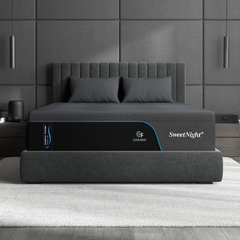
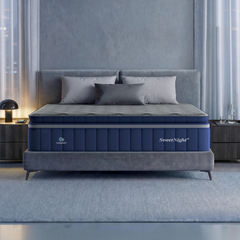
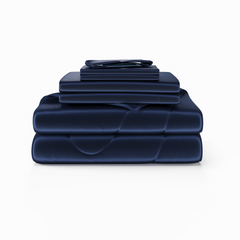
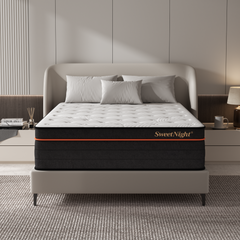
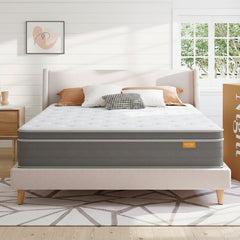
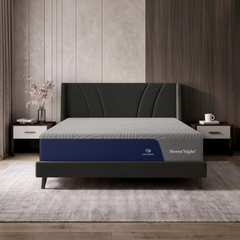
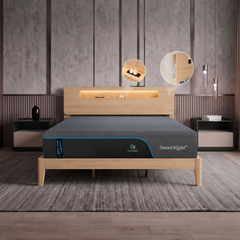
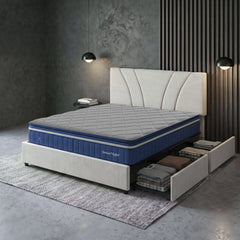
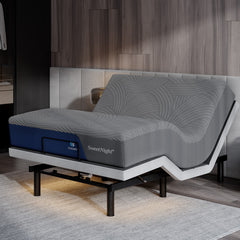
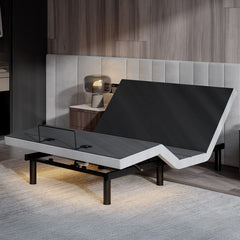
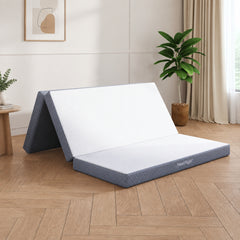
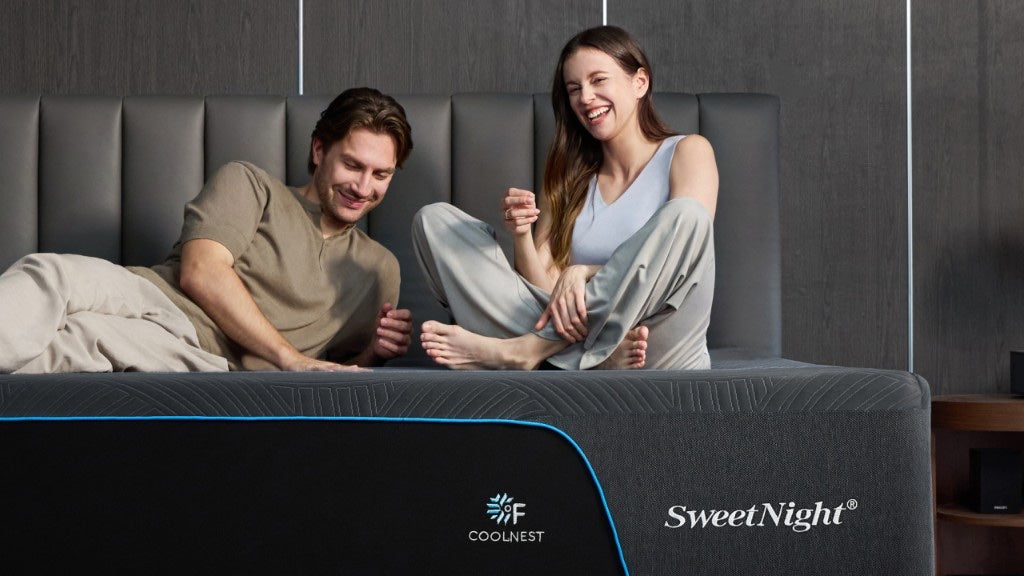
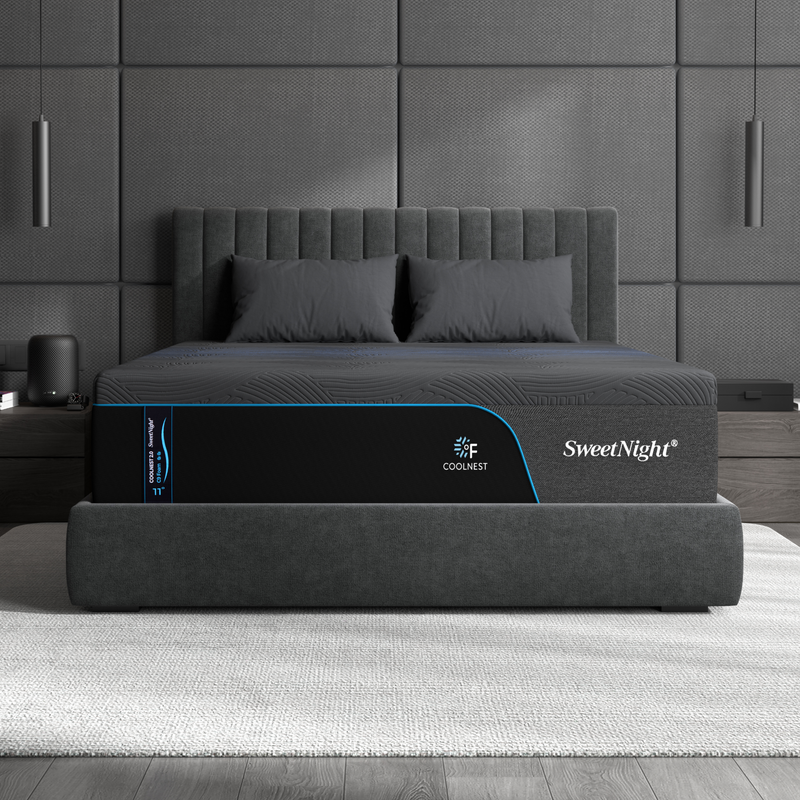
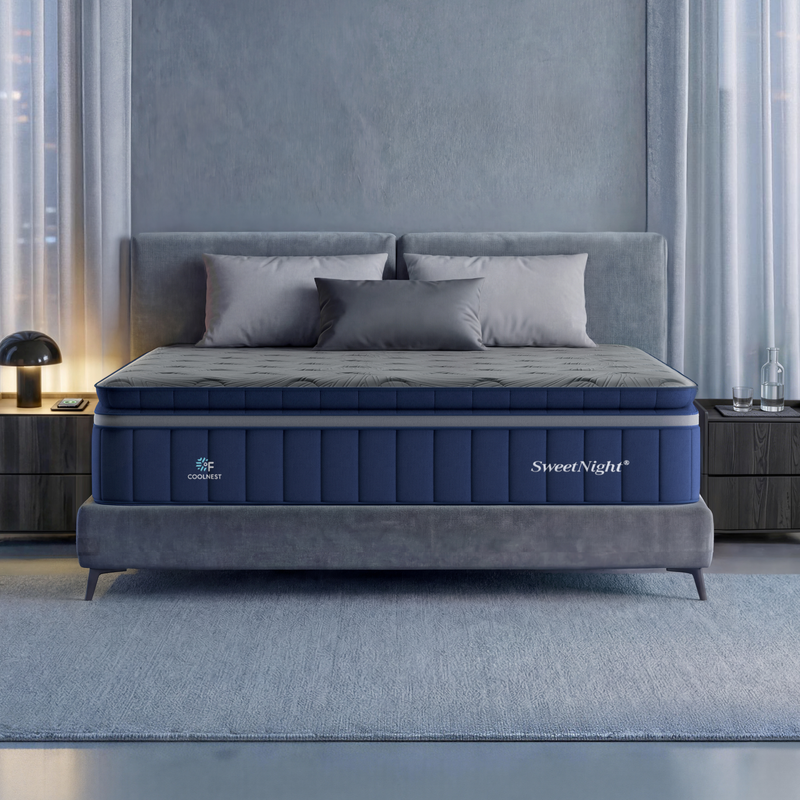
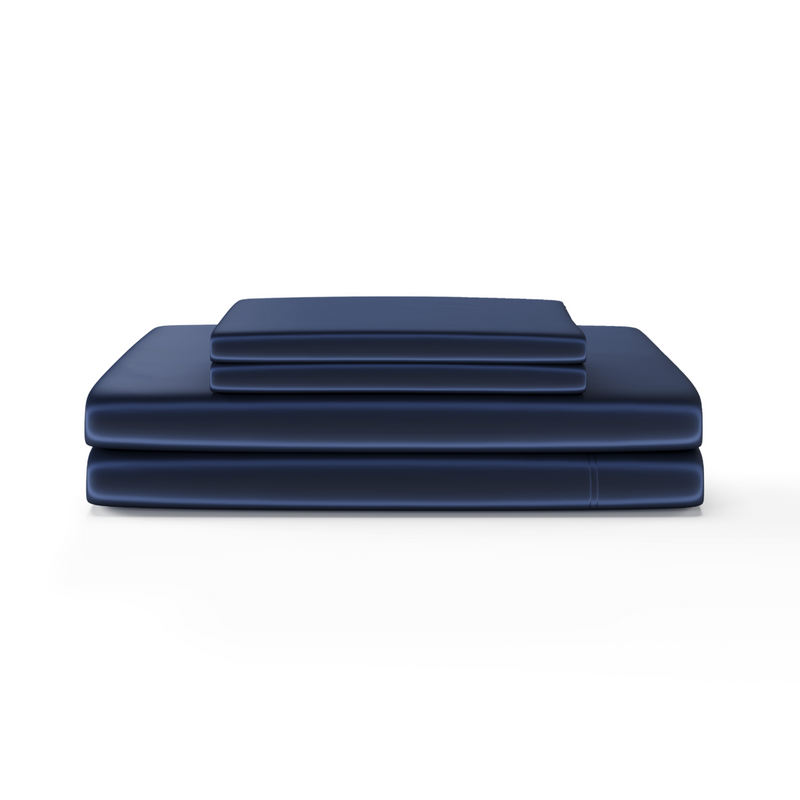
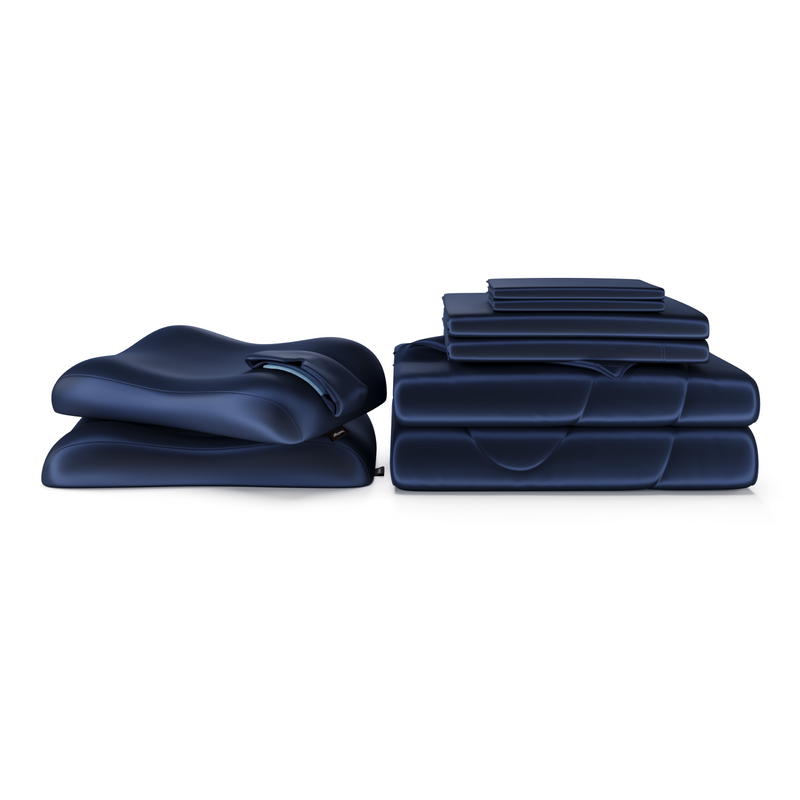
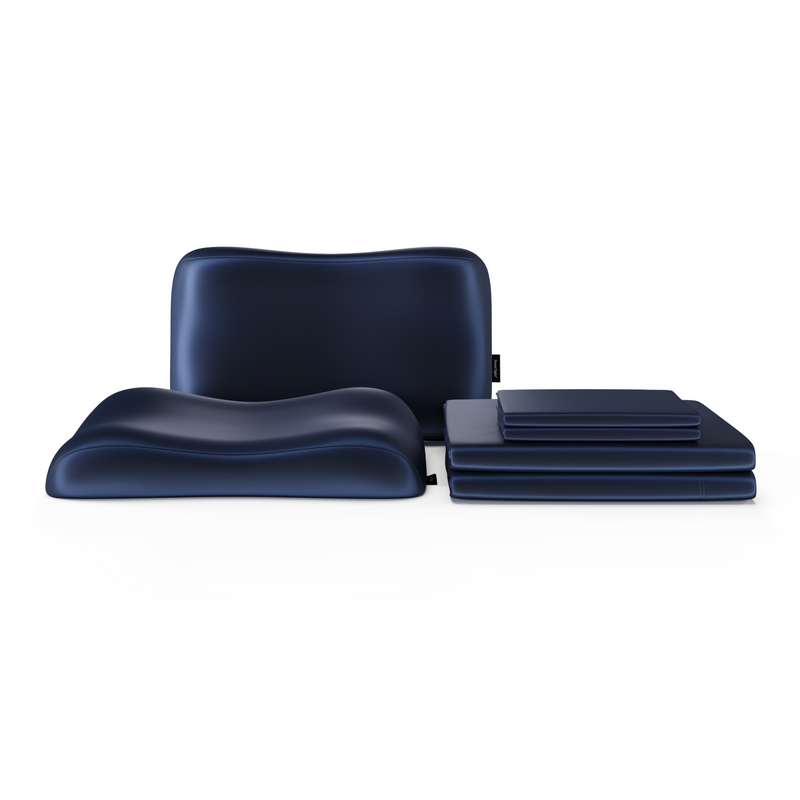
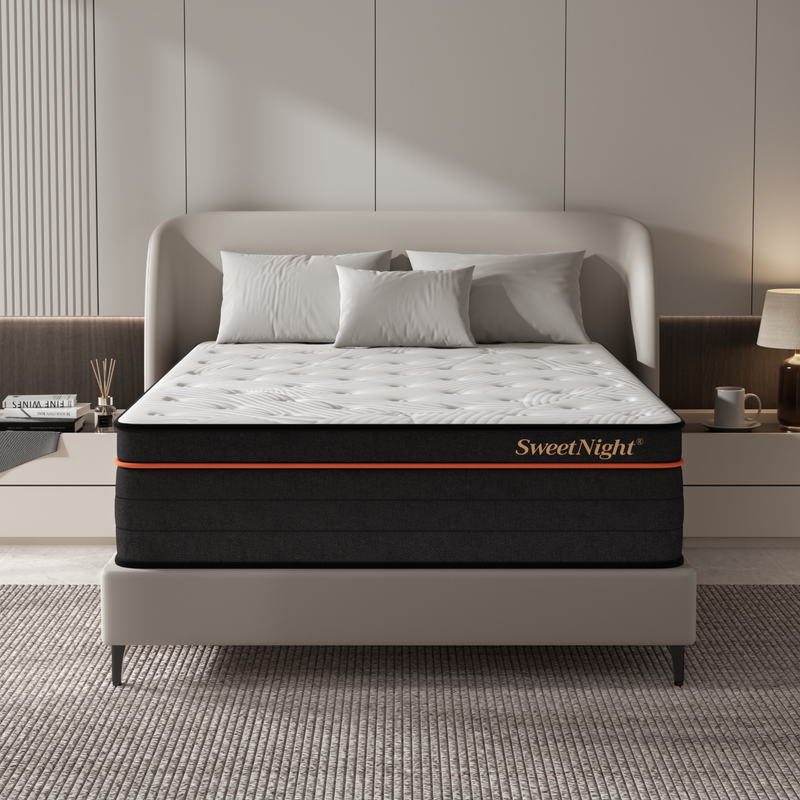
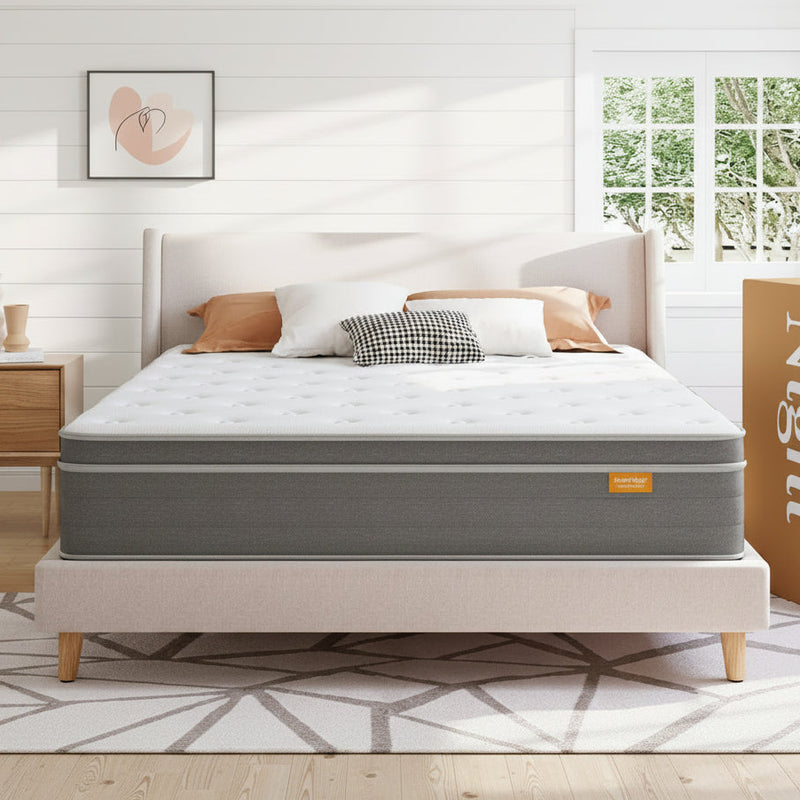
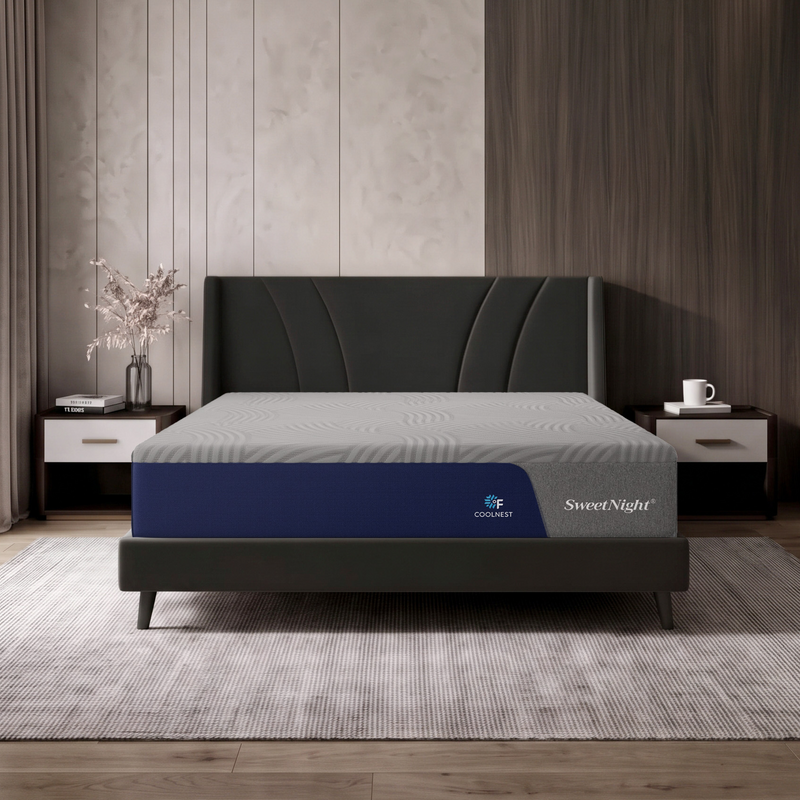
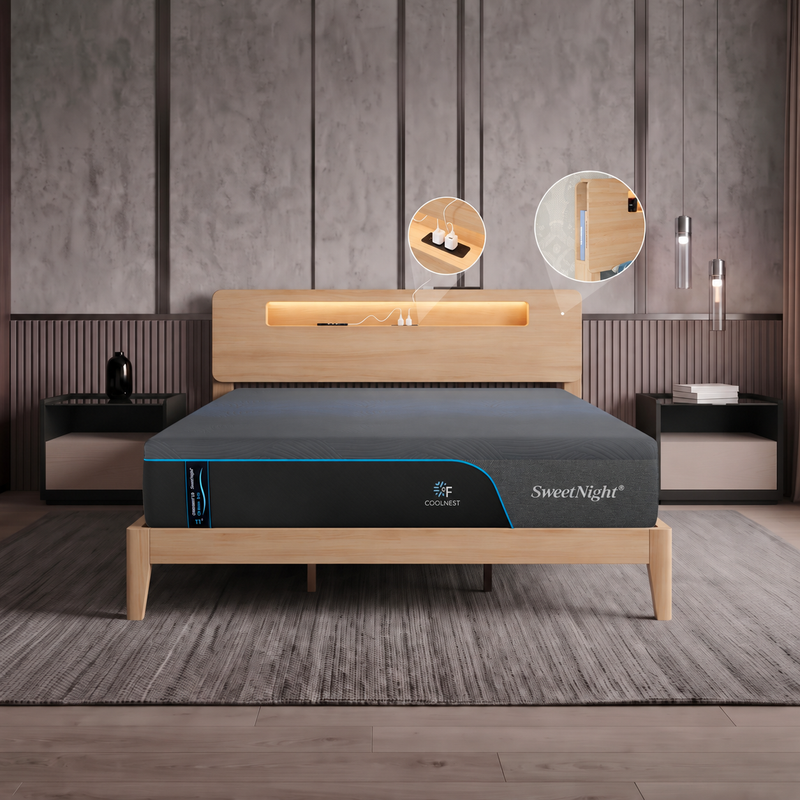
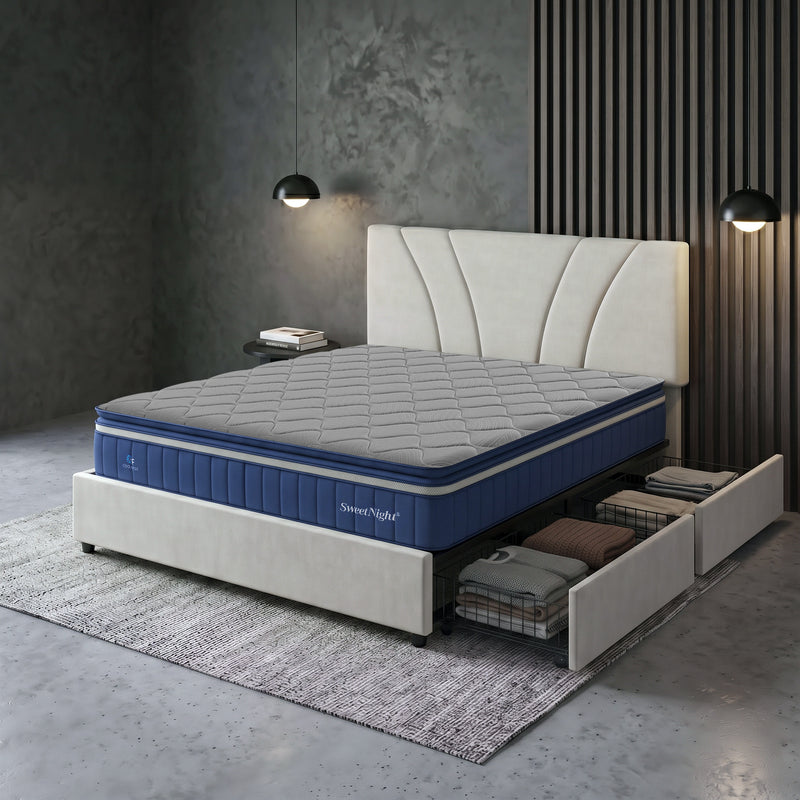
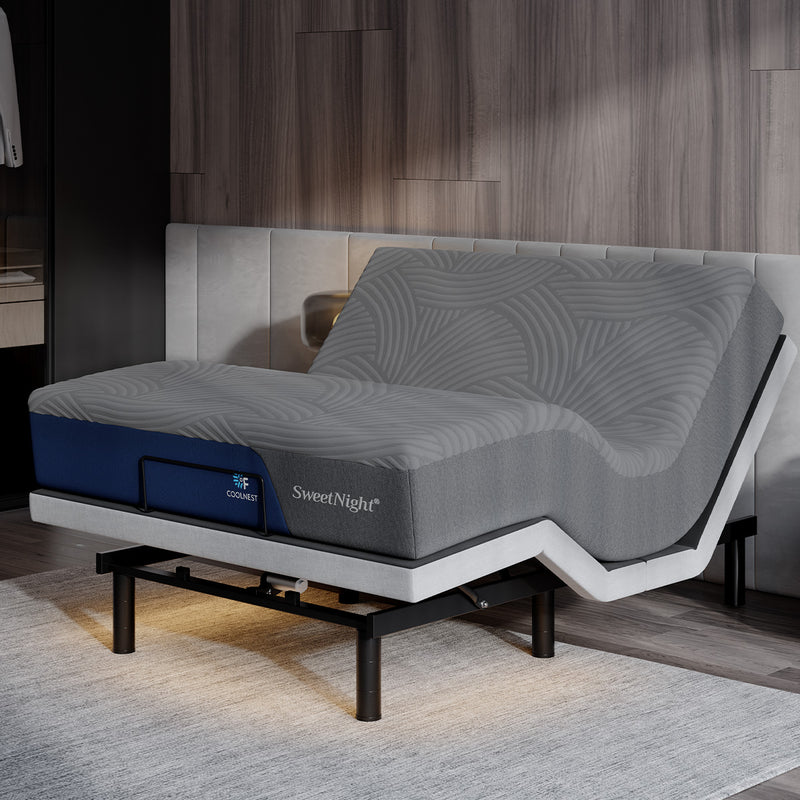
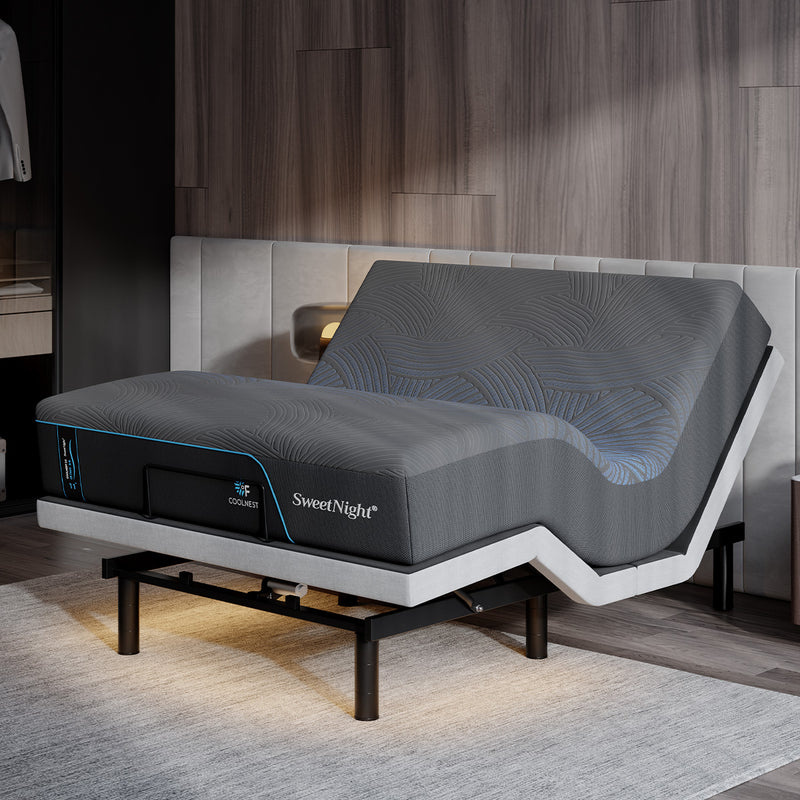
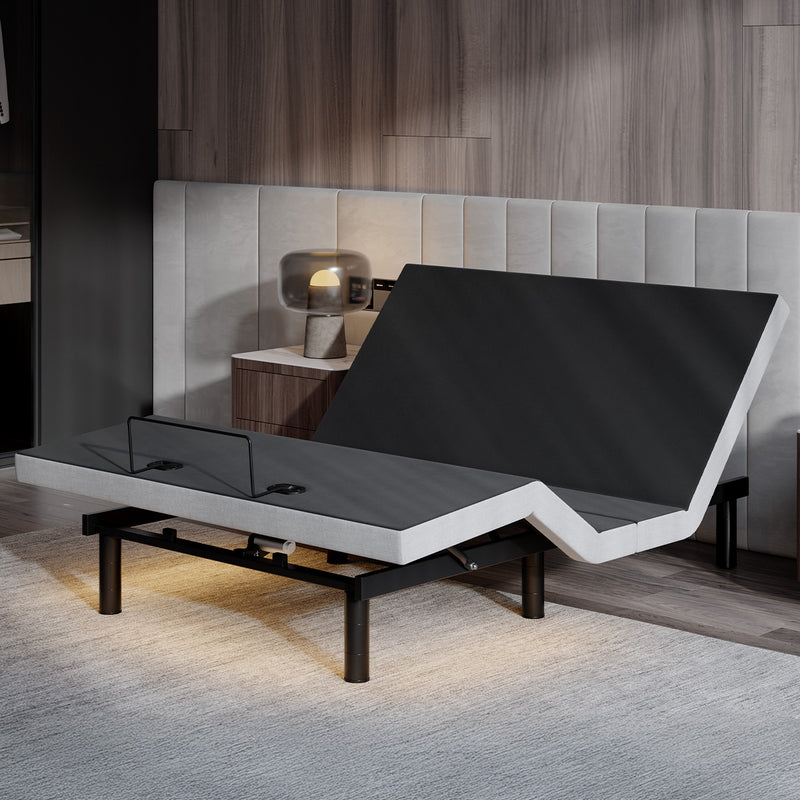
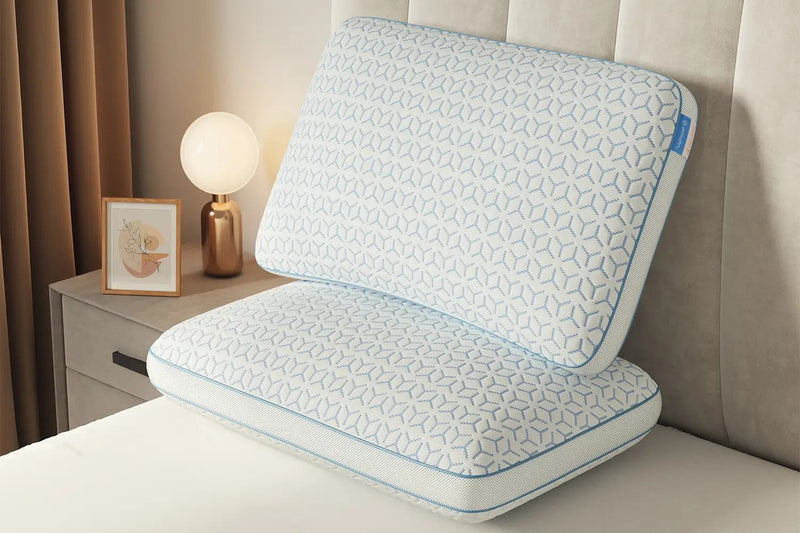
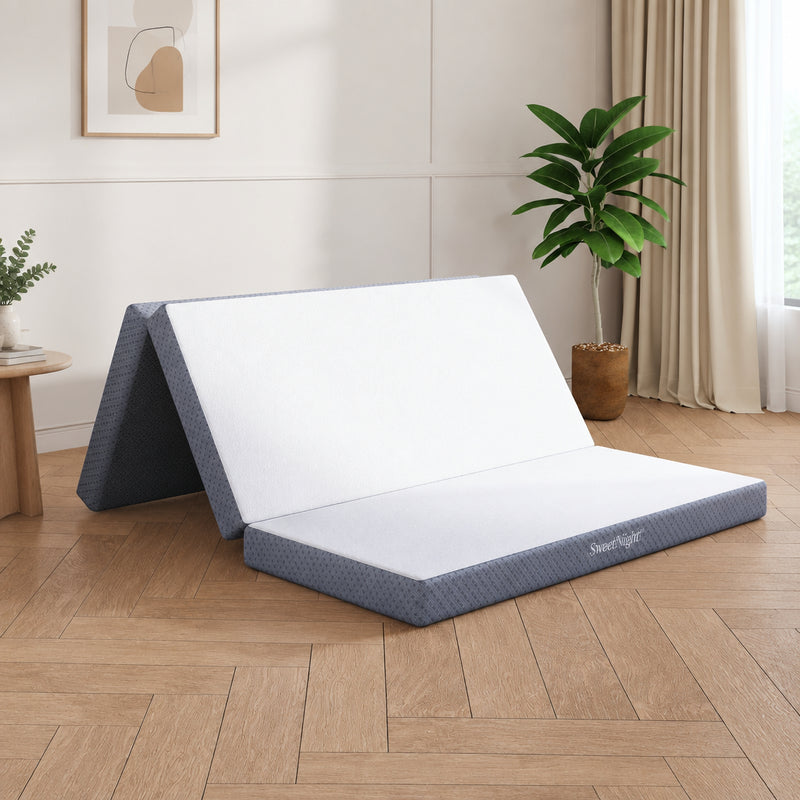
Mattresses today go far beyond springs and foam. Cooling fabrics regulate temperature, while motion-isolation keeps partners undisturbed. Some advanced beds even adjust firmness automatically for consistent comfort.
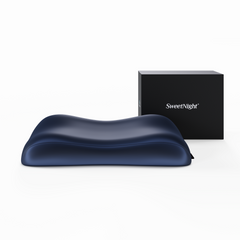
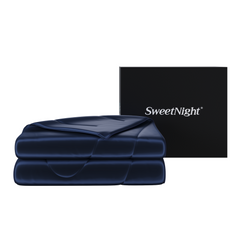
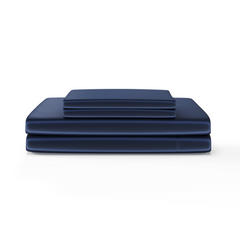
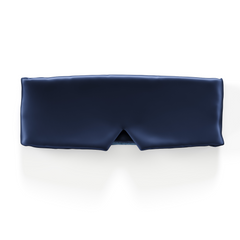
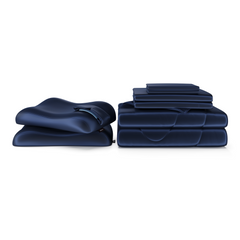
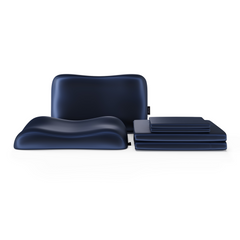
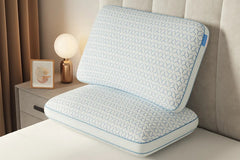
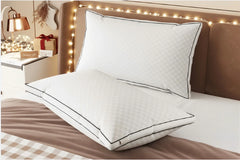
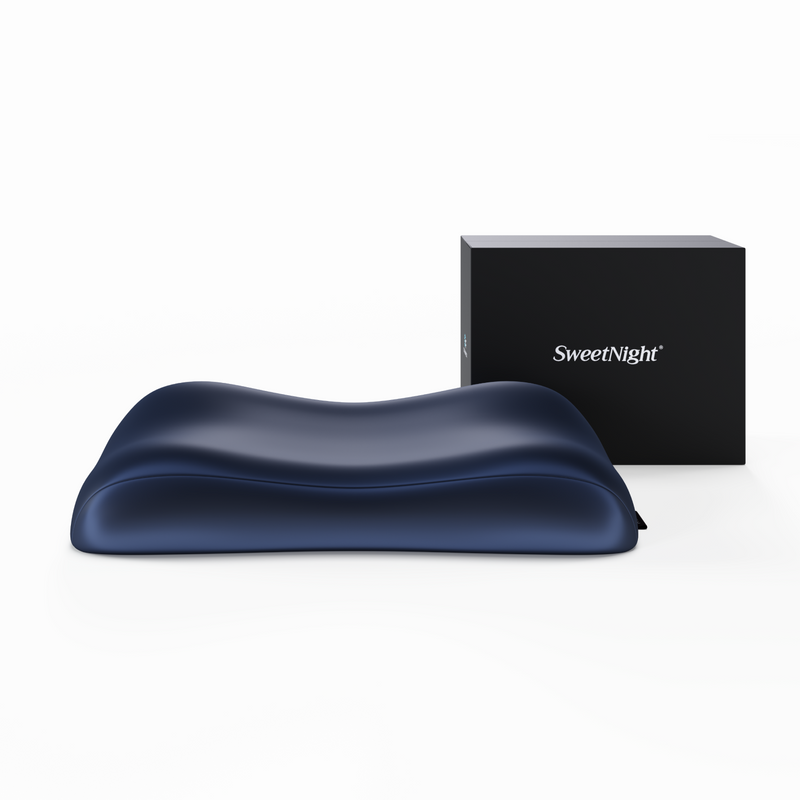
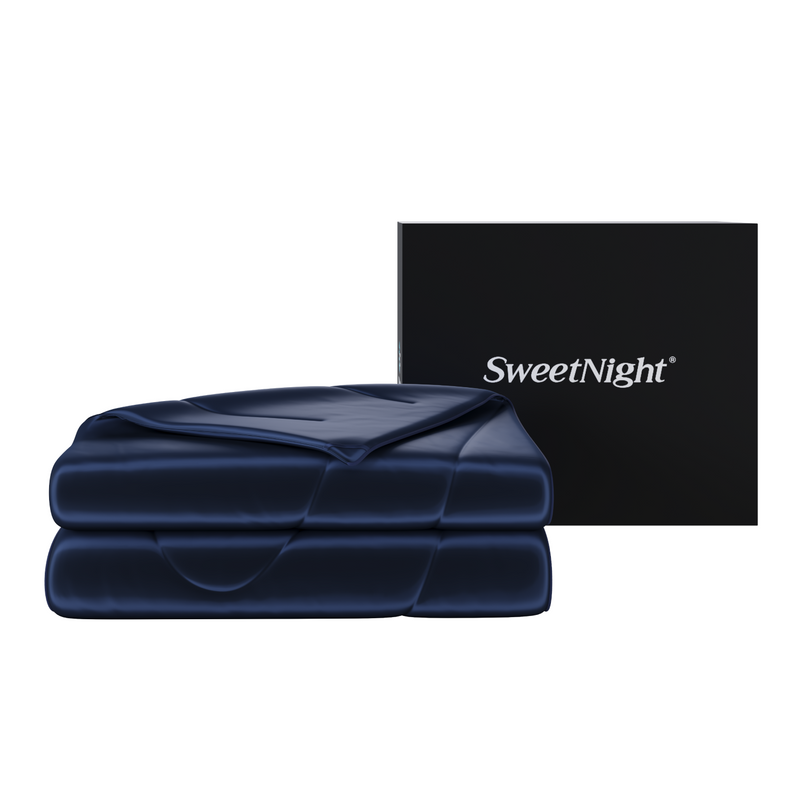
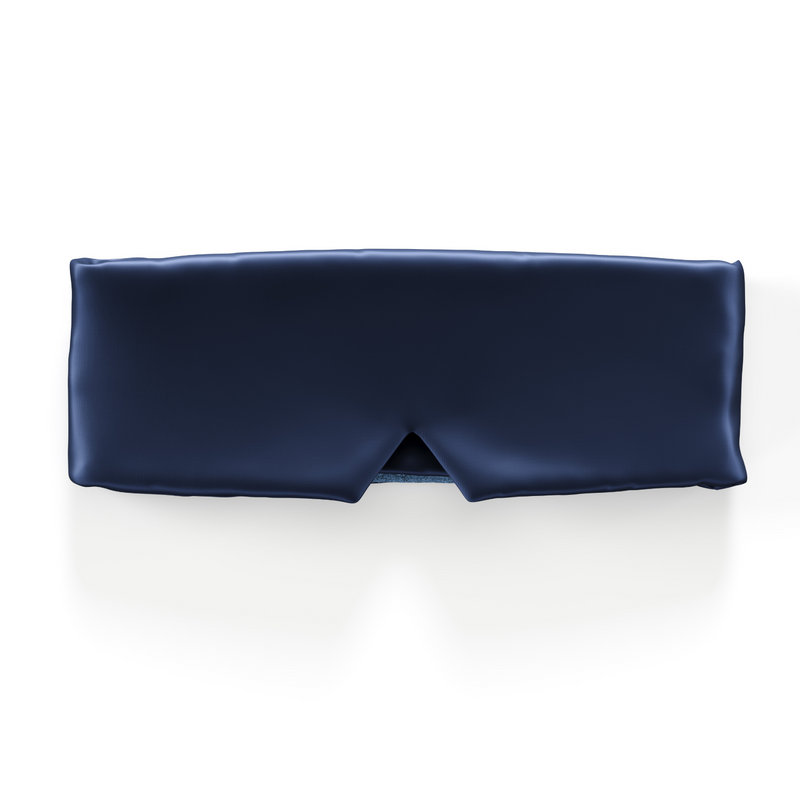
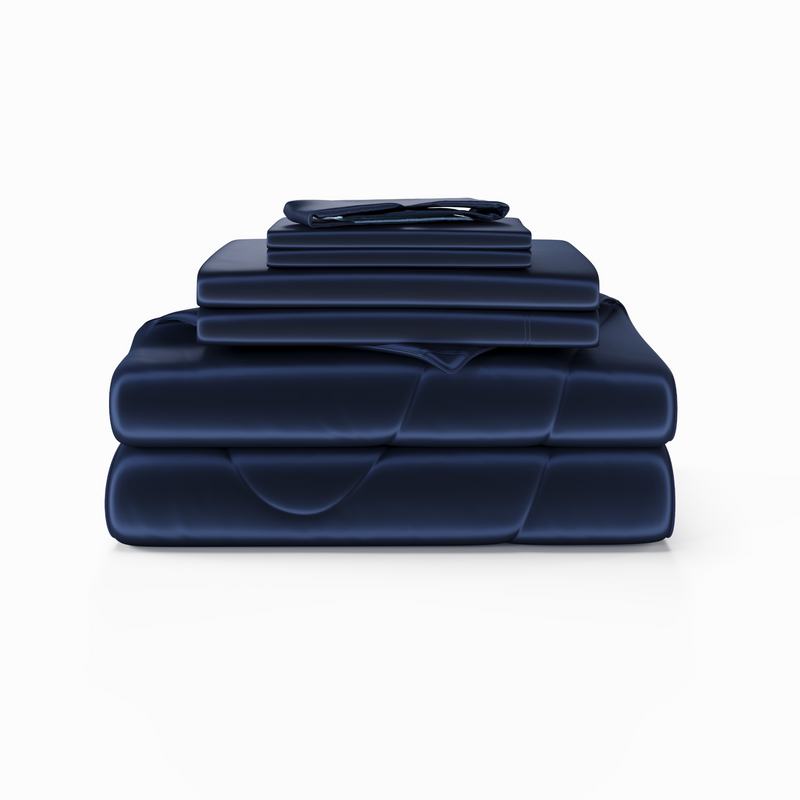
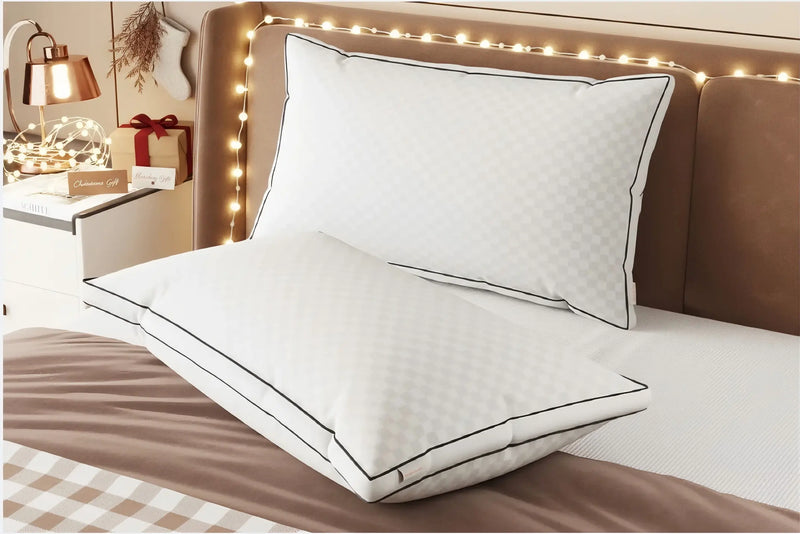
Millennials research carefully before buying, guided by reviews and forums. Many are willing to pay more for durability and health benefits. Weighted blankets, ergonomic pillows, and blackout curtains complete the sleep setup. What once seemed like a luxury is increasingly framed as everyday self-care for those prioritizing recovery.
Bedroom Technology Ecosystem
Sleep optimization now extends beyond mattresses. Smart lighting dims automatically, air purifiers refresh the air, and sound machines block noise. Many millennials connect these devices into smart-home systems, where one command sets lights, sounds, and temperature for bedtime.
Technology is no longer a distraction but a tool for building the ideal sleep environment, proving that science and comfort can work together in daily life.
The Connection Between Mental Health and Sleep
Millennials are often described as the most anxious generation. They entered adulthood during financial crises, student loan burdens, and social media comparisons. With so many stressors, mental health became a constant concern. Sleep emerged as one of the most reliable and accessible ways to restore balance.
- Consistent, sufficient sleep is associated with lower stress reactivity and better emotional regulation, supporting resilience under pressure.
- Deep sleep allows the brain to process emotions, lowering the risk of anxiety and depression.
- Insufficient sleep is linked to greater irritability and diminished attention, which can make routine tasks feel more demanding.
Therapists now encourage clients to prioritize sleep as part of treatment plans. Cognitive behavioral therapy for insomnia is becoming a standard option, and mental health apps include bedtime features. Millennials openly discuss sleep quality in conversations about wellness, making it part of the larger dialogue about mental health.
For many, prioritizing sleep is more affordable than therapy or medication. While professional help is valuable, daily rest provides an immediate and powerful foundation. Millennials understand that no amount of self-help content or stress management strategies can succeed without proper recovery.

The Growing Market for Sleep Products Among Young Adults
Spending habits reveal a generational shift. Millennials are directing money toward health and well-being rather than short-term status items. Sleep-related purchases, once considered indulgent, now rank high on household budgets.
| Category | Examples Of Spending | Why Millennials Value It |
| Mattress And Bedding | Premium mattresses, weighted blankets, cooling pillows | Quality sleep translates to energy and focus at work |
| Sleep Technology | Wearables, white-noise machines, blue-light glasses | Affordable ways to track and improve rest daily |
| Bedroom Environment | Blackout curtains, ergonomic furniture, air purifiers | Creating calm spaces that support recovery |
| Professional Services | Sleep therapy, stress reduction coaching, wellness apps | Tackling long-term sleep disruptions directly |
| Lifestyle Supplements | Herbal teas, melatonin products, relaxation oils | Supporting bedtime routines naturally |
This redirection of budgets reflects practical wisdom. Travel and dining remain important, but millennials increasingly view rest as the foundation for enjoying those experiences. Companies have noticed this shift, launching sleep-focused product lines and marketing campaigns aimed at young professionals. Subscription boxes deliver teas and relaxation tools, while digital platforms sell guided meditation packs. Millennials respond positively, not because it is trendy, but because these tools align with their lived priorities.
A Lifestyle That Puts Rest at the Center
Millennials are showing that sleep is not wasted time but a vital investment in energy, clarity, and joy. By placing rest at the center of daily routines, they create a model of sustainable success for the future. Begin with small choices such as setting a bedtime, creating a calm environment, and valuing recovery as much as productivity.
FAQs
Q1: How many hours of sleep do adults actually need?
For most healthy adults, seven or more hours of nightly sleep is recommended, as this amount helps maintain proper cognitive function, immune strength, and emotional balance, though individual needs may vary. Regularly sleeping fewer than seven hours is linked to negative health outcomes. For most adults, six hours or less is inadequate, while consistently oversleeping can also be a sign of underlying conditions. The exact amount varies by individual, but keeping a consistent schedule is often more important than the precise number of hours.
Q2: How does diet influence sleep?
Diet plays an important role in sleep. Eating large, spicy, or fatty meals before bedtime can cause stomach discomfort and make it harder to fall asleep. Foods rich in tryptophan, magnesium, or melatonin—such as turkey, nuts, and cherries—can promote relaxation. Staying well-hydrated is also important, but drinking large amounts of fluids too late may cause frequent trips to the bathroom during the night.
Q3: How do mattress materials influence sleep?
Different mattress materials provide distinct benefits. Memory foam contours to the body, minimizing motion transfer, while latex offers more bounce and improved ventilation. Innerspring mattresses provide firm support but may wear out more quickly. Hybrid mattresses combine these features for balance. The best choice depends on sleeping position, sensitivity to heat, and whether a person sleeps alone or with a partner.