















Understanding the Firmness Scale: 1-10 Breakdown
Mattress ratings usually follow a 1-10 firmness scale, but there is no single mandatory standard behind it, so the definitions are not universally agreed. Understanding how each brand uses the number is essential before you trust it.
One critical caveat: the firmness scale actually exists in two opposite conventions. In the U.S. market, brands use a subjective, self-defined 1-10 scale where 1 is the softest and 10 is the firmest, with no mandatory testing standard behind it, so one company's "6" can feel very different from another's. The European and Chinese standards (EN 1957 and GB/T 43007-2023, which measure a lab value called Hs) run the scale in reverse, where 1 is the firmest and 10 is the softest. The breakdown below uses the U.S. convention (1 soft to 10 firm), but always confirm which scale a brand is quoting before comparing numbers.
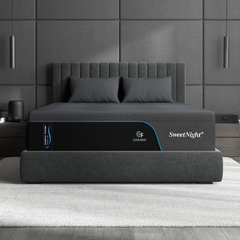
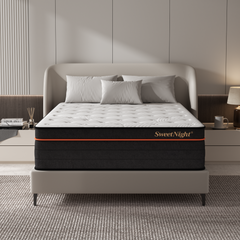
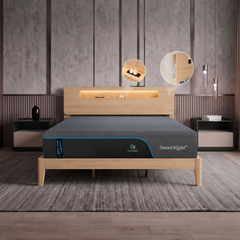
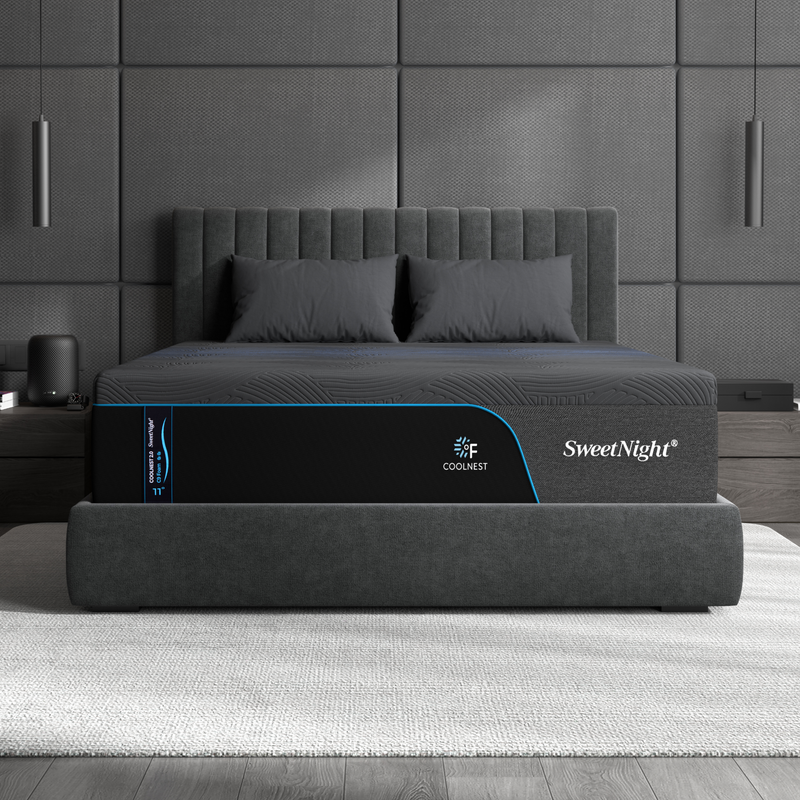
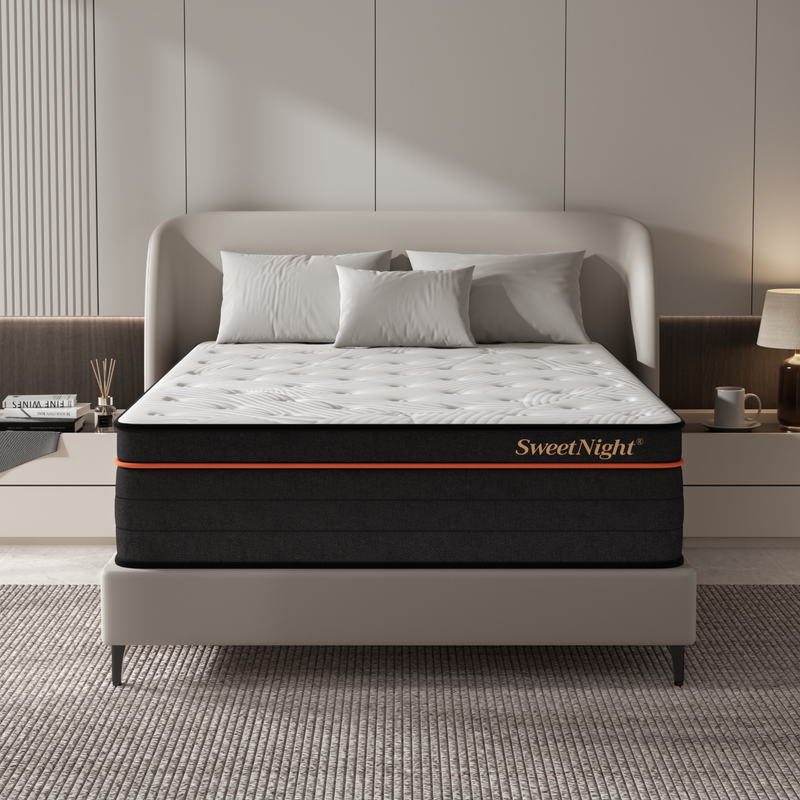
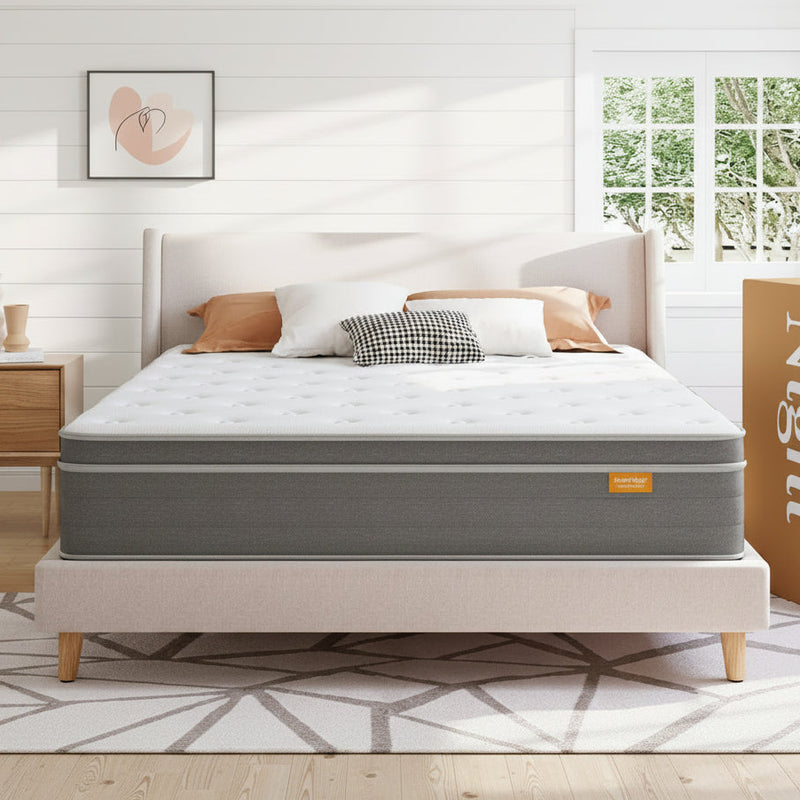
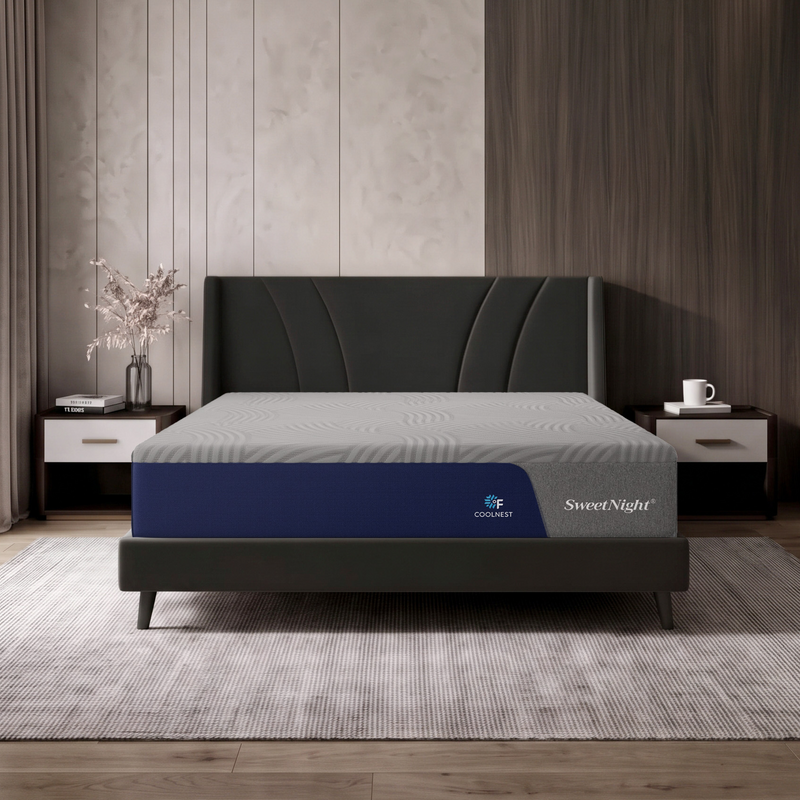
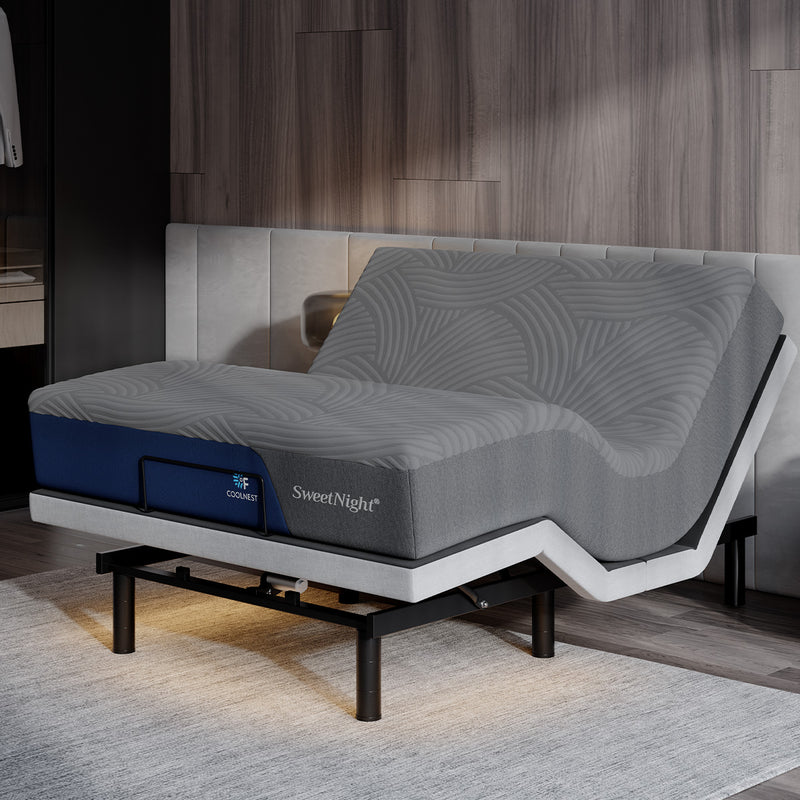
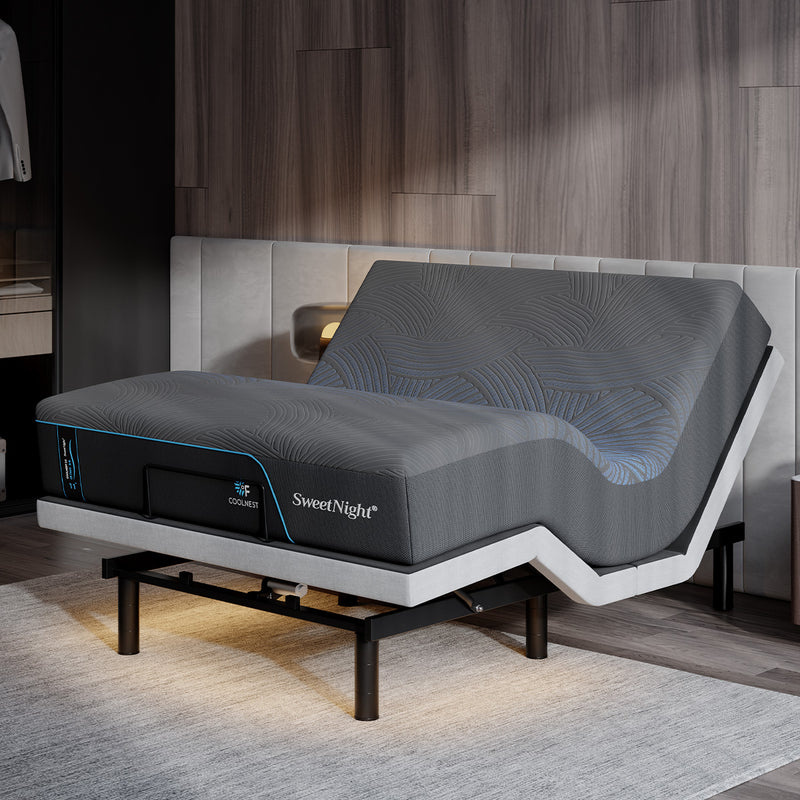
On the feel side, the industry describes comfort in four standard tiers, from firmest to softest: Firm, Medium Firm, Medium, and Medium Plush (medium-soft). SweetNight's cooling flagship, the CoolNest Ultra, is rated Medium Plush.
Ultra-Soft Range (1-3)
Characteristics:
- Surface sinking depth: 3+ inches
- Feel: "Cloud-like," "sleeping on a pillow"
- Support sensation: Minimal underlying structure
- Recovery time: 90+ seconds after weight removal
- Durability concern: High risk of premature sagging
Best For:
- Very lightweight individuals (under 130 lbs)
- Side sleepers with severe pressure sensitivity
- Those with extreme preference for sinking sensation
Not Recommended For:
- Back sleepers (spinal misalignment risk)
- Stomach sleepers (hip strain inevitable)
- Average-weight or heavy individuals (inadequate support)
- Couples (one partner typically too soft)
- Long-term durability (comfort layers compress faster)

Industry Examples:
- Casper Original (Plush): 3.5-4
- Helix (Soft): 4-4.5
Soft/Plush Range (4-6)
Characteristics:
- Surface sinking depth: 2-3 inches
- Feel: "Soft but supportive," "contouring"
- Support sensation: Noticeable structure beneath
- Recovery time: 30-60 seconds after weight removal
- Ideal balance: Comfort meets support
Best For:
- Side sleepers (130-200 lbs)
- Combination sleepers preferring softness
- Pressure relief prioritizers
- Those with shoulder/hip pain
- Couples with mixed preferences
Sleep Position Breakdown:
- Side sleepers: EXCELLENT (ideal for this position)
- Back sleepers: GOOD (if well-engineered)
- Stomach sleepers: POOR (inadequate support)
Medical Research:
- Pressure relief improvement: 41% reduction in morning pain vs. firm mattresses
- Side sleeper comfort: 34% more comfortable nights
- Sleep quality: 23% increase in deep sleep duration
Industry Examples:
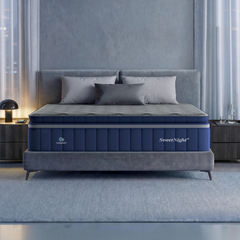
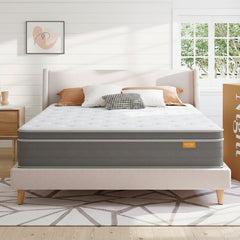
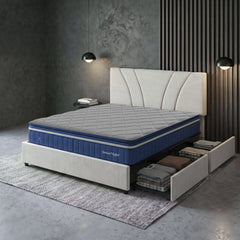
- SweetNight Prime Memory Foam: 5-6
- Tuft & Needle Original: 5-5.5
- Helix (Medium): 5.5-6

Medium-Firm/Balanced Range (6.5-7.5)
Characteristics:
- Surface sinking depth: 1.5-2 inches (ideal for most)
- Feel: "Just right," "balanced"
- Support sensation: Clear underlying support structure
- Recovery time: 10-30 seconds
- Durability: Excellent (minimal compression)
Best For:
- Back sleepers (OPTIMAL)
- Combination sleepers (universal accommodation)
- Average-weight individuals (130-200 lbs)
- Side sleepers with back pain concerns
- Long-term durability prioritizers
- Most sleep positions simultaneously

Sleep Position Breakdown:
- Back sleepers: EXCELLENT (recommended by 94% of sleep doctors)
- Side sleepers: VERY GOOD (adequate pressure relief)
- Stomach sleepers: GOOD (manageable support)
Medical Research:
- Back pain reduction: 68% reported improvement (vs. 42% firm, 18% soft)
- Spinal alignment: Superior to both extremes
- Sleep quality: Optimal deep sleep duration
- Partner satisfaction: 87% couple compatibility
Industry Examples:
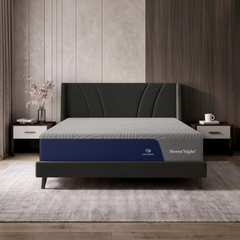
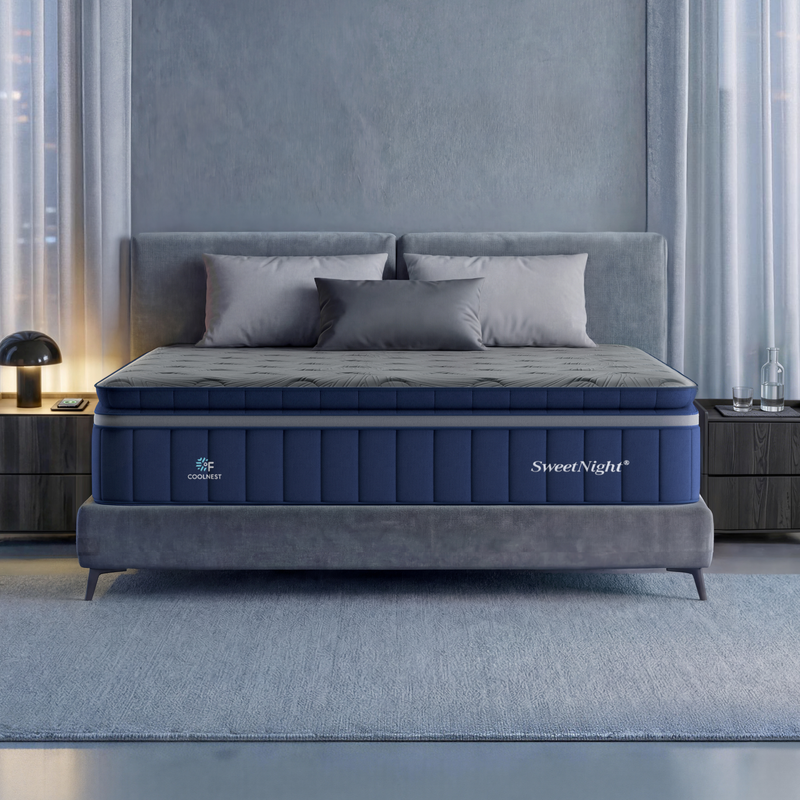
- SweetNight Twilight Hybrid: 6.5 (RECOMMENDED)
- Tempur-Pedic Breeze: 6.5
- Saatva: 6.5-7
- Purple Hybrid: 6.5
Firm Range (7.5-9)
Characteristics:
- Surface sinking depth: 0.5-1.5 inches
- Feel: "Supportive," "minimal contouring"
- Support sensation: Obvious rigid structure
- Recovery time: Immediate (less than 10 seconds)
- Durability: Excellent (minimal compression risk)
Best For:
- Stomach sleepers (required for spine safety)
- Heavy individuals (over 230 lbs) requiring support
- Back sleepers with low pressure sensitivity
- Futon/platform bed use
- Those with lumbar pain (firmness provides stability)
Sleep Position Breakdown:
- Back sleepers: VERY GOOD (strong support)
- Side sleepers: POOR (pressure point risk)
- Stomach sleepers: EXCELLENT (spine safety)
Medical Notes:
- Back pain efficacy: 42% reported improvement (suboptimal vs. medium-firm)
- Side sleeper risk: 34% report increased shoulder/hip pain
- Couple compatibility: Low (usually mismatched preferences)
Industry Examples:
- Firm Helix Plus: 7.5-8
- Tuft & Needle Mint: 7-7.5
- Most luxury innerspring: 8+
Extra-Firm Range (9-10)
Characteristics:
- Surface sinking depth: Minimal (under 0.5 inches)
- Feel: "Flat," "wooden," "minimal give"
- Support sensation: Almost no conforming
- Recovery time: Immediate
- Durability: Maximum
Best For:
- Very heavy individuals (250+ lbs)
- Strict stomach sleepers
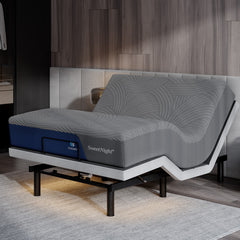
- Those using adjustable beds (needs extra support)
- Platform bed sleepers (platform already provides structure)
Not Recommended For:
- Side sleepers (extreme pain risk)
- Pressure relief needs (no contouring)
- Most couples (compatibility impossible)
- Long-term comfort (feels uncomfortable after several hours)
Industry Examples:
- Most extra-firm innerspring: 9-10
- Budget firm options: 9+
Firmness vs. Sleep Position: Decision Matrix
Back Sleepers (Optimal: 6.5-7.5)
Why medium-firm works best:
- Spine naturally straight when laying on back
- Moderate firmness supports without excessive pressure
- Research: 68% pain reduction with medium-firm vs. 42% with firm
- Recommendation: SweetNight Twilight Hybrid (6.5)
Avoid:
- Ultra-soft (under 4): Creates excessive lumbar sag
- Extra-firm (9+): Pressure points at shoulders/lower back
Side Sleepers (Optimal: 5-7)
Why soft-to-medium works best:
- Shoulders and hips need pressure relief
- Concentrated weight requires contouring
- Research: 34% more comfortable nights on soft options
- Recommendation: SweetNight Prime Plush (5-6) or Twilight Hybrid (6.5)

Avoid:
- Ultra-soft (under 4): Hip flexor overstretching
- Extra-firm (9+): Shoulder compression pain
Stomach Sleepers (Optimal: 7.5-9)
Why firm is necessary:
- Weight concentrates in hips/lower abdomen
- Soft mattress allows spine rotation
- Spine misalignment risk with inadequate support
- Recommendation: Firm hybrid or innerspring (8+)
Avoid:
- Soft mattresses (under 6): Back injury risk
- Medium-firm (6.5): Insufficient support
Combination Sleepers (Optimal: 6.5)
Why medium-firm is sweet spot:
- Accommodates all positions reasonably
- Balanced support prevents position-change discomfort
- Adequate pressure relief for side positions
- Sufficient support for back positions
- Recommendation: SweetNight Twilight Hybrid (6.5)
Avoid:
- Extremes in either direction (too soft or too firm)
Body Weight Considerations
Light Sleepers (Under 130 lbs)
- Firmness scale interpretation shifts: 5 feels like 6 for heavier person
- Recommendation: Softer options (4-6) to prevent excessive firmness
- Why: Light bodies don't compress foam adequately; sinking is less
- Example: 110-lb woman on 5-firmness feels medium-firm support
Average Weight (130-200 lbs)
- Standard scale applies directly
- Recommendation: 6.5-7 (medium-firm) optimal
- Why: Body weight properly compresses comfort layers
- Example: 170-lb man on 6.5 gets ideal pressure relief
Heavy Sleepers (Over 200 lbs)
- Need firmer mattresses due to higher sinking
- Recommendation: 7.5-8.5 (firm) minimum
- Why: Body weight compresses excessively on softer options
- Risk: Medium-firm (6.5) may feel too soft, inadequate support
- Example: 240-lb man needs 8+ to feel medium-firm support

Firmness and Pain Conditions
Back Pain: 6.5-7.5 Optimal
- Research: 68% pain reduction with this range
- Why: Balances support with pressure relief
- Medical endorsement: 94% of chiropractors recommend
Hip Pain (Side Sleepers): 6.5-7.5
- Research: 53% pain reduction with this firmness
- Why: Adequate contouring without excessive sinking
- Risk: Both softer and firmer options increase pain
Neck Pain: 6.5-7 + Proper Pillow
- Firmness supports spinal alignment
- Pillow height critical (more important than mattress)
- Recommendation: Combine with cervical support pillow
Arthritis: 7-8
- Need stability for joint protection
- Softer mattresses increase pain
- Pressure relief still important but secondary to support
General Pressure Sensitivity: 5-6.5
- Priority: Pressure relief over support
- Body-contouring essential
- Trade: May compromise durability slightly

Firmness and Mattress Construction Type
Memory Foam Firmness Characteristics
Soft Memory Foam (4-5 firmness)
- Sinks 2-3 inches—very conforming
- Takes 60-90 seconds to fully adjust
- Excellent pressure relief
- Risk: Reduced support for heavier individuals
Medium Memory Foam (6-6.5 firmness)
- Sinks 1.5-2 inches—balanced
- Takes 30-60 seconds to adjust
- Optimal for most sleepers
- Example: SweetNight Prime Memory Foam
Firm Memory Foam (7-8 firmness)
- Sinks under 1.5 inches—less conforming
- Takes 10-30 seconds to adjust
- Better for heavy individuals or back sleepers
Hybrid Mattress Firmness Characteristics
Soft Hybrid (5-6 firmness)
- Foam conforming + coil responsiveness
- Better pressure relief than all-foam
- Excellent for side sleepers
- More durable than soft foam
Medium Hybrid (6.5-7.5 firmness)
- Balanced foam and coil ratio
- Optimal for all positions
- Example: SweetNight Twilight Hybrid
- Most popular firmness range
Firm Hybrid (8+ firmness)
- More coil prominence, less foam
- Maximum support
- Better edge support
- Less pressure relief
How Firmness Changes Over Time
First 30 Days (Adaptation Phase)
- You're still adjusting to new mattress
- Firmness perception may change 15-20%
- Muscles adapt to new support
- Don't judge too quickly
3-6 Months (Settling Phase)
- Comfort layers slightly compress
- Mattress feels marginally softer (5-10%)
- Support structure intact
- This is normal and acceptable
1-3 Years (Stabilization)
- Compression stabilizes
- Mattress settles into permanent form
- Minimal further change
- Quality mattresses maintain support
7-10 Years (Degradation)
- Noticeable softening (20-30%)
- Comfort layer compression
- Loss of edge support
- Time for replacement
Why It Matters for Selection:
- Choose slightly firmer than ideal for long-term firmness maintenance
- SweetNight's 10-year warranty covers support through optimal period
- Expect and accept 10-15% firmness loss over lifespan

Firmness Testing: How to Know Before Buying
In-Store Testing
- Lie in your typical sleep position for 10+ minutes
- Test all three positions (back, side, stomach)
- Feel for pressure points and support
- Resistance to pressure indicates firmness
Online Trial Periods
- SweetNight provides 100-night trial
- Sleep on mattress in home environment
- Real-world testing more accurate than showroom
- Take full trial period before deciding

Firmness Adjustment Tricks
- Soft mattress too soft? Add supportive topper
- Firm mattress too hard? Add plush topper
- Temporary solutions while deciding
Firmness Preference Changes
Life Stage Factors
- Youth (under 30): Often prefer softer (5-6.5)
- Middle age (30-60): Prefer medium-firm (6.5-7.5)
- Later years (60+): May prefer softer (5-6.5) due to pressure sensitivity
Pain-Related Factors
- Injury/pain onset: May shift preferences temporarily
- Recovery: Firmness preferences may change
- Chronic conditions: Specific firmness requirements
Partner Compatibility
- Single: Choose for yourself only
- Partnered: May need compromise (usually 6.5)
- Dual-firmness mattresses: Alternative for opposite preferences
Frequently Asked Questions About Firmness
Q: Is firmness the same as support?
A: No. Firmness refers to surface feel. Support refers to structural integrity. A soft mattress can have strong support underneath.
Q: Can I change a mattress's firmness?
A: Not substantially, but mattress toppers (1-3 inches) can shift feel slightly without compromising support.
Q: Does my partner's preference matter in firmness selection?
A: Yes. Couples often have different preferences. Medium-firm (6.5) is the best compromise, or consider dual-firmness options.
Q: Should I choose firmness based on pain or preference?
A: Pain should take priority. Medical research clearly shows optimal firmness for pain conditions. Preference secondary to health.
Q: Why do mattress stores push firm mattresses?
A: Firmer mattresses cost less to produce (less premium foam), so profit margins higher. Doesn't mean it's optimal for you.
Q: What if I choose the wrong firmness?
A: SweetNight provides 100-night trial. If wrong firmness, utilize trial to return and exchange for correct firmness.
Conclusion
Optimal mattress firmness depends on sleep position, body weight, pain conditions, and personal preference—not on a universal "best." However, research consistently validates 6.5-7.5 (medium-firm) as the optimal range for most sleepers across all positions.
SweetNight's range addresses all firmness preferences:
- Soft: Prime Memory Foam (5-6) for side sleepers
- Medium-Firm: Twilight Hybrid (6.5) for most sleepers
- Firm Options: Available through customer service
Understanding firmness science enables confident selection aligned with your specific needs.