






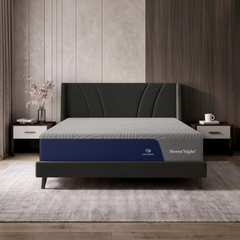
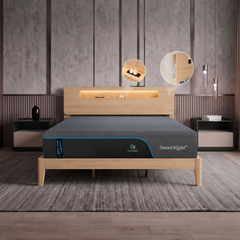

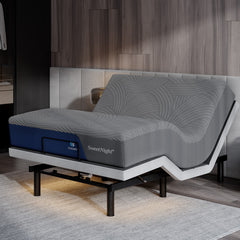
























Got a urine stain on your mattress? Don't panic or throw it out just yet. Most pee stains and odors can be completely removed with household items you probably have in your kitchen right now. The cleaning process differs for fresh versus dried urine, and different mattress types like memory foam mattresses and latex mattresses require specific care. Pet accidents need extra attention too. What matters most is starting the cleanup as soon as possible to prevent the stain from setting in permanently.

What to Do in the First 5 Minutes

The first few minutes after discovering urine on your mattress determine how easy or difficult the cleanup will be. Quick action prevents the liquid from soaking deeper into the mattress layers, which makes stains and odors much harder to remove later.
- Strip all bedding immediately. Remove sheets, mattress protectors , and any blankets touching the affected area. Wash these separately in hot water with detergent and a cup of white vinegar.
- Blot the wet area with paper towels or clean cloths. Press down firmly to absorb as much liquid as possible. Never rub or scrub, as this pushes urine deeper into the mattress fibers.
- Assess whether the stain is fresh or dried. Fresh stains feel damp and may still have a wet ring around the edges. Dried stains appear yellow or brownish and feel crusty to the touch. This determines which cleaning method you'll need.
How to Remove Fresh Urine Stains

What You'll Need
Get these items ready before you start:
- White vinegar (lemon juice works too)
- Baking soda
- Clean spray bottle
- Paper towels or clean white cloths
- Cold water
- Vacuum cleaner with upholstery attachment
- Fan or hairdryer (optional, speeds up drying)
Cleaning Steps
Step 1: Soak up the wet area (1-2 minutes)
Press clean towels firmly on the wet spot. Keep blotting until the towels stay mostly dry. Switch to fresh towels when they get saturated. You're ready to move on when pressing down doesn't transfer much wetness to the towel anymore.
Step 2: Spray vinegar solution (30 seconds)
Mix equal parts white vinegar and cold water in a spray bottle. Spray enough to dampen the stained area, but don't soak it. The vinegar will smell strong right away—that's normal and the smell goes away once it dries.
Step 3: Wait (5-10 minutes)
Let the vinegar mixture sit on the stain. The acid in vinegar breaks apart the uric acid in urine during this time. The wet area might look a bit darker while it sits—this is fine.
Step 4: Blot dry (2-3 minutes)
Use fresh, dry towels to soak up the vinegar solution. Press down hard and keep going until you've gotten out as much liquid as you can. The area should feel damp, not wet, when you finish.
Step 5: Cover with baking soda (1 minute)
Pour baking soda directly onto the damp stain. Use enough to cover the whole area with about 1/4 inch of powder. The baking soda will clump a little as it soaks up what's left of the moisture.
Step 6: Vacuum once dry (wait 8-10 hours, then vacuum for 2 minutes)
Leave the baking soda for at least 8-10 hours. Overnight works well. The powder will dry out completely and might get crusty. Vacuum it all up using your upholstery attachment. Go over the spot several times until all the powder is gone and the surface feels clean.
How to Remove Dried/Set-In Urine Stains
Choose the Right Method for Your Mattress
Dried urine stains need stronger cleaning than fresh ones because the uric acid has bonded to the mattress fibers. Your mattress type determines which method to use:
- Memory foam, pillow top, or innerspring mattresses: Use hydrogen peroxide method (safe for white/light-colored covers) OR enzyme cleaners (safe for all colors)
- Latex mattresses: Use enzyme cleaners ONLY—hydrogen peroxide damages latex
- Dark-colored or patterned mattresses (any type): Use enzyme cleaners to avoid bleaching risk
- Very old stains or pet urine: Enzyme cleaners work best
Method 1: Hydrogen Peroxide Solution
Best for: Light-colored memory foam, pillow top, and innerspring mattresses
What You Need:
- 8 ounces (1 cup) of 3% hydrogen peroxide
- 3 tablespoons of baking soda
- 2-3 drops of liquid dish soap
- Spray bottle
- Clean towels
Steps:
- Mix all ingredients in a bowl until baking soda dissolves, then pour into spray bottle
- Spray directly on dried stain until damp (not soaked)
- Wait 5-10 minutes—fizzing or bubbling means it's working
- Blot with clean towels to remove excess moisture
- Let air dry completely (4-6 hours)
Safety Warnings:
- Test first: Always test on a hidden spot (like the mattress bottom edge) and wait 10 minutes to check for color changes before applying to the stain
- Never mix: Don't combine hydrogen peroxide with vinegar or ammonia-based cleaners—this creates harmful fumes
- For dark mattresses: Use a weaker solution (1/4 cup hydrogen peroxide + 1/4 cup water + 2 tablespoons baking soda) or switch to enzyme cleaners instead
Method 2: Enzyme Cleaners
Best for: Latex mattresses, dark-colored mattresses, old stains (days/weeks old), pet urine, or when other methods failed
Why Enzyme Cleaners Work:
Enzymes are natural proteins that break down uric acid and bacteria in urine. They continue working as long as the area stays damp, making them highly effective on deep, set-in stains.
Steps:
- Saturate the stain completely with enzyme cleaner (follow product instructions)
- Let air dry naturally—do NOT blot, use fans, or hairdryers
- Wait 12-24 hours for enzymes to work (they need moisture to function)
- For very old stains, apply a second treatment after the first dries completely
Note: Enzymes stop working once the area dries, so patience is essential. Don't rush the drying process.
How to Clean Pet Urine from Mattresses
Pet urine is more concentrated than human urine , with higher levels of uric acid and ammonia. This makes stains sink deeper and smells last longer.
The bigger problem is territorial marking. Even after you clean, tiny traces of smell can remain that you can't detect but your pet can. These traces tell your pet to urinate in the same spot again. This is why enzyme cleaners work better for pet accidents—they break down the specific compounds that attract pets back to the area.
Step 1: Soak up what you can (5 minutes)
If the urine is still wet, blot up as much as possible with paper towels. Press down hard to pull liquid from deep in the mattress. For dried pet stains, move to step 2.
Step 2: Saturate with enzyme cleaner (2 minutes)
Use an enzyme cleaner made for pet urine. Spray or pour enough to soak the stain and the area around it. Pet urine spreads wider than what you can see, so treat about 2 inches beyond the visible stain. The mattress should feel quite wet.
Step 3: Keep it damp (12-24 hours)
Cover the wet area loosely with plastic wrap or a plastic bag. This stops the enzyme cleaner from drying too fast. Enzymes only work when wet, so trapping moisture helps them break down all the uric acid. Leave it for at least 12 hours. For old or strong pet stains, leave it for 24 hours.
Step 4: Let it dry and check results (24-48 hours)
Remove the plastic covering after 12-24 hours. Let the area air dry completely for another 12-24 hours using a fan. Once fully dry, smell the area closely.
Step 5: Repeat treatment if needed (one time only)
If you still smell urine after the first treatment is completely dry, apply enzyme cleaner ONE more time and repeat the 12-hour covering process followed by 24-hour drying.
Step 6: When to replace your mattress
If odor remains after two full enzyme treatments (which takes 4-5 days total), the urine has likely penetrated too deep to remove. Consider:
- Contacting a professional mattress cleaning service as a last attempt
- Replacing the mattress if professional cleaning fails
- The urine may have reached the inner core, making complete removal impossible
How to Clean Different Mattress Types
Different mattress types need different cleaning approaches. Memory foam mattresses trap moisture and take longer to dry, hybrid mattresses have coils that can rust, latex mattresses can't handle sunlight exposure, and spring mattresses need careful blotting to prevent deep saturation.
1. Memory Foam Mattresses
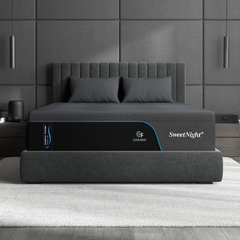
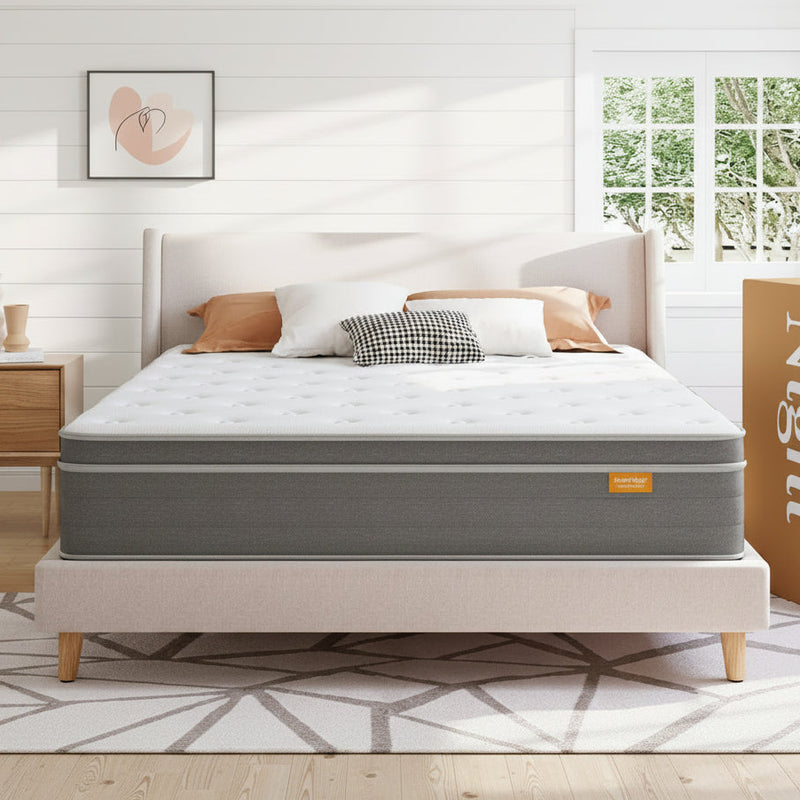
Memory foam mattresses absorb liquid quickly and hold onto moisture for a long time, making fast action essential. This is especially true for thicker 12-inch and 14-inch memory foam mattresses, which can take up to 48 hours to dry completely. If you have a multi-layer mattress like the Starry Night Memory Foam Mattress with its gel memory foam, comfort foam, and bamboo charcoal layers, you'll need to be extra careful since liquid can soak through each layer.
| Step | Action | Time Needed |
|---|---|---|
| 1. Blot right away | Press paper towels on wet spot. Push down hard for 5-10 seconds. Use fresh towels until they stay mostly dry. Work from edges to center. | Within 10 minutes |
| 2. Spray cleaner | Mix equal parts vinegar and water. Spray 3-4 times from 6-8 inches away. Should look damp, not wet. For enzyme cleaner, use 2-3 sprays. | 1-2 minutes |
| 3. Blot again | Put dry towel over damp spot. Press hard for 10 seconds. Move to dry part and repeat 8-10 times. | 3-5 minutes |
| 4. Dry with fan | Put fan 2-3 feet away, aimed at spot. Run on medium or high. Check every 4-6 hours. Ready when dry and room temperature. | 1. 12-24 hours for 10-inch mattresses
2. 24-36 hours for 12-inch mattresses 3. 36-48 hours for 14-inch mattresses |
Thicker foam = longer drying time. Check every 6 hours by pressing firmly—should feel dry and room temperature throughout. Never use steam cleaners or lots of water on memory foam—these will soak the dense foam and lead to mold growth.
2. Pillow Top Mattresses
The extra quilted padding on pillow tops absorbs more liquid and spreads it horizontally, requiring more thorough blotting.
| Step | Action | Time Needed |
|---|---|---|
| 1. Blot hard | Stack 3-4 paper towels or use bath towel. Press with full weight for 15 seconds. Repeat 10 times with fresh parts. | 2-3 minutes |
| 2. Spray cleaner | Spray on stain and 2-3 inches around it. Use 8-10 sprays for hand-sized stain. Should feel damp with no pooling. | 1 minute |
| 3. Wait | For enzyme cleaner, cover with plastic wrap and tape edges. Leave it alone to work. | 5-10 minutes (vinegar); 12 hours (enzyme) |
| 4. Blot and smell | Remove plastic. Press fresh towels in firmly 6-8 times. Smell closely. If urine smell stays, repeat steps 2-4. | 5 minutes |
| 5. Dry with fan | Put fan 1-2 feet away, aimed at spot. Run all the time. Press every 6 hours to check deep layers. | 24-48 hours |
Use a waterproof protector designed for extra-deep or pillow top mattresses, since standard ones don't fit properly over the thick padding.
3. Latex Mattresses
Latex resists odors naturally but needs careful handling—especially protection from sunlight, which permanently damages the material.
| Step | Action | Time Needed |
|---|---|---|
| 1. Blot | Press paper towels on wet spot for 10 seconds. Use fresh parts until mostly dry. | 2-3 minutes |
| 2. Spray enzyme cleaner | Spray 4-5 times on stain. Don't use hydrogen peroxide—it damages latex. Should look damp with no drips. | 1 minute |
| 3. Wait and blot | Set timer for 10-15 minutes. When it rings, press clean towels on area firmly. Repeat 5-6 times. | After 10-15 minutes |
| 4. Add baking soda (if needed) | Sprinkle 1/4 cup thinly—should see mattress through powder. Wait 2 hours, then vacuum right away. Make 3-4 passes. | 2 hours only |
| 5. Dry away from sun | Move to room without direct sun. Close curtains if needed. Put fan 2-3 feet away on medium. When dry, wait 6 more hours. | 24-48 hours |
Never expose latex mattresses to direct sunlight at any time during cleaning or drying—UV rays will crack and damage the material permanently.
4. Hybrid and Innerspring Mattresses
These mattresses have metal coils inside that rust if moisture seeps through the padding layers, so preventing deep saturation is critical.
| Step | Action | Time Needed |
|---|---|---|
| 1. Blot hard | Stack paper towels or use thick towel. Press with full weight for 15 seconds. Repeat 12-15 times to pull liquid up before it reaches coils. | 3-5 minutes |
| 2. Spray lightly | Spray vinegar or enzyme cleaner 4-6 times on stain. Should look damp, not soaked—too much pushes liquid down. | 1 minute |
| 3. Blot often | Wait 2 minutes, press dry towels firmly 5-6 times. Wait 2 more minutes and blot again. Keep going for 10 minutes. | 10 minutes total |
| 4. Check coils | Push down hard on stain with fist. Springs should feel bouncy. If mushy or soggy, moisture reached coils. Test several spots. | 1 minute |
| 5. Stand up if wet inside | If springs felt wet, flip mattress up against wall at steep angle. Put towels under bottom. Put fan on each side. | 48 hours |
| 6. Dry flat with fan | If springs felt normal, lay flat. Put fan 1-2 feet away at damp spot. Run on high 24 hours. Press every 6 hours. When dry, add 6 more hours. | 24-48 hours |
Waterproof mattress protectors are especially important for hybrid and spring mattresses since they're much harder to fully dry once moisture reaches the internal coils. Consider this essential protection regardless of whether you have a standard 10 inch hybrid mattress or a thicker 12-14 inch model.
How to Get Rid of Urine Smell
Sometimes the stain looks gone but the smell remains—this happens because urine soaks deep into mattress layers where cleaning solutions can't always reach.
- Use Baking Soda Treatment: After cleaning and blotting, sprinkle a thick layer of baking soda (about 1 cup) over the entire affected area. Let it sit for at least 8 hours or overnight—the powder absorbs odor molecules as it dries. Vacuum thoroughly with your upholstery attachment, making several passes until all powder is gone.
- Apply Enzyme Cleaners for Stubborn Odors: If smell persists after baking soda, enzyme cleaners work better since they actually break down the odor-causing compounds. Spray the area generously, cover with plastic wrap, and leave for 12-24 hours. The enzymes need time and moisture to eliminate deep odors.
- Add Essential Oils: Add 3-4 drops of lavender or tea tree oil to your final baking soda application only after the urine smell is completely gone. Never use essential oils to mask urine odor—they won't eliminate it and mixing scents makes the problem worse.
A Note on All-Foam Mattresses
Everything in this guide gets harder on an all-foam bed, because foam has no coil cavity for liquid to drain into — it holds what it absorbs. That's why the blot-don't-pour rule matters more here than on a hybrid, and why the drying stage, not the cleaning stage, is where foam mattresses are usually lost.
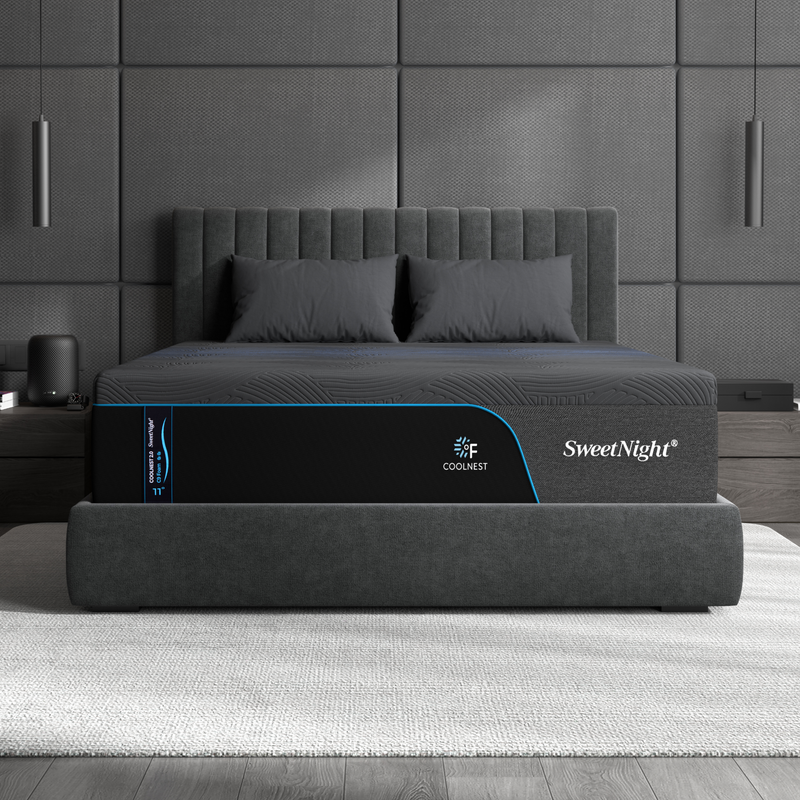
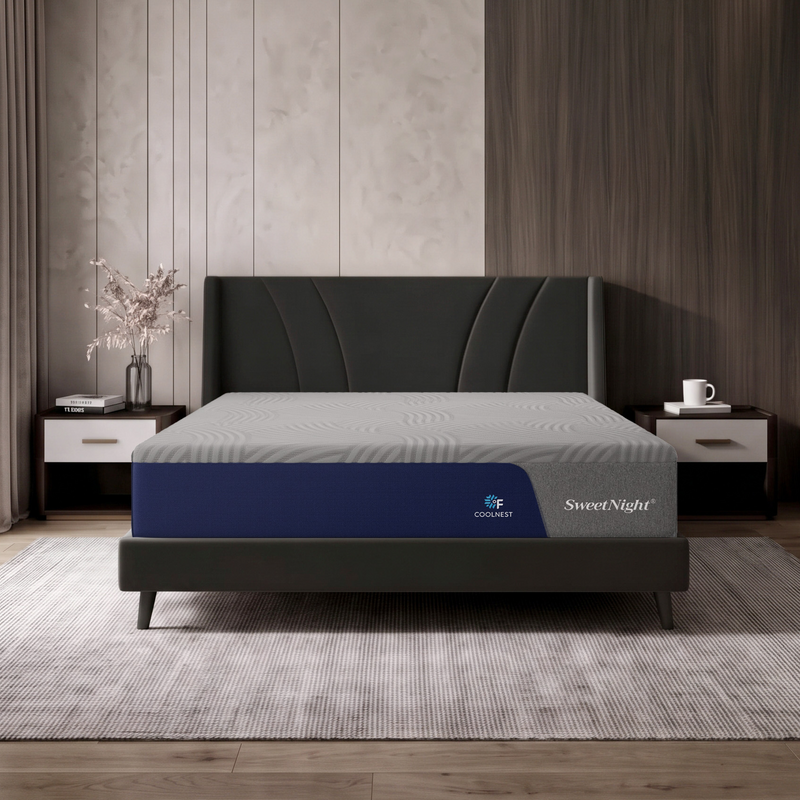
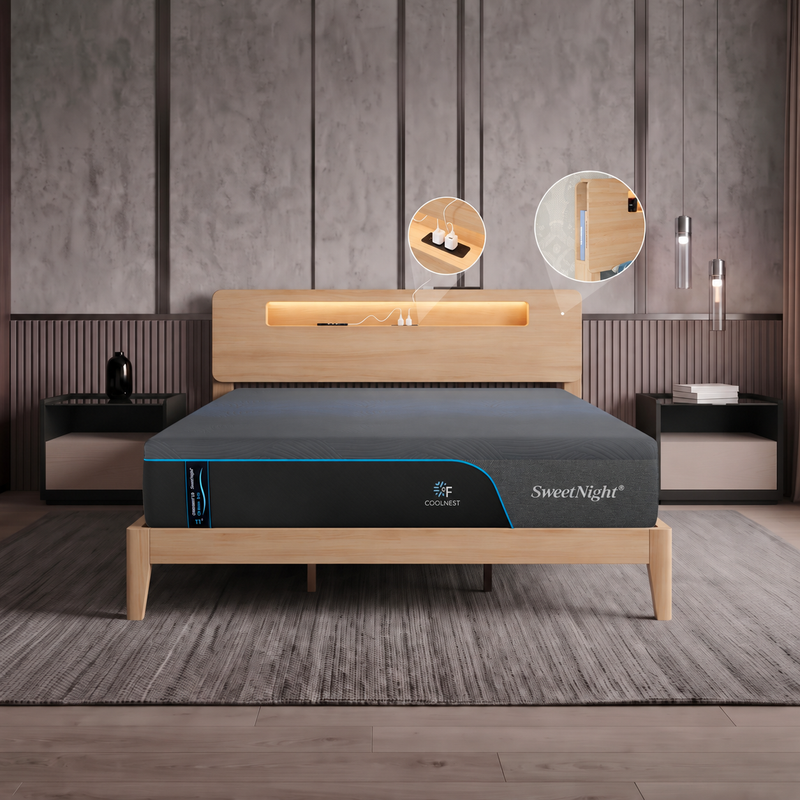
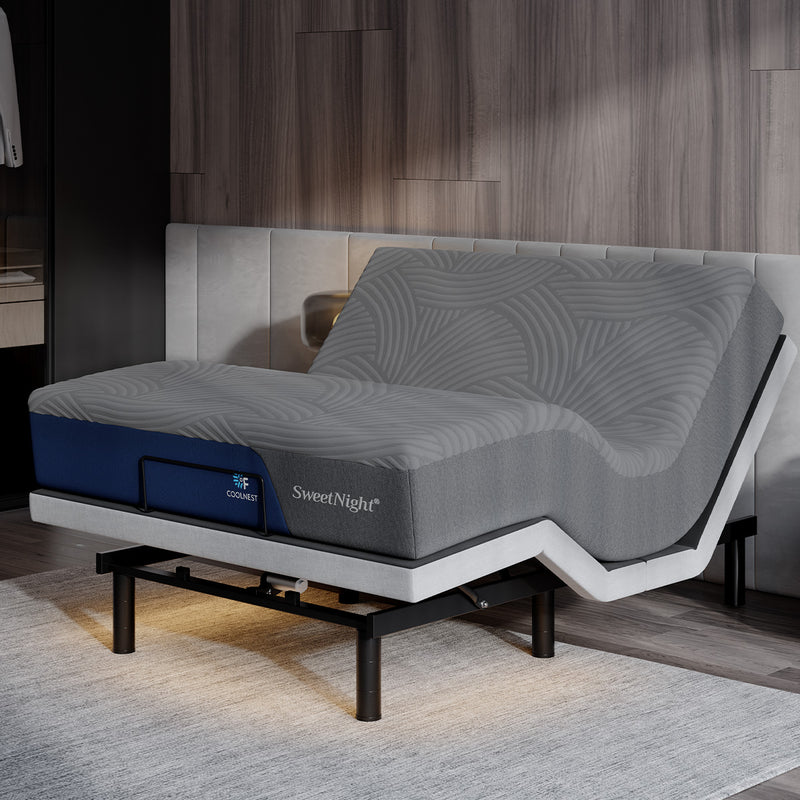
How fast a foam core dries comes down to how freely air moves through it. Beds built with open ventilation channels, like the SweetNight CoolNest® Ultra with its AirMesh™ layer engineered for around six times the breathability of standard memory foam, release trapped moisture far more readily than a dense closed-cell core. It's still not a licence to saturate one — use the minimum liquid that does the job, then give it airflow and patience rather than heat.
And whatever you sleep on, a waterproof protector turns this entire article into a five-minute laundry job next time.
How to Prevent Mattress Accidents
Buy a Waterproof Mattress Protector
Quality mattresses like the Starry Night Memory Foam Mattress come with OEKO-TEX certified fabric covers and anti-slip bottom fabric, but even certified materials need protection from liquid damage. A waterproof mattress protector blocks all liquids while still letting air through so you don't get too hot at night. For families dealing with bedwetting, choosing the best mattress protector for bedwetting is essential—look for ones specifically rated for incontinence with extra-thick barriers.
Look for protectors with polyurethane or vinyl backing and a cotton or terry cloth top. Measure your mattress thickness first—10 inch mattresses need standard 12-14 inch pockets, 12 inch memory foam mattresses need 14-16 inch pockets, and 14 inch or pillow top mattresses need 18-20 inch deep pockets. Choose ones labeled "noiseless" to avoid crackling sounds.
For Parents with Kids
- Control Evening Drinks: Stop all drinks except small sips of water 2 hours before bed. Have your child use the bathroom twice—once 30 minutes before bed, then right before getting in.
- Try Bedwetting Alarms: Clip a moisture alarm to your child's underwear at night. When it sounds, walk them to the bathroom immediately. Use it every night for 8-12 weeks and track dry nights on a calendar. These work best for kids 6-7 years and older.
- Make Nighttime Bathroom Trips Easier: Put nightlights every 6-8 feet between the bedroom and bathroom. Clear the path of toys and furniture. For younger kids, keep a small potty chair in their room.
For Pet Owners
- See a Vet First: Book an appointment within 3-5 days of the first accident. Medical issues like infections, bladder stones, or diabetes cause 60-70% of sudden accidents in house-trained pets. Bring a urine sample if possible. If a medical problem is found, follow the treatment plan and keep your bedroom blocked for 1-2 weeks. If no medical issue exists, the problem is behavioral—maintain bedroom restrictions for 3-4 weeks while using the strategies below.
- Block Bedroom Access: Close your bedroom door or use a baby gate immediately after any accident. This prevents repeat incidents while you determine the cause. Wash all bedding in hot water with enzyme detergent during this time.
- Make Their Bed More Appealing: Place an orthopedic pet bed next to yours at floor level. Add one of your worn shirts under the cover and a familiar blanket. Give treats every time they use their bed instead of yours—continue for 2-3 weeks.
- Reduce Stress: Identify recent changes like new pets, a new baby, moved furniture, or schedule shifts. Use pheromone diffusers near their sleeping area and keep feeding and walk times consistent. If accidents continue past 2-3 weeks, ask your vet about anxiety medication.
- Use Pet Deterrent Spray: Spray your comforter and pillows every 3-4 days with citrus or bitter apple scent deterrent. Apply in the evening so it dries before bed. Continue for 4-6 weeks to break the habit.
If you're comparing mattresses after reading this, here's where each CoolNest® model fits:
- CoolNest® Hybrid Mattress: pocketed coils under a DuoSense™ pillow top. Pick this one if you want bounce, firm edges and less partner motion.
- CoolNest® Memory Foam Mattress: the lowest-priced model in the range, all-foam with 5-zone support and a breathable 3D-woven cover.
- CoolNest® Pro and CoolNest® Ultra: the step-up foam models, with PCMflux® temperature-regulating foam and 7-zone support. Ultra adds AirMesh™ foam and feels up to 11° cooler.
- Current prices on every size and thickness are on the Fall Sale page, or browse all mattresses.
Getting Pee Out of Your Mattress: Final Thoughts
Cleaning urine from your mattress is totally doable with what you already have at home. Fresh stains need vinegar and baking soda, while older ones respond better to hydrogen peroxide or enzyme cleaners. The real trick is acting fast and letting everything dry completely. Once you've got it clean, grab a waterproof mattress protector so you never have to deal with this mess again.
Frequently Asked Questions About Removing Urine from Mattresses
Q1: How long does it take for urine to dry in a mattress?
Urine usually dries in 8-12 hours on standard mattresses, but memory foam and pillow tops can take 24-48 hours because they soak up more liquid. The surface might feel dry while deeper layers are still wet. Don't wait for it to dry on its own—clean it right away. Once urine dries, the stains and smells become much harder to get out.
Q2: Can I use bleach on a mattress?
No, don't use bleach. It damages the fabric and foam, leaves permanent discoloration, and can't be rinsed out properly. You'll end up sleeping on bleach residue that irritates your skin and breathing. Bleach also doesn't actually get rid of urine smell—it just covers it up temporarily. Stick with vinegar, baking soda, hydrogen peroxide, or enzyme cleaners instead.
Q3: Will a steam cleaner remove urine stains?
Not really, and it can actually cause problems. Steam pushes water deep into your mattress where it gets trapped. This leads to mold in memory foam and rust in the metal coils of innerspring mattresses. If you really want to try steam, only use it lightly on the surface of innerspring mattresses after you've already cleaned the stain with enzyme cleaner. Never steam clean memory foam or latex.
Q4: Can professional cleaning services remove urine stains?
Yes, they usually can, especially for old stains that you can't get out at home. Professional cleaners have strong enzyme solutions and special machines that suck liquid out from deep in the mattress. How well it works depends on how old the stain is—recent stains come out easily, but stains that have been there for months or years might be there for good.
Q5: Is it bad to sleep on a urine-soaked mattress?
Yes, don't sleep on a wet mattress. Clean it right away instead of waiting until morning. Leaving urine overnight makes it much harder to remove. The ammonia starts to smell within hours, and dampness creates perfect conditions for bacteria and mold. Even a few hours lets urine soak deeper into the mattress.
If you can't clean immediately, at least blot up as much liquid as possible and sleep somewhere else.
Where to sleep while your mattress dries (24-48 hours):
Guest room or child's bed
Sofa or pull-out couch
Air mattress set up in another room
Flip mattress and sleep on the clean side if urine didn't soak through (check by pressing firmly on the underside)
Hotel for one night if no other options available
Plan ahead: Most cleaning methods require 24-48 hours of drying time, so arrange alternative sleeping arrangements before you start.
Q6: Do air fresheners get rid of urine smell?
No, air fresheners and essential oils only cover up the smell temporarily—they don't remove it. The smell comes back when the fragrance fades because the uric acid crystals are still in your mattress. To permanently get rid of the odor, use vinegar, hydrogen peroxide, enzyme cleaners, or baking soda to break down these crystals.
Q7: Can urine on a mattress cause mold?
Yes, urine can cause mold if you don't clean it properly or if the mattress doesn't dry completely. Mold grows in damp environments, and urine-soaked mattresses provide moisture, warmth, and organic material for mold to feed on. The longer urine sits, the higher the mold risk. Dust mites are also attracted to the dampness, and both can trigger allergies. This is why thorough cleaning and complete drying are essential.