


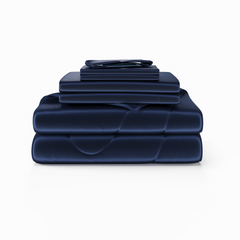
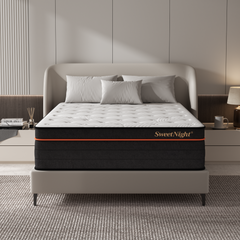

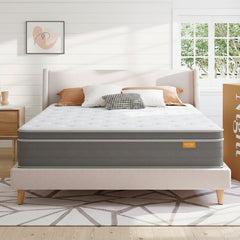
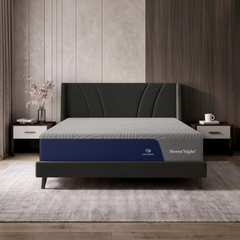
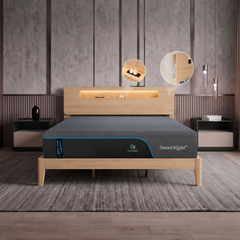
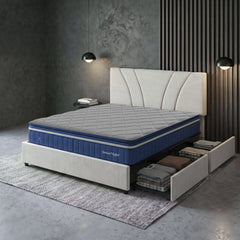
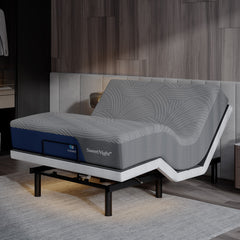
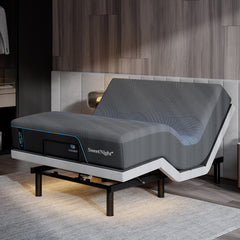










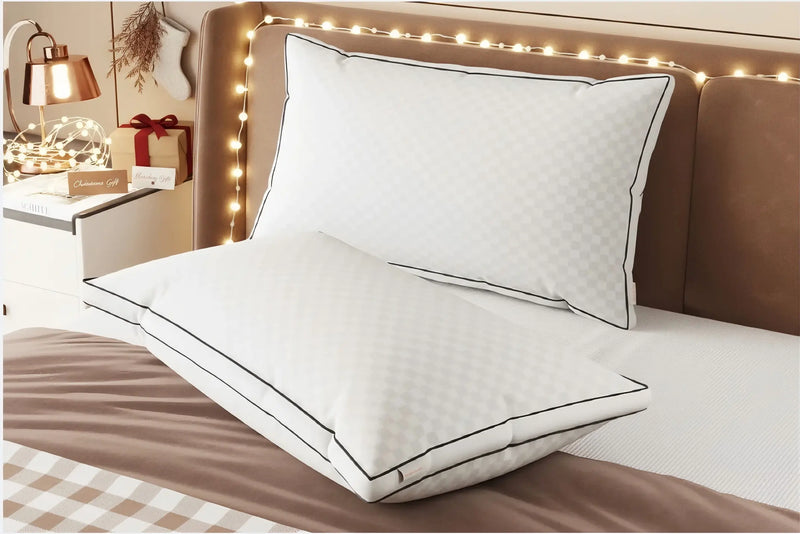
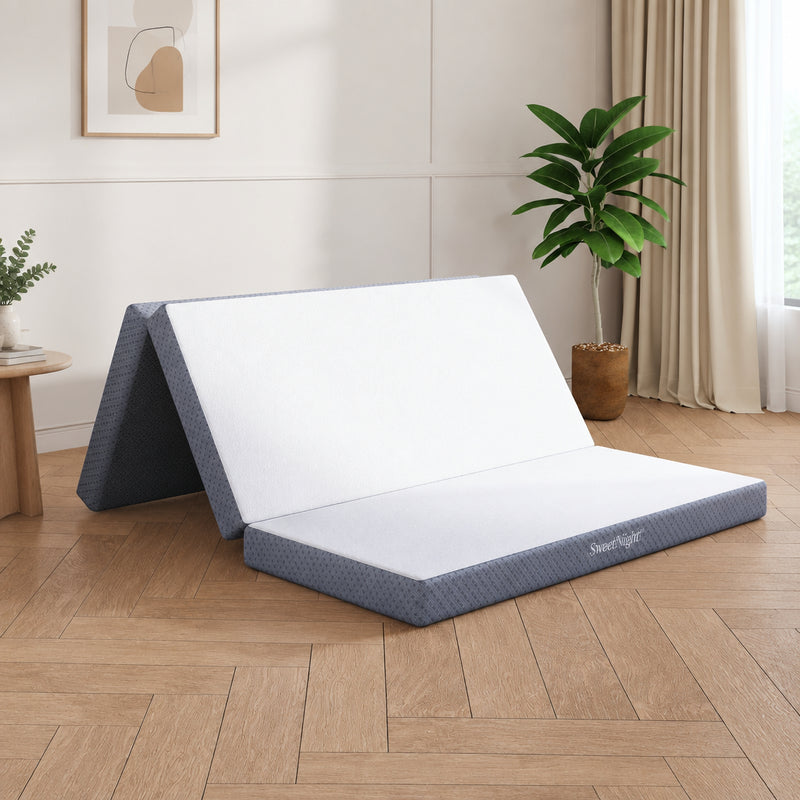

Sleep shouldn't be complicated. But mattress shopping has become overwhelming. Hybrid, memory foam, latex, firmness scales, cooling technology—it's endless. You just want something comfortable that won't wreck your back or your budget. Good news: finding the right mattress is simpler than the industry makes it seem. This guide gives you straight answers about what works, what doesn't, and what's actually worth your money. Whether you're dealing with back pain or just tired of your old mattress, we've got you covered.
What Is a Hybrid Mattress?
A hybrid mattress combines two types of support. The bottom layer uses metal coils or springs. The top layers use foam or latex. This design gives you bounce from the coils. It also gives you pressure relief from the foam. Most hybrids have three to five layers total. The coil layer provides airflow and support. The comfort layers above it cushion your body.
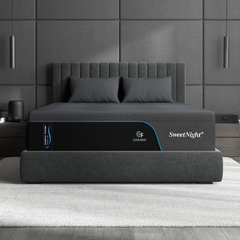
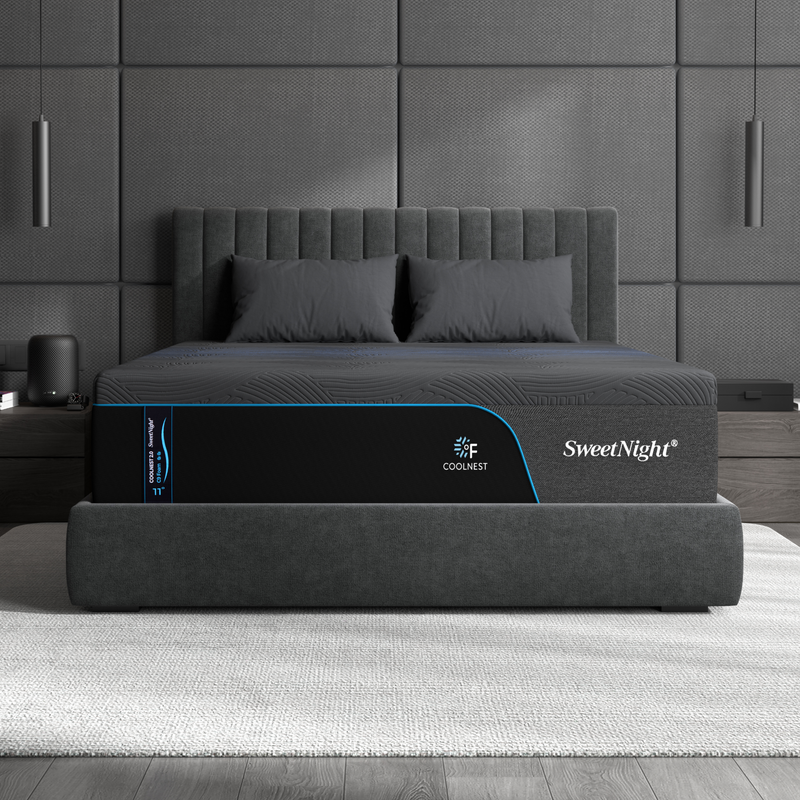
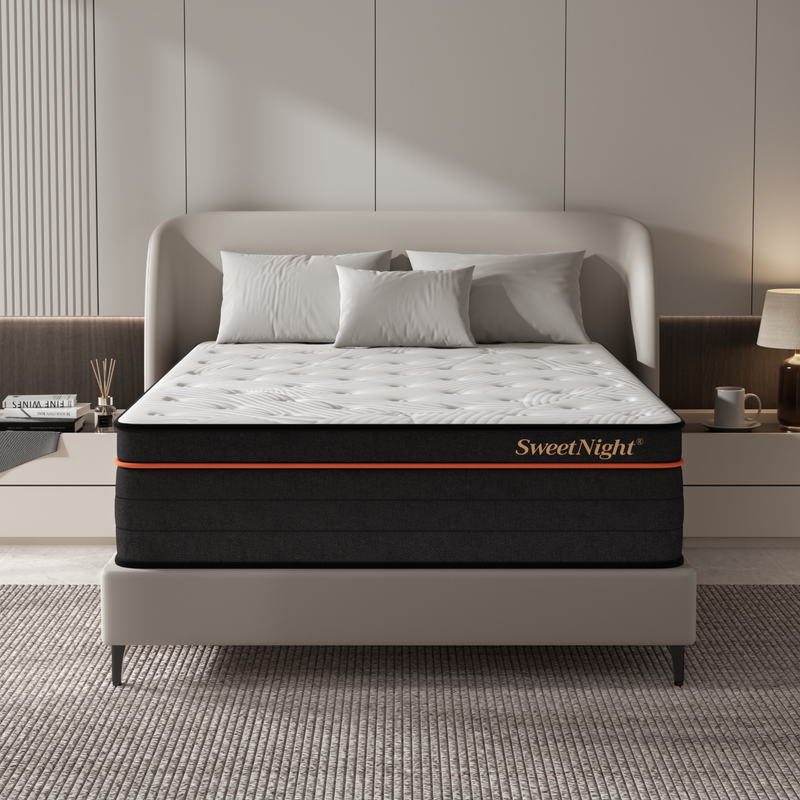
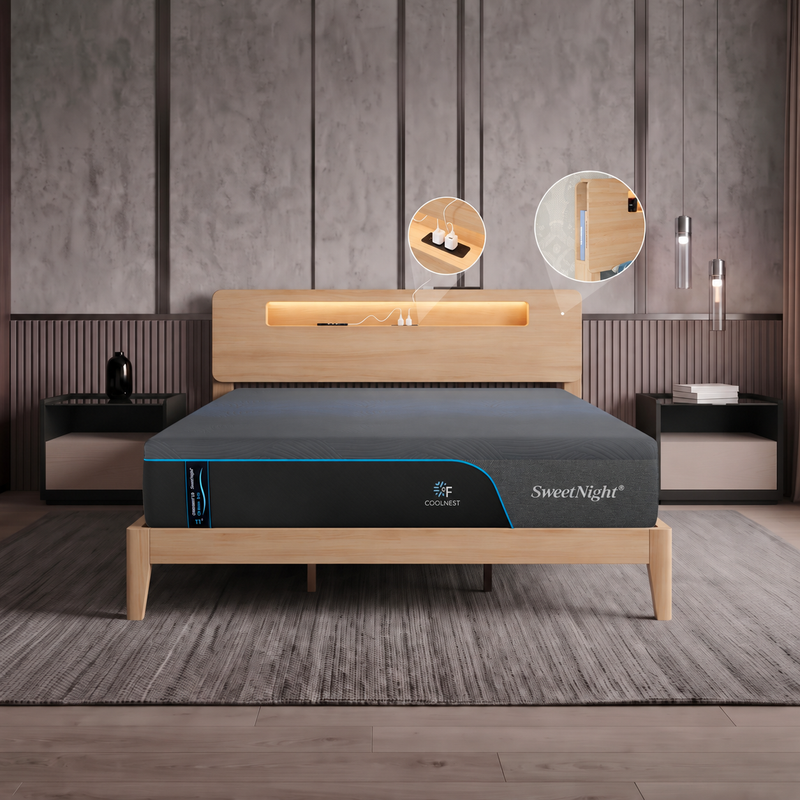
Take the SweetNight Gloaming Hybrid Mattress as an example. It uses 9.5 inches of individually pocketed coils at the base. Above that sits gel memory foam and bamboo charcoal foam. The coils give you support and breathability. The foam layers contour to your body. This setup keeps you cool while supporting your spine. That's exactly what a good hybrid should do.
Hybrid vs. Memory Foam vs. Innerspring: Which Wins?
A hybrid gives you coils plus foam. But does that make it better than pure memory foam or a traditional innerspring? Each type has its own strengths. Let's break down how they compare so you can figure out what works best for you.
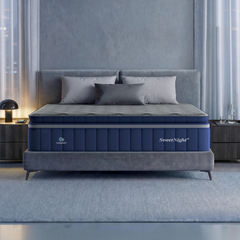
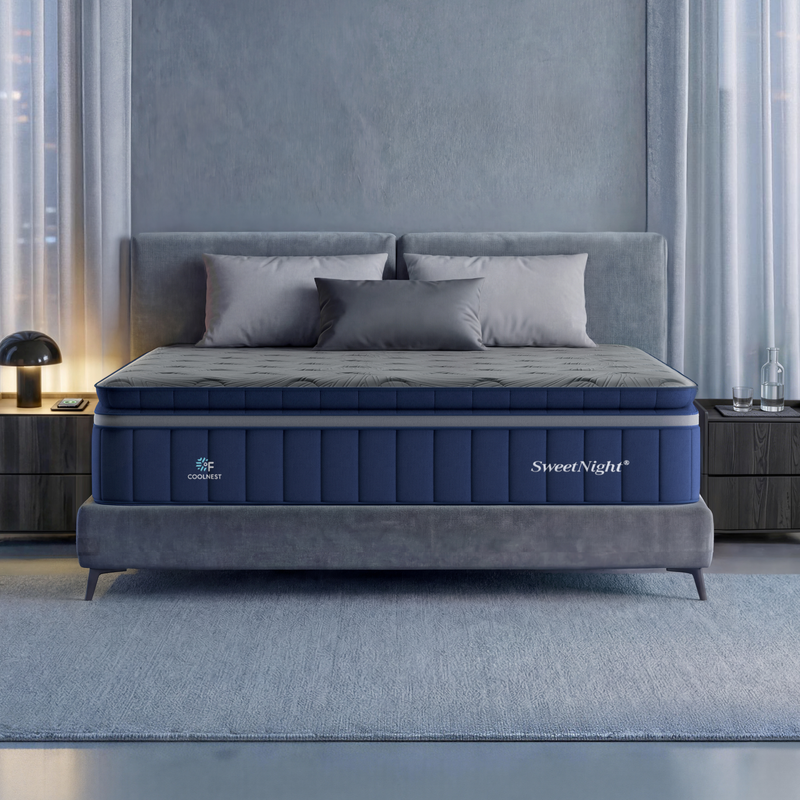
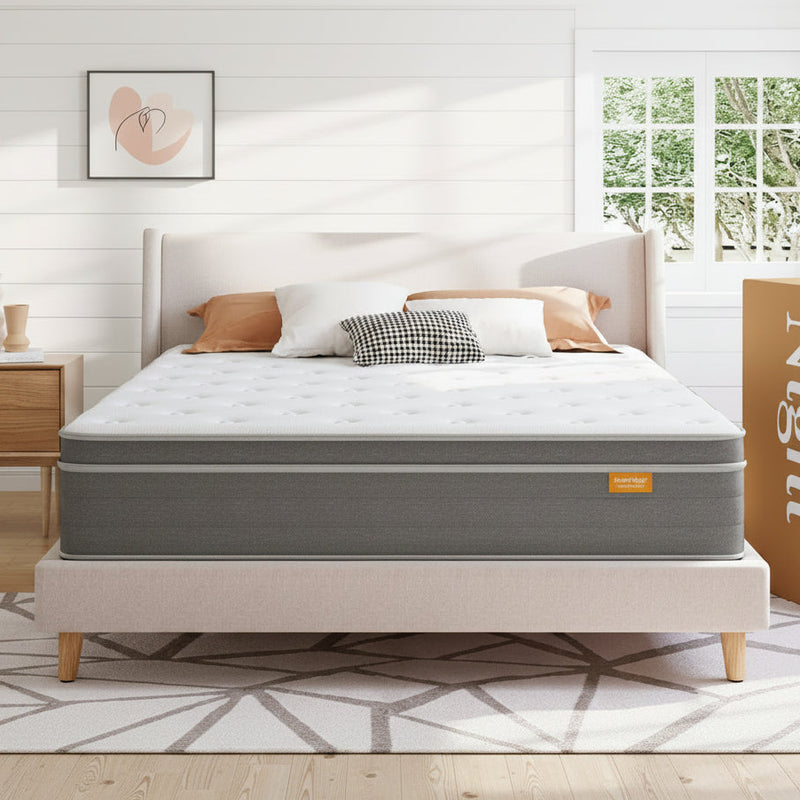
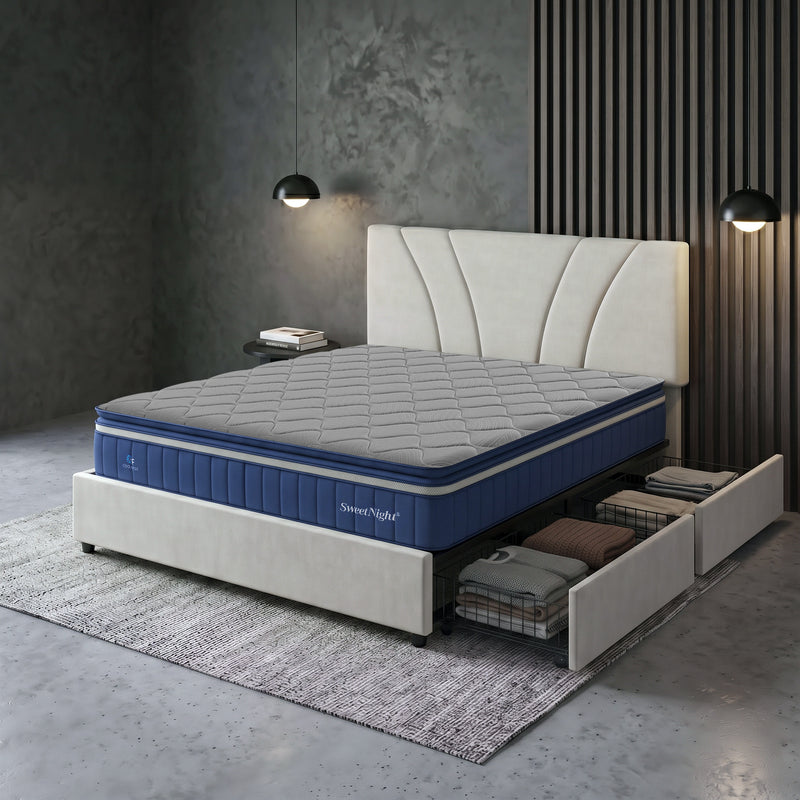
- Hybrid mattresses sleep cooler than pure memory foam. They offer better edge support too. You get pressure relief plus bounce. The SweetNight Island Hybrid Mattress shows this perfectly. Its gel-infused foam regulates temperature. The pocketed coils underneath provide airflow. You won't feel trapped or overheated.
- Memory foam mattresses hug your body closely. They absorb movement well. But they can trap heat. Some people feel stuck in them. They also lack the responsive bounce that hybrids offer.
- Innerspring mattresses are the most affordable option. They're bouncy and breathable. But they don't relieve pressure as well. They also transfer motion between partners. You'll feel every movement your partner makes.
Hybrids cost more than innersprings but less than luxury memory foam. They work well for most sleep positions. Couples especially like them. The combination of coils and foam solves problems that other mattress types can't fix alone.

Best Mattress for Back Pain: What Actually Works
So hybrids give you the best of both worlds. But what if your main concern is waking up with back pain? The mattress type matters, but firmness matters even more.
How Firm Should Your Mattress Be?
Doctors used to tell everyone to buy firm mattresses. New research shows that's wrong. Medium-firm works best for most back pain. Why? A mattress that's too firm creates pressure points. Your hips and shoulders don't sink in enough. A mattress that's too soft lets you sag. Your spine curves unnaturally.
Medium-firm keeps your spine aligned. It cushions pressure points without excessive sinking. The key is finding that sweet spot. Your spine should stay in a neutral position all night. No gaps under your lower back. No awkward curves in your neck or hips.
What Type of Mattress Helps Lower Back Pain?
- Hybrid mattresses top the list for back pain. The coils provide stable support. The foam layers cushion your lower back. This combination keeps your spine neutral. The SweetNight Island Hybrid Mattress takes this further with three-zoned support. It has enhanced support in the lumbar region. Your lower back gets extra attention where you need it most. The gel foam on top relieves pressure. The zoned coils underneath support your spine properly.
- Latex mattresses come in second. They're naturally supportive and responsive. They don't let you sink too far. They also last longer than foam. But they cost more than most hybrids.
- Memory foam can work if it's not too soft. Look for high-density foam. Cheap memory foam sags quickly. That makes back pain worse. It also traps heat and lacks support.
Avoid old-style innerspring mattresses. They don't contour to your body. Pressure builds up in your lower back. You'll wake up sore.
Do Side Sleepers and Back Sleepers Need Different Mattresses?
Yes, your sleep position matters a lot.
- Side sleepers need something softer. Your shoulders and hips stick out. They need to sink into the mattress. A medium or medium-soft mattress works best. This keeps your spine straight from the side. Too firm? Your lower back curves unnaturally. The SweetNight Gloaming Hybrid Mattress works well here. Its gel memory foam lets your shoulders sink in. The supportive layers below keep your spine aligned.
- Back sleepers need medium-firm support. Your lower back needs gentle support. Not too much sinking. The mattress should fill the gap under your lumbar area. Medium-firm keeps everything aligned. The Island Hybrid's zoned support system is perfect for this. The enhanced lumbar zone fills that gap. You get support exactly where your back needs it.
- Stomach sleepers need the firmest option. This prevents your hips from sinking too much. But stomach sleeping isn't great for your back anyway. Try switching positions if you can. Your neck twists unnaturally when you sleep on your stomach.
- Combination sleepers who switch positions need a hybrid. Why? Hybrids respond quickly when you move. Memory foam can make you feel stuck. The Island Hybrid Hybrid Mattress is designed for combo sleepers. It has enough give for side sleeping. It has enough support for back sleeping.
How to Choose the Best Mattress to Buy for Your Needs
Knowing what helps back pain is useful, but it's not the whole picture. Two people can both have back pain and need totally different mattresses. Why? Because your body weight and how you sleep change everything. Here's how to find what actually works for you.
1. Match Your Weight and Sleep Position
Your body weight changes everything about mattress shopping. It affects how deep you sink in. It determines what firmness you actually need.
- If you weigh under 130 pounds, go softer than average. A medium-soft to medium mattress works best. Why? You don't sink in as much. A firm mattress won't contour to your body. You'll create pressure points on your hips and shoulders.
- If you weigh between 130 and 230 pounds, you have the most options. Medium-firm works for most positions. Side sleepers in this range might prefer medium. Back sleepers usually like medium-firm. The SweetNight Gloaming Hybrid Mattress fits this weight range well. Its balanced foam and coil design supports without being too firm.
- If you weigh over 230 pounds, you need firmer support. You sink deeper into any mattress. A medium mattress might feel too soft for you. Look for hybrids with strong coil systems. Extra support foam helps too. The thicker the comfort layer, the better. You need that cushioning without bottoming out.
Your sleep position matters just as much. Combine your weight with your position. Heavy side sleepers need more cushioning than heavy back sleepers. Light back sleepers need less support than heavy back sleepers. Match both factors when you shop.
2. Get Quality Mattress Without Spending Thousands
You don't need thousands of dollars to sleep well. Solid mattresses start under $400. The key things to look for: pocketed coils, CertiPUR-US certified foam (no harmful chemicals), and a 10-year warranty. Both SweetNight Gloaming and Island Hybrid Mattresses run between $300 and $400. They come with gel foam, supportive layers, and proper safety certifications. You get everything you need at a fair price.
3. Check Trial Periods and Warranties Before Buying
A sleep trial is non-negotiable. Your body needs time to adjust. Never buy a mattress without at least 90 nights to test it. Here's what to look for.
- Sleep trial length: Make sure you get a sleep trial with your mattress. You need time to know if it's really right for you. Look for at least 90 to 100 nights. Most people figure it out within the first month, but having extra time means you can decide without rushing.
- Return process: Find out the return policy before buying. Some companies offer free pickup if the mattress isn't right for you. Others charge restocking fees or leave the disposal to you. Choose a brand that makes returns easy and doesn't charge you for changing your mind.
- Warranty length: You'll want at least 10 years of warranty protection. This covers issues like sagging and manufacturing defects. Pay attention to what's included—some warranties only kick in for serious sagging, while others are more generous. Better coverage gives you better peace of mind.

Where Does Your Old Mattress Actually Go?
Americans throw out about 20 million mattresses every year. Most of them go straight to landfills. How much space does that take up? Around 132,000 square miles. That's roughly the size of New Mexico. Here's the problem: only 5% of old mattresses get recycled. The rest just sit there. This happens even though 80% of mattress parts can be reused.
How Long Before a Mattress Breaks Down?
Your old mattress won't disappear anytime soon. It takes 80 to 120 years to decompose in a landfill. The metal springs rust very slowly. Foam breaks down into tiny plastic pieces. Synthetic fabrics release chemicals as they rot. Memory foam is even worse. Why? It's made from petroleum products that don't break down naturally.
What to Do With Your Old Mattress
Free Ways to Recycle Your Mattress
Getting rid of your old mattress doesn't cost anything if you know where to look.
- Check your city's waste management website first. Most cities have free drop-off spots or will pick it up from your curb on certain days.
- You can also visit Earth911.com and type in your zip code to find recycling centers near you. Just call ahead to make sure they'll take it.
- Live in California, Connecticut, or Rhode Island? These states will pick up your old mattress for free. They add a small fee when you buy a new one, but the actual pickup costs nothing. Worth checking if your state has a similar program.
Can You Donate Your Old Mattress?
Maybe, but it's harder than you'd think. Most charities won't take used mattresses because of health rules and bed bug concerns. But you might have luck with Habitat for Humanity ReStores if your mattress is spotless with no stains, rips, or sagging. Call your local store first since they all have different rules. Furniture banks and some homeless shelters take them too, but they're picky about condition and age. Always call before showing up.
Never leave your mattress on the curb without checking your local laws. Cities can fine you $500 or more for illegal dumping. Just arrange a proper pickup instead. It takes five minutes and saves you a lot of trouble.
FAQ About Buying the Best Mattress
Q1: What is the best mattress to buy for combination sleepers?
A medium-firm hybrid mattress works best. Hybrids respond quickly when you change positions at night. Memory foam makes you feel stuck. The SweetNight Island Hybrid Mattress is designed for combo sleepers. It cushions your side but supports your back. The pocketed coils let you move easily. Avoid anything too soft or too firm.
Q2: Are environmentally friendly mattress brands worth the extra cost?
It depends on your priorities. Eco-friendly mattresses cost 20% to 40% more. The sleep quality is often similar to regular mattresses. If reducing environmental impact matters to you, then yes. Many mid-range brands now include CertiPUR-US certified foam and OEKO-TEX fabrics. These mean no harmful chemicals. You get safer materials without paying organic prices.
Q3: How long should a hybrid mattress last?
A good hybrid should last 7 to 10 years. Budget hybrids under $800 last 6 to 7 years. Mid-range hybrids last 8 to 10 years. Your weight affects lifespan. Heavier sleepers wear them out faster. Rotate your mattress every 3 to 6 months. This prevents uneven wear and helps it last longer.
Q4: Can a new mattress really help with chronic back pain?
Yes, but it's not a miracle cure. Studies show medium-firm mattresses reduce back pain by 48% to 55%. A supportive mattress keeps your spine aligned while you sleep. Look for hybrids with extra lumbar support. Give your body 3 to 4 weeks to adjust. Your back might hurt slightly at first. This is normal. If pain continues after a month, try a different firmness level.
Ready to Find Your Perfect Mattress?
Shopping for a mattress doesn't have to stress you out. You now know what to look for, whether you need something supportive for back pain or want an eco-friendly option.
Don't forget to recycle your old mattress through local programs. Use those 100-night trials to make sure you got it right. Better sleep is just one decision away.