













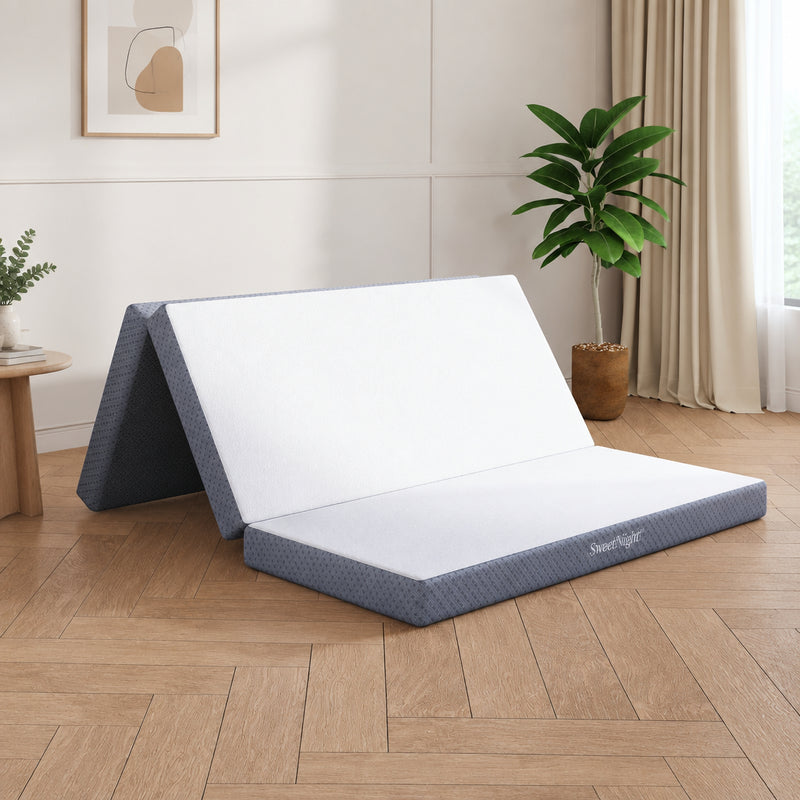

Waking up with back pain shouldn't be your morning routine. If you're constantly hitting snooze because getting out of bed feels like a punishment, your mattress might be the problem. Let's talk about how the right mattress can actually help your back instead of hurting it.
What Makes a Mattress Good for Spine Alignment?
Support vs. Comfort: You Need Both
A good mattress does two things at once. The bottom layers keep your body from sinking too deep and maintain your spine's natural shape. The top layers give you some cushioning so your shoulders and hips don't feel like they're getting jabbed all night.
If a mattress is too firm, it's like sleeping on the floor—your pressure points get no relief and you'll wake up sore. If it's too soft, you sink in too far and your spine curves in ways it shouldn't. The sweet spot is somewhere in the middle, where you get support AND comfort.
Finding Your Right Firmness Level
Here's the thing: there's no one "perfect" firmness for everyone. What works for you depends mainly on how much you weigh and how you sleep.
- If you're on the lighter side (under 130 lbs): You'll probably want something medium-soft. You don't have enough body weight to really sink into firmer mattresses, so they'll feel too hard and won't contour to your body properly.
- If you're heavier (over 230 lbs): Go firmer. You need more support to keep from sinking too deep, which would put your spine in a bad position. A firmer mattress will hold you up better.
- If you're somewhere in the middle: A medium-firm mattress usually works best. You get enough support to keep your spine aligned but still enough give to relieve pressure on your shoulders and hips.
Think of it this way—the right firmness is when you feel like you're sleeping "on" the mattress, not "in" it, but you're still comfortable.
Best Mattress Types for Back Pain Relief
Let's break down the main mattress types and how they stack up for spine support.
Memory Foam Mattresses for Spine Support
Memory foam contours to your body shape, which means it can provide excellent pressure relief and support your spine's natural curve. The key is getting high-density memory foam that won't let you sink too far.
The downside? Traditional memory foam can sleep hot. If you're considering memory foam, look for gel-infused options that help with temperature regulation.
Hybrid Mattresses: Best of Both Worlds
Hybrid mattresses combine memory foam layers with pocketed coils underneath. This gives you the contouring comfort of foam with the responsive support of springs.
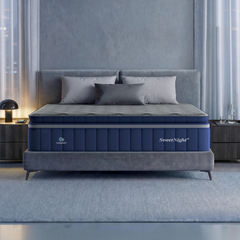
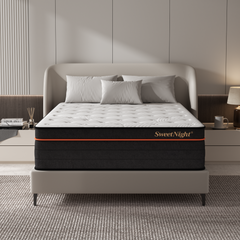
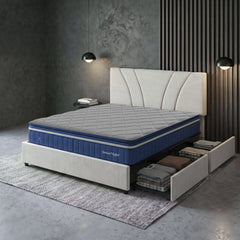
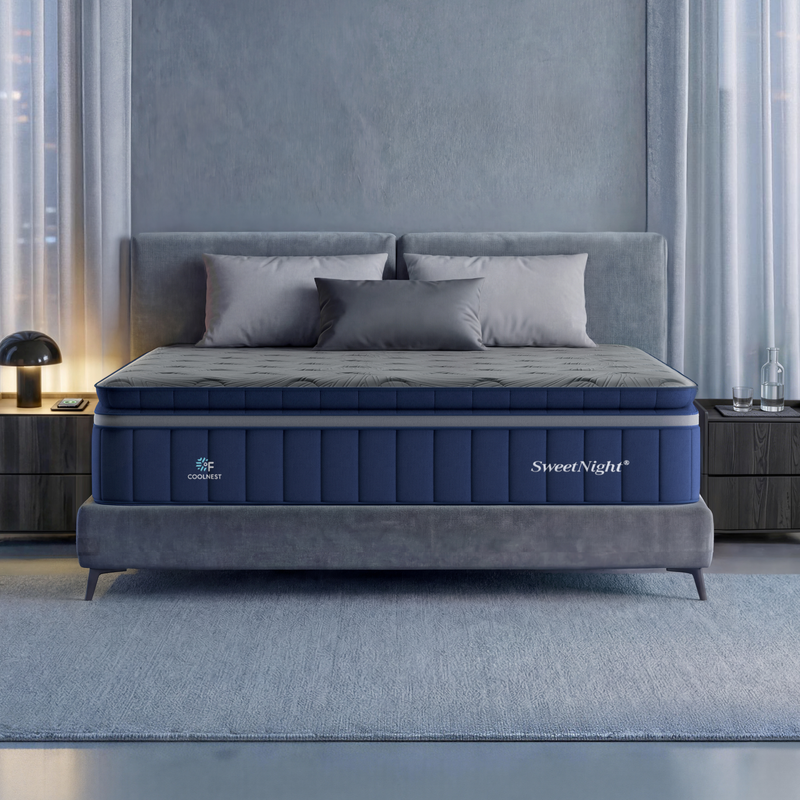
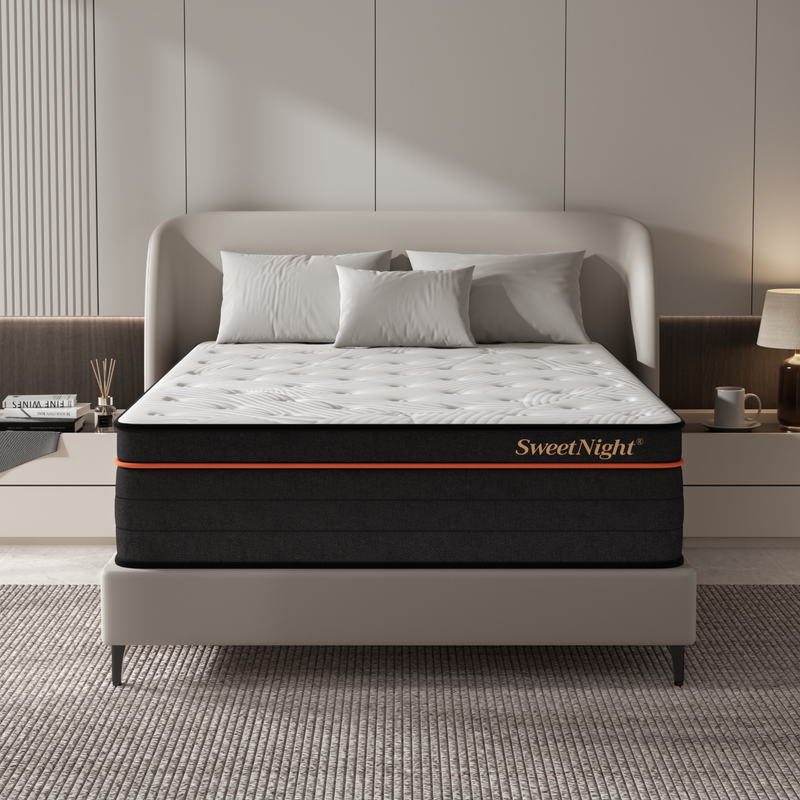
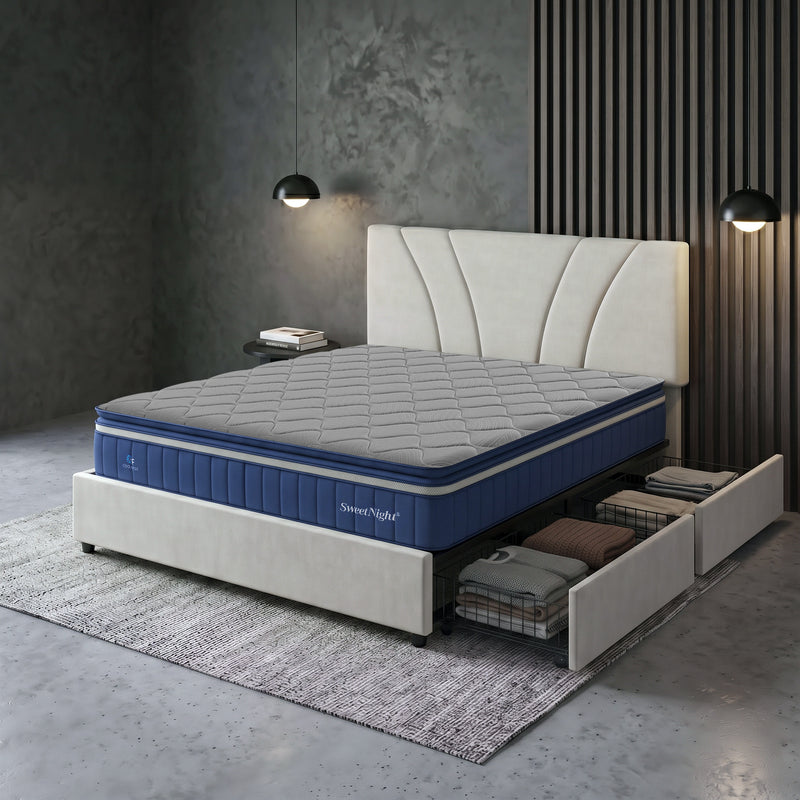
For many people dealing with back pain, hybrids offer the ideal balance. The coils provide strong foundational support, while the foam layers cushion pressure points. The SweetNight Twilight Hybrid Mattress is a good example of this approach, combining multiple layers of high-density memory foam with individually pocketed coils for targeted support and motion isolation.
Latex Mattresses for Natural Alignment
Latex offers a naturally responsive feel. It's bouncier than memory foam and tends to sleep cooler. Latex mattresses provide good support while still contouring to your body, and they're typically very durable.
The main drawback is price. Quality latex mattresses usually cost more than memory foam or hybrid options.
Innerspring vs. Modern Options
Traditional innerspring mattresses with just a thin comfort layer usually don't cut it for back pain. They lack the pressure relief and contouring that help maintain proper alignment. Most people with back issues do better with foam, hybrid, or latex mattresses that offer more sophisticated support systems.

How to Choose the Best Mattress for Spine Alignment by Sleep Position
Your sleeping position dramatically affects what type of mattress will work best for your spine.
1. Best Mattress for Side Sleepers with Back Pain
Side sleepers need extra cushioning for their shoulders and hips since these points bear most of your body weight in this position. Look for a medium to medium-soft mattress that allows these areas to sink in slightly while supporting your waist.
2. Best Mattress for Back Sleepers
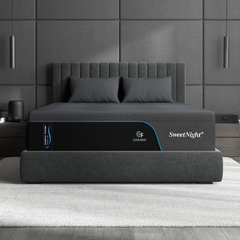
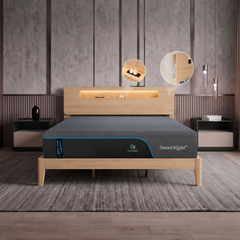
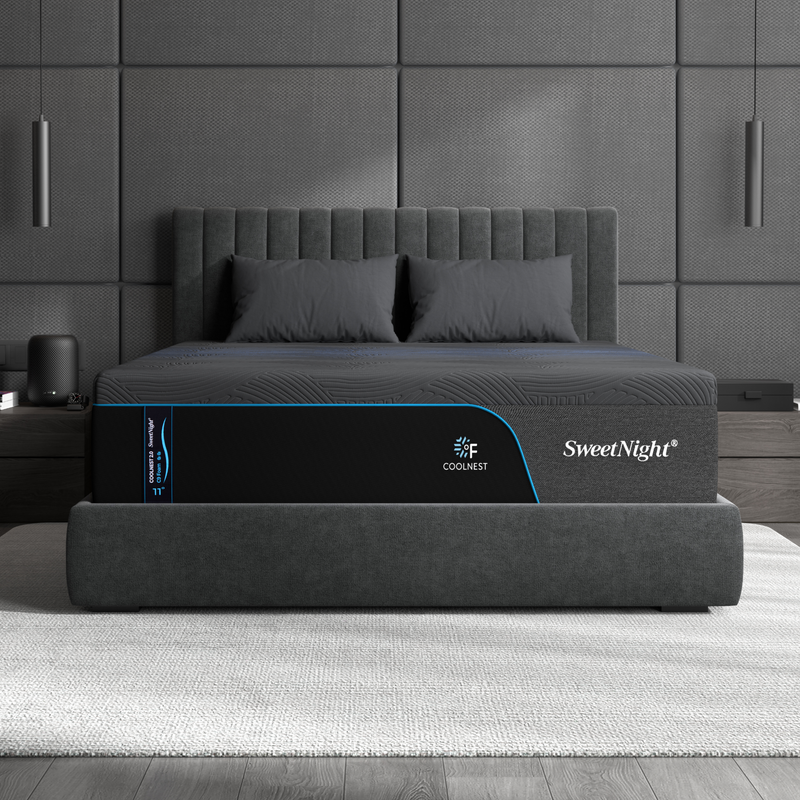
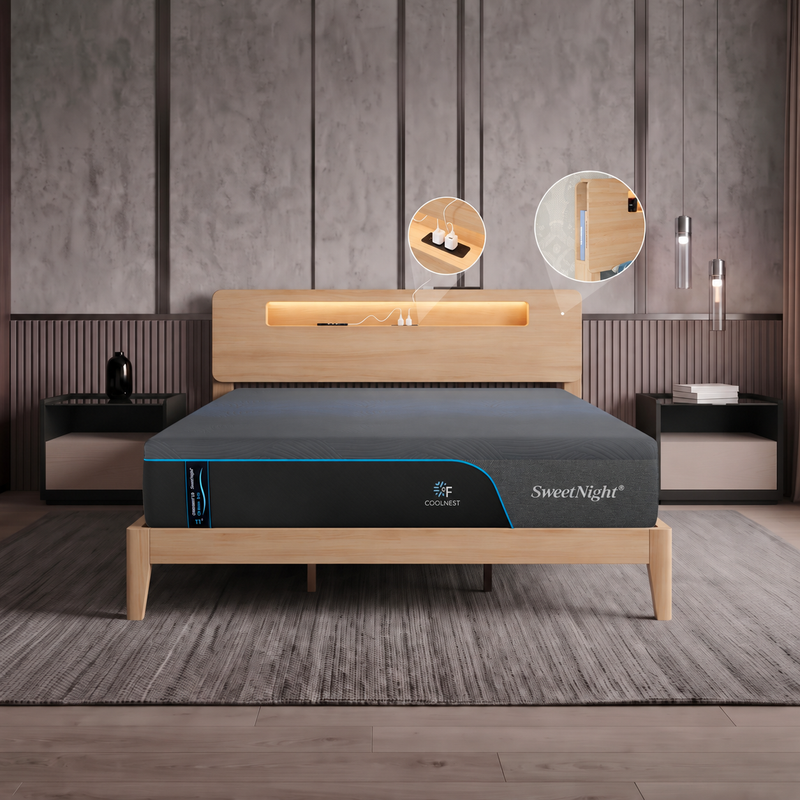
Back sleepers need a mattress that supports the lumbar region (lower back) without letting the hips sink too far. A medium-firm mattress usually works well, providing support while maintaining the spine's natural curve. If you want support engineered specifically for this, a 7-zone memory foam mattress like the CoolNest Ultra uses precision zoning to hold your lower back and hips in proper alignment.
3. Best Mattress for Stomach Sleepers
Stomach sleeping can be tough on your back, but if that's your preferred position, you need a firmer mattress. This prevents your hips from sinking too far and creating an unnatural arch in your lower back.
4. Combination Sleepers: What to Look For
If you move around a lot during the night, you need a mattress that works for multiple positions. A medium-firm hybrid mattress is often the best bet, offering enough support for back and stomach sleeping while still cushioning side-sleeping positions.
Top Features to Look for in a Spine Align Mattress
Beyond basic firmness and material type, several features can make a big difference for spine health.
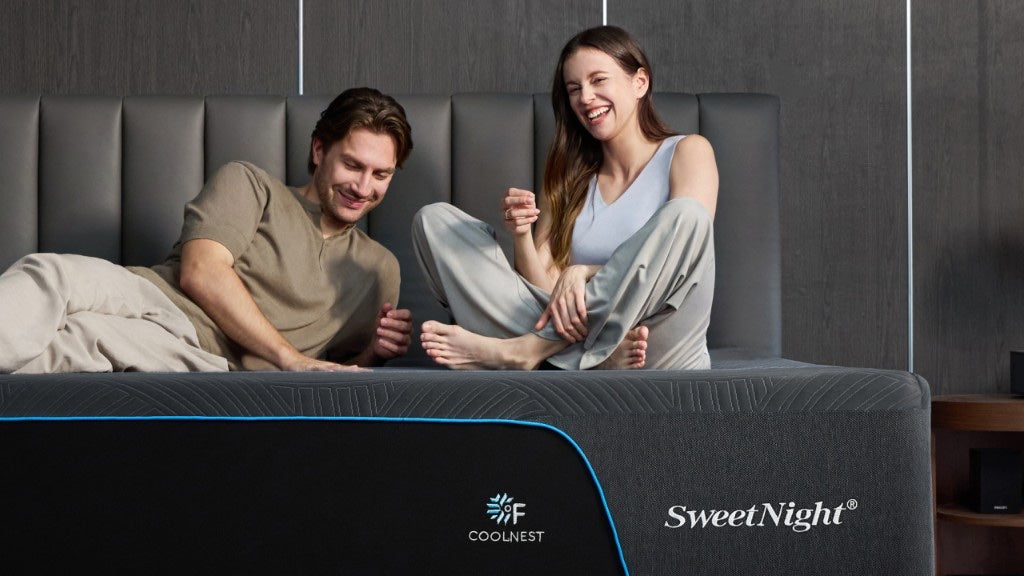
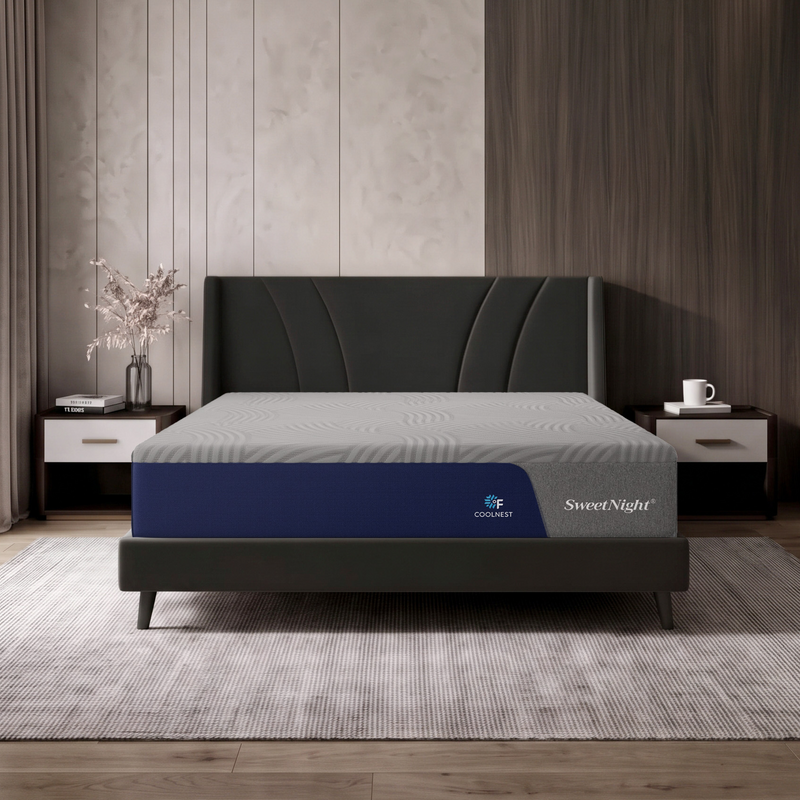
- Zoned support systems divide the mattress into different firmness zones. For example, firmer under your torso for support, softer under your shoulders and hips for pressure relief. The SweetNight CoolNest Mattress uses a 5-zone support system with 9 comfort bars designed to target pressure points from head to toe, and it's even endorsed by the American Chiropractic Association.
- Edge support matters more than you might think. Good edge support means you can use the entire surface of your mattress without feeling like you're going to roll off. This is especially important for couples or anyone who sits on the edge of their bed.
- Pressure relief at your hips and shoulders is critical. These areas carry the most weight when you sleep on your side, and inadequate cushioning here can lead to pain and poor alignment.
- Temperature regulation might seem unrelated to back pain, but staying cool helps you sleep more deeply and move less during the night. Less tossing and turning means better spine alignment throughout the night.
How to Test if a Mattress Supports Spine Alignment
Shopping for a mattress online means you can't test it in person first, but that's actually not a problem. Here's how to make sure you're getting the right one.
Take Full Advantage of Sleep Trials
Pretty much every online mattress company offers a sleep trial, usually around 100 nights. This isn't just a nice perk—it's how you actually figure out if the mattress works for your back.
Don't make a snap judgment in the first week. Your body needs time to adjust to any new mattress, even a good one. Sometimes you'll feel a little different for the first few nights as your muscles adapt to the new support. Give it at least 3-4 weeks before deciding whether to keep it or return it.
Track How You Feel
Here's a simple trick: keep notes on your phone about how you feel each morning. You don't need to write an essay—just a quick note like "woke up with less stiffness" or "lower back feels tight."
Pay attention to these things:
- How do you feel when you first wake up? Refreshed or achy?
- Are you tossing and turning less during the night?
- Is your existing back pain getting better, staying the same, or getting worse?
- Do you notice yourself waking up in the middle of the night to adjust your position?
After a few weeks, you'll have a clear picture of whether the mattress is helping.
Signs Your Mattress Is Working
You'll know you've found the right mattress when you wake up feeling actually rested instead of like you need to stretch for 10 minutes before moving. Your back pain should be improving or gone, and you shouldn't feel like you're constantly fighting to find a comfortable position at night.
Red Flags to Watch For
Return the mattress if you're waking up with new aches and pains that you didn't have before, especially in your neck, shoulders, or lower back. If you feel like you're sinking too far into the mattress or like you're sleeping on a board, that's your body telling you the firmness isn't right.
Also watch for visible sagging or indentations where you sleep. A good mattress shouldn't develop body impressions deeper than 1.5 inches, even after months of use.
The bottom line: use that sleep trial period. It's there for a reason, and there's no shame in returning a mattress that doesn't work for your body. Finding the right mattress is about how it feels after a month, not after one night.

Best Mattress Accessories for Spine Health
Getting the right mattress is huge, but a few other things can really help your back feel better too.
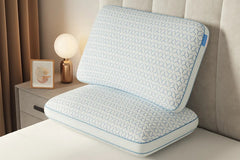
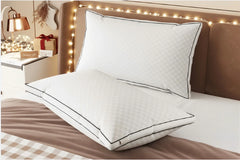
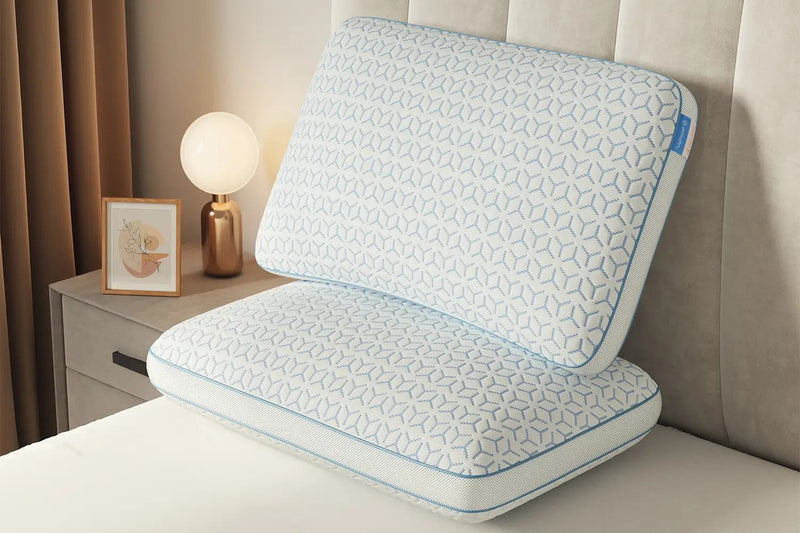
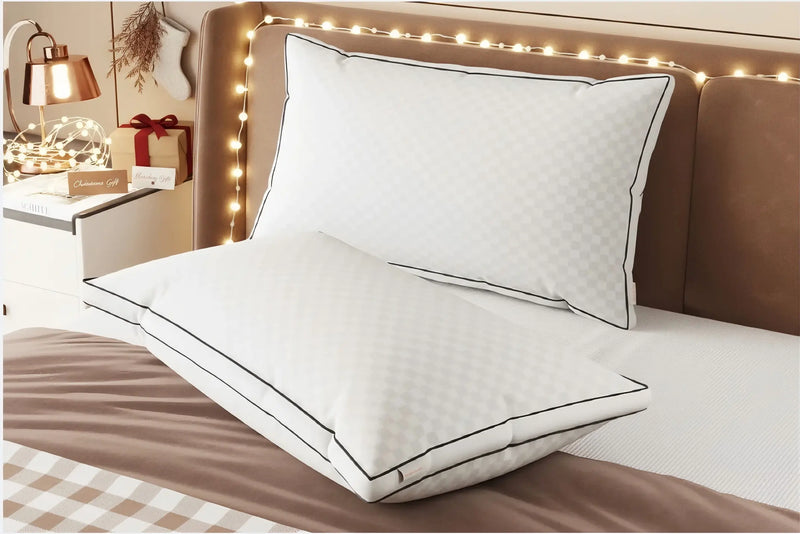
1. Pillow
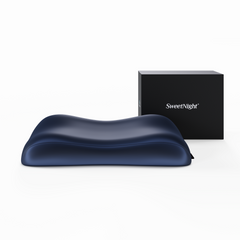
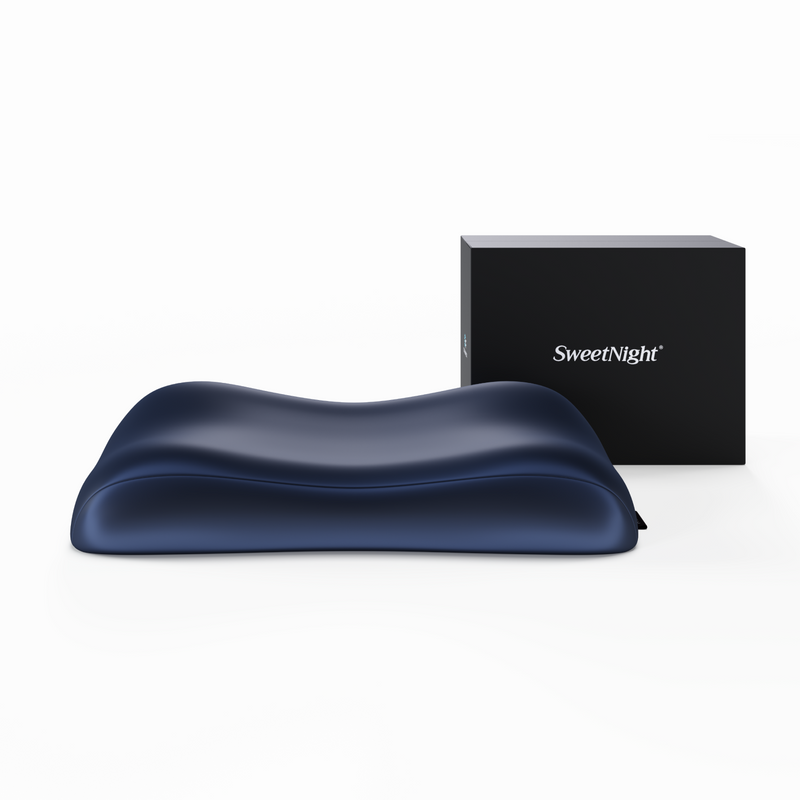
Your pillow matters just as much as your mattress. If your pillow is too high or too flat, your neck gets bent at a weird angle all night, which can cause pain in your neck, shoulders, and even down into your back.
Here's what works for different sleeping positions:
- Side sleepers: You need a thicker, firmer pillow to fill the space between your shoulder and head. Your neck should stay level with your spine, not tilted up or down.
- Back sleepers: Go for medium thickness. You want your head supported but not pushed too far forward.
- Stomach sleepers: Use a thin pillow or skip it altogether. Too much height here puts a strain on your neck.
If you wake up with neck stiffness or find yourself folding your pillow to get comfortable, it's probably time for a new one.
2. Mattress Topper
A mattress topper isn't going to save a terrible mattress, but it can help in certain situations. If your mattress is still relatively new but feels a bit too firm, a 2-3 inch memory foam or latex topper can add some cushioning. Or if your mattress is getting older and you need to buy yourself some time before replacing it, a topper might help for a few months.
Just be realistic—if your mattress is sagging or more than 8 years old, you're better off replacing it than trying to patch it up with a topper.
3. Adjustable Bases
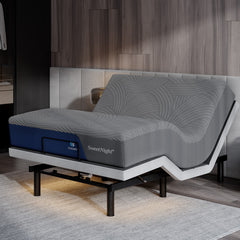
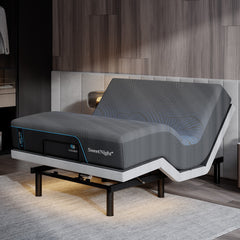
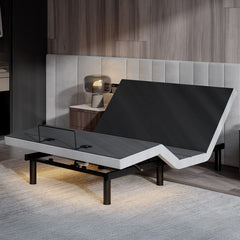
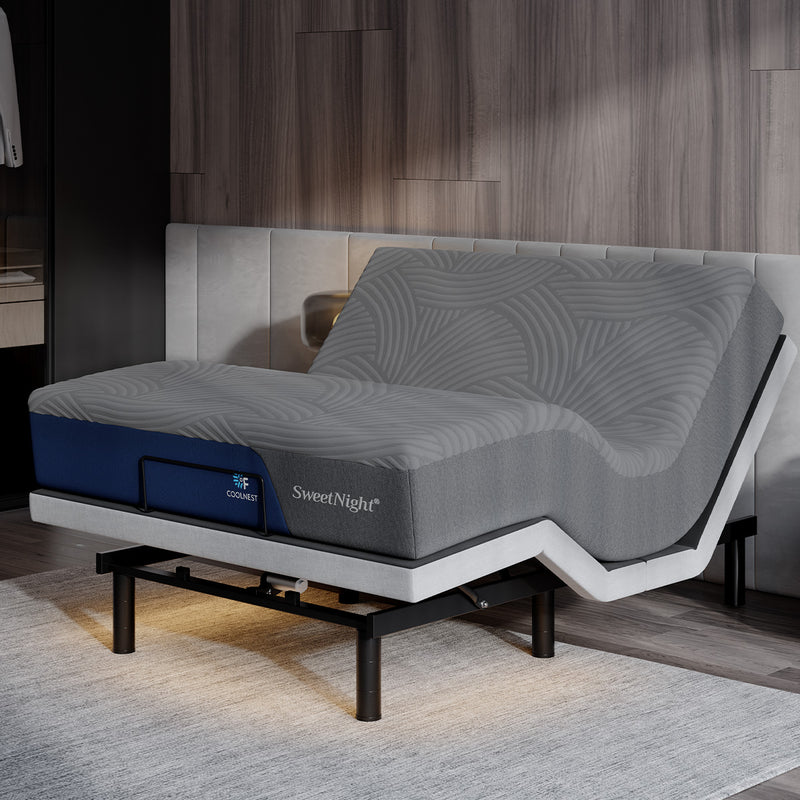
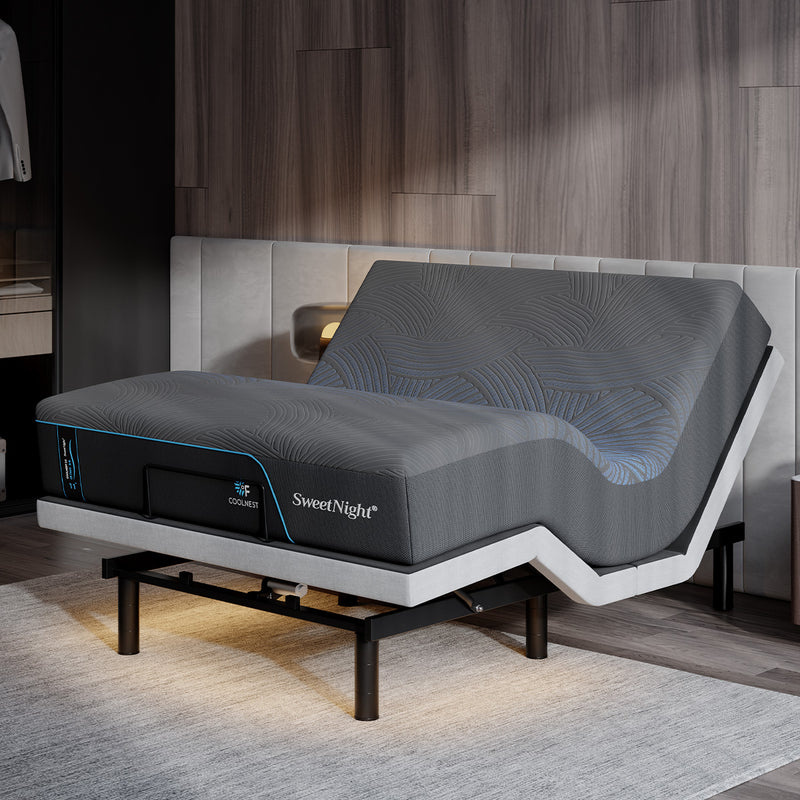
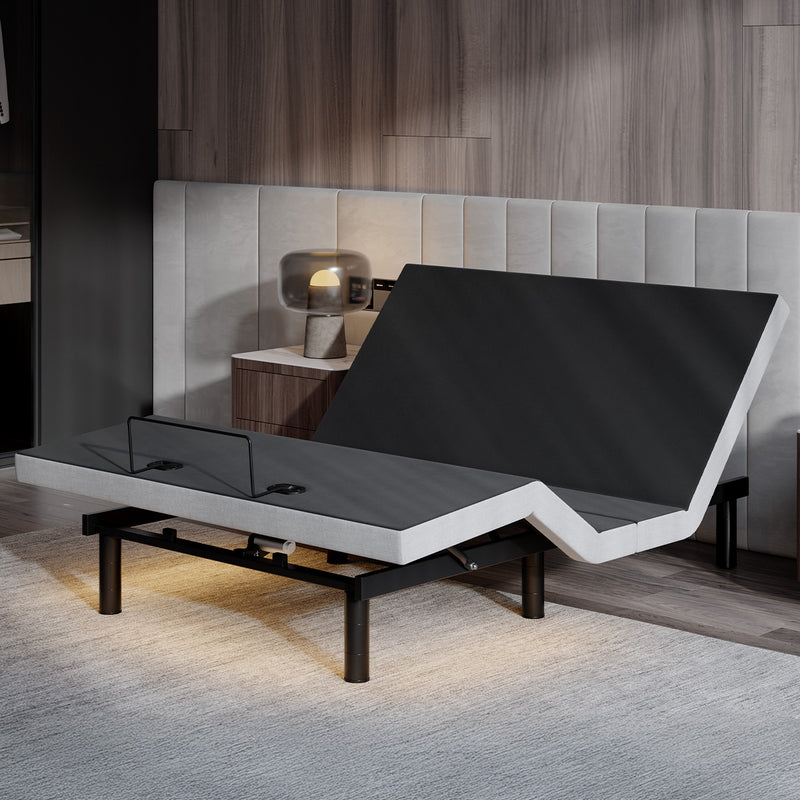
These aren't necessary for most people, but if you have chronic lower back pain, an adjustable base can be a game-changer. Being able to elevate your head slightly or put your knees up takes pressure off your lower back.
They're not cheap, so this is more of an option if regular mattresses alone haven't solved your back issues. Some people with conditions like sciatica or acid reflux find them really helpful.
If you're comparing mattresses after reading this, here's where each CoolNest® model fits:
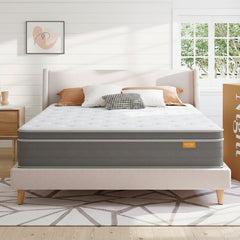
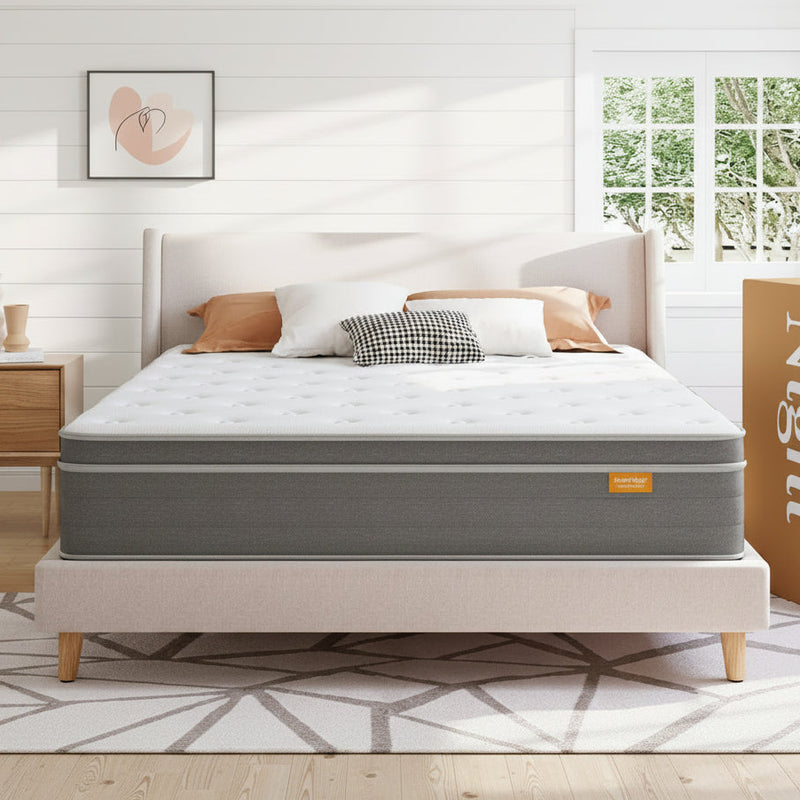
- CoolNest® Hybrid Mattress: pocketed coils under a DuoSense™ pillow top. Pick this one if you want bounce, firm edges and less partner motion.
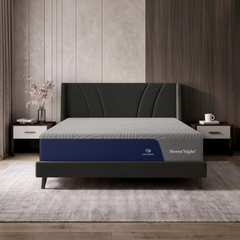
- CoolNest® Memory Foam Mattress: the lowest-priced model in the range, all-foam with 5-zone support and a breathable 3D-woven cover.
- CoolNest® Pro and CoolNest® Ultra: the step-up foam models, with PCMflux® temperature-regulating foam and 7-zone support. Ultra adds AirMesh™ foam and feels up to 11° cooler.
- Current prices on every size and thickness are on the Fall Sale page, or browse all mattresses.
Frequently Asked Questions
Q1: How firm should a mattress be for back pain?
Medium-firm is the sweet spot for most people with back pain. Studies show that a medium-firm mattress (around 5-7 on a 10-point scale) helps reduce back pain better than very firm mattresses. However, your ideal firmness depends on your body weight and sleeping position.
Q2: Can a mattress topper fix spine alignment issues?
A topper can help slightly adjust the feel of your mattress, but it can't fix fundamental support problems. If your mattress is sagging or completely wrong for your needs, you'll need a new mattress, not just a topper.
Q3: How long before a new mattress helps back pain?
Most people notice improvement within 2-4 weeks of switching to a proper mattress. However, if you're experiencing serious back issues, a new mattress alone might not be enough. Consider consulting with a healthcare provider about your back pain.
Q4: What's the best mattress for lower back pain specifically?
For lower back pain, look for a mattress with good lumbar support. Medium-firm hybrids and memory foam mattresses with zoned support often work well because they support your lower back while cushioning your hips and shoulders.
Q5: Do orthopedic mattresses really work?
"Orthopedic mattress" is mostly a marketing term without a standard definition. What matters is whether the mattress maintains proper spine alignment and provides adequate support for your body type and sleeping position, regardless of what it's called.
Investing in Your Spine Health Starts Tonight
Your mattress plays a huge role in your back health, but you don't have to guess which one is right for you. Take advantage of sleep trials offered by most mattress companies. A 100-night trial gives you plenty of time to see if a mattress truly helps your back pain.
Before you buy, use this quick checklist:
- Does the mattress match your body weight and sleeping position needs?
- Does it have the support features you need (zoned support, good edge support)?
- Does the company offer a legitimate sleep trial and warranty?
- Have you read reviews from people with similar body types and back issues?
- Does the price fit your budget while still meeting quality standards?
Remember, the best mattress for spine alignment is the one that keeps your spine neutral while you sleep, provides pressure relief where you need it, and helps you wake up feeling better than when you went to bed. Don't settle for morning back pain when the solution might be as simple as upgrading your mattress.