


















Puntos clave
- Un colchón es la base de apoyo de tu cama. Un cubrecolchón solo ajusta la sensación de la superficie.
- Un cubrecolchón no puede arreglar un colchón hundido o desgastado. Ese problema necesita un reemplazo.
- Un cubrecolchón es la solución más barata y más inteligente cuando tu cama es de apoyo pero demasiado firme, ligeramente incómoda o un poco cálida.
- Compra un colchón nuevo si tu cama tiene siete o más años, está hundida o te causa un dolor de espalda profundo relacionado con el soporte.
- Las personas que sienten mucho calor al dormir necesitan un colchón refrescante, no solo un cubrecolchón refrescante.
- Para muchas personas, la mejor respuesta es ambas: un colchón de apoyo debajo y un cubrecolchón de confort encima.
Te levantas dolorido. O con calor. O te das la vuelta y sientes ese hundimiento en tu lado de la cama que se ha ido haciendo más profundo durante un año. Algo en tu configuración de sueño no está funcionando, y has llegado al mismo cruce de caminos al que la mayoría de los compradores cansados acaban llegando: ¿compras un colchón completamente nuevo, o simplemente pones un cubrecolchón en el que ya tienes y esperas que funcione?
Es una pregunta justa, y la respuesta importa más de lo que la mayoría de la gente cree. Los adultos necesitan al menos siete horas de sueño por noche, sin embargo, más de uno de cada tres adultos estadounidenses dice que no las consigue, según los CDC. Una gran parte de esa deficiencia se debe a la superficie en la que se duerme. Hazlo bien y te quedarás dormido más rápido, dormirás más tiempo y te despertarás sin ese dolor de espalda baja. Hazlo mal y lo pagarás cada mañana.
Así que vamos a zanjar el debate entre colchón y cubrecolchón correctamente. Esta guía desglosa lo que cada uno hace realmente, lo que te cuesta a lo largo del tiempo, qué problemas de sueño resuelve cada uno, y las situaciones en las que uno es claramente la compra más inteligente. Al final, sabrás exactamente qué camino se adapta a tu cuerpo, tu cama y tu presupuesto.

¿Cuál es la verdadera diferencia entre un colchón y un cubrecolchón?
Comencemos con las definiciones, porque la gente las confunde constantemente.
Un colchón es la base de tu sueño. Soporta todo el peso de tu cuerpo, mantiene tu columna vertebral alineada y proporciona el soporte estructural sobre el que descansa todo lo demás. Un colchón de calidad está construido en capas: una capa de confort en la parte superior para amortiguación, espumas de transición en el medio y un núcleo de soporte denso o sistema de resortes en la parte inferior que realiza el trabajo pesado. Piensa en él como el motor de tu cama.
Un cubrecolchón es una capa extraíble, generalmente de dos a cuatro pulgadas de grosor, que se coloca sobre tu colchón existente. Su trabajo es ajustar la sensación de la superficie que ya tienes. Un cubrecolchón puede hacer que una cama demasiado firme sea más suave, agregar un poco de contorno para aliviar la presión o introducir una capa refrescante si sudas al dormir. Lo que no puede hacer es reconstruir un sistema de soporte que ya ha fallado.
Aquí está la forma más clara de visualizarlo. El colchón decide si tu columna vertebral se mantiene en una línea saludable toda la noche. El cubrecolchón decide cómo se sienten las primeras dos pulgadas contra tu piel y caderas. Uno es estructural. El otro es cosmético, en el mejor sentido de la palabra.
La gente también confunde los cubrecolchones con los protectores de colchón, así que una nota rápida al respecto. Un protector de colchón es delgado, generalmente de menos de una pulgada, y está principalmente para proteger y dar un toque de suavidad. Un cubrecolchón es más grueso y cambia el rendimiento real de la cama. Si quieres un desglose más profundo de esa distinción, SweetNight lo cubre en esta guía sobre si los cubrecolchones valen la pena.
Colchón vs. Cubrecolchón: Una tabla comparativa
A veces solo quieres los hechos alineados uno al lado del otro. Así es como se comparan los dos en los factores que realmente impulsan una decisión de compra.
| Factor | Colchón | Cubrecolchón |
|---|---|---|
| Función principal | Soporte corporal completo y alineación de la columna vertebral | Ajusta la sensación de la superficie y la comodidad |
| Grosor | 8 a 16 pulgadas | 2 a 4 pulgadas |
| Precio típico | $300 a $2,000+ | $50 a $300 |
| Vida útil | 7 a 10 años | 3 a 5 años |
| ¿Repara una cama hundida? | Sí, reemplaza el problema | No, solo lo enmascara |
| ¿Repara una cama demasiado firme? | Sí | Sí, muy eficazmente |
| ¿Añade frescor? | Sí, si está diseñado para ello | Sí, con un cubrecolchón refrescante |
| Esfuerzo para instalar | Entrega, desempaque, expansión | Colocarlo, listo en minutos |
| Compromiso | Largo plazo | Bajo, fácil de cambiar o quitar |
| Ideal para | Camas desgastadas o sin soporte | Pequeños ajustes de comodidad o temperatura |

Lee esa tabla de arriba a abajo y salta a la vista un patrón. Un cubrecolchón es la solución de bajo costo y bajo compromiso para problemas pequeños. Un colchón es la inversión más grande que resuelve los problemas que un cubrecolchón no puede alcanzar físicamente. El truco está en saber qué tipo de problema tienes, y para eso es el resto de este artículo.
Cómo un colchón y un cubrecolchón afectan tu sueño
La comodidad acapara toda la atención, pero el soporte es lo que protege tu cuerpo. No son lo mismo, y comprender la diferencia es el corazón de la pregunta colchón vs cubrecolchón.
El soporte se trata de mantener tu columna vertebral en su curva natural mientras duermes. Cuando el núcleo de soporte de tu colchón está haciendo su trabajo, tus caderas no se hunden demasiado, tus hombros están bien apoyados y tu espalda baja se mantiene neutra. Cuando ese núcleo se deteriora, ninguna cantidad de acolchado suave en la parte superior te salvará. Puedes apilar tres pulgadas de espuma suave sobre una cama hundida y tu columna vertebral seguirá hundiéndose en el valle de abajo. La espuma se siente bien durante unos diez segundos y luego tu espalda dice la verdad.
Esto no es solo sabiduría popular. Un ensayo histórico publicado en The Lancet siguió a 313 adultos con dolor lumbar crónico y encontró que aquellos que dormían en un colchón de firmeza media tenían aproximadamente el doble de probabilidades de reportar mejoría en comparación con aquellos en uno firme. Una revisión sistemática posterior hizo eco de esto, informando que las superficies de firmeza media reducían el dolor de espalda en aproximadamente un 48 por ciento y mejoraban la calidad del sueño en aproximadamente un 55 por ciento en personas con dolor lumbar crónico. La conclusión es que el perfil de soporte de tu superficie para dormir tiene consecuencias clínicas medibles.
Un cubrecolchón juega en un carril diferente. Controla la comodidad, que es la sensación inmediata de la superficie, el contorno alrededor de los hombros y las caderas, y el alivio de la presión en los puntos donde tu cuerpo presiona más. Un buen cubrecolchón puede transformar una cama que se siente como una tabla en una que se siente como si te abrazara. Eso es real e importa, especialmente para las personas que duermen de lado y necesitan una mayor adaptabilidad en el hombro y la cadera.
Entonces, el encuadre honesto es este. Si el soporte de abajo es bueno y solo quieres ajustar la sensación, un cubrecolchón es tu herramienta. Si el soporte en sí ha desaparecido, necesitas un colchón nuevo y un cubrecolchón solo retrasará lo inevitable.
Costo del colchón vs. cubrecolchón: ¿Cuál te ahorra más dinero?
El dinero suele ser la voz más fuerte en esta decisión, así que vamos a analizar los números honestamente en lugar de simplificarlos.
Un cubrecolchón oscila entre los $50 aproximadamente por una losa de espuma básica y los $300 por un modelo premium de gel o látex. Un colchón de calidad nuevo suele costar entre $300 y $2,000 o más, dependiendo del tamaño, los materiales y la marca. Solo por el precio inicial, el cubrecolchón gana por mucho, y esa es exactamente la razón por la que tienta a tantos compradores.
Pero el precio de etiqueta es una forma incorrecta de pensarlo. Lo que importa es el costo por año de buen sueño. Observa lo que sucede cuando distribuyes el precio a lo largo de la vida útil.
| Escenario | Costo inicial | Vida útil | Costo por año |
|---|---|---|---|
| Cubrecolchón de gama media | $150 | 4 años | Aproximadamente $38 |
| Colchón de calidad | $700 | 8 años | Aproximadamente $88 |
| Cubrecolchón en un colchón estropeado | $150 | 1 año de alivio, luego de vuelta al punto de partida | Dinero que gastas dos veces |
Las dos primeras filas parecen razonables. La tercera fila es la trampa. Si colocas un cubrecolchón sobre un colchón que ya ha perdido su soporte, obtendrás unos meses sintiéndote un poco mejor, y luego el problema subyacente se reafirmará. Ahora de todos modos estás buscando un colchón, y has gastado el dinero del cubrecolchón para nada. Ese es el resultado más caro de todos, aunque comenzó como la compra más barata.
La regla general: un cubrecolchón es un verdadero ahorro de dinero cuando tu colchón está estructuralmente bien y solo se siente incómodo. Es un despilfarro de dinero cuando lo usas para evitar un reemplazo que realmente necesitas. La propia guía de grosores de colchones de SweetNight señala lo mismo. Un cubrecolchón puede darte un poco más de altura y comodidad por una fracción del costo, pero solo cuando la cama debajo de él todavía funciona.
Cuándo un cubrecolchón es la mejor opción para ti
Hay muchas situaciones en las que optar por un cubrecolchón es la decisión inteligente, económica y completamente correcta. Si te ves en esta lista, probablemente aún no necesites una cama completamente nueva.
- Tu colchón es demasiado firme. Este es el terreno del cubrecolchón. Un cubrecolchón de espuma viscoelástica o gel suave ablanda una superficie dura de maravilla y puede salvar una cama que, por lo demás, está en perfecto estado.
- El colchón es más nuevo y aún ofrece buen soporte. Si tu cama tiene solo unos pocos años y el núcleo se siente sólido, un cubrecolchón es una forma de bajo riesgo para ajustar la comodidad que deseas.
- Estás alquilando o te mudarás pronto. Los cubrecolchones son portátiles, fáciles de guardar y no te obligan a transportar un colchón. Los inquilinos los adoran precisamente por esta razón.
- Estás amueblando una habitación de invitados. Los invitados duermen en ella un puñado de noches al año. Un cubrecolchón sobre un colchón económico les proporciona una estancia cómoda sin que tengas que gastar mucho.
- Quieres una solución rápida para el calor. Un cubrecolchón refrescante puede aliviar el calor de una cama esta noche, sin necesidad de reemplazarla.
- Estás probando un cambio de firmeza. ¿Tienes curiosidad por saber si te gustaría una cama más blanda antes de comprometerte? Un cubrecolchón te permite probar la sensación a bajo costo antes de invertir en un colchón nuevo.
- Tu presupuesto es limitado en este momento. A veces, un reemplazo es la respuesta correcta a largo plazo, pero este mes no hay dinero. Un cubrecolchón es un puente razonable, siempre y cuando sepas que es un puente y no el destino.
Si la mayoría de estas casillas están marcadas, explora la colección de cubrecolchones de SweetNight y es probable que encuentres lo que necesitas por mucho menos que una cama nueva. Para una comparación de sensaciones entre opciones de dos, tres y cuatro pulgadas, la página de comparación de cubrecolchones lo explica claramente.
Cuando comprar un colchón nuevo es mejor que añadir un cubrecolchón
Ahora la otra cara. Un cubrecolchón tiene límites estrictos, y hay señales claras de que los has alcanzado. Cuando notes esto, un cubrecolchón es tirar el dinero a la basura, y un colchón nuevo es la respuesta.
- Tu colchón se hunde o tiene marcas corporales. Los hundimientos visibles, los valles o la forma de hamaca significan que el núcleo de soporte ha fallado. Un cubrecolchón no puede llenar un agujero estructural. Tu columna vertebral seguirá hundiéndose en él.
- Te despiertas con dolor que una superficie blanda no soluciona. Si la molestia proviene de la falta de soporte en lugar de la falta de amortiguación, una mayor suavidad en la parte superior puede empeorarlo.
- El colchón es viejo. La Sleep Foundation señala que, con un uso normal, los colchones deben reemplazarse generalmente cada seis u ocho años, y muchos duran hasta diez dependiendo de los materiales. Una vez que has superado ese período, los materiales simplemente están desgastados.
- Duermes mejor fuera de casa. Una señal fiable. Si las camas de hotel y la habitación de invitados de tu amigo se sienten notablemente mejor que tu propia cama, tu colchón es el problema.
- Puedes sentir los resortes o los bordes. Los resortes que sobresalen y un borde que se colapsa son signos de un desgaste avanzado que ningún cubrecolchón puede solucionar.
- Tu cuerpo o tu vida han cambiado. Cambios de peso, una nueva pareja que comparte la cama, embarazo, una lesión o un cambio en la posición para dormir pueden significar que tu viejo colchón ya no te conviene. Un cubrecolchón rara vez cubre esa brecha.
Si dos o más de estos puntos son ciertos, es hora de comprar la línea completa de colchones SweetNight en lugar de reparar el viejo. Gastarás más inicialmente y mucho menos a lo largo de los años en los que realmente dormirás bien.
Colchón vs. cubrecolchón para el dolor de espalda y el alivio de la presión
El dolor de espalda es la razón más común por la que las personas comienzan a investigar este tema, por lo que merece su propia sección.
Aquí está la distinción clave. El dolor de espalda causado por la mala postura necesita una solución de colchón. El dolor de espalda causado por los puntos de presión a menudo se puede aliviar con un cubrecolchón. La mayoría de las personas no saben qué tipo tienen, así que vamos a aclararlo.
Si te despiertas con un dolor sordo y profundo en la parte baja de la espalda que se alivia al moverte, eso a menudo indica una falla en el soporte. Tu columna vertebral ha estado doblada fuera de su línea neutra toda la noche porque la cama se hundió bajo tus zonas más pesadas. Un cubrecolchón no arreglará esto. Necesitas un colchón con un núcleo de soporte adecuado, idealmente en el rango de firmeza media que la investigación sigue señalando.
Si, en cambio, sientes una presión aguda o entumecimiento en el hombro, la cadera o la rodilla, eso es un problema de puntos de presión, y es exactamente lo que un buen cubrecolchón contorneado resuelve. Las personas que duermen de lado son las que más lo sufren, porque sus hombros y caderas soportan un peso concentrado contra la superficie. Un cubrecolchón de espuma viscoelástica de dos o tres pulgadas distribuye esa carga y el alivio puede ser inmediato.
La posición para dormir es la variable decisiva, así que usa esta referencia rápida.

| Posición para dormir | Necesidad más común | Mejor primera opción |
|---|---|---|
| Durmiente de lado | Alivio de la presión en hombros y caderas | Un cubrecolchón contorneado, si la cama es de apoyo |
| Durmiente de espalda | Soporte lumbar uniforme | Un colchón de firmeza media |
| Durmiente de boca abajo | Superficie más firme, sin hundimiento | Un colchón de apoyo, a menudo más firme |
| Durmiente combinado | Soporte y adaptabilidad equilibrados | Un colchón de firmeza media, con cubrecolchón opcional |
El resumen honesto para el dolor de espalda es que el soporte es lo primero y la comodidad lo segundo. Un cubrecolchón puede ser una herramienta maravillosa para aliviar la presión, pero solo encima de un colchón que ya mantiene tu columna vertebral en su sitio. Si tu cama está fallando en el soporte, ningún cubrecolchón superará tu anatomía.
Colchón vs. cubrecolchón para quienes sudan mucho y para la refrigeración
Si te destapas a las 2 de la madrugada y volteas la almohada buscando un lugar fresco, la temperatura es tu batalla, y tanto un colchón como un cubrecolchón pueden combatirla.
Dormir más fresco no es un lujo, es biología. La temperatura central de tu cuerpo desciende naturalmente mientras te adormeces, y una superficie más fresca ayuda a ese proceso. La Sleep Foundation establece la temperatura ideal del dormitorio en alrededor de 18.3 grados Celsius (65 grados Fahrenheit), con la mayoría de las personas durmiendo mejor entre 15.5 y 20 grados Celsius (60 y 68 grados Fahrenheit). Una cama que atrapa el calor va en contra de esa bajada y te mantiene dando vueltas.
La espuma viscoelástica tradicional es la culpable habitual. Te acuna, lo cual se siente muy bien, pero también retiene el calor. Ahí es donde entra la tecnología de refrigeración, y tienes dos formas de conseguirla.

Un cubrecolchón refrescante es la solución rápida y económica. Un cubrecolchón de espuma transpirable o con gel puede disipar parte del calor de la superficie y aliviar el calor de una cama caliente esta noche. Es una solución superficial, y para las personas que duermen con un ligero calor, a menudo es suficiente. El cubrecolchón de gel de SweetNight se basa exactamente en esta idea.
Un colchón refrescante es la solución más profunda, ya que gestiona el calor a través de toda la estructura en lugar de solo la pulgada superior. Si realmente sientes mucho calor, esto es importante. El colchón de espuma viscoelástica CoolNest de SweetNight está diseñado para personas que duermen con calor, utilizando gel de cambio de fase y una construcción transpirable diseñada para ser significativamente más fresco que la espuma estándar. Para las personas que desean un flujo de aire integrado en el núcleo, el colchón híbrido CoolNest combina capas refrescantes con muelles ensacados que permiten que el calor escape por debajo.
Entonces, ¿cuál elegir? Si sientes un poco de calor, empieza con un cubrecolchón refrescante. Si eres el tipo de persona que empapa las sábanas, una capa superficial no podrá seguir el ritmo del calor que genera todo tu cuerpo durante toda la noche, y un colchón refrescante es una mejor inversión.
Tipos de colchones y cubrecolchones explicados
Ambas categorías están disponibles en varios materiales, y el material cambia todo sobre cómo se siente y cuánto dura. Conocer tus opciones te ayuda a comparar lo comparable.
Tipos comunes de colchones
- Espuma viscoelástica. Se adapta perfectamente al cuerpo, excelente alivio de la presión, aísla bien el movimiento para que el movimiento de la pareja no te despierte. Puede calentarse a menos que esté construido con tecnología de enfriamiento.
- Híbrido. Combina una capa de confort de espuma con un núcleo de soporte de muelles ensacados. Obtienes la adaptación de la espuma más el flujo de aire, el rebote y el soporte de los bordes de los muelles. Un excelente todoterreno. El híbrido Twilight y el híbrido Island de SweetNight entran en esta categoría.
- De muelles. El clásico colchón de muelles. Rebota y es transpirable, pero con menos alivio de la presión y una vida útil más corta a medida que los muelles se desgastan.
- Látex. Duradero y con buena respuesta con una sensación de flotación, y naturalmente más fresco que la espuma viscoelástica. Generalmente la opción más cara y la más duradera.
Tipos comunes de cubrecolchones
- Cubrecolchón de espuma viscoelástica. La elección más popular. Suaviza una cama firme y alivia maravillosamente los puntos de presión. Busca espuma de mayor densidad si quieres que dure.
- Cubrecolchón de espuma con infusión de gel. Espuma viscoelástica con gel refrescante mezclado, dirigido a personas que les gusta la sensación de la espuma pero que sienten un poco de calor.
- Cubrecolchón de látex. Más firme, con más rebote y muy duradero, con buen flujo de aire. Una opción sólida si la espuma viscoelástica te parece demasiado blanda.
- Cubrecolchón de plumas o plumón. Suave y lujoso, pero ofrece poco soporte y se aplana con el tiempo. Más sobre la sensación de suavidad que sobre la estructura.
- Cubrecolchón de lana. Naturalmente regulador de la temperatura y transpirable, bueno tanto en estaciones cálidas como frías, aunque suele ser más caro.
Un formato de cubrecolchón que vale la pena destacar por su flexibilidad es el diseño de triple pliegue. El cubrecolchón de triple pliegue de SweetNight funciona como una superficie para dormir portátil, lo que lo hace útil para invitados, siestas en el suelo, dormitorios universitarios o viajes, no solo para mejorar una cama existente.
Cuando combinas el material con la necesidad, la elección se vuelve mucho más clara. ¿Duermes de lado con calor y tienes una cama firme pero con buen soporte? Un cubrecolchón de espuma viscoelástica con gel. ¿Cama vieja y hundida y dolor crónico de espalda baja? Un colchón híbrido nuevo, sin más.
¿Puede un cubrecolchón reemplazar a un colchón? La respuesta honesta
Esta es la pregunta a la que la gente espera secretamente que la respuesta sea sí, porque es la salida barata. Así que seamos directos.
No, un cubrecolchón no puede reemplazar a un colchón. No para un sueño regular y a largo plazo. Un cubrecolchón tiene de dos a cuatro pulgadas de material de confort sin un núcleo de soporte. No está diseñado para soportar todo el peso de tu cuerpo noche tras noche y mantener tu columna vertebral alineada. Colócalo directamente en el suelo o sobre un somier de lamas y sentirás cada punto duro debajo en una semana, y tu espalda protestará poco después.
Hay una pequeña excepción. Un cubrecolchón grueso y firme de tres pliegues puede servir como superficie para dormir temporal u ocasional, para un invitado que se queda el fin de semana, una pijamada de niños, un viaje de campamento o una litera de dormitorio universitario donde el espacio es limitado. Eso es un paliativo, no un sistema de sueño. En el momento en que se convierte en tu cama de todas las noches, le estás pidiendo a una capa de confort que haga el trabajo de una capa de soporte, y no terminará bien para tu espalda.
Así que trata el cubrecolchón como lo que es: un potenciador, no un sustituto. Hace que un buen colchón sea mejor o un mal colchón tolerable por un tiempo. No se convierte en un colchón. Si quieres una superficie de espuma portátil que sea honesta al ser un cubrecolchón, la gama de cubrecolchones de SweetNight tiene opciones plegables hechas exactamente para esos usos ocasionales.
¿Cuánto dura un colchón frente a un cubrecolchón?
La vida útil es una parte silenciosa pero importante de la ecuación de valor, porque el artículo más barato también se desgasta más rápido.
Un colchón de calidad dura aproximadamente de siete a diez años, aunque la Sleep Foundation señala que en condiciones normales, el período práctico de reemplazo es de seis a ocho años, dependiendo en gran medida de los materiales. El látex y las espumas de alta densidad duran más. Las espumas de baja densidad más baratas y los muelles básicos se estropean antes.
Un cubrecolchón dura de tres a cinco años. Es más delgado, soporta la mayor parte de la compresión nocturna en la superficie y suele estar hecho de material menos denso que el núcleo de un colchón. Una vez que un cubrecolchón comienza a aplanarse, a desarrollar hundimientos permanentes o a dejar de recuperar su forma, ha dejado de cumplir su función.
| Artículo | Vida útil típica | Señales de que ha terminado |
|---|---|---|
| Colchón de espuma viscoelástica | 8 a 10 años | Hundimiento, marcas corporales, pérdida de soporte |
| Colchón híbrido | 7 a 10 años | Puntos blandos, muelles que sobresalen, bordes débiles |
| Colchón de muelles | 6 a 8 años | Chirridos, hundimientos, muelles que se notan |
| Colchón de látex | 8 a 12 años | Desmoronamiento, hendidura permanente |
| Cubrecolchón de espuma viscoelástica | 3 a 5 años | Aplanamiento, hendiduras, sin rebote |
| Cubrecolchón de látex | 4 a 6 años | Agrietamiento, pérdida de elasticidad |
Ten en cuenta que probablemente reemplazarás dos o tres cubrecolchones en el tiempo que te dure un buen colchón. Eso no hace que el cubrecolchón sea una mala compra, solo significa que el cálculo a largo plazo no está tan desequilibrado a favor del cubrecolchón como sugiere el precio de venta. Tenlo en cuenta.
Cómo elegir entre un colchón y un cubrecolchón: Una guía de decisión sencilla
Basta de teoría. Aquí tienes una forma práctica y paso a paso para tomar la decisión esta noche.
Paso 1: Comprueba el núcleo de soporte. Presiona con fuerza en el centro y en los bordes de tu colchón. ¿Responde con firmeza y uniformidad, o se hunde y permanece hundido? Busca hundimientos visibles o una forma de hamaca. Si el soporte ha fallado, detente aquí. Necesitas un colchón nuevo y ningún cubrecolchón lo arreglará.
Paso 2: Identifica el problema real. ¿La cama es demasiado firme, ligeramente incómoda o se calienta, mientras que el soporte sigue siendo sólido? Eso es territorio de cubrecolchón. ¿Está hundida, duele de una manera relacionada con el soporte o simplemente está vieja? Eso es territorio de colchón.
Paso 3: Ten en cuenta la edad. Si tu colchón tiene menos de seis años y está estructuralmente bien, inclínate por un cubrecolchón. Si tiene ocho años o más, inclínate por reemplazarlo, porque incluso si ahora se siente bien, los materiales están en declive.
Paso 4: Compara tu presupuesto con la vida útil. Recuerda el cálculo del costo por año. Un cubrecolchón es un ahorro real en una cama en buen estado y una falsa economía en una cama estropeada.
Paso 5: Adapta el producto a tu estilo de sueño. Si duermes de lado y tienes una cama firme, elige un cubrecolchón que se adapte al cuerpo. Si duermes con calor y empapas las sábanas, elige un colchón refrescante. Si duermes boca arriba o boca abajo y tienes una cama hundida, elige un colchón nuevo y con buen soporte.
Si al final de estos pasos decides que necesitas un colchón nuevo pero no estás seguro de qué sensación te conviene, es normal. El cuestionario de colchones de SweetNight está diseñado para guiarte hacia la firmeza y el tipo adecuados según cómo duermes realmente, y puedes comparar la gama completa de colchones desde allí.
Colchón y cubrecolchón juntos: Lo mejor de ambos mundos

Aquí hay un punto que el planteamiento de "uno u otro" tiende a pasar por alto. No siempre tienes que elegir un lado. Usados juntos y en el orden correcto, un colchón y un cubrecolchón pueden ser una combinación realmente excelente.
El principio es simple. El colchón se encarga del soporte, el cubrecolchón se encarga del confort personalizado. Compra un colchón de soporte, ligeramente más firme, como base, y luego añade un cubrecolchón adaptado a tu preferencia exacta. Ahora tienes una cama que mantiene tu columna vertebral alineada y se siente exactamente como quieres. También obtienes una capa de confort que puedes cambiar en unos años sin tener que reemplazar toda la costosa cama.
Este emparejamiento brilla en algunos casos. Un colchón nuevo y firme que te encanta por su soporte pero que quieres un poco más suave se vuelve perfecto con un cubrecolchón mullido. Una cama de soporte compartida por una pareja con diferentes preferencias de sensación se puede equilibrar con un cubrecolchón que equilibre las diferencias. Y un colchón de calidad obtiene una capa de protección contra el sudor y el desgaste, lo que puede prolongar su vida útil.
Si sigues esta ruta, termina el sistema correctamente con un protector de colchón y las sábanas adecuadas para que todo respire y se mantenga limpio. La colección de ropa de cama de SweetNight cubre los protectores, almohadas y cubrecolchones que completan una configuración de sueño completa. El objetivo es una cama que te apoye desde el núcleo y te proporcione confort en la superficie, que es exactamente lo que busca en primer lugar el debate sobre colchón vs cubrecolchón.
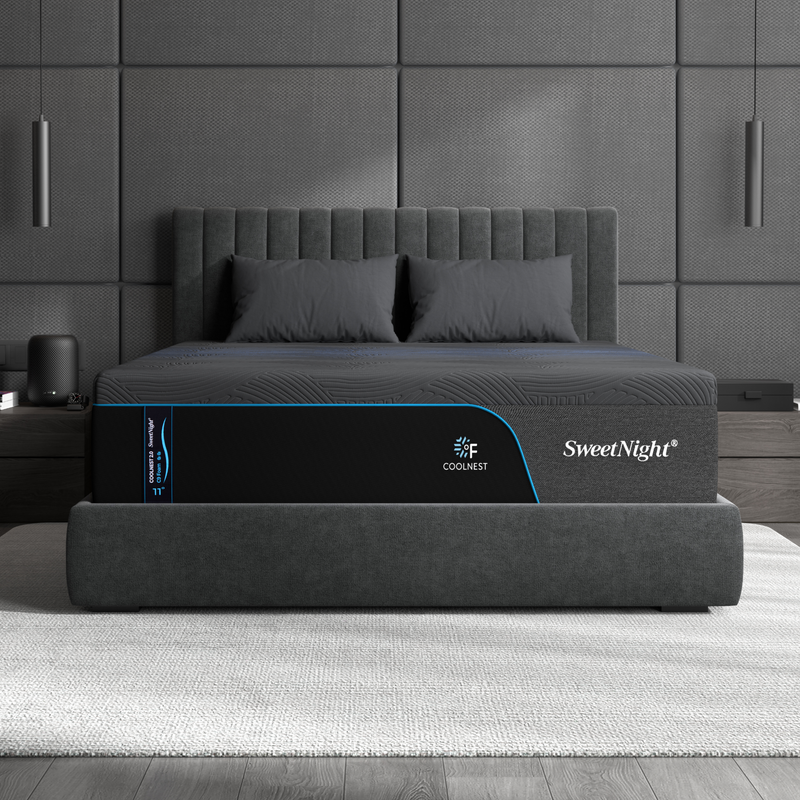
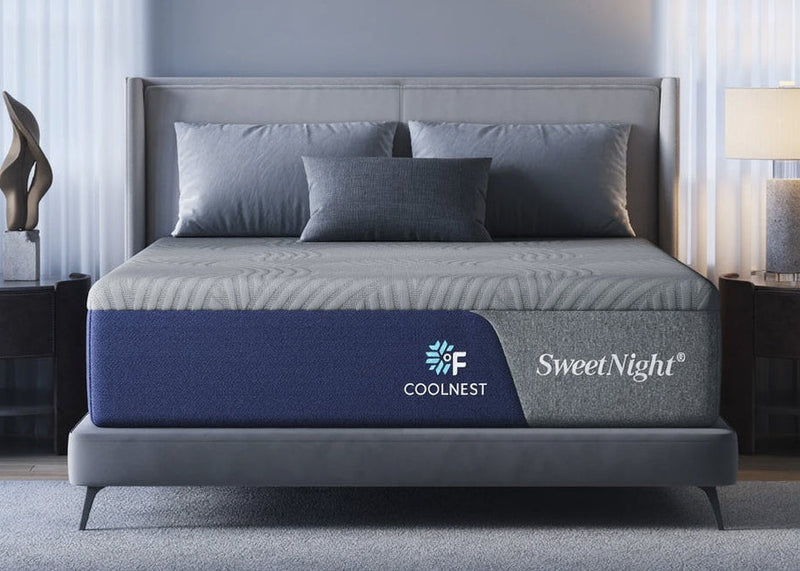
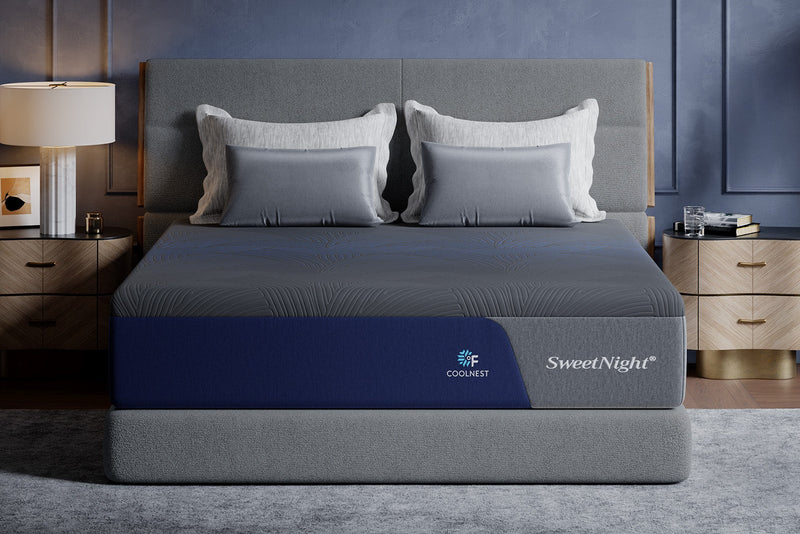
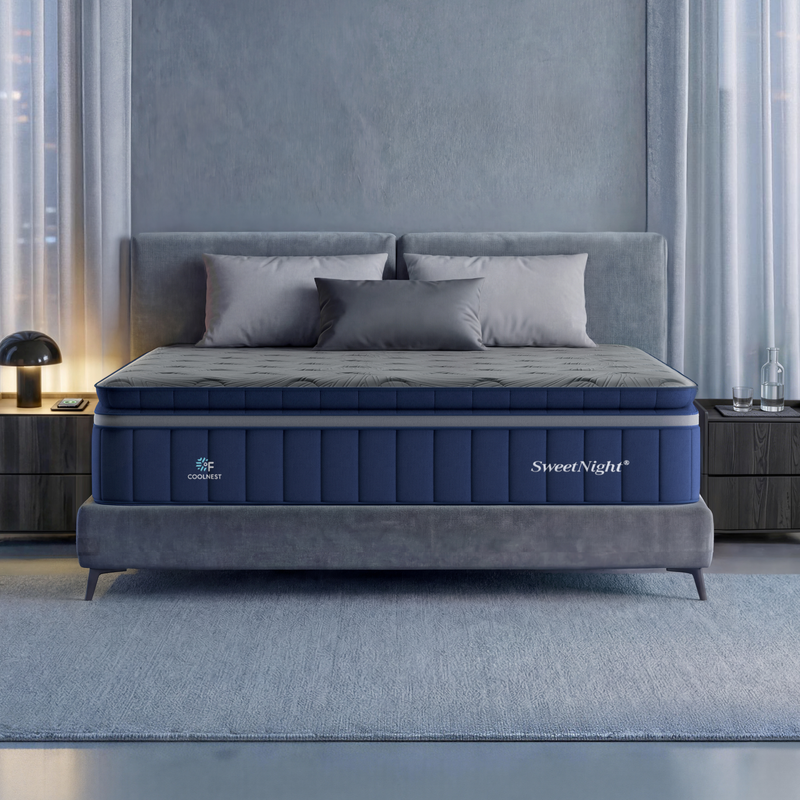
Si después de leer esto estás comparando colchones, aquí tienes dónde encaja cada modelo CoolNest®:
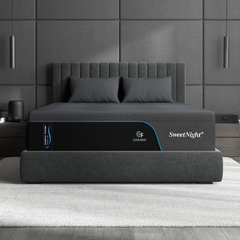
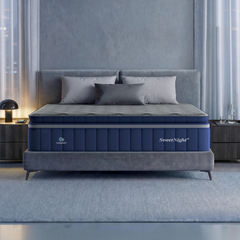
- Colchón CoolNest® Hybrid: muelles ensacados bajo un pillow top DuoSense™. Es el indicado si buscas rebote, bordes firmes y que no se note cuando tu pareja se mueve.
- Colchón CoolNest® Memory Foam: el modelo más económico de la gama, todo espuma, con soporte de 5 zonas y funda transpirable con tejido 3D.
- CoolNest® Pro y CoolNest® Ultra: los modelos de espuma superiores, con espuma PCMflux® que regula la temperatura y soporte de 7 zonas. El Ultra añade espuma AirMesh™ y se siente hasta 11° más fresco.
- Los precios de todas las medidas y grosores están en la página de ofertas de otoño, o puedes ver todos los colchones.
Preguntas frecuentes sobre colchón vs cubrecolchón
¿Es un cubrecolchón tan bueno como un colchón nuevo? No. Un cubrecolchón cambia cómo se siente la superficie, pero no hace nada por el núcleo de soporte. Si tu colchón todavía tiene buen soporte y solo quieres ajustar el confort o la temperatura, un cubrecolchón es excelente. Si el soporte ha fallado, solo un colchón nuevo lo arreglará.
¿Un cubrecolchón arreglará un colchón hundido? En realidad no. Un cubrecolchón puede disimular un pequeño hundimiento por un tiempo, pero tu columna vertebral seguirá asentándose en el valle de abajo. El hundimiento es un problema estructural, y los problemas estructurales requieren un colchón nuevo.
¿Puedo poner un cubrecolchón en un colchón nuevo? Sí, y mucha gente lo hace. Si una cama nueva se siente un poco más firme de lo que esperabas, un cubrecolchón la suaviza sin tener que devolver el colchón. Solo dale al colchón nuevo unas semanas para que se adapte primero, ya que la espuma a menudo se ablanda por sí sola.
¿Es más barato comprar un cubrecolchón o un colchón? Un cubrecolchón es mucho más barato inicialmente, generalmente entre 50 y 300 dólares, frente a los 300 a 2.000 dólares o más de un colchón. Pero un cubrecolchón dura solo de tres a cinco años y no puede reemplazar un colchón, por lo que en una cama gastada es un ahorro falso en lugar de uno real.
¿Qué es mejor para el dolor de espalda, un colchón o un cubrecolchón? Depende de la causa. El dolor relacionado con el soporte, el dolor profundo de una cama hundida, necesita un colchón nuevo. El dolor en los puntos de presión en el hombro o la cadera, común en quienes duermen de lado, puede aliviarse con un cubrecolchón que se adapte al cuerpo en una cama que aún tenga buen soporte.
¿Qué tan grueso debe ser un cubrecolchón? Dos pulgadas añaden una amortiguación ligera a una cama ya cómoda. Tres pulgadas proporcionan un suavizado moderado y alivio de la presión. Cuatro pulgadas son mejores cuando se desea cambiar significativamente una superficie firme. La guía de comparación de cubrecolchones de SweetNight explica cada grosor.
¿Las personas que duermen con calor necesitan un colchón refrescante o un cubrecolchón refrescante? Las personas que duermen con un ligero calor a menudo se sienten bien con un cubrecolchón refrescante. Las personas que realmente sienten mucho calor están mejor atendidas por un colchón refrescante como el CoolNest, porque gestiona el calor a través de toda la estructura en lugar de solo la superficie.
Veredicto final: Colchón vs cubrecolchón, ¿cuál es mejor para ti?
No hay un ganador universal aquí, y cualquiera que te diga lo contrario está vendiendo algo. La respuesta correcta depende completamente de lo que esté mal con tu sueño actual.
Elige un cubrecolchón cuando tu cama aún esté estructuralmente sana y solo quieras ajustarla. Demasiado firme, ligeramente incómoda, un poco cálida, o si estás de alquiler, amueblando una habitación de invitados o trabajando con un presupuesto ajustado. En esos casos, un cubrecolchón es la solución inteligente, asequible y de bajo compromiso, y sería una tontería comprar una cama completamente nueva.
Elige un colchón nuevo cuando el soporte se haya agotado. Hundimiento, marcas corporales, dolor de espalda relacionado con el soporte, una cama de más de siete u ocho años, o la señal inconfundible de que duermes mejor en todas partes menos en casa. En esos casos, un cubrecolchón es una tirita en una herida estructural, y un colchón nuevo es la única solución real.
Y recuerda la tercera opción que oculta la pregunta de "uno u otro": usar ambos. Un colchón de apoyo como base, un cubrecolchón de confort encima, y obtendrás alineación y sensación personalizada al mismo tiempo. Para muchos durmientes, esa combinación es la mejor respuesta.
Sea lo que sea que decidas, no sigas tolerando una cama que trabaja en tu contra. Pasas un tercio de tu vida en ella, y la investigación es clara en cuanto a que la superficie en la que duermes influye en tu dolor, tu descanso y tu salud. Empieza por explorar los colchones y cubrecolchones de SweetNight, averigua qué problema estás resolviendo realmente y elige la solución que mejor se adapte. Tu espalda te lo agradecerá por la mañana.