





















You notice it one morning while making the bed: a shallow dip right where you sleep, a spot that looks a little lower than the rest of the mattress. Maybe your back has been aching lately, or you find yourself rolling toward the middle at night. That is early sagging, and catching it now is the difference between a quick, cheap fix and shelling out for a whole new mattress months down the road. Most people ignore the first signs until the crater is impossible to miss.
The encouraging news is that early sagging is often reversible, or at least stoppable, if you act while it is still minor. A lot of what people call sagging is not even the mattress giving out; it is the foundation underneath failing, uneven wear, or a maintenance habit nobody ever told them to keep. This guide covers how to spot sagging early, why it happens faster than it should, and every fix worth trying before you accept that the bed is finished.
What Mattress Sagging Is and Why It Happens Early
Sagging is what happens when a mattress loses its ability to spring back and starts holding the shape of your body even when you are not in it. The comfort foams compress, the support core fatigues, and the surface develops permanent low spots instead of returning to flat. Unlike normal softening, which affects the whole bed evenly, sagging is localized to the areas that carry the most weight, usually right under your hips and shoulders.
It shows up early for a mix of reasons, and material quality is the biggest. Lower-density foams and cheaper coils simply fatigue faster, sometimes within a year or two of nightly use. Heavier sleepers compress the materials harder, so their beds develop dips sooner. And sleeping in the exact same spot every night without rotating concentrates all the stress on one narrow band of the mattress, wearing that section out long before the rest.
Not all early sagging is the mattress's fault, which is the part people miss. A perfectly good mattress will look and feel like it is sagging if the foundation under it is failing, if the slats are spaced too far apart, or if there is no center support under a larger bed. Understanding whether the sag is coming from the mattress itself or from what it sits on decides which fixes will actually work and which will waste your money.
It also helps to separate sagging from normal break-in softening, because the two get confused constantly. A new foam mattress genuinely softens a little over the first few weeks as the materials settle, and that even, all-over change is expected and harmless. Sagging is different: it is uneven, localized, and it does not stop. If the whole bed feels slightly plusher than day one, that is break-in. If one spot keeps dropping lower than the rest, that is the sag you need to act on.
How to Spot Early Signs of Mattress Sagging
The best time to catch sagging is before you can obviously see it, so it pays to check on purpose. Strip the bed completely and look across the bare surface at eye level from the foot of the mattress. Early sagging shows up as subtle low spots or a gentle valley where you sleep, long before it becomes a dramatic crater. A straightedge or a broom handle laid across the surface makes any dip easy to measure against a flat line.
Your body often notices before your eyes do. New or worsening back pain, waking up stiff when you used to sleep fine, or a sense that you are rolling toward one spot are all early warnings. If you and a partner keep drifting toward the middle, the center of the bed is losing support. Feeling like you sleep in a shallow hammock, or having to shift constantly to get comfortable, points to material that is starting to give out underneath you.
Do the checks routinely rather than waiting for a problem. Run your hand across the surface and press into the spots where you sleep versus the untouched edges; a noticeable difference in firmness means the worn areas are compressing more. Catching a quarter-inch dip early gives you a real shot at reversing it. Waiting until it is a two-inch trench usually means the damage is permanent and the fixes become stopgaps instead of solutions.
A quick way to measure is the string-and-ruler trick people use to make warranty claims. Stretch a taut string across the mattress from edge to edge over the low spot, then measure the gap between the string and the surface at its deepest point. Doing this every few months gives you a hard number to track instead of a vague feeling. If that gap is growing month over month, you have proof the sag is progressing and it is time to intervene.
Why Mattresses Sag Faster Than They Should
If your bed started sagging suspiciously early, the cause is usually one of a handful of culprits, and knowing which one helps you prevent a repeat. Cheap materials top the list. Low-density foam and thin, low-gauge coils are built to a price, and they lose their structure quickly under nightly loading. A mattress that felt like a steal often reveals its true cost in a body-shaped dip within the first couple of years.
Inadequate support underneath is the next big one, and it is the most overlooked. Foam and hybrid mattresses need a firm, evenly spaced foundation. If your slats sit more than about three inches apart, the mattress slowly droops into every gap. If a queen or king has no center support leg, the middle bows under the combined weight of two sleepers. That looks exactly like a sagging mattress, but the real failure is happening below it.
Habits accelerate everything else. Sleeping in the same position on the same side every single night without ever rotating the mattress concentrates years of wear onto one strip of material. Sitting on the same edge to get dressed compresses the perimeter foam. Letting kids use the bed as a trampoline batters the coils. None of these individually destroys a mattress overnight, but stacked together over time they turn a five-year mattress into a two-year one.
How Rotating Your Mattress Prevents and Fixes Early Sagging
The single most effective habit for both preventing and reversing early sagging costs nothing: rotate the mattress. Turning it 180 degrees head to foot moves the worn area you have been sleeping on out from under you and swaps in a fresher section. If a dip has just started forming, giving that spot a break from your nightly weight lets the foam recover some of its loft instead of getting pressed permanently flat.
Do it on a schedule rather than waiting for a problem. Every three months is a solid rhythm for most modern mattresses, which are built one-sided and cannot be flipped. Set a reminder for the change of seasons so you actually remember. Rotating from the start, before any sagging appears, spreads wear evenly across the whole surface and can add years to the mattress's usable life. It is the cheapest insurance a mattress owner has.
If your mattress is an older double-sided model, you get an even better tool: flipping. Turning it fully over lets the underside carry your weight while the worn top recovers, effectively doubling the surfaces available. Most beds sold today are single-sided and should only be rotated, never flipped, so check your model first. Either way, the principle is the same: stop hammering the same spot night after night and early sagging slows to a crawl.
Rotating gets easier if you make it a habit tied to something you already do. Pair it with changing to fresh seasonal bedding, or with the day you swap your smoke-detector batteries, so it happens without you having to remember a random date. Grab a corner, walk the mattress a quarter turn and then around, and it takes about a minute with two people. That minute four times a year is one of the highest-return maintenance habits a mattress owner can keep.
Fixing Mattress Sagging With Proper Foundation Support
Before you blame the mattress, get under the bed and inspect what is holding it up, because foundation failure is behind a huge share of sagging complaints. Slatted frames are the usual suspect. If the slats are spaced too far apart, the mattress sags into the gaps and you feel it as low spots. Adding extra slats to close the gaps to three inches or less can firm the whole bed back up and erase a sag that was never the mattress's fault.
The center of a larger bed deserves special attention. Queen, king, and California king mattresses need a center support beam with a leg running to the floor, and many early sags in the middle of the bed trace straight back to a missing or broken center support. Adding or repairing that leg lifts the sagging middle and takes the strain off the mattress core. It is often a ten-dollar fix for a problem people assume requires a new bed.
Old or wrong foundations cause trouble too. A worn-out box spring, a bent metal frame, or a base never designed for a heavy foam mattress can all let the bed droop. Swapping to a sturdy platform base, a bunkie board, or a properly rated foundation gives the mattress the flat, solid support it needs. A quick test is to lay the mattress on the floor for a night; if the sag vanishes, your foundation was the culprit all along.
Check the manufacturer's foundation requirements while you are at it, because using the wrong base can quietly void your warranty. Many brands specify the exact slat spacing and center support needed, and a claim for sagging can be denied if you did not meet those terms. Photographing your setup and keeping the specs handy protects you if you ever need to make a claim. It also forces you to confirm the base is actually doing its job rather than assuming it is.
Using a Mattress Topper to Fix a Sagging Mattress
Once you have ruled out the foundation, a firm mattress topper is the most practical way to smooth over early sagging and buy your bed more time. A dense, supportive topper bridges shallow dips and restores a more even sleeping surface, redistributing your weight so you are not sinking straight into the worn spot. A firm latex or high-density foam topper works best here because it holds its own shape instead of collapsing into the sag beneath it.
For the best result, deal with the low spot before you add the topper. Some people fill a shallow dip with a folded towel or a piece of foam underneath the topper to level the surface first, then lay the topper over the whole mattress for a uniform feel. A two-to-three-inch firm topper is usually enough to make a mildly sagging bed comfortable again without perching you awkwardly high off the mattress.
Be clear-eyed about what a topper can and cannot do. It genuinely helps with minor, early sagging by evening out the surface you lie on. It cannot rebuild a support core that has already collapsed. If the dip is deep and the whole bed feels like it is caving in, a topper only conforms to the crater after a few weeks and masks the problem briefly. Toppers rescue early sagging and merely delay the inevitable on a bed that is truly worn out.
Placing Plywood or Support Under a Sagging Mattress
When the sag is coming from too little support underneath, sliding a rigid surface between the mattress and its base is a cheap and immediate fix. A sheet of plywood or a bunkie board laid across the slats or on top of a tired box spring removes the give that lets the mattress droop. Suddenly the mattress rests on a flat, hard, continuous surface instead of bridging gaps and sinking into a springy foundation.
This trick shines for slatted frames and sagging box springs. Cut or buy plywood sized to your mattress, sand or cover any rough edges so they do not snag the fabric, and lay it flat under the mattress. A bunkie board does the same job in a tidier, ready-made package. Either one firms up a soft, sagging feel almost instantly and often makes a struggling mattress feel years younger for the price of a hardware-store board.
Treat it as a genuine fix for support problems and a temporary crutch for a dying mattress. If the sag was caused by a weak foundation, plywood solves it outright and your mattress can go back to lasting its full life. If the mattress core itself has failed, a hard board underneath makes the surface flatter for a while but cannot restore what has broken down inside. Match the fix to the actual cause and it will either solve the problem or clearly reveal that replacement time has come.
How to Prevent Mattress Sagging and Extend Its Lifespan
Every fix above is easier if you never let serious sagging start, and prevention comes down to a few consistent habits. Rotate the mattress every three months without fail, give it a firm and properly spaced foundation with center support, and use a mattress protector to keep sweat and moisture from degrading the foam. These three habits alone dramatically slow the wear that leads to dips and keep the support core doing its job for years longer.
Spread the load and go easy on weak points. If you always sleep on one side of a shared bed, occasionally switch sides to even out the wear pattern. Avoid sitting on the same edge every day, since perimeter foam is not built for that concentrated pressure and breaks down into a rounded, unsupportive lip. Keep kids from jumping on the bed, which batters coils and foam far harder than sleeping ever does. Small courtesies add up over a mattress's life.
Weight distribution across the household matters more than people think. A single sleeper always parked in the same spot wears one lane hard, while a couple who never varies sides carves two parallel troughs with an untouched ridge between them. Consciously shifting where you lie, even by a few inches, spreads the compression over a wider area. It feels trivial night to night, but over years it is the difference between even, gentle softening and a pair of deep body impressions.
Give the materials a chance to breathe and recover. Let the bed air out when you change the sheets, keep the room from getting excessively humid, and make sure the foundation allows some airflow underneath rather than trapping moisture. A mattress that stays dry, evenly worn, and properly supported can hold its shape for the better part of a decade, while a neglected one on a bad base can sag within a year or two of the same use.
When Sagging Means You Need a Durable Mattress That Won't Sag
If you have fixed the foundation, rotated on schedule, and still keep ending up with dips, the mattress itself may simply not be built to last, and your next purchase should prioritize durability from the start. A durable mattress uses higher-density foams and heavier-gauge coils that resist compression over years of nightly use. Paying a bit more upfront for quality materials almost always beats replacing a cheap bed twice in the same span.
Shop specifically for sag resistance rather than just comfort in the showroom. A mattress that won't sag pairs a robust support core with foams rated for higher density, and a generous warranty that covers sagging beyond a defined depth is a good sign the maker trusts their own build. Read the fine print on what sag depth the warranty actually covers, since that number tells you how much drooping the brand considers normal versus a defect.
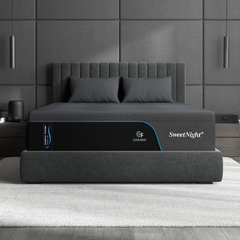
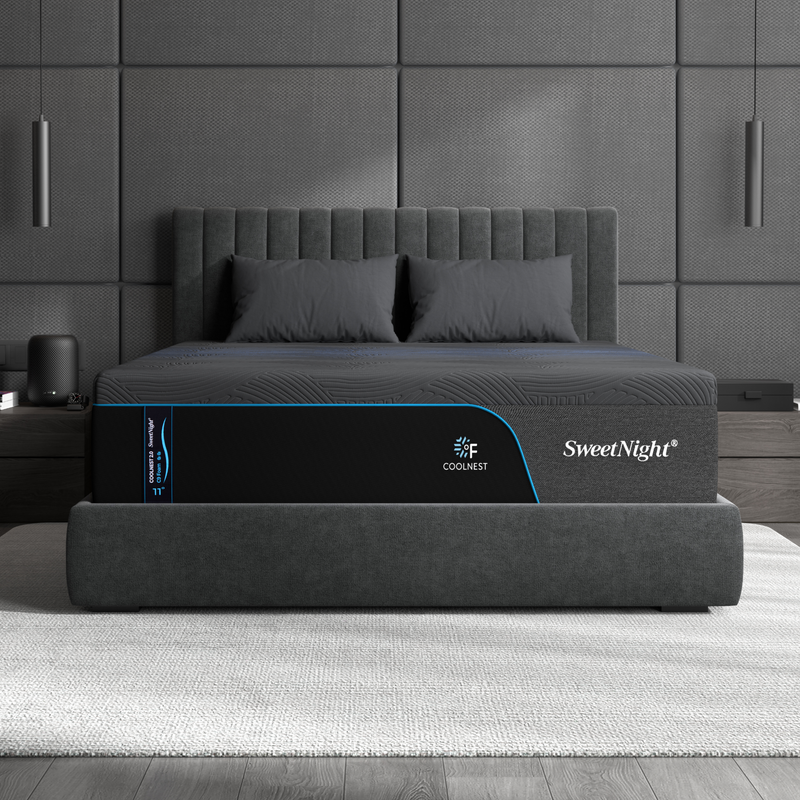
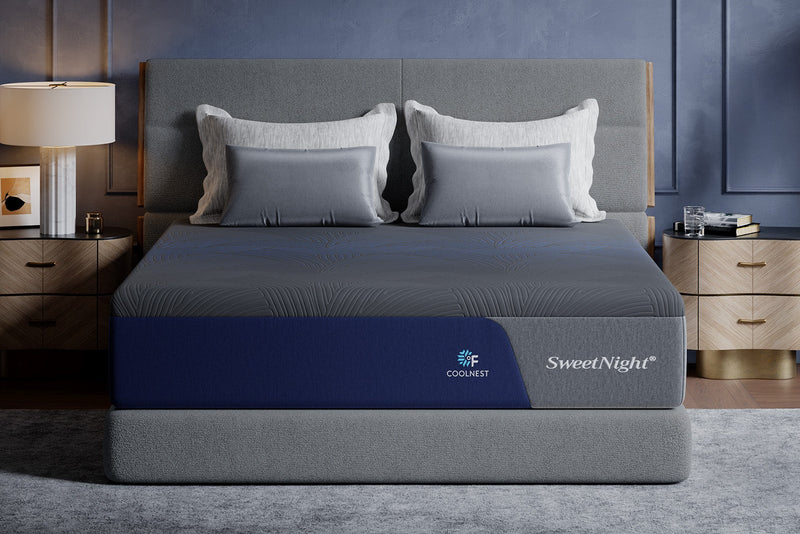
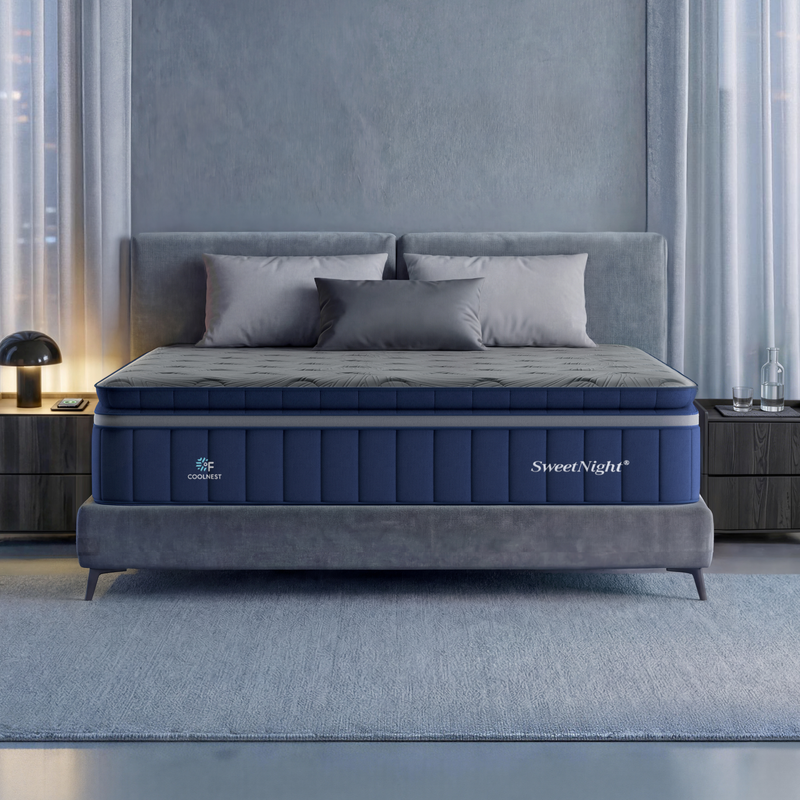
Support and durability go hand in hand, so look for a build engineered to hold your spine level for the long haul. SweetNight's CoolNest® Ultra with its high-density 7-zone support core is designed to keep firmer reinforcement under the hips and lumbar region, the exact area that sags first, so the surface stays even as the bed ages. Whether or not that specific model is your pick, the lesson is the same: a supportive mattress built around a dense, zoned core is what actually resists the early sagging you have been fighting.

When to Replace a Sagging Mattress Instead of Fixing It
There is a line where fixing costs more, works worse, and simply prolongs bad sleep, and it helps to recognize it honestly. If your mattress is past the seven-to-ten-year mark, has dips deeper than an inch or two that you can clearly see and feel, and leaves you sore no matter what topper or board you add, the core has failed. At that point you are sleeping on a broken structure, and no surface trick restores it for long.
Watch for the signals that the bed has crossed over. Sagging that returns within weeks of every fix, a middle that caves under normal weight, springs you can feel through the surface, and consistently worse sleep than you get in a hotel bed all say the same thing. If a sag also voids your warranty coverage because it exceeds the covered depth, that is the manufacturer confirming the mattress has genuinely worn out rather than merely softened.
When you do replace it, put everything this sagging experience taught you to work. You now know to check the foundation first, rotate from day one, and buy for density and durability instead of chasing the cheapest sticker price. Choose a bed built to resist sagging, give it the solid support it needs underneath, and keep up the simple maintenance habits. Do that and your next mattress should stay flat, supportive, and comfortable for many more years than the one you are replacing.