
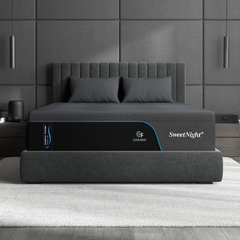
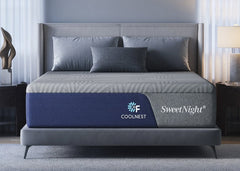
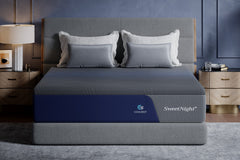
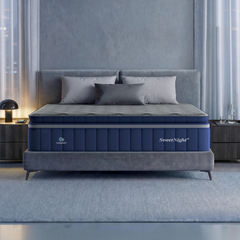
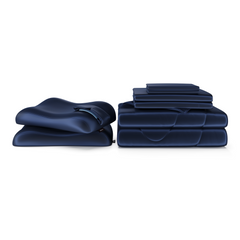
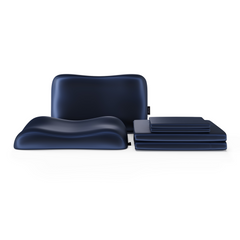
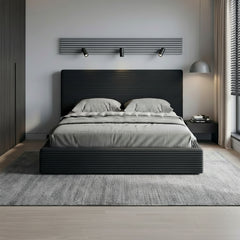
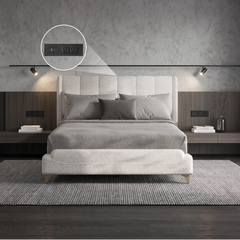
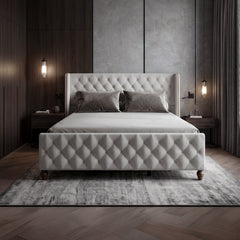
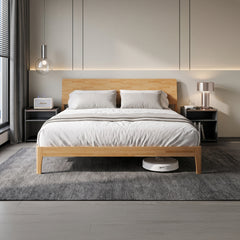


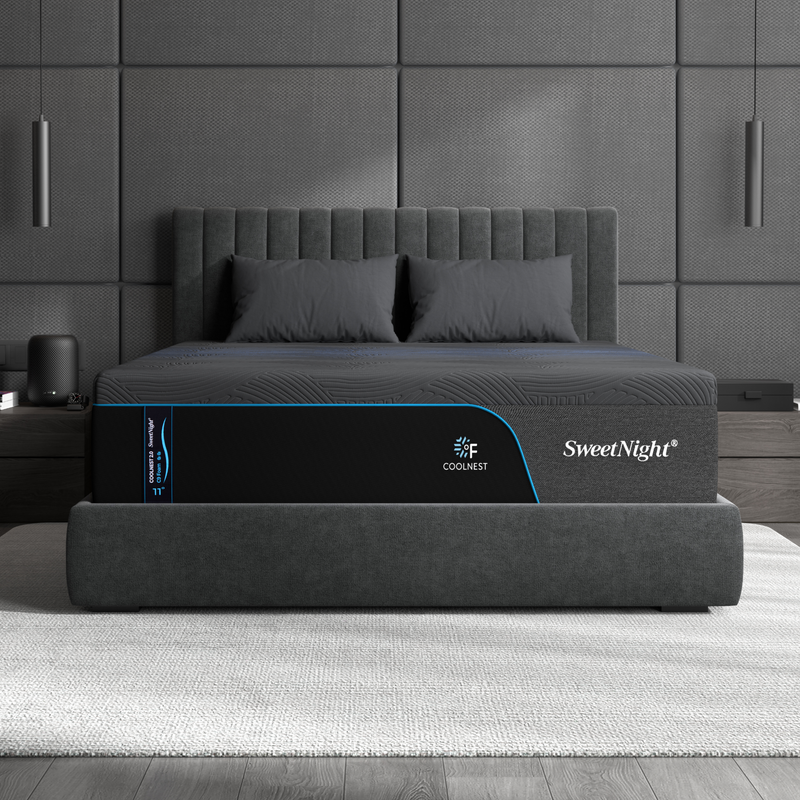
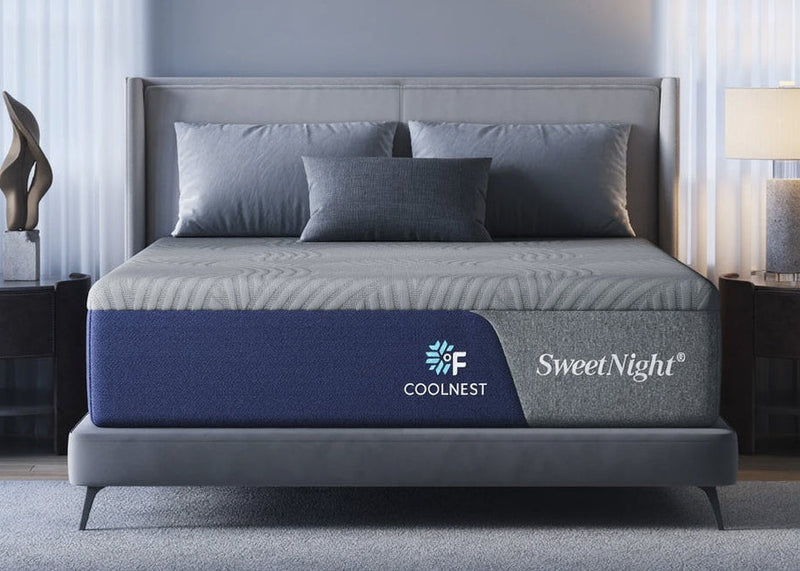
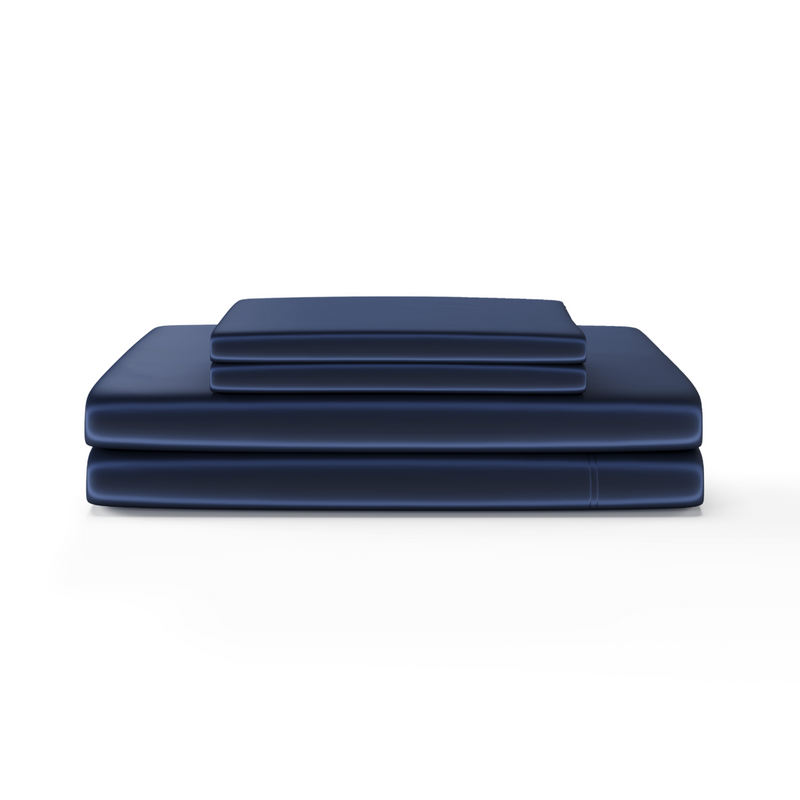
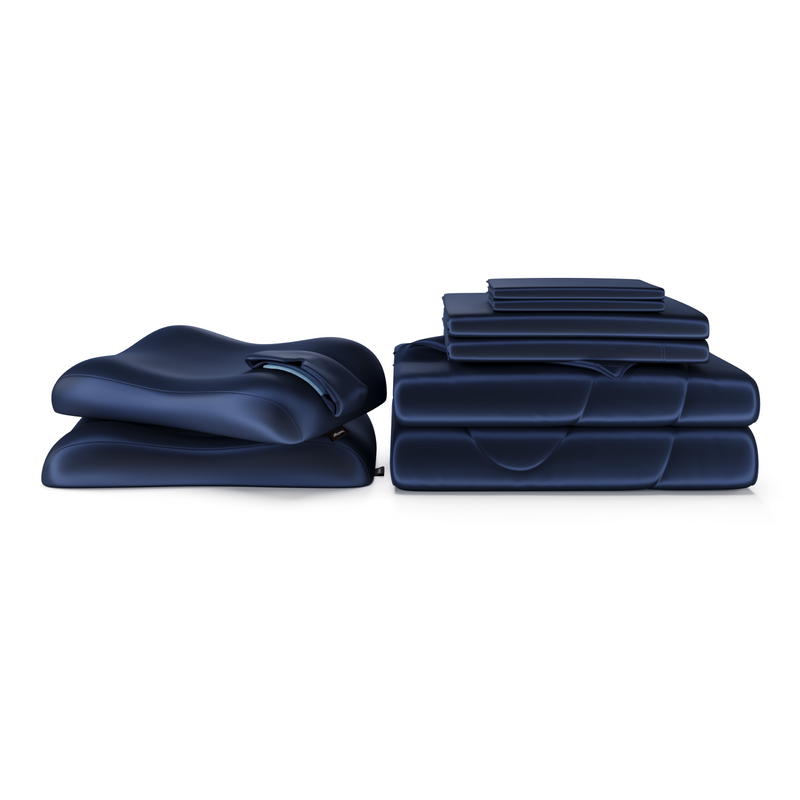
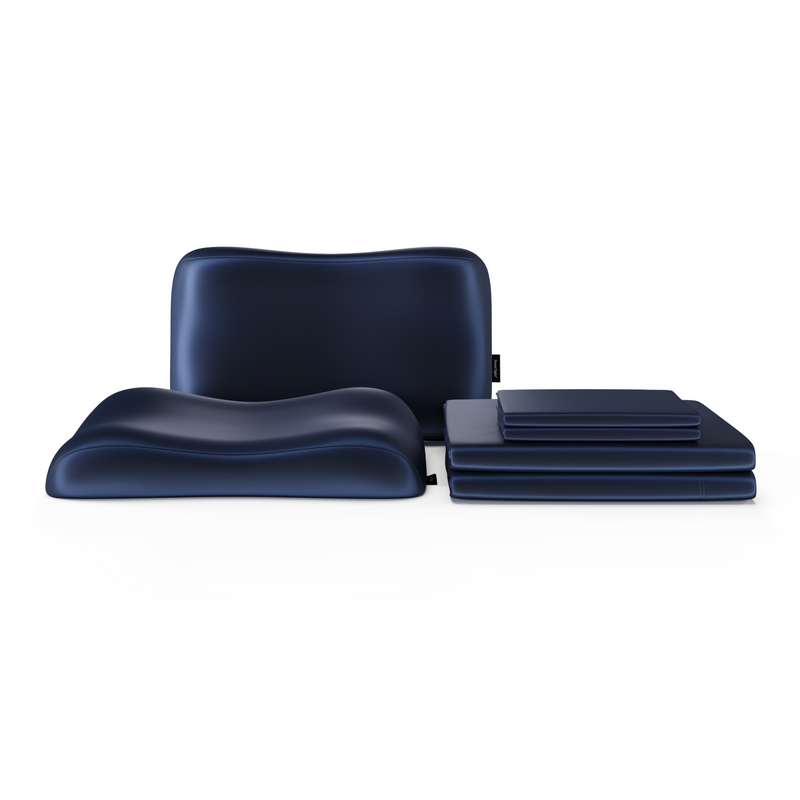



Un colchón refrescante que afirma sentirse hasta 11° más frío suena como un número de marketing hasta que se entiende lo que realmente está moviendo ese calor. La versión corta: tu cuerpo libera calor durante toda la noche, una cama de espuma normal lo atrapa, y un colchón refrescante está diseñado para alejar ese calor y ventilarlo antes de que se convierta en un foco de calor debajo de tu espalda. Esta guía desglosa cómo funciona un colchón refrescante, qué miden realmente los 11 grados y qué hacen un sistema de enfriamiento de 5 etapas, una funda de seda helada Qmax 0.25 y una espuma viscoelástica transpirable AirMesh™ para lograrlo.
¿Cómo funciona un colchón refrescante? La respuesta corta
Un colchón refrescante funciona gestionando tres cosas: la rapidez con la que el calor de tu cuerpo se transfiere a la cama, la distancia a la que ese calor se aleja de la superficie y la rapidez con la que se escapa al aire en lugar de permanecer debajo de ti. Ningún colchón produce frío. Lo que hace uno bueno es dejar de actuar como aislante y empezar a actuar como disipador de calor, alejando el calor de tu cuerpo de la superficie de descanso para que nunca se acumule.
Piénsalo como un relevo. Tu piel pasa el calor a la funda, la funda lo pasa a las capas de espuma, la espuma lo pasa a la estructura ventilada de abajo, y el flujo de aire lo expulsa. Una cama de espuma normal rompe ese relevo en la primera entrega, por lo que el calor se acumula donde tu torso presiona. Cada característica que ves anunciada —gel, material de cambio de fase, canales de ventilación, fundas transpirables— tiene como objetivo mantener ese relevo en movimiento.
Por eso, la forma honesta de leer "se siente hasta 11° más frío" es como una comparación en la superficie de descanso con un colchón tradicional de espuma viscoelástica, no una promesa de temperatura ambiente. El número describe cuánto más fría se mantiene la superficie en comparación con tu cuerpo, porque la superficie es exactamente donde un durmiente caluroso se recalienta. Mantén ese encuadre y el resto de cómo funciona un colchón refrescante tendrá sentido.
Por qué un colchón de espuma viscoelástica normal atrapa el calor
Para entender el enfriamiento, hay que entender el problema que resuelve. La espuma viscoelástica tradicional es viscoelástica: se ablanda donde está caliente y abraza tu cuerpo, lo cual es excelente para aliviar la presión y terrible para la temperatura. Ese contacto cercano y sin espacios significa que el calor no tiene dónde ir, y la estructura densa apenas permite que el aire se mueva a través de ella. Terminas envuelto en un aislante que también retiene el calor que desprendiste hace una hora.
La física es simple. Un adulto durmiendo emite aproximadamente el calor de una bombilla de baja potencia durante toda la noche, y esa energía tiene que ir a alguna parte. En una superficie transpirable se dispersa. En espuma densa se almacena, la superficie se calienta, y una vez que la espuma está tan caliente como tú, deja de aceptar calor y comienza a sentirse caliente al tacto. Ese es el momento de la espalda sudorosa a las 3 a.m. que describen tantos propietarios de colchones de espuma.
Este es el fallo específico alrededor del cual se diseña un colchón refrescante. Cada característica de enfriamiento es una respuesta directa a una debilidad de la espuma viscoelástica simple: las fundas de seda helada y las espumas de cambio de fase atacan la transferencia de superficie y el almacenamiento de calor, las espumas de canal abierto y ventiladas atacan el problema del flujo de aire, y el soporte zonificado evita que te hundas tan profundamente que el flujo de aire colapse en primer lugar. Conocer la enfermedad facilita la evaluación de la cura.
Qué significa realmente "enfriamiento de 5 etapas", capa por capa
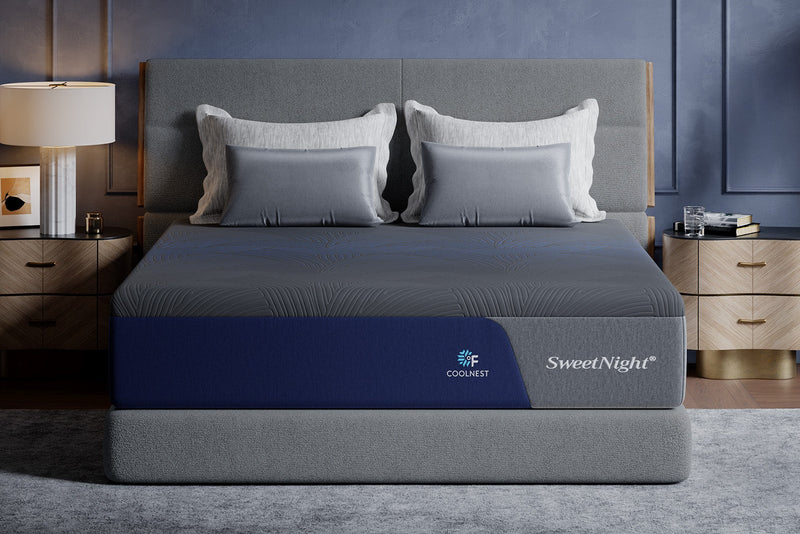
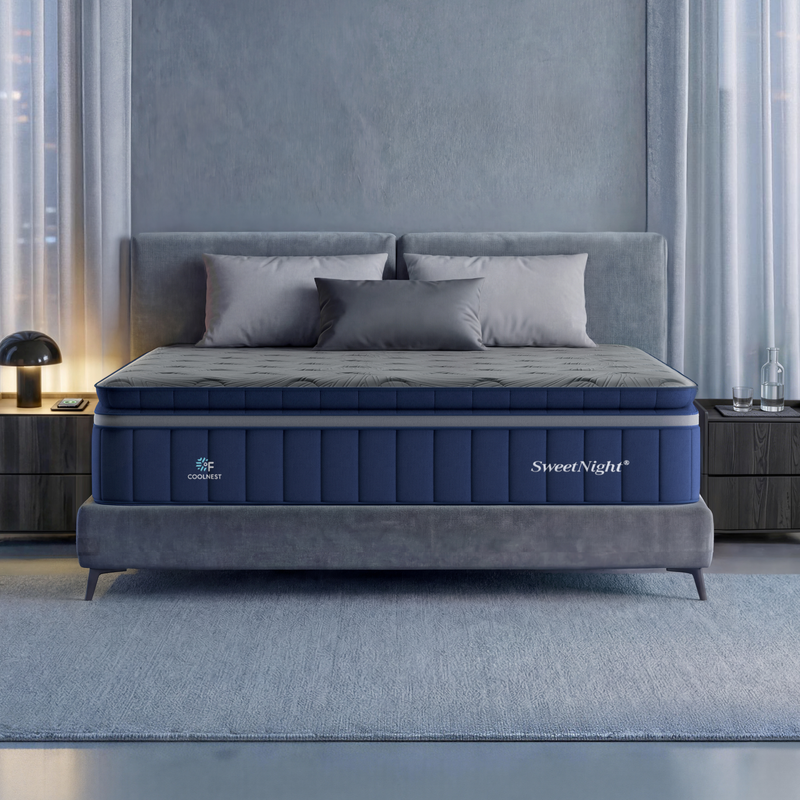
Cuando un colchón anuncia un sistema de enfriamiento de 5 etapas, significa que el calor se maneja en cinco puntos en su camino fuera de la cama en lugar de en uno. En el CoolNest® Ultra, el sistema Advanced CoolNest® Ultra apila esas cinco etapas de arriba a abajo:
- Funda de seda de hielo con enfriamiento gradual (Qmax = 0,25 J/(cm²·s)) — la etapa de enfriamiento instantáneo al tacto. Qmax mide cuánto calor extrae un tejido de tu piel en el primer momento de contacto; 0,25 es el más alto en la gama CoolNest®, por encima del Pro con 0,23 y el CoolNest® original con 0,22.
- Espuma de alta resiliencia PCMflux® — la etapa de regulación. El material de cambio de fase absorbe el calor a medida que tu cuerpo se calienta y lo libera a medida que te enfrías, aplanando los cambios de temperatura que despiertan a las personas sudando.
- Espuma viscoelástica transpirable AirMesh™ — la etapa de transpirabilidad. La espuma viscoelástica de canal abierto patentada de SweetNight, diseñada para una transpirabilidad hasta 6 veces mayor que la espuma viscoelástica tradicional, para que el calor y la humedad sigan bajando en lugar de rebotar hacia ti.
- Espuma viscoelástica de gel ventilada — la etapa de dispersión. Los canales de flujo de aire de precisión extienden el calor absorbido lateralmente y lo alimentan a la estructura de abajo en lugar de permitir que se acumule en un solo punto.
- Estructura transpirable de canal abierto 3D — la etapa de escape. Caminos de flujo de aire continuos que extraen el calor atrapado del colchón durante todo el tiempo que lo produces.

La razón por la que cinco etapas superan a una es que cualquier truco de enfriamiento individual se satura. Una capa de gel solo puede absorber una cantidad limitada antes de llenarse y calentarse; una funda fresca solo se siente fría hasta que tu cuerpo la calienta. Encadenar varios métodos significa que cuando una etapa alcanza su límite, la siguiente sigue moviendo el calor, que es la forma en que una cama mantiene el enfriamiento durante toda la noche en lugar de los primeros veinte minutos.
Esta es también la razón por la que tantos colchones económicos que anuncian enfriamiento decepcionan. Añadir etapas reales cuesta dinero, por lo que una cama barata suele pagar por una —una funda fresca al tacto o una fina capa de gel— y omite las espumas de canal abierto y la estructura de flujo de aire que realizan el trabajo sostenido. Se siente fresca en la tienda y durante el primer tramo de la noche, luego se convierte silenciosamente en una cama de espuma normal una vez que esa única etapa se llena. Cuando compares camas, cuenta las etapas que realmente mueven o ventilan el calor, no las que solo se sienten frías al contacto.
Qué hacen la espuma AirMesh™ y el flujo de aire de canal abierto 3D
AirMesh™ resuelve la mitad del problema del flujo de aire, y el flujo de aire es la etapa que la mayoría de las camas "refrescantes" baratas omiten. Vale la pena ser preciso sobre lo que es: AirMesh™ no es una tela o un panel de malla, es una espuma viscoelástica transpirable construida con canales abiertos que la atraviesan. En lugar de un bloque sólido que sella el calor, se obtiene una estructura de espuma llena de caminos —diseñada para una transpirabilidad hasta 6 veces mayor que la espuma viscoelástica tradicional— mientras se mantiene el contorno adaptable y el alivio de la presión por los que se compra la espuma viscoelástica en primer lugar.
Combinado con la estructura transpirable de canal abierto 3D debajo, eso importa más de lo que la gente cree, porque la humedad, no solo la temperatura, es lo que te hace sentir caliente y pegajoso. El sudor debe evaporarse para enfriarte, y la evaporación se detiene cuando el aire húmedo no tiene dónde ir. Los canales abiertos dan una salida a ese aire húmedo, por lo que las camas con un flujo de aire real a través de la profundidad se sienten secas además de frescas, mientras que las camas solo de gel todavía pueden sentirse pegajosas incluso cuando la superficie no está abrasando.
El problema es que la ventilación solo ayuda si las capas superiores permiten que el calor y la humedad la alcancen. Por eso, el flujo de aire funciona mejor como parte de un sistema completo que como una característica independiente. La funda de seda helada y la capa PCMflux® alimentan el calor y la humedad hacia abajo, AirMesh™ y la estructura de canal abierto los ventilan, y toda la cadena evita que la superficie se convierta en el aislante que se vuelve la espuma simple.
También explica por qué el flujo de aire es la etapa que las camas baratas omiten con mayor frecuencia: es estructural. Se puede añadir un remolino de gel o una funda fresca a una cama de espuma por lo demás ordinaria, pero una espuma genuinamente transpirable y una estructura de canal abierto 3D cambian la forma en que se construye la cama y añaden costes. Esa es la razón honesta por la que dos camas pueden decir "refrescante" en la etiqueta mientras que una te mantiene fresco toda la noche y la otra se rinde a medianoche. Si una cama guarda silencio sobre el flujo de aire y solo habla de gel, asume que falta la etapa de flujo de aire.
Por qué el soporte de 7 zonas también es una característica refrescante
El soporte zonificado parece una característica ergonómica, y lo es, pero también realiza un trabajo real sobre la temperatura, por lo que el Ultra combina sus cinco etapas de enfriamiento con un soporte de precisión refinado de 7 zonas en una capa de espuma cortada con ondas.

Recordemos el problema central de la espuma viscoelástica simple: te hundes, el área de contacto explota y el flujo de aire colapsa en el hueco que la espuma ha moldeado a tu alrededor. La zonificación ataca eso directamente. Siete zonas varían la firmeza a lo largo de la cama, de modo que un hombro puede hundirse donde lo necesita mientras que las zonas más firmes de la cintura y la cadera mantienen el tronco nivelado. Obtienes un alivio profundo de la presión exactamente donde lo deseas sin que todo tu cuerpo descienda en la espuma, lo que mantiene el área de contacto más pequeña y te mantiene lo suficientemente alto en la superficie para que la funda y las capas ventiladas aún puedan alcanzarte.
El soporte y el enfriamiento, en otras palabras, están resolviendo el mismo problema desde dos direcciones. Una cama que enfría brillantemente pero te permite hundirte como una piedra, anula una parte de lo que acaba de ganar.
Lo que realmente mide "hasta 11° más frío", y lo que no
Aquí está el número que todo el mundo quiere que se explique. "Se siente hasta 11° más frío" es una especificación de ingeniería que describe la superficie de descanso en comparación con un colchón tradicional de espuma viscoelástica: la diferencia que el sistema de capas está diseñado para producir donde tu cuerpo realmente toca la cama. Se encuentra en la parte superior de un rango que puedes verificar: el sistema CoolNest® original está diseñado para hasta 8° más frío con tres etapas de enfriamiento, y el Ultra alcanza hasta 11° con cinco. El número aumenta a medida que aumentan las etapas, lo cual es exactamente lo que esperarías si el mecanismo es real.

Lo que no significa es que la cama baje la temperatura de tu dormitorio en 11 grados, o que sentirás personalmente esa diferencia completa en todos los lugares que tocas. Tu experiencia depende de tu ropa de cama, tu habitación, tu peso corporal y cuánto sudas. Las sábanas gruesas de franela y un edredón pesado pueden anular gran parte del efecto refrescante de un colchón, porque el colchón solo puede gestionar el calor que realmente lo alcanza. Ten en cuenta también la redacción: la afirmación es "hasta", y se refiere a cómo se siente la superficie, no a una lectura garantizada en un termómetro en tu dormitorio.
Por lo tanto, la forma justa de usar el número es como una comparación de ingeniería, no una garantía personal, una clasificación de cuán fuerte lucha una cama contra el calor donde más importa. Luego, confírmalo de la única manera en que la temperatura se puede confirmar honestamente: en tu propio cuerpo, durante noches reales, que es para lo que sirve la prueba de 100 noches.
Cambio de fase, gel y flujo de aire: los métodos de enfriamiento comparados
No todo el enfriamiento es igual, y conocer los tres métodos principales te ayuda a juzgar cualquier cama. La espuma con infusión de gel añade perlas o remolinos de gel que absorben y disipan el calor. Es un disipador de calor con una capacidad finita, por lo que, por sí solo, enfría bien al principio y se desvanece una vez que ha absorbido todo lo que puede retener, que es el mecanismo detrás de la queja más común en la categoría: frío a la hora de acostarse, calor a las 3 a.m.
El material de cambio de fase es una clase diferente de tecnología. La espuma PCMflux® cambia físicamente de estado a medida que se calienta, absorbiendo calor mientras lo hace, y luego libera ese calor de nuevo a medida que la temperatura de tu superficie desciende. Se reinicia en lugar de llenarse, por lo que sigue amortiguando los picos de temperatura durante toda la noche en lugar de saturarse en dos horas. Los métodos de flujo de aire —espuma de canal abierto y estructura ventilada— son diferentes de nuevo: en lugar de absorber el calor, lo sacan de la cama por completo, que es el único enfoque que nunca se satura en absoluto.
Los mejores colchones refrescantes combinan los tres, porque cada uno cubre las debilidades de los otros, y aquí es donde el gel se gana su lugar. El gel es una característica pobre para encabezar un producto, pero una etapa útil: dentro de un sistema, la capa de gel ventilada distribuye el calor en los puntos de contacto comprimidos donde el flujo de aire no puede llegar, y la estructura de canal abierto debajo de ella aleja ese calor antes de que el gel pueda llenarse. Lo que falla es el gel solo. Cuando compares opciones en la categoría de mejores colchones refrescantes, busca ese enfoque en capas en lugar de una sola palabra de moda.
¿Funciona un colchón refrescante sin aire acondicionado?
Sí, pero hay que establecer las expectativas correctamente. Un colchón refrescante funciona sin aire acondicionado porque no depende de enfriar la habitación; depende de alejar el calor de tu propio cuerpo de la superficie. Incluso en un dormitorio cálido, eso significa que evitas la trampa de calor que crea una cama de espuma normal, por lo que no te estás marinando en un bolsillo de calor acumulado a mitad de la noche.
Lo que no hará es vencer a la física. Si tu dormitorio es realmente caluroso —una habitación en el último piso durante una ola de calor sin flujo de aire— ningún colchón puede evacuar más calor del que el ambiente sigue aportando, porque solo puede ventilar el calor en un aire que ya está caliente. En esas condiciones, la cama aún ayuda al mantener la superficie más fresca que la alternativa, pero un ventilador o una ventana abierta para mover el aire de la habitación marca una gran diferencia.
Sin embargo, para el durmiente caluroso típico en una habitación normal, un buen colchón refrescante a menudo marca la diferencia entre despertarse sudado y dormir toda la noche. Maneja el calor que generas, que es la parte que no puedes controlar, y deja que hábitos simples como una ropa de cama transpirable y una ventana entreabierta se encarguen del resto.

Si utilizas aire acondicionado, los dos funcionan en diferentes mitades del problema y se complementan bien. El aire acondicionado baja la temperatura de la habitación; el colchón evita que la superficie junto a tu cuerpo atrape el calor incluso en esa habitación más fresca. El calor directamente debajo de ti es el único lugar al que un ventilador o una salida de aire acondicionado nunca llegan, que es precisamente el hueco que llena el colchón.
¿Los colchones refrescantes siguen funcionando con el tiempo?
Esta es la pregunta del escéptico justo, porque muchas camas refrescan por una temporada y luego se rinden. La respuesta depende del método de enfriamiento en el que se apoya la cama. El enfriamiento basado en el flujo de aire —espuma de canal abierto y estructura ventilada— sigue funcionando mientras la estructura mantenga su forma, porque el aire en movimiento no se desgasta. Esa es la columna vertebral duradera de cualquier cama que se mantenga fresca durante años.
Los métodos de absorción envejecen de manera diferente. El gel y los materiales de cambio de fase no dejan de funcionar, pero dependen de que la espuma a su alrededor se mantenga abierta y elástica. Si la espuma de confort se descompone y se comprime, el flujo de aire se ve afectado y todo el sistema enfría menos eficazmente. Por eso, el enfriamiento y la durabilidad están relacionados, y por eso la calidad de la construcción importa tanto como los grados del titular.
La conclusión práctica: juzgue el enfriamiento a largo plazo por lo que la garantía está dispuesta a prometer sobre la forma. El Ultra tiene una garantía de 10 años que cubre el hundimiento de más de 1.5 pulgadas, y ese es el número relevante, porque una cama que mantiene su forma es una cama que mantiene su flujo de aire.
Preguntas más frecuentes sobre colchones refrescantes
¿Un colchón refrescante te da frío en invierno? No, y esta es una preocupación común. Un colchón refrescante elimina el exceso de calor en lugar de generar frío, por lo que simplemente evita que te sobrecalientes; no elimina el calor de un cuerpo que ya está cómodo. En invierno, con ropa de cama normal, la mayoría de la gente se siente neutra en uno, no con frío. Si eres friolero durante todo el año, es posible que prefieras una cama de felpa más cálida, pero un durmiente caluroso rara vez encuentra un colchón refrescante demasiado frío.
¿Es una afirmación de "hasta 11°" mejor que una de "hasta 8°"? Dentro del rango de una marca, es una clasificación significativa, porque la diferencia generalmente refleja una construcción real: el CoolNest® original funciona con tres etapas de enfriamiento para hasta 8° más frío, mientras que el Ultra funciona con cinco para hasta 11°. Entre marcas, trátalo como una señal junto con la construcción, ya que dos empresas pueden no probar de la misma manera. Pregunta qué etapas producen el número.
¿Qué me dice realmente el Qmax? El Qmax mide la sensación de frescor instantáneo al tacto: cuánto calor extrae un tejido de tu piel en el primer momento de contacto, en J/(cm²·s). La funda de seda de hielo gradual del Ultra mide 0.25, frente a 0.23 en el Pro y 0.22 en el CoolNest® original. Es un número genuino, pero solo describe la primera etapa. Un Qmax alto sin nada detrás se siente fresco durante un minuto y luego se calienta, por lo que debe leerse junto con las etapas de flujo de aire, no en lugar de ellas.
¿Todavía necesito sábanas refrescantes en un colchón refrescante? Ayudan. El colchón solo puede gestionar el calor que lo alcanza, por lo que un edredón o sábanas de franela gruesos y que atrapan el calor pueden deshacer gran parte de su trabajo. El algodón transpirable, el bambú o un tejido de percal permiten que el calor de tu cuerpo llegue a las capas refrescantes, que es donde la cama puede realmente gestionarlo. Una cosa que debes evitar por completo: un protector impermeable con respaldo de plástico, que coloca una barrera de vapor directamente sobre una funda transpirable y anula la etapa de evaporación.
Cómo saber si un colchón refrescante realmente funcionará para ti
Une las piezas y tendrás una lista de verificación. Primero, busca un sistema en capas en lugar de una única afirmación de enfriamiento: una funda medida fresca al tacto, una capa de cambio de fase que regule en lugar de saturarse, espuma genuinamente transpirable y una estructura ventilada que expulse el calor. Una cama que solo menciona "espuma de gel" está haciendo una etapa del trabajo. Una cama con cinco etapas nombradas aborda cada punto donde el calor puede estancarse.
En segundo lugar, adapta la cama a tu situación. Si sudas mucho o vives en un lugar caluroso, prioriza el flujo de aire, ya que es el único método que nunca se satura. Si quieres evitar la trampa de calor de la espuma y obtener un mejor alivio de la presión al mismo tiempo, un sistema completo como el CoolNest® Ultra y su sistema de enfriamiento de 5 etapas cubre ambos: cinco etapas de enfriamiento más un soporte refinado de 7 zonas, en perfiles de 12", 14" y 16", con el de 12" de firmeza media y los de 14" y 16" de firmeza media suave para quienes duermen de lado y desean más amortiguación. Todas las espumas tienen certificación CertiPUR-US® y la funda tiene certificación OEKO-TEX® STANDARD 100.

Tercero, utiliza el periodo de prueba como tu verdadera evaluación. Cada número en esta guía es una especificación de ingeniería medida bajo condiciones controladas, pero tu cuerpo, tu habitación y tu ropa de cama son variables que ningún laboratorio puede replicar. Duerme en la cama durante unas semanas con sábanas transpirables y haz un seguimiento de una cosa: cuántas noches a la semana te despiertas con calor. Si ese recuento disminuye, el sistema está haciendo su trabajo. Para eso sirve una prueba de 100 noches, y es la única prueba que cuenta.